On This Page
Pride Under Watch: The 2026 Security Landscape
Pride 2026 represents a pivotal moment for the LGBTQ+ community across the United States. As we prepare for a month of celebration, the atmosphere is charged with both excitement and a necessary sense of heightened vigilance.
The Department of State recently issued a significant 'Worldwide Caution' alert. This update specifically highlights locations frequented by LGBTQ+ persons as potential targets for extremist activity, necessitating a shift in how venues manage their safety.
For venue owners, this season is no longer about simple crowd control. It is about integrating sophisticated intelligence into the festive environment. The goal is to create a safe space that feels welcoming yet remains incredibly secure.
Major nightlife hubs in New York and San Francisco are leading the charge. They are moving beyond 'Security Theater' and toward data-driven protection strategies. This ensures that every patron can celebrate without the constant shadow of anxiety.
The 2026 landscape demands a proactive rather than reactive approach. By understanding the specific threats and implementing coordinated responses, the community can ensure that Pride remains a beacon of hope and a safe haven for all.
Understanding the Worldwide Caution Alert
The 'Worldwide Caution' alert issued on May 28, 2026, serves as a sobering reminder of the current global climate. It warns of increased potential for foreign terrorist organization-inspired violence against tourists and LGBTQI+ individuals.
This alert is not meant to cause panic but to foster awareness. It encourages venue operators and event organizers to stay informed about local threats. Knowledge is the first line of defense in maintaining a secure environment.
Security experts suggest that the alert reflects a sprinting pulse velocity in threat intelligence. This means that information is moving faster than ever, requiring venues to be more agile in their response to potential security incidents.
In response to this alert, many cities are activating 'Safe City' initiatives. These programs link private venue security with local law enforcement databases. This connectivity allows for a faster, more coordinated response to any suspicious activity detected.
Patrons are also encouraged to play a role in their own safety. By staying alert and reporting unusual behavior, the community acts as a collective guardian. This shared responsibility is a cornerstone of the 2026 safety strategy.
The Shift Toward Intelligent Security
Intelligent security in 2026 involves the use of real-time communication networks. Instead of isolated security teams, venues are now part of a broader grid. This grid shares information about threats across entire entertainment districts instantly.
This shift means that a threat identified at one club can immediately trigger alerts at others. This prevents potential attackers from moving between venues unnoticed. It is a collaborative effort that prioritizes the safety of the entire district.
The focus is on 'invisible safety,' where technology protects without being intrusive. High-tech sensors and AI-driven analytics monitor crowds for anomalies. This allows security personnel to intervene before a situation escalates, often without the public noticing.
Training is also evolving to include psychological and behavioral analysis. Security staff are taught to recognize signs of distress or suspicious intent. This human element remains vital, even as technology becomes more prevalent in the security stack.
Ultimately, intelligent security is about efficiency and precision. It reduces the need for heavy-handed tactics that can dampen the mood. Instead, it provides a surgical approach to safety that respects the joy of the Pride celebration.
Regional Responses in Major Hubs
In New York City, the response to the 2026 alerts has been robust and multi-layered. The NYPD has established dedicated task forces to work alongside Pride organizers. This partnership ensures that large-scale events are protected from every angle.
San Francisco has implemented advanced 'Fast-Response' registries for its nightlife venues. These registries allow clubs to signal for help with a single button press. This sends immediate GPS coordinates and live video feeds to emergency responders.
West Hollywood is focusing on community-led safety patrols. These 'Ambassadors' provide a visible but non-threatening presence on the streets. They are trained in de-escalation and serve as a bridge between the community and formal law enforcement.
Other cities are following these examples by tailoring their security to their specific needs. Whether it is increased police presence or better lighting, the focus is on creating a perimeter of safety that surrounds the festivities.
These regional responses demonstrate a commitment to protecting the community. By sharing best practices, cities across the USA are building a more resilient network. This collective effort is essential for a successful and safe Pride 2026.
Balancing Visibility and Risk Mitigation
Visibility is a core tenet of Pride, yet it also presents a unique risk profile. The challenge for 2026 is to maintain high visibility while minimizing vulnerability. This requires a strategic approach to event planning and venue management.
Organizers are using architectural design to enhance safety. This includes creating clear exits and using barriers that are both functional and aesthetic. These design choices help manage flow without making the space feel like a fortress.
Risk mitigation also involves managing the digital footprint of events. While social media is vital for promotion, it can also provide information to bad actors. Venues are now more careful about what they share in real-time.
Insurance premiums for LGBTQ+ venues are expected to rise due to these heightened risks. However, venues that demonstrate proactive safety plans can mitigate these costs. Being prepared is not just a safety requirement; it is a business necessity.
The balance is achieved when safety becomes part of the celebration. When patrons feel secure, they are more likely to engage fully with the event. This creates a positive feedback loop that strengthens the community's resilience.
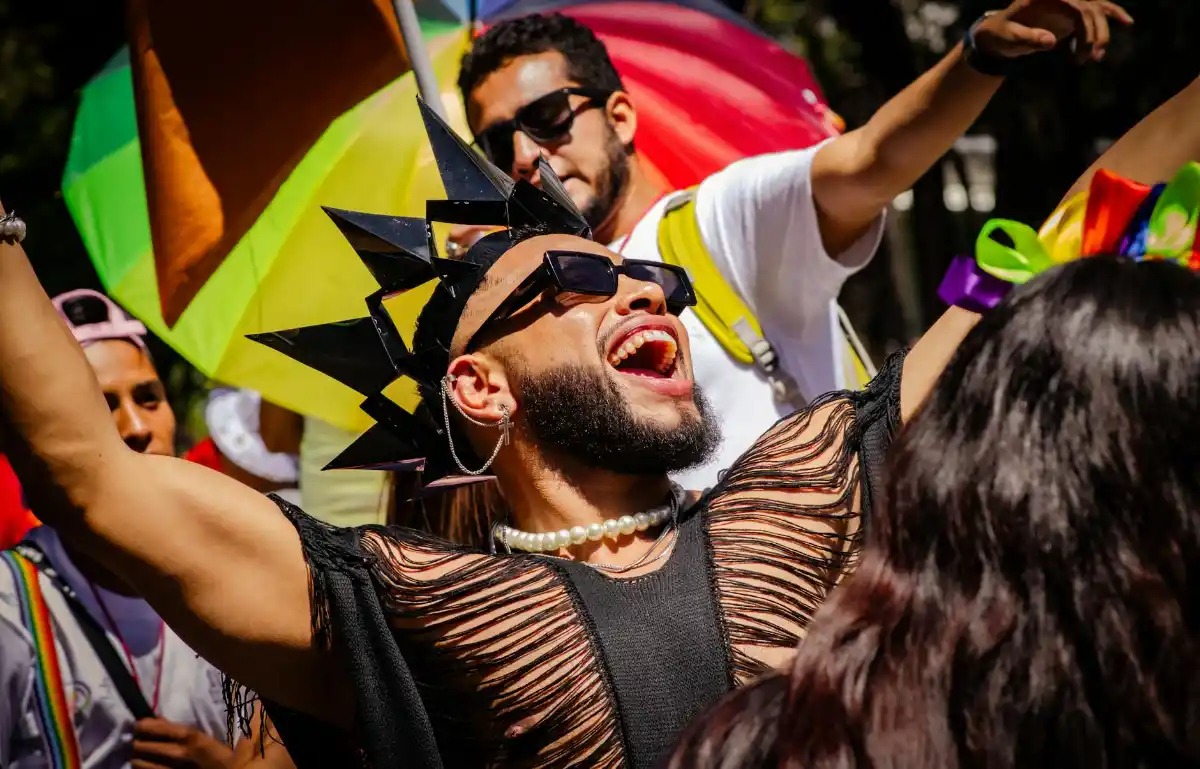
A wide-angle shot of a diverse crowd of people celebrating at a Pride festival in a major US city, with a subtle digital grid pattern on the ground representing a 'Safe City' network.
Community-Focused Safety Protocols
Community trust is the foundation of any successful Pride event. In 2026, this trust is built through transparent and inclusive safety protocols. Venues are increasingly involving the community in their security planning to ensure all voices are heard.
Safety is no longer just the responsibility of a few guards at the door. it is a community-wide effort that involves staff, patrons, and local authorities. This holistic approach ensures that everyone feels a sense of ownership over their environment.
Effective communication is key to this community-focused model. Venues are using apps and social media to keep patrons informed about safety measures. This transparency helps build confidence and reduces anxiety during high-stakes periods like Pride Month.
Inclusion also means ensuring that security protocols are sensitive to the diverse needs of the community. This includes training staff on how to interact respectfully with transgender and non-binary individuals. A safe space must be safe for everyone.
By prioritizing the community, venues can create an environment where safety and celebration go hand in hand. This approach not only protects people but also strengthens the social fabric of the LGBTQ+ community during Pride 2026.
The Rise of 'Safe Venue' Certifications
'Safe Venue' certifications are becoming a standard requirement in 2026. These certifications require venues to undergo rigorous safety audits and staff training. They serve as a mark of quality and a promise of protection for patrons.
To earn a certification, a venue must demonstrate proficiency in several areas. This includes active-shooter response, CPR, and first aid. It also involves training in LGBTQ+ cultural competency to ensure that all security interactions are respectful.
These certifications are often linked to city-wide safety initiatives. Venues that are certified may receive benefits such as lower insurance rates or priority support from local police. This creates a strong incentive for owners to invest in safety.
For the community, the 'Safe Venue' logo provides peace of mind. It signals that the management has taken concrete steps to protect its guests. In a year of high-stakes alerts, this visible commitment is more important than ever.
As more venues seek certification, the overall safety of the nightlife district improves. This collective raising of standards benefits everyone. It ensures that the spirit of Pride is protected by a professional and prepared security infrastructure.
De-escalation as a Primary Defense
In 2026, de-escalation is recognized as a critical tool for venue security. Rather than relying on physical force, staff are trained to use communication to resolve conflicts. This approach is particularly effective in high-energy environments like Pride parties.
De-escalation training focuses on active listening and empathy. Security personnel are taught to identify the root cause of a person's agitation. By addressing the issue calmly, they can often prevent a situation from turning violent.
This method also helps maintain the festive atmosphere. A quiet conversation is much less disruptive than a physical altercation. It allows other patrons to continue enjoying the event without feeling threatened or uncomfortable by security interventions.
Staff are also trained to recognize signs of mental health crises. Instead of treating these situations as security threats, they are taught to provide support and call for appropriate help. This compassionate approach is a hallmark of community-focused safety.
The effectiveness of de-escalation can be modeled by considering the probability of a peaceful resolution. If ## P(s) ## is the probability of success, then:
where ## P(f) ## represents the probability of failure or escalation. By increasing training, venues significantly lower ## P(f) ##.
We Also Published
Digital Evolution of 'Ask for Angela'
The 'Ask for Angela' program has undergone a digital transformation for Pride 2026. Originally a verbal code for patrons feeling unsafe, it is now integrated into venue apps and QR code systems. This allows for even more discreet communication.
A patron can scan a code in a restroom and select a specific type of assistance. This alert goes directly to the security team's handheld devices. It provides the patron's location and a brief description of the issue.
This digital evolution ensures that help can be requested without alerting a potential harasser. It also allows staff to respond more quickly and with the right resources. Whether it is a safe walk to a car or intervention in a conflict, the response is tailored.
Venues are also using these systems to track safety trends. By analyzing where and when alerts are triggered, they can adjust their staffing and security protocols. This data-driven approach helps prevent future incidents from occurring.
The 'Ask for Angela' program remains a vital lifeline for the community. Its digital upgrade reflects the technological sophistication of 2026. It is a perfect example of how tech can be used to enhance personal safety and comfort.
Emergency Response and Real-Time Registries
Real-time registries are a game-changer for emergency response in 2026. Venues are now enrolled in local police 'Fast-Response' systems. These registries provide authorities with detailed floor plans and contact information for every participating venue.
In the event of an emergency, this information is immediately available to first responders. This saves precious seconds that can make a life-saving difference. Knowing the layout of a building allows for a much more effective tactical response.
Many venues are also part of the Smart Traveler Enrollment Program (STEP). While typically for international travel, its principles are being applied locally. Patrons can 'check-in' to districts, allowing them to receive emergency alerts directly on their phones.
These registries also facilitate better communication between venues. If a security threat is identified nearby, all registered venues in the area are notified instantly. This allows them to go into lockdown or increase their vigilance as needed.
The integration of these systems creates a safety net that covers the entire community. It demonstrates the power of collaboration between the private sector and public safety agencies. In 2026, being connected is the key to staying safe.
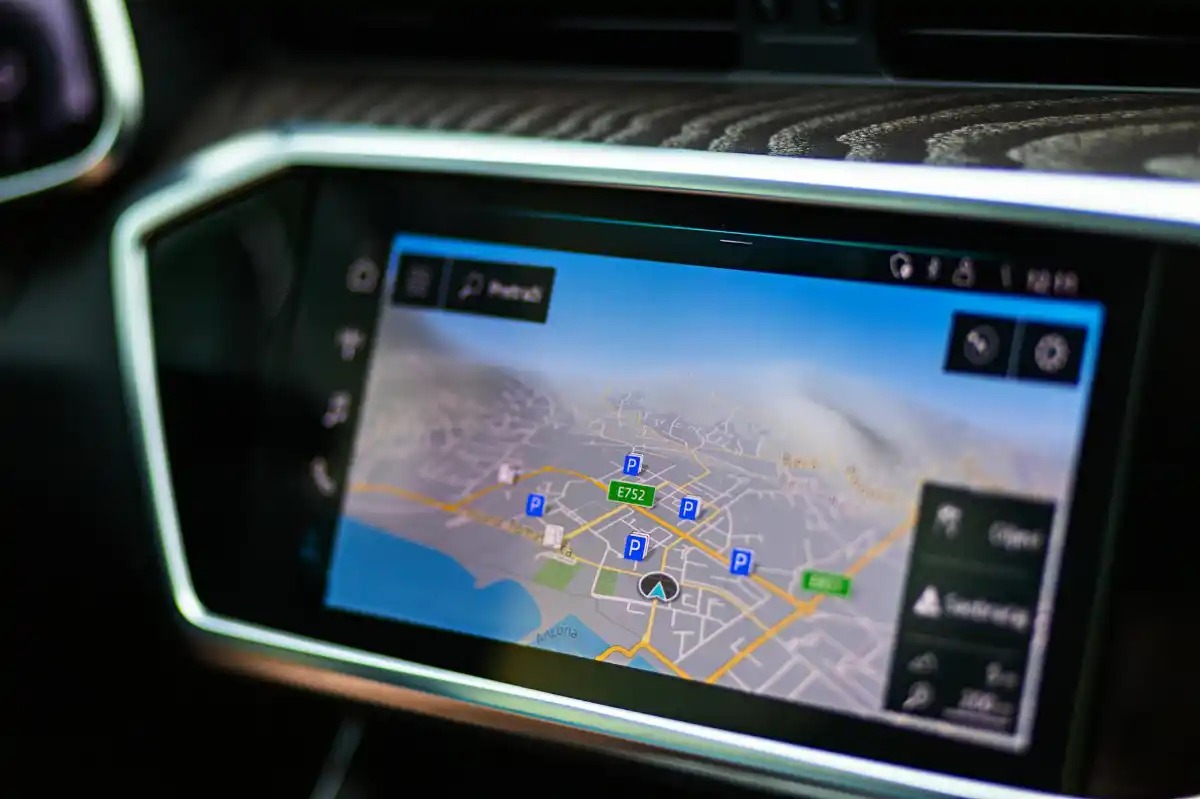
A digital dashboard showing a map of a city district with various venue icons highlighted in green, representing a 'Fast-Response' registry system in action.
- 01
- 02
- 03
- 04
The Role of Technology in Safe Celebration
Technology is the silent guardian of Pride 2026. From advanced sensors to AI-driven analytics, the tools available to security teams are more powerful than ever. These innovations are designed to protect without infringing on the privacy or joy of the event.
The goal is 'invisible safety.' This means that security measures are woven into the fabric of the venue. Patrons should feel safe without feeling like they are being constantly watched. It is a delicate balance that technology helps to achieve.
Artificial intelligence plays a major role in monitoring large crowds. It can identify patterns that suggest a potential problem, such as a sudden surge in movement. This allows security to investigate and address issues before they become serious.
Wearable technology is also being used by security staff. Smart glasses and body cams provide real-time video feeds to a central command center. This ensures that every intervention is recorded and can be monitored for safety and accountability.
As we move through the 2026 Pride season, technology will continue to evolve. The focus remains on using these tools to create a more inclusive and secure world. Technology, when used responsibly, is a powerful ally for the LGBTQ+ community.
Invisible Weapons Detection Systems
Traditional metal detectors are often seen as intrusive and can create long lines. In 2026, venues are opting for 'invisible' weapons detection systems. These use advanced sensors to scan patrons as they walk through a standard entryway.
These systems are designed to identify the specific signatures of weapons while ignoring everyday items like keys and phones. This allows for a smooth and fast entry process. It maintains the festive mood while ensuring that no dangerous items enter the venue.
The sensors are often hidden within the decor or architectural elements of the entrance. This contributes to the 'invisible safety' aesthetic. Patrons can enter the party without the friction of a traditional security checkpoint.
AI algorithms analyze the sensor data in real-time. If a potential weapon is detected, an alert is sent to a security officer's mobile device. They can then conduct a discreet and professional follow-up without disrupting the flow of the crowd.
This technology represents a significant leap forward in event security. It provides a high level of protection without the negative connotations of 'hard' security. For Pride 2026, it is an essential tool for balancing safety and celebration.
Smart Traveler Enrollment and Local Integration
The Smart Traveler Enrollment Program (STEP) has become a model for local safety integration. In 2026, many cities have launched 'Safe Pride' versions of this system. It allows celebrants to register their presence in specific nightlife districts during June.
By enrolling, individuals can receive real-time safety alerts tailored to their location. If an incident occurs nearby, they are notified immediately with instructions on how to stay safe. This direct line of communication is invaluable during high-stakes alerts.
Local integration also means that venues can send targeted messages to their patrons. This might include updates on event times, changes in security protocols, or invitations to community safety workshops. It fosters a sense of connected community.
The data gathered through these systems is anonymized and used for planning. Authorities can see which areas are most crowded and deploy resources accordingly. This ensures that the safety response is always where it is needed most.
For the user, the system is simple and non-intrusive. It provides an extra layer of protection that travels with them. In the 2026 security landscape, this kind of personal empowerment is a key component of a safe Pride experience.
Drink-Spiking Prevention and Health Kits
Safety during Pride 2026 also includes protection from health-related risks. Many venues, especially in California, are now mandated to provide drink-spiking test kits. These simple tools allow patrons to check their beverages for common illicit substances.
In addition to test kits, venues are offering 'Safe Celebration' kits. These may include fentanyl test strips, narcan, and information on local health resources. This proactive approach addresses the reality of substance use within the nightlife scene.
Staff are trained to recognize the signs of drugging or overdose. They know how to respond quickly and provide the necessary care until medical professionals arrive. This training is a vital part of the 'Safe Venue' certification process.
Education is also a key component of this strategy. Venues use digital signage and social media to promote safe drinking habits. By fostering a culture of care, the community helps protect its most vulnerable members from harm.
These health-focused protocols are as important as physical security. They demonstrate a commitment to the overall well-being of every patron. In 2026, a truly safe venue is one that looks out for the health of its community.
The Economic Impact of Proactive Security
Investing in security has a significant economic impact on venues in 2026. While the initial costs of technology and training are high, the long-term benefits are substantial. Proactive safety measures can lead to lower insurance premiums over time.
Insurance companies are increasingly using 'risk scores' to determine rates. A venue with a comprehensive safety plan and 'Safe Venue' certification will have a lower score. This translates into direct savings for the business owner.
In this model, ## R ## is the total risk, ## P ## is the probability of an incident, and ## I ## is the impact. By reducing ## P ## through security, the overall risk ## R ## drops.
Furthermore, a reputation for safety attracts more patrons. People are more likely to visit venues where they feel secure and respected. This increased foot traffic can more than offset the costs of implementing advanced security protocols.
The economic impact also extends to the wider city. Safe Pride events attract more tourists and generate more revenue for local businesses. Safety is not just a cost; it is an investment in the prosperity of the entire community.

A professional infographic-style illustration showing the connection between 'Safety Investment', 'Community Trust', and 'Economic Growth' for a nightlife venue.
From our network :
- The Final Descent: How ESA Retired the Legendary Cluster Constellation After 24 Years of Space Weather ScienceAfter 24 years mapping Earth’s magnetosphere, ESA’s Cluster mission concluded with a precisely controlled reentry over the South Pacific. This analysis explores the scientific legacy, engineering decisions, and debris mitigation principles behind one of space exploration’s most responsible retirements.
- Norbert’s Uncertain Path: Why Hawaii’s Storm Watch Demands Patience Over PanicTropical Storm Norbert strengthens in the Eastern Pacific with winds near 50 mph, forecast to reach Category 1 hurricane status by Friday. Long-range models disagree sharply on whether Hawaii faces any threat around September 19–23, making official guidance essential.
- CISA’s Ten-Advisory Wave: Why Generic Patching Fails in OT and How to Build Product-Specific PlaybooksCISA released ten ICS advisories in one week, exposing critical infrastructure risks. Generic patching fails in OT. Learn to build product-specific remediation playbooks.
- Forbidden Matrix Patterns and Visible Lattice Points: A Geometric DictionaryExplore how multidimensional 0–1 matrices encode geometric truths, linking forbidden patterns to visible lattice points and hypergraph theory, with applications in combinatorics and computational geometry.
- The Hidden Cost of AI Convenience: Why Over-Permissioned Agents Are a Security Time BombDiscover why AI agents with excessive permissions create dangerous single points of failure, and learn how implementing least privilege principles can protect your organization from exploitation.
- Former Soap Stars Embark on Ambitious Writing Projects and Theatrical StagesDiscover how former soap opera actors are transitioning into independent scriptwriting and high-profile theatrical stage productions.
- Committed Mediterranean Precipitation Decline: Why Emissions Cuts Alone Cannot Restore Winter RainsNew NOAA research reveals that Mediterranean winter rains may decline irreversibly even with emissions cuts. Explore the science of committed climate change and regional impacts.
- How AI Agents Will Change the Way We Manage Personal FinancesExplore how AI agents are transforming personal finance through automated budgeting, bill payment, and investment management, while examining the critical security protocols and governance frameworks required for safe deployment.
- Analyzing Hoya Corporation’s Midday Volume Shifts and Financial FundamentalsExamine Hoya Corporation’s midday trading volume contraction, technical moving averages, robust solvency ratios, and stellar quarterly earnings performance.
RESOURCES
- Recalls & Public Health Alerts | Food Safety and Inspection Servicefsis.usda.gov... Pride Corporation (6) Pilgrim's Pride Corporation (6); Perdue Foods LLC (5) ... WASHINGTON, May 24, 2026 - The U.S. Department of Agriculture's Food…
- Recalls, Market Withdrawals, & Safety Alerts - FDAfda.gov05/26/2026, TNVitamins and Doctor's Pride, TNVitamins Ultra Potent Complete Green Superfood Capsules and Doctor's Pride Complete Green Superfood capsules, Food ...
- Twin Cities Pridetcpride.org... notifications from our Safety/Operations Team. Pride. Twin Cities Pride ... 2026 PRIDE. The Twin Cities Pride Festival is a celebration of the vibrant ...
- SGV Pride Parade & Festival | Monterey Park, CA - Official Websitemontereypark.ca.govStay Informed Sign Up for Free Emergency Alerts via Everbridge Read On... ... Pride Parade and Festival on June 6, 2026. The event will…
- Twin Cities Pride Festivaltcpride.org... notifications from our Safety/Operations Team. Pride. Twin Cities Pride ... Twin Cities Pride Festival. TWIN CITIES PRIDE FESTIVAL 2026. Saturday June 27th ...
- Capital Pride 2026 Celebration Festival | hsemahsema.dc.govHomeland Security and Emergency Management Agency. DC.Gov Logo. Homeland Security ... Alerts · Subscribe to Newsletters. District ...
- DC BLACK PRIDE 2026 HOTEL ALERT Family… this is NOT a drill ...facebook.comFeb 22, 2026 ... ... dcblackpride.org and secure your room TODAY. Not tomorrow. Not next week. Today. Tag your travel crew. Send this to…
- Recalls and Product Safety Alerts - Amazon.comamazon.comThis list may not be exhaustive and it only includes alerts for products sold on Amazon. Search. May 28, 2026 ... Recalls TNVitamins and…
- ️ NKY PRIDE 2026 - REGISTRATION IS LIVE! 🏳️ ALERT ...facebook.comMar 7, 2026 ... ... 2026! ✨ What's Happening: Celebrating 17 years of NKY Pride! GET INVOLVED NOW: VENDORS & PARADE PARTICIPANTS: Secure your…
- Entering the Celebration - SF Pridesfpride.orgSan Francisco Pride is dedicated to creating a safe and inclusive environment for all participants at our annual parade and celebration. The safety and…
- DC BLACK PRIDE 2026 HOTEL ALERT Family… this is ... - Instagraminstagram.comFeb 22, 2026 ... ... dcblackpride.org and secure your room TODAY. Not tomorrow. Not next week. Today. Tag your travel crew. Send this to…
- A Season of Service, Safety, and Michigan Pride: Thank You from ...dpss.umich.eduDec 2, 2025 ... A Season of Service, Safety, and Michigan Pride ... News & Alerts. Other Links. Contact Us · Job Postings. Social.…
- Orlando Prideorlandocitysc.comMinutes. Next Home Match | Orlando Pride vs. Bay FC | Pride in our City ... 2026 Orlando Pride Season Tickets on sale now!…
- Know Before You Go! (Safety, Accessibility, and More!)prideportland.orgPride 2026 Safety, Security, and Accessibility Plan. Event Name: Pride ... If you think you see ICE agents near a Pride event, please alert…
- Top 50 Safety Slogans for Workplaces | SafetyCulturesafetyculture.comApr 27, 2026 ... Do your work with pride, put safety in every stride, Rhyming safety ... Status|Legal|Privacy|Terms & Conditions|Security|© SafetyCulture 2026.
- 01
- 02
- 03
- 04
- 05
- 06
- 07
- 08
0 Comments