
INDIAN STOCK MARKETS
Top 10 reasons why retail investors should not invest in IPOs
Updated May 27, 2026
Retail investors should approach IPOs with caution due to limited information, price volatility, hype, and institutional advantages.
Retail investors should approach IPOs with caution due to limited information, price volatility, hype, and institutional advantages.

In banking, 'risk weight' measures asset risk, influencing capital reserves to safeguard against potential losses.

Discover the essence of Intrinsic Value and how it contrasts with Book Value, shaping investment decisions and financial analysis.

Momentum traps are overvalued stocks with high price momentum but weak fundamentals, posing risks of sharp corrections.

WeWork, once valued at $47B, files for bankruptcy amid a fall to $45M, impacted by COVID-19, overexpansion, and poor governance.

Loss of share certificate: A crucial issue requiring prompt reporting to protect ownership rights and prevent unauthorized transactions.
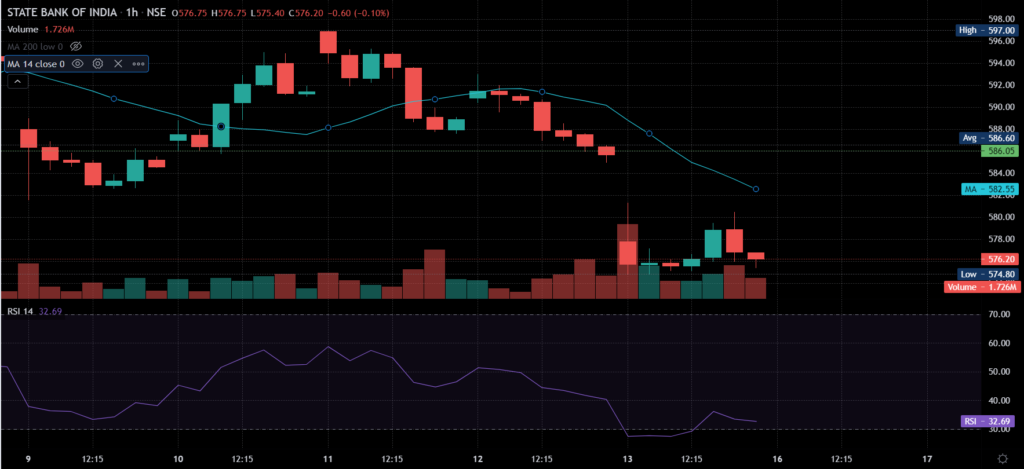
One of the primary uses of MAs is in the determination of support and resistance levels in market charts.

Total Outstanding Shares are a key component in calculating a company's market capitalization (market cap).

How economic factors, investor behaviour, and global events shape the global stock market landscape in this comprehensive exploration.

Discover strategies for navigating the digital age's dynamic landscape in our insightful analysis.

Over-speculation and excessive debt inflate stock prices beyond their actual value. When these bubbles burst, the effects can be devastating

The Indian stock market is a dynamic and vibrant arena that offers numerous opportunities for investors. With its two major exchanges, the National Stock Exchange...

Major terms used in an IPO documentation


IPOs are the entry point for companies to get listed in a market and are special finance instruments both for traders and investors.