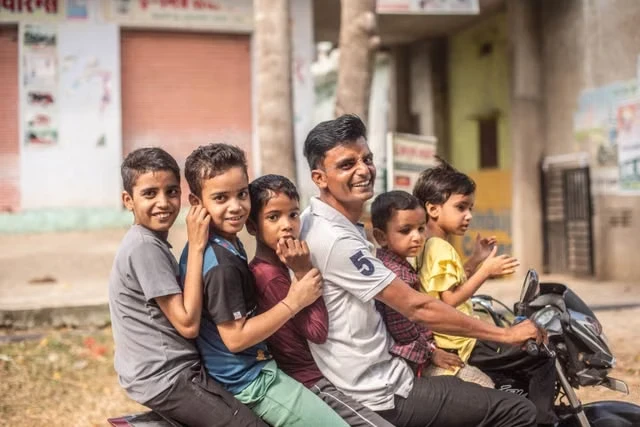
“Chosen family” is no longer a niche romance subculture term—it is becoming a governing narrative engine. It names bonds forged by choice rather than obligation, and it now appears across July releases that foreground friendship, community, and long-haul emotional safety. This shift matters because readers are tired of plots that treat commitment as fate; they want it portrayed as practice.
The core message behind this trend is blunt: durable love is built, not inherited. In these stories, relationship structure emerges from repeated actions—showing up reliably, negotiating boundaries without punishment, and performing repair after conflict. The fantasy is not that hurt disappears; it is that people can learn to stay and rebuild together.
Here, mainstream storytelling is adopting an ethic of relationship labor. The “chosen family” framework turns community into a functional support system rather than decorative background, with reliable care networks replacing passive nostalgia. Readers increasingly recognize that belonging is engineered through communication, consistency, and accountability—skills, not luck.
On This Page
Why “Chosen Family” Is Going Mainstream—And Why That’s a Power Move
Chosen-family stories are reaching broader audiences because they speak to real social conditions: fragmented communities, mobile lives, and families that don’t always function as support systems. What once sounded like identity-coded subtext now reads like universal emotional infrastructure. Mainstream readers see themselves in the longing for belonging with agency.
Just as importantly, these narratives offer structure instead of sentiment. They treat love as a system that must be maintained—through clear boundaries, honest expectations, and predictable reliability. That is a persuasive alternative to romance plots that lean on grand gestures while ignoring day-to-day repair.
From “Vibe” to Method: Relationship Building as a Plot Engine
The most compelling chosen-family fiction does not merely declare closeness; it demonstrates the mechanics of closeness. Boundaries become narrative tension, reliability becomes character proof, and repair becomes the turning point after emotional damage. This makes the relationships feel earned, not magically preordained.
Readers respond because the emotional payoff is credible. They are watching people negotiate intimacy without collapsing autonomy—learning how to care without controlling, and how to be dependable without becoming convenient. That balance reads as mature, modern, and psychologically informed.
Supportive Communities Replace “One Person Fixes Everything”
Traditional storytelling often concentrates emotional rescue into a single central character—love as a solitary solution. Chosen-family storytelling redistributes that responsibility into a web of support, where different people hold different strengths. Community becomes the scaffolding that keeps relationships from tipping into burnout.
This doesn’t weaken romance; it strengthens it. By showing multiple forms of care, the story reduces the unrealistic pressure placed on one partner to be therapist, shelter, and destiny. Readers learn that love can be intense while still being distributed responsibly.
Durability Requires Labor: Boundaries, Reliability, and Repair
Chosen-family narratives resonate because they refuse the cheap version of love. They insist that commitment is maintained through boundaries that protect both individuals and the group. Without boundaries, community collapses into entitlement; with boundaries, care becomes sustainable.
Reliability is the second pillar. These stories treat reliability as observable behavior—consistent follow-through, emotional presence, and the discipline to show up when it is inconvenient. Readers understand that affection is fragile unless someone practices steadiness.
Boundaries as Care: The Difference Between Love and Access
Boundary-setting in chosen-family stories functions like moral clarity. Characters learn that closeness does not require constant availability, and that honesty about limits prevents resentment from calcifying. This is a direct challenge to relationship myths that equate discomfort with devotion.
The deeper meaning: boundaries create psychological space where repair can happen. When people can name harm and negotiate change, they keep belonging from turning into control. A chosen family that survives conflict does so because it can withstand hard conversations.
Repair as Proof: How Conflict Becomes a Bridge
Repair is where these plots become emotionally adult. Instead of treating disagreement as rejection, characters analyze what went wrong, acknowledge impact, and commit to better patterns. Repair turns mistakes into evidence of growth rather than final verdicts.
This is relationship storytelling with accountability baked in. The narrative tells readers that durability is neither passive nor romanticized; it is an iterative process that demands communication, humility, and follow-through.
We Also Published
How to Read This Trend: Relationship Structures People Can Actually Use
To interpret chosen-family mainstreaming, do not treat it as a fad. Treat it as a signal that readers want relationship architecture that survives ordinary pressure—work strain, emotional missteps, and the slow friction of time. When stories provide that architecture, audiences convert attention into loyalty.
These releases also elevate the emotional literacy of the genre. Language around harm becomes sharper, expectations become clearer, and community dynamics become legible rather than mystical. The trend implies a cultural correction: love must be practiced, or it becomes theater.
Friendship and Community Become the New Relationship Backbone
Because July themes emphasize friendship and community, the story engine shifts from romantic exclusivity to relational ecosystems. Characters form chosen ties that include roommates, mentors, friends, and “temporary” companions who eventually become permanent. The plot logic is: stability grows from repeated care.
This is why readers feel recognized. Many people do not experience adulthood through a single family unit; they experience it through networks. Chosen-family narratives formalize those networks into something emotionally durable and narratively satisfying.
What “Mainstream” Ultimately Means: Better Standards
Mainstreaming chosen family is, at heart, a standards upgrade. The stories reject manipulative dynamics and prefer transparency over ambiguity. They also reward emotional accountability—showing that repair is not a vague promise but a practiced change in behavior.
The core editorial lesson is clear and opinionated: readers are selecting stories where belonging is ethical. When writers model boundaries, reliability, and repair, they give audiences a map for building real-life supportive communities.
TL;DR “Chosen family” has moved from subculture shorthand to mainstream storytelling because readers increasingly want relationship structures built through action. The trend rewards narratives that operationalize belonging: clear boundaries, measurable reliability, and repair after conflict.
In short, these stories don’t romanticize luck—they model the labor of durable community. Friendship and supportive networks now function as the backbone, replacing the unrealistic fantasy that one person can solve everything.
RESOURCES
- Opinion | Dan Savage on Polyamory, Chosen Family and Better Sexnytimes.comJan 10, 2023 ... The advice columnist discusses how dating, sex and relationships have changed over the past 30 years — and where they…
- Conceptualizing “Family” and the Role of “Chosen Family” within the ...pmc.ncbi.nlm.nih.govThis study analyzed meaning attributions regarding “family” and “chosen family” by Lesbian, Gay, Bisexual, Pansexual, Transgender, Gender Queer, Queer, ...
- The SAGE Encyclopedia of Marriage, Family, and Couples Counselingsk.sagepub.comIn her seminal work Families We Choose, Weston described chosen family as deliberately chosen ... families became the goal of mainstream ...
- Navigating Mainstream Culture as a Person of Color - IU Blogsblogs.iu.eduApr 16, 2020 ... Over time, I became more comfortable with returning to my heritage and learning things about my family and history I…
- Are LGBT persons accepted in mainstream Judaism? Can they “, for ...reddit.comDec 11, 2021 ... Founded in 1977 and rooted in our history as San Francisco's gay and lesbian synagogue, we offer the warmth and…
- Chosen Family (2024) - IMDbimdb.comChosen Family: Directed by Heather Graham. With Heather Graham, Julia Stiles, John Brotherton, Thomas Lennon. Yoga teacher Ann is trying to find inner peace ...
- What is the difference between a house and a home? Black people ...instagram.comJun 11, 2026 ... ... mainstream culture that seeks to ... I carry on this tradition with artists who are chosen family members needing…
- Intergenerational Friendships Among Gay Men: Rare But Importanttoday.comFeb 11, 2022 ... When I look at my own chosen family, the brightest star in that constellation is my friend Gil Neary, who…
- Davey Oil: The Radical Activist Pushing Family Bikes in the ...thebicyclestory.comJul 22, 2015 ... Davey Oil: The Radical Activist Pushing Family Bikes in the Mainstream ... They’re people who largely chose to start family…
- Top 10 books about chosen families | Fiction | The Guardiantheguardian.comAug 2, 2023 ... ... mainstream culture, all reinforce a narrow idea of family as heteronormative and reproductive. But our closest and most meaningful…
- 01
- 02
- 03
- 04
- 05
- 06
- 07
- 08
0 Comments