On This Page
The Evolution of Intentional Travel in 2026
As we cross the threshold of May 2026, the American travel landscape is undergoing a profound structural shift. The Great American Road Trip has officially reclaimed its throne, driven by the upcoming 250th anniversary of the United States.
This movement is not merely about saving money or avoiding long airport queues. Instead, it is a move toward intentional travel where the journey is valued as much as the final destination on the digital map.
People are no longer just looking to add trips to their calendars for the sake of variety. They are seeking a deeper meaning behind their movements, favoring destinations that offer a sense of national identity.
With nearly 90% of Americans planning out-of-state travel this year, the focus has shifted from international luxury to domestic discovery. This trend is fueled by a collective desire to witness the nation’s historical evolution firsthand.
This slow travel pivot allows families to bypass the transit sticker shock of 2026 air travel. It is a return to the open road, reimagined with modern electric vehicles and curated heritage trails today.
Redefining the American Status Symbol
In 2026, the ultimate status symbol is no longer a first-class ticket to a distant European capital. Instead, it is the curated, deep-dive exploration of the American heartland and its many hidden historical treasures.
Travelers are finding prestige in the ability to navigate the complex tapestry of American history. Sharing stories from a small-town heritage site carries more social weight than a generic beach photo from a crowded resort.
The luxury of time is the new currency for the modern explorer. Being able to spend weeks meandering through the historic corridors of the South or the Midwest signifies a high level of personal freedom.
Sophisticated travelers are investing in high-end electric campers and customized road trip itineraries. These tools allow them to experience the vastness of the American landscape without sacrificing the comforts of a modern lifestyle.
Ultimately, the status comes from the knowledge gained and the connections made along the way. It is about understanding the roots of the nation as it hits the monumental ##250## year milestone this summer.
The Psychology of Heritage Exploration
The drive toward heritage exploration is rooted in a psychological need for belonging and continuity. In an increasingly digital world, physical connection to historical landmarks provides a grounding sense of reality for many travelers.
Visitors are seeking out places that tell a story of resilience and progress. This emotional connection transforms a simple vacation into a pilgrimage of sorts, honoring the ancestors who built the foundations of the country.
There is a profound satisfaction in standing where history happened, feeling the weight of the past. This sensory experience is something that virtual reality or digital documentaries simply cannot replicate for the curious mind.
By engaging with local heritage, travelers are also supporting the preservation of these vital stories. This altruistic component adds a layer of fulfillment to the trip, making the experience feel more significant and worthwhile.
Psychologically, the road trip offers a sense of control and autonomy that other forms of travel lack. The ability to change course and explore a side road fosters a spirit of adventure and discovery.

A wide-angle shot of a sleek, futuristic electric SUV parked at a scenic overlook in the Great Plains, with a sunset casting a golden glow over a historical monument in the distance.
Digital Minimalism on the Open Road
While technology powers the logistics of the 2026 road trip, there is a growing trend toward digital minimalism. Travelers are intentionally putting down their devices to engage more fully with the physical world around them.
The goal is to trade screen time for "green time," focusing on the natural beauty and historical sites. This unplugged approach allows for deeper conversations and a more relaxed pace of life during the journey.
Smartphones are used primarily for navigation and essential research, rather than constant social media consumption. This boundaries-based approach to technology helps travelers stay present and mindful of their surroundings throughout the entire trip.
Many travelers are choosing destinations specifically because they offer a break from the digital noise. Remote heritage sites and national parks provide the perfect backdrop for a much-needed mental and emotional reset this year.
This shift toward minimalism is a reaction to the hyper-connectivity of the modern era. It represents a desire to reclaim one’s attention and focus on the things that truly matter, like family and history.
Sustainable Sophistication in Modern Transit
Sustainability has become a core component of the road trip experience in 2026. The rise of electric vehicle infrastructure has made long-distance travel both environmentally friendly and technologically sophisticated for every modern driver.
Travelers are proud to minimize their carbon footprint while exploring the vast stretches of the American highway. This commitment to the environment is seen as a modern way to honor the land’s natural beauty.
Charging stations have evolved into mini-hubs of activity, often located near historical sites or local eateries. This integration makes the charging process a seamless part of the overall travel experience rather than a burden.
The efficiency of modern transit is often calculated by travelers using precise metrics. For instance, the total energy efficiency of a cross-country trip can be modeled using the following expression for total energy consumption:
Sophistication is now defined by how cleanly and quietly one can traverse the continent. The silent hum of an electric motor is the soundtrack to the new American dream of exploration and discovery today.
The Rise of Secondary Cities as Heritage Hubs
The 2026 travel season is highlighting a significant shift in destination preference. Secondary and tertiary cities are emerging as the new primary hubs for travelers seeking authentic experiences away from the coastal crowds.
Cities like Oklahoma City and Madison are seeing unprecedented spikes in tourism interest. These locations offer a unique blend of historical depth and modern amenities that appeal to the intentional traveler of this era.
As major metropolitan areas struggle with the influx of World Cup visitors, these secondary hubs provide a more manageable pace. They allow for a deeper engagement with local culture and a more relaxed atmosphere.
The economic impact of this shift is profound, as tourism dollars are distributed more evenly across the heartland. This decentralization of travel is fostering growth and revitalization in communities that were previously overlooked.
These heritage hubs are leaning into their unique identities, showcasing the diverse stories that make up the American experience. They are proving that the heart of the nation is found in its smaller cities.
Oklahoma City: The Heartland’s New Cultural Capital
Oklahoma City has transformed into a vibrant cultural capital, attracting visitors with its rich history and modern flair. The city’s commitment to preserving its heritage while embracing the future is a model for others.
From the historic Stockyards City to the modern aesthetic of the Boathouse District, there is something for everyone. Travelers are drawn to the city’s authentic spirit and the warm hospitality of its local residents.
The city’s museums and galleries offer a deep dive into the stories of the American West. These institutions are vital for understanding the complex narrative of the nation’s expansion and its cultural evolution over time.
Oklahoma City’s culinary scene is also a major draw, featuring a mix of traditional flavors and innovative techniques. This gastronomic diversity reflects the city’s role as a melting pot of different cultures and traditions.
As a key stop on many 250th anniversary road trip routes, the city is thriving. It represents the resilience and creativity that define the American heartland in the mid-twenty-first century and beyond.
Madison and the Midwestern Renaissance
Madison, Wisconsin, is experiencing a renaissance of its own, becoming a must-visit destination for those on the road. Its stunning lakeside setting and vibrant intellectual community make it a unique stop in the Midwest.
The city’s focus on sustainability and local sourcing aligns perfectly with the values of the 2026 traveler. Visitors enjoy the farm-to-table dining and the abundance of outdoor recreational opportunities available in the region.
Madison’s historical landmarks, including the State Capitol, provide a window into the political and social history of the area. These sites are essential for anyone looking to understand the diverse perspectives of the country.
The sense of community in Madison is palpable, with local festivals and markets celebrating the best of the region. This inclusive atmosphere makes travelers feel welcome and encourages them to stay longer and explore more.
As a hub for innovation and education, Madison is helping to shape the future of the Midwest. It is a shining example of how secondary cities can lead the way in cultural and economic growth.
We Also Published
Infrastructure Resilience in Tertiary Markets
The influx of travelers into tertiary markets is testing the resilience of local infrastructure. Small towns and rural communities are rising to the challenge, upgrading roads, utilities, and services to accommodate the new demand.
This investment in infrastructure is not just for the benefit of tourists; it also improves the quality of life for residents. Modernized facilities and better connectivity are essential for the long-term health of these communities.
Local governments are working closely with private partners to ensure that growth is sustainable and managed effectively. This collaborative approach is key to preserving the character of these unique locations while allowing for expansion.
The resilience of these markets is a testament to the strength of the local economy. By diversifying their tourism offerings, they are building a more stable and prosperous future for their citizens and visitors.
Travelers are increasingly appreciative of the effort put into maintaining these sites. The high quality of the infrastructure enhances the overall experience, making the road trip more enjoyable and accessible for everyone involved.
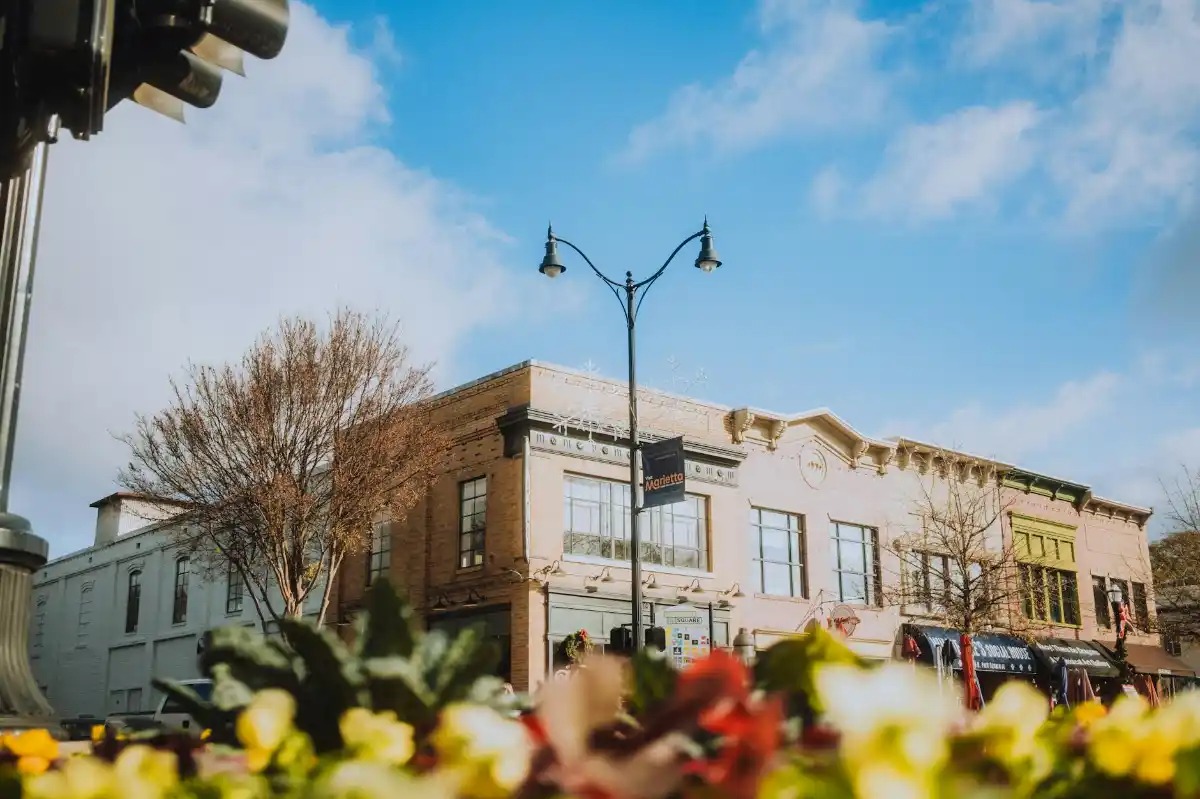
A charming, revitalized main street in a small American town, with historic brick buildings, flower baskets, and modern electric vehicle charging stations subtly integrated into the landscape.
- 01
- 02
- 03
- 04
Distribution of the Tourism Dollar
The shift toward road trips and secondary cities is leading to a more equitable distribution of tourism revenue. Money that was once concentrated in a few major cities is now flowing into smaller communities.
This economic boost is supporting local businesses, from boutique hotels to family-owned restaurants and shops. The direct impact on the local economy is significant, creating jobs and fostering entrepreneurship in the American heartland.
Tourism dollars are also being used to fund the preservation of historical sites and natural parks. This reinvestment ensures that these treasures will be available for future generations of travelers to enjoy and learn from.
The "multiplier effect" of tourism spending is evident in the growth of related industries, such as transportation and services. This broad-based economic benefit is vital for the continued prosperity of the entire nation in 2026.
Travelers are becoming more conscious of where their money goes, often choosing to support businesses that align with their values. This intentionality is driving a more sustainable and ethical tourism industry across the country.
Navigating the Logistics of the 2026 Season
Planning a road trip in 2026 requires a strategic approach to logistics and budgeting. With demand for heritage hubs at an all-time high, travelers must be proactive in securing their accommodations and transit options.
The convergence of the 250th anniversary celebrations and the World Cup has created a unique set of challenges. Navigating these complexities requires careful research and a flexible mindset to ensure a successful and enjoyable journey.
Travelers are increasingly using advanced planning tools to optimize their routes and schedules. These digital assistants help identify the best times to visit popular sites and avoid the most congested areas on the road.
Understanding the local regulations and event schedules is also crucial for a smooth trip. Staying informed about road closures and special events will help travelers avoid unnecessary delays and make the most of their time.
Despite the challenges, the rewards of a well-planned road trip are immense. The opportunity to witness history in the making and explore the diverse landscapes of the country is an experience of a lifetime.
Managing Transit Sticker Shock Strategically
Rising costs in the travel sector have made budgeting more important than ever for the modern explorer. Managing "transit sticker shock" requires a combination of early planning and smart financial decisions throughout the entire trip.
By choosing to drive rather than fly, many travelers are able to maintain their leisure budgets while seeing more of the country. This strategic move allows for more flexibility in spending on experiences and local accommodations.
Calculating the total cost of the journey is essential for staying on track. Travelers can use the following formula to estimate their total road trip budget based on distance and daily expenses:
Utilizing loyalty programs and travel rewards can also help offset the costs of a long-distance trip. Savvy travelers are finding ways to maximize their savings without compromising on the quality of their experience this year.
Ultimately, the value of the trip is measured by the memories made and the knowledge gained. Strategic budgeting ensures that travelers can focus on the journey itself rather than worrying about the financial implications of travel.
The Intersection of Sports and National Identity
The 2026 travel season is uniquely shaped by the intersection of national pride and global sporting fervor. The World Cup matches are drawing international attention, while the 250th anniversary focuses on domestic heritage and identity.
This combination creates a vibrant and energetic atmosphere across the country, with fans and history buffs alike sharing the road. The sense of collective celebration is palpable in every city and town along the way.
Travelers are finding ways to incorporate both sporting events and historical exploration into their itineraries. This balanced approach allows them to experience the best of modern culture alongside the stories of the nation’s past.
The influx of international visitors for the World Cup is also providing an opportunity for cultural exchange. Americans are proud to showcase their country’s history and hospitality to a global audience during this monumental year.
This unique cultural moment is reinforcing the importance of national identity in an interconnected world. The road trip serves as a way to engage with both the local and the global simultaneously and thoughtfully.

A collage-style illustration showing a diverse group of people celebrating at a historic American landmark, with subtle hints of soccer fans in the background, all under a bright 2026 summer sky.
Booking Windows and the New Urgency
The high demand for "Heritage Hubs" has led to a shift in booking behavior, with travelers securing their plans much earlier than in previous years. A three-month lead time is now considered the minimum for popular destinations.
Waiting until the last minute can lead to limited options and significantly higher prices for lodging and activities. The new urgency in booking reflects the competitive nature of the 2026 travel season for many families.
Travelers are also being more selective about where they stay, favoring accommodations that offer a unique connection to the local culture. Boutique inns and historic hotels are often the first to reach full capacity.
This trend is encouraging travelers to explore lesser-known destinations that may have more availability. These "hidden gems" often provide a more authentic and intimate experience than the more traditional and crowded tourist hotspots.
Staying flexible with travel dates can also help in finding the best deals and avoiding the peak crowds. Mid-week travel and off-peak visits to popular sites are becoming more common among savvy road trippers.
Long-term Impacts on Domestic Leisure Behavior
The shift toward intentional road trips in 2026 is likely to have a lasting impact on domestic leisure behavior. What began as a response to specific events is evolving into a preferred mode of travel.
The focus on slow travel and regional discovery is fostering a deeper appreciation for the diversity of the American landscape. This trend is expected to continue well beyond the 250th anniversary celebrations in the future.
As travelers experience the benefits of a more relaxed and meaningful journey, they are less likely to return to the stress of long-haul logistics. The road trip offers a sense of freedom that is hard to replicate.
This evolution in travel behavior is also supporting the continued growth of secondary cities and rural communities. The ongoing investment in tourism infrastructure will ensure that these locations remain attractive destinations for years to come.
Ultimately, the 2026 travel season is a turning point in how Americans explore their own country. It is a celebration of history, a commitment to sustainability, and a rediscovery of the joy of the open road.
RESOURCES
- Celebrating America's 250th Anniversary - Collette Toursgocollette.comAbout This Tour · Getting Prepared · Notes · Travel Tips · Enhance Your Tour · Accommodations · Need More Information? · Call us…
- America's Field Trip - America250america250.orgIn honor of America's 250th anniversary, America's Field Trip is expanding with more exciting field trips, and more opportunities for students to win. A ...
- A Summer Travel Checklist for America's 250th Birthday - ny timesnytimes.comMay 21, 2026 ... ... USA 250th & Niagara County Celebration on Aug. 1 and 2. Fort Ticonderoga's Real Time Revolution series will host…
- The Great American Road Trip - America250america250.orgThe U.S. Department of Transportation's Great American Road Trip initiative invites Americans to explore the nation's highways and byways in celebration of the ...
- America 250: Ultimate Travel Guide to the U.S. 250th Anniversaryacg.aaa.comApr 8, 2026 ... Explore America 250 with top cities, national parks, historic landmarks, and events to celebrate the U.S. 250th anniversary.
- 42 year old Noah Coughlan has trekked some 90 miles ... - Facebookfacebook.comMar 6, 2026 ... And that's the whole point of this incredible “Run for America”—this cross country marathon to honor the USA's 250th anniversary…
- Bilirakis and Buchanan Take Decisive Action to Boost U.S. Travel ...bilirakis.house.govFeb 10, 2026 ... “As we prepare to welcome the world for America's 250th anniversary, establishing a dedicated Travel and Tourism Trade Working Group…
- Noah Coughlan begins his day in Perham, Minnesota and will trek ...facebook.comMar 21, 2026 ... ... travels by foot across the United States in honor of America's 250th birthday. ... USA's 250th anniversary. The 42…
- To celebrate America's 250th birthday this year, we're launching our ...instagram.comJan 29, 2026 ... Where will your American journey take you this year? Let us help you plan a trip full of memories by…
- It's America's 250th Birthday — Here Are a Few Ways to Celebrate ...travelagewest.comMar 24, 2026 ... The U.S. Travel Association (USTA) has teamed up with The Great American Road Trip, a nationwide storytelling initiative. Through this ...
- America 250! Need recommendations for stops in the northeastreddit.comJan 15, 2026 ... [Travel] - Where to Travel in the U.S. for America's 250th Birthday This Summer | NY Times ... United States'…
- "Freedom Plane National Tour" takes flightarchives.govMar 2, 2026 ... ... celebration of America's 250th anniversary. These historic documents will travel to each corner of the country, allowing Americans the ...
- U.S. Travel Association Joins The Great American Road Trip as ...ustravel.orgDec 10, 2025 ... “Travel reveals who we are as a nation, and there's no better time to tell the story than on the…
- USA 250th Anniversary Tours | D&F Travel Celebration Tripsdfbuses.comCelebrate USA's 250th anniversary with special bus tours from D&F Travel. Guided celebration trips exploring WNY history & heritage.
- 01
- 02
- 03
- 04
- 05
- 06
- 07
- 08
0 Comments