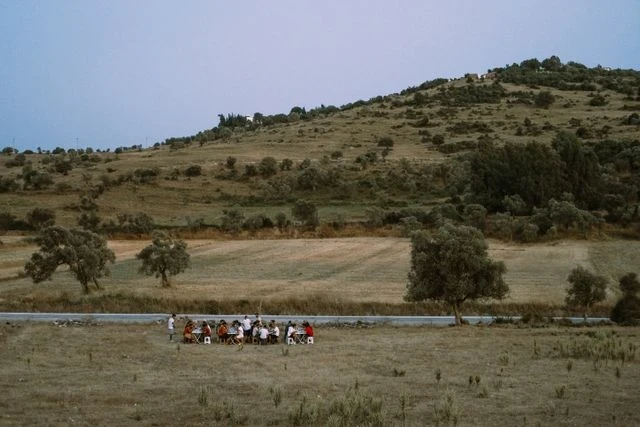
Modern society operates at a relentless, hyper-accelerated tempo that routinely drains the psychological reserves of even the most resilient professionals. Every waking moment demands hyper-connectivity, instant digital responsiveness, and a toxic addiction to notifications that effectively obliterates genuine personal downtime. Consequently, the traditional vacation model—characterized by frantic sightseeing itineraries, exhausting flight connections, and rigid tourist checklists—has transformed into another exhausting corporate sprint. Travelers are returning from these so-called breaks more fatigued than when they initially departed, fueling a profound societal realization that frantic leisure is an absolute oxymoron.
In response to this collective exhaustion, an empowering counter-movement has emerged, redefining how discerning individuals approach leisure, discovery, and personal restoration. This philosophy rejects the superficial rush of ticking boxes off a guidebook in favor of immersive, deeply restorative experiences that honor local cultures and natural rhythms. By deliberately stepping away from hyper-connected environments, vacationers reclaim their mental sovereignty, trading Wi-Fi passwords for sweeping rural vistas and tranquil isolation. This paradigm shift is not merely a passing lifestyle quirk; it is a vital psychological correction against the relentless erosion of human peace in the digital age.
On This Page
TL;DR The contemporary obsession with hyper-connected, fast-paced tourism is driving a massive burnout epidemic among modern professionals. In response, a powerful cultural shift known as slow travel is taking root, prioritizing unplugged retreats, rural immersion, and low-impact exploration over exhausting sightseeing itineraries. This comprehensive analysis explores the psychological imperatives, economic disruptions, and transformative benefits of choosing mindful, sustainable journeys designed for genuine mental recovery and long-term well-being.
Deconstructing the Exhaustion of Modern Tourism
The contemporary vacation industry has long promoted a relentless ethos of maximalism, convincing consumers that an ideal trip requires visiting multiple cities within a compressed timeframe. This frantic rush induces cortisol spikes, sleep deprivation, and decision fatigue, turning what should be a restorative break into an endurance test. Travelers find themselves trapped in perpetual motion, photographing landmarks through camera lenses rather than experiencing them authentically. This relentless pursuit of quantity over quality leaves no room for spontaneous discovery, quiet reflection, or genuine relaxation.
Furthermore, the omnipresence of digital devices ensures that the modern workplace follows vacationers across international borders and rural retreats alike. Checking corporate emails beside a tranquil lake or taking Zoom calls from a mountain cabin completely defeats the psychological purpose of traveling. The human brain requires uninterrupted periods of disconnection to reset its neural pathways and process accumulated stress. When work permeates every second of leisure, the nervous system remains in a permanent state of high alert, accelerating chronic burnout and diminishing overall life satisfaction.
The Psychology Behind Hyper-Connected Burnout
Constant digital connectivity keeps the human brain flooded with micro-doses of dopamine, conditioning individuals to crave perpetual stimulation while destroying their attention spans. When applied to travel, this psychological dependency manifests as an irresistible urge to document every single moment for social media validation. The pressure to curate a flawless digital narrative overshadows the actual lived experience, replacing authentic wonder with performative leisure. This constant cognitive load prevents the brain from entering the default mode network, which is essential for creativity, self-reflection, and emotional processing.
Neurological studies indicate that continuous multitasking and digital checking erode our capacity for deep focus. Vacationers who refuse to unplug experience what clinical psychologists term residual task switching, where the mind remains subconsciously tethered to office deliverables. Consequently, the brain expends precious metabolic energy managing background anxieties instead of rebuilding cognitive stamina. Breaking this vicious cycle requires absolute physical and psychological separation from habitual stressors, a feat impossible within crowded urban tourist hubs.
Escaping this cycle demands deliberate environmental changes that disrupt the neural pathways associated with work and stress. By immersing oneself in low-stimulus natural settings, the parasympathetic nervous system finally activates, lowering heart rates and reducing systemic inflammation. This neurological recalibration forms the bedrock of sustainable mental health, proving that true vacations must prioritize internal restoration over external accomplishments. The rising popularity of unplugged retreats is a rational biological defense mechanism against the over-digitization of human existence.
The Economic Toll of Frantic Itineraries
Beyond personal well-being, the economic model of fast tourism imposes severe hidden costs on destination communities and individual consumers alike. Tourists chasing cheap thrills and rapid sightseeing often funnel capital into multinational hospitality conglomerates while leaving local ecosystems degraded. Furthermore, the financial expenditure required for packed itineraries—spanning multiple flights, luxury hotels, and tourist trap admissions—generates substantial economic friction for minimal emotional return. Consumers are quite literally paying exorbitant sums to induce their own exhaustion.
The microeconomic reality of slow travel flips this script by prioritizing localized lodging, farm-to-table dining, and human-powered transit. Money spent in rural retreats stays within the immediate community, fostering sustainable economic development rather than enriching distant corporate entities. From a mathematical perspective, we can evaluate the utility of vacation spending using the efficiency formula: ##U = BACKSLASH_29FCMfrac{R}{C}##, where ##U## represents utility, ##R## denotes psychological restoration, and ##C## signifies capital expended. Frantic tourism yields low ##R## alongside massive ##C##, resulting in negligible utility.
Conversely, slow travel optimizes this mathematical equation by drastically reducing unnecessary logistical costs while maximizing restorative outcomes. By remaining in a single serene location, travelers eliminate transit overhead and invest their capital into meaningful, localized engagements. The financial efficiency of this model ensures that modern professionals receive an authentic return on investment for their hard-earned leisure time, proving that profound experiences require depth rather than financial extravagance.
The Rise of Slow Travel as a Cultural Antidote
As disillusionment with mass tourism deepens, slow travel has matured from a niche counter-cultural philosophy into a formidable mainstream movement. Vacationers are actively seeking out rural retreats, remote cabins, and low-impact eco-lodges that offer sanctuary from urban congestion. This trend represents a conscious reclamation of time, allowing individuals to dictate their own schedules rather than surrendering to algorithmic tour guides. The cultural appetite for unhurried exploration signals a profound collective desire to reconnect with authenticity, nature, and human community.
This renaissance of mindful journeying encourages travelers to engage deeply with a single destination rather than skimming the surface of ten different countries in a fortnight. Whether spending two weeks in an isolated Tuscan farmhouse or immersing oneself in a remote Scottish highland village, the focus shifts toward qualitative immersion. Participants learn local crafts, converse with residents, and develop an intimate understanding of regional geography. This approach transforms tourism from a passive consumer activity into an active, enriching journey of self-discovery.
Unplugged Retreats and Digital Detox Paradigms
The modern unplugged retreat is meticulously engineered to facilitate absolute digital detachment, featuring zero Wi-Fi connectivity and locked smartphone policies upon arrival. These sanctuaries understand that partial disconnection is ineffective; the temptation to check work emails remains too potent when screens are readily accessible. By removing the digital tether entirely, these properties empower guests to rediscover the lost art of boredom, daydreaming, and uninterrupted contemplation. The resulting mental clarity often serves as a catalyst for major life re-evaluations.
Engaging with physical environments without the mediation of a screen deepens sensory perception, allowing travelers to notice the subtle rustle of leaves, the scent of pine needles, and the texture of local architecture. This sensory grounding re-establishes a healthy relationship with the physical world, countering the dissociation fostered by virtual realities. Guests frequently report a profound sense of temporal expansion, noting that days spent without digital interruptions feel remarkably rich and unhurried compared to their compressed urban routines.
Furthermore, these retreats foster genuine interpersonal connections among fellow travelers and local inhabitants, unhindered by the distractions of glowing handheld devices. Conversations become deeper, more philosophical, and entirely present-focused when individuals are not worried about missing notifications or capturing the perfect photo. This interpersonal warmth fulfills a fundamental human need for community that digital socialization consistently fails to provide. Ultimately, unplugged retreats serve as restorative incubators where modern professionals can rediscover their authentic identities.
- 01
- 02
- 03
- 04
Rural Immersion and Low-Impact Tourism
Rural immersion represents the literal translation of slow travel principles into geographical practice, steering economic resources away from over-touristed metropolitan centers toward neglected countryside regions. Travelers embracing this ethos choose trains over airplanes, local guesthouses over international hotel chains, and hiking trails over motorized sightseeing buses. This low-impact approach minimizes carbon footprints while preserving the pristine integrity of fragile natural and cultural landscapes for future generations.
The philosophical shift toward low-impact tourism aligns directly with global sustainability mandates, proving that personal restoration and environmental stewardship are mutually reinforcing objectives. When tourists respect local carrying capacities and support agrarian economies, they become active partners in regional preservation rather than agents of cultural commodification. This symbiotic relationship fosters a deep sense of ethical satisfaction among travelers, who recognize that their leisure choices contribute positively to the world.
We Also Published
Designing Your Own Mindful and Unplugged Journey
Transitioning from a fast-paced tourist mindset to a deliberate slow travel methodology requires a conscious reorientation of expectations and planning habits. Prospective travelers must unlearn the compulsion to maximize itinerary density, embracing instead the liberating concept of unstructured days. This structural shift demands selecting a single destination of profound personal interest and committing to remaining there for the entirety of the trip, resisting the temptation to wander across multiple regions.
Preparation for an unplugged journey also involves establishing clear communication boundaries with professional colleagues and personal contacts prior to departure. Designating a trusted proxy back home for genuine emergencies allows travelers to surrender their responsibilities with absolute confidence. Packing analog tools—such as physical books, notebooks, and traditional cameras—further reinforces the commitment to digital detachment, ensuring that creative expression remains grounded in the physical realm.
Practical Steps for Implementing Slow Travel Principles
Executing a successful slow travel itinerary begins with meticulous destination research focusing on remote, ecologically conscious, and culturally rich locales that actively discourage mass tourism. Travelers should prioritize accommodations that champion sustainability, local employment, and heritage preservation. Booking extended stays in single-location guesthouses not only secures substantial financial discounts but also provides the stability necessary for deep psychological decompression.
In this mathematical model of travel restoration, ##S_{restoration}## represents total psychological recovery accumulated over vacation duration ##T##, where ##M_{peace}(t)## denotes moments of mindful presence and ##D_{stress}(t)## captures lingering digital disruptions. Maximizing this integral requires driving ##D_{stress}## as close to zero as possible, illustrating why absolute disconnection is mathematically essential for true mental rejuvenation. Slow travel successfully drives down digital friction, ensuring a high positive yield of psychological restoration.
Finally, travelers must cultivate a mindset of radical patience, allowing serendipity and local rhythms to dictate their daily activities rather than rigid scheduling. Embracing unplanned afternoons, leisurely meals with local residents, and aimless countryside walks unlocks the true essence of slow travel. By relinquishing control over every minute, vacationers discover a profound sense of inner peace that lingers long after they return to their demanding professional lives.
Measuring the Long-Term Benefits of Unplugged Journeys
The true value of a slow, unplugged vacation becomes evident not during the trip itself, but in the sustained mental resilience and enhanced focus individuals exhibit upon returning to their daily routines. Unlike fast-paced trips that require an additional recovery weekend just to cope with the exhaustion of traveling, slow journeys imbue participants with enduring vitality. Professional productivity, creative problem-solving capabilities, and emotional regulation show measurable improvements following extended periods of unhurried, offline leisure.
Cultivating this mindful approach to travel ultimately transforms an individual's entire relationship with time, stress, and modern technology. By experiencing firsthand the profound restorative power of rural retreats and digital detoxes, travelers carry these habits back into their urban environments, establishing healthier daily boundaries. The quiet revolution of slow travel is therefore much more than a vacation trend; it is a sustainable blueprint for preserving human sanity and grace in an increasingly frantic world.
RESOURCES
- r/slowtravel - Redditreddit.comr/slowtravel: Slow travel is a lifestyle that allows us to better connect to local people, food and cultures by staying in one place for…
- What Does Slow Travel Mean? (And How To Do It) - The Good Tradethegoodtrade.comJun 15, 2026 ... Slow travel presents an alternative to the see-every-country ethos. Simply put, traveling slowly means staying longer in a place.
- The Art of Slow Travel: How to Experience More While Seeing Lessmedium.comMay 4, 2025 ... For a Week-Long Trip: · Limit yourself to one city or two closely connected areas · Use public transportation rather…
- Slow travel : r/travel - Redditreddit.comAug 19, 2025 ... My wife and I have been healthy slow-travelling for a couple of years. We found out that a month's stay…
- Why Slow Travel is a Powerful Way to Cultivate Wellnessramonamag.comSlow travel often means walking more, hiking, cycling, or using public transport instead of being ferried from one “must-see” to the next. It's not…
- Expat Slow Travel Nomad Network by Warren and Julie Travelfacebook.comWe share tips on: -Affordable accommodations -Off-the-beaten-path destinations -Residency programs worldwide -Financial planning and freedom -Budget-friendly ...
- The Beauty Of Slow Travel - Forbesforbes.comJun 8, 2024 ... Slow travel invites you to spend a couple of extra days exploring lesser-known attractions as well as the iconic sites.
- What Does the Phrase “Slow Travel” Actually Mean?cntraveler.comApr 17, 2023 ... Slow travel means tamping down our own built-in, conditioned obsessions with time and allowing the world to move just a…
- I retired early and have been slow traveling for 2 years. I realized I'd ...businessinsider.com5 days ago ... While slow traveling the world, Kelly Benthall thought staying in a country longer would help her feel like part of…
- Slow Travel Tours: Small Group Tours in Europeslowtraveltours.comOur Small Group Tours in Europe focus on Cooking, Wine, Cultural Immersion, Photography, Music, Arts, Crafts, Barges, Walking, and Spas.
- 01
- 02
- 03
- 04
- 05
- 06
- 07
- 08
0 Comments