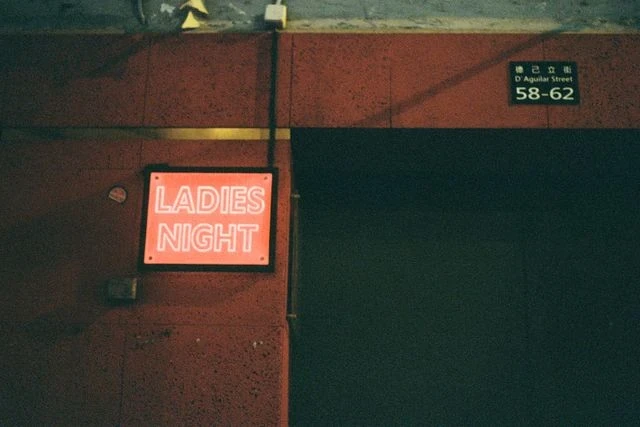
The contemporary urban landscape is undergoing a profound nocturnal renaissance, reshaping how metropolitan centers govern, experience, and protect the hours after sundown. Urban policymakers and progressive venue operators are decisively shifting away from outdated regulatory paradigms, choosing instead to embrace comprehensive harm reduction strategies, inclusive safety protocols, and innovative entertainment paradigms. This evolution reflects deep cultural changes in consumer expectations, prioritizing personal wellness, psychological safety, and diverse recreational formats over traditional, high-risk drinking environments.
As modern cities strive to balance vibrant economic vitality with absolute civic safety, the traditional concept of the nightclub is being thoroughly deconstructed and rebuilt. Stakeholders across the globe recognize that a thriving nocturnal economy must cater to diverse demographics, including those who prefer alcohol-free social spaces or demand rigorous security measures against harassment and discrimination. Through strategic municipal planning, modern governance is elevating nightlife from an unregulated liability into a sophisticated, highly structured pillar of the contemporary creative economy.
On This Page
TL;DR Modern nightlife is undergoing an unprecedented structural transformation, driven by urban policymakers and forward-thinking venue owners who prioritize inclusive safety, wellness, and harm reduction. This comprehensive evolution encompasses the rise of sober clubbing, advanced security protocols, and enlightened late-night governance that successfully balances vibrant economic growth with participant well-being.
Deciphering the Modern Nocturnal Economy
Urban economics has long recognized the financial significance of the after-hours sector, yet traditional governance models frequently treated late-night venues as administrative burdens rather than cultural assets. Today, visionary city planners are deploying sophisticated night-mayor systems and specialized administrative offices to bridge the communicative gap between residents, law enforcement, and business owners. This institutional shift ensures that urban centers remain economically vibrant while simultaneously mitigating noise pollution, public disorder, and anti-social behavior through proactive mediation rather than reactive policing.
Economic resilience within the nighttime sector now depends heavily on diversifying entertainment offerings beyond conventional alcohol-centric models. Venue operators are discovering that modern consumers, particularly younger demographics, place a premium on experiential authenticity, mental well-being, and inclusive social atmospheres. By integrating art installations, live acoustic performances, interactive digital media, and culinary excellence, contemporary venues create multi-sensory environments that attract broader audiences and generate sustainable, diversified revenue streams throughout the week.
Regulatory Frameworks and Urban Governance
Municipal administrations are increasingly adopting progressive regulatory frameworks designed to protect cultural spaces while enforcing stringent safety and operational standards. Rather than imposing blanket curfews or restrictive licensing caps, forward-thinking cities utilize zoning innovations such as cultural entertainment districts that encourage creative density. These regulatory environments foster cooperation between venue owners and local authorities, establishing clear compliance guidelines that safeguard patrons without stifling entrepreneurial creativity or artistic expression.
Enforcement mechanisms have also evolved from punitive measures toward collaborative advisory models where safety officers assist venues in executing crowd management best practices. This transition helps mitigate potential flashpoints before they escalate, ensuring that urban security resources are deployed efficiently and effectively. Furthermore, transparent data-sharing initiatives between municipal agencies and nightlife operators allow for real-time adjustments to public transit schedules, lighting infrastructure, and emergency response deployments across high-density entertainment zones.
The economic impact of these enlightened governance structures cannot be overstated, as they directly correlate with increased investor confidence and prolonged consumer engagement. When patrons feel secure within a regulated yet vibrant ecosystem, average spending per capita rises significantly alongside repeat visits. Consequently, metropolitan regions that champion progressive nocturnal policies consistently outperform their restrictive counterparts in attracting creative class talent, tourism revenue, and sustained cultural prestige.
Consumer Behavioral Shifts and Wellness Integration
Shifting consumer habits represent the primary catalyst behind the reimagining of late-night social spaces, with modern patrons exhibiting a distinct preference for mindful consumption. The rising popularity of wellness-oriented nightlife demonstrates that entertainment and health are no longer mutually exclusive concepts. Venues now regularly feature dedicated chill-out zones, hydration stations, and sophisticated non-alcoholic cocktail menus crafted by master mixologists, ensuring that sober patrons enjoy an equally elevated sensory and social experience.
Physical and psychological safety has similarly transformed from an afterthought into the core selling proposition of elite nocturnal establishments. Comprehensive training programs for security personnel and bar staff now emphasize de-escalation techniques, active bystander intervention, and zero-tolerance policies regarding harassment or discrimination. These proactive measures cultivate an atmosphere of mutual respect and trust, which directly encourages vulnerable demographics to reclaim public spaces and participate fully in the cultural life of the city.
The integration of digital technology further enhances this consumer-centric evolution, with mobile applications providing real-time venue capacity updates, direct distress signaling, and verified reviews concerning safety standards. Patrons can curate their evening itineraries based on verified accessibility, inclusivity metrics, and musical preferences, thereby removing uncertainty from the nocturnal exploration process. This technological empowerment seals a symbiotic relationship between mindful consumers and responsible operators, cementing a sustainable future for the global nightlife industry.
The Rise of Sober Clubbing and Mindful Venues
The paradigm of late-night entertainment is experiencing a radical democratization through the phenomenal global rise of sober clubbing. No longer confined to fringe wellness circles, alcohol-free dance parties and mindful evening gatherings attract massive crowds seeking authentic euphoria without the physiological toll of substance consumption. This cultural shift underscores a deeper societal realization that communal dance, musical immersion, and social connection are intrinsic human needs that do not require chemical enhancement to be fully realized.
Forward-thinking entrepreneurs have capitalized on this demand by establishing permanent venues dedicated exclusively to clean-living nocturnal socialization. These spaces feature world-class sound systems, immersive lighting design, and expert resident DJs, maintaining the exact atmospheric intensity of traditional nightclubs while strictly omitting alcohol sales. By removing intoxicants from the equation, these establishments eliminate common security liabilities, reduce structural overhead, and foster an environment characterized by profound clarity and uninhibited self-expression.
Architectural and Sensory Innovations in Mindful Spaces
Designing an effective sober nightclub requires a specialized architectural approach that stimulates the senses through organic and digital means rather than chemical catalysts. Acoustic engineering takes center stage, ensuring that bass frequencies resonate physically through the body to induce natural states of euphoria and release. Furthermore, biophilic design principles are frequently integrated, incorporating living plant walls, purified air systems, and dynamic circadian lighting that mirrors natural biological rhythms.
Sensory augmentation within these venues extends to culinary arts, where botanical elixirs, adaptogenic tonics, and artisanal teas replace standard bar offerings. These functional beverages are formulated with ingredients like ashwagandha, L-theanine, and CBD to promote relaxation, mental focus, and sustained physical energy throughout the night. Consequently, patrons experience a sophisticated gastronomic journey that complements the auditory landscape without inducing cognitive impairment or next-day fatigue.
The operational success of these mindful venues proves that the core psychological drivers of nightlife culture—belonging, rhythm, and release—transcend the traditional bar model. As urban populations continue to embrace holistic health paradigms, sober clubbing institutions are transitioning from niche novelties into permanent pillars of the metropolitan entertainment ecosystem. This longevity signals a permanent diversification of nocturnal options available to the modern urbanite.
Economic Viability and Demographic Expansion
Sober clubbing models present compelling economic advantages for venue operators, primarily driven by reduced liability insurance costs and minimized security incidents. Without the complications associated with alcohol intoxication, instances of property damage, physical altercations, and medical emergencies plummet toward zero. This operational stability allows venue management to allocate capital away from crisis mitigation and toward enhancing production values, artist bookings, and community outreach programs.
Demographically, these alcohol-free spaces exhibit remarkable inclusivity, successfully drawing crowds that often feel alienated or unsafe within traditional drinking establishments. Older adults, fitness enthusiasts, pregnant individuals, and those in recovery find a welcoming sanctuary where they can participate in vibrant cultural life without compromise. This broad demographic appeal expands the total addressable market for nighttime entertainment, driving consistent midweek attendance and maximizing asset utilization for venue owners.
Municipal governments have begun recognizing the civic value of sober venues, frequently granting them preferential zoning status and streamlined licensing approvals. By actively encouraging the growth of alcohol-free nightlife, cities successfully reduce public policing burdens while fostering a safer, more harmonious urban environment after dark. This regulatory alignment creates a virtuous cycle where economic profitability and public welfare reinforce one another seamlessly.
We Also Published
Advanced Safety Protocols and Harm Reduction Strategies
The implementation of rigorous safety protocols and science-based harm reduction strategies represents the cornerstone of modern nightlife evolution. Progressive venues no longer rely on passive security measures, choosing instead to deploy comprehensive training programs that equip staff to handle medical emergencies, psychological distress, and interpersonal conflict with professional empathy. This proactive posture transforms venues from potential liability zones into sanctuaries of collective care and mutual protection.
Harm reduction initiatives now extend far beyond basic first aid, encompassing specialized drug-checking services, peer-support networks, and designated safe spaces where overwhelmed patrons can recover undisturbed. By collaborating with public health agencies and non-profit organizations, venue operators ensure that patrons have access to accurate health information and immediate professional assistance when needed. This transparent, non-judgmental approach saves lives and builds enduring trust between the venue management and the local community.
Staff Training and Interventional Methodologies
Modern venue staff undergo rigorous professional certification programs that cover active bystander intervention, trauma-informed communication, and rapid de-escalation tactics. Door security personnel are trained to project authority through calm competence rather than aggressive posturing, setting a welcoming yet secure tone from the moment patrons arrive. Bartenders and floor staff act as secondary observers, trained to recognize early signs of over-intoxication, vulnerability, or predatory behavior.
Interventional methodologies are codified into strict internal operating procedures that mandate immediate action whenever a patron expresses discomfort or distress. Safe-word systems at bars allow individuals experiencing harassment to discreetly alert staff without drawing dangerous attention to themselves. These institutional safeguards create a protective perimeter around the entire social experience, ensuring that minor incidents are intercepted and resolved before escalating into serious safety violations.
The quantifiable success of these training regimens has prompted municipal insurance providers to offer premium discounts to venues that maintain certified safety staffs. Consequently, investing in comprehensive human resources development delivers immediate financial dividends alongside profound ethical validation. As industry standards rise, patrons increasingly evaluate venues based on their safety credentials, making rigorous harm reduction a powerful competitive advantage.
Technological Integration in Venue Security
Advanced technology plays an indispensable role in maintaining the security integrity of modern nocturnal establishments without compromising civil liberties. Discreet, high-definition optical surveillance systems equipped with low-light processing capabilities monitor high-density areas to prevent bottlenecks and identify potential physical hazards immediately. Furthermore, encrypted communication networks link all operational staff via wearable earpieces, enabling instantaneous coordination across complex multi-room venues.
Access control systems have similarly evolved, incorporating biometric age verification and digital ticketing platforms that eliminate counterfeit entry and streamline queue management. Some innovative venues utilize silent alarm wearables distributed to vulnerable patrons, allowing them to summon assistance to their exact coordinates within the facility instantaneously. This seamless fusion of digital capability and human vigilance establishes an impenetrable shield around the guest experience.
Data privacy remains a paramount concern during the integration of these security technologies, requiring strict adherence to regulatory frameworks regarding biometric and visual data retention. Forward-thinking venues employ decentralized data storage and automated deletion protocols to ensure that patron privacy is fiercely protected. This ethical commitment to discretion reassures privacy-conscious consumers that enhanced safety does not come at the expense of personal liberty.
Future Trajectories and Global Urban Nightlife Models
As global urbanization accelerates, the strategic management of the nocturnal hours will increasingly define the cultural identity and economic resilience of leading metropolitan centers. Cities that successfully integrate inclusive safety, wellness programming, and progressive regulatory structures will establish themselves as magnetic hubs for creative talent and international tourism. Conversely, municipalities that cling to archaic, punitive restriction models will witness the stagnation and erosion of their vital cultural economies.
The future trajectory points toward deeply interconnected nighttime ecosystems where municipal planners, venue operators, and consumer advocacy groups collaborate continuously via digital platforms to optimize urban safety and cultural vibrancy. Innovations such as autonomous late-night public transit networks, AI-driven crowd density management, and decentralized cultural funding models will become standard across advanced urban economies. This holistic synthesis ensures that the hours after dark remain a dynamic canvas for artistic expression, human connection, and economic prosperity.
International Case Studies in Nocturnal Innovation
Major European capitals such as Berlin, Amsterdam, and London have established international benchmarks for nocturnal governance by appointing official night mayors and establishing dedicated municipal nightlife boards. These entities facilitate constructive dialogue between residential communities and venue owners, preventing gentrification-induced closures and fostering creative longevity. Their success demonstrates that institutional recognition and strategic support are vital for preserving the fragile cultural ecosystems that drive urban nightlife.
In the Asia-Pacific region, cities like Seoul and Tokyo have leveraged advanced digital infrastructure and 24-hour retail integration to create exceptionally secure, highly accessible late-night environments. Their emphasis on comprehensive public transit connectivity ensures that patrons can navigate entertainment districts safely at any hour without relying on private automobiles. These Asian models provide invaluable lessons in urban planning, proving that density and safety can coexist harmoniously when backed by robust public infrastructure.
North American metropolitan areas are rapidly adopting these international best practices, with cities like New York, Los Angeles, and Chicago establishing specialized offices of nightlife to spearhead regulatory reform. By tailoring their approaches to local demographic realities, these cities are successfully revitalizing post-pandemic downtown cores and supporting independent venue operators. This global cross-pollination of ideas guarantees an era of continuous improvement and creative renaissance for the worldwide after-dark economy.
The Economic Imperative of Sustainable Nocturnal Planning
Sustainable nocturnal planning is no longer viewed as a supplementary municipal concern but as a fundamental economic imperative for modern cities seeking to retain competitive advantages. A vibrant, well-regulated nightlife sector generates significant tax revenues, supports thousands of service and creative sector jobs, and enhances the overall desirability of the urban brand. Consequently, municipal investment in late-night infrastructure yields exceptionally high multipliers across the broader local economy.
Looking ahead, financial models supporting nightlife will likely incorporate environmental sustainability metrics, encouraging venues to achieve carbon neutrality, eliminate single-use plastics, and implement advanced waste-recycling systems. Eco-conscious consumers increasingly demand environmental responsibility from their preferred entertainment destinations, aligning planetary health with personal wellness. Venues that embrace these green mandates will secure long-term consumer loyalty and regulatory favor in an increasingly eco-conscious global marketplace.
Ultimately, the ongoing evolution of nightlife represents a profound cultural maturation, successfully merging the primal human desire for communal celebration with the sophisticated demands of safety, health, and urban equity. As cities continue to refine these progressive frameworks, the hours after dark will shine brighter than ever as beacons of inclusive community, artistic innovation, and sustainable economic vitality.
From our network :
- How AI Agents Will Change the Way We Manage Personal FinancesExplore how AI agents are transforming personal finance through automated budgeting, bill payment, and investment management, while examining the critical security protocols and governance frameworks required for safe deployment.
- Analyzing Hoya Corporation’s Midday Volume Shifts and Financial FundamentalsExamine Hoya Corporation’s midday trading volume contraction, technical moving averages, robust solvency ratios, and stellar quarterly earnings performance.
- Committed Mediterranean Precipitation Decline: Why Emissions Cuts Alone Cannot Restore Winter RainsNew NOAA research reveals that Mediterranean winter rains may decline irreversibly even with emissions cuts. Explore the science of committed climate change and regional impacts.
- The Hidden Cost of AI Convenience: Why Over-Permissioned Agents Are a Security Time BombDiscover why AI agents with excessive permissions create dangerous single points of failure, and learn how implementing least privilege principles can protect your organization from exploitation.
- CISA’s Ten-Advisory Wave: Why Generic Patching Fails in OT and How to Build Product-Specific PlaybooksCISA released ten ICS advisories in one week, exposing critical infrastructure risks. Generic patching fails in OT. Learn to build product-specific remediation playbooks.
- Norbert’s Uncertain Path: Why Hawaii’s Storm Watch Demands Patience Over PanicTropical Storm Norbert strengthens in the Eastern Pacific with winds near 50 mph, forecast to reach Category 1 hurricane status by Friday. Long-range models disagree sharply on whether Hawaii faces any threat around September 19–23, making official guidance essential.
- The Final Descent: How ESA Retired the Legendary Cluster Constellation After 24 Years of Space Weather ScienceAfter 24 years mapping Earth’s magnetosphere, ESA’s Cluster mission concluded with a precisely controlled reentry over the South Pacific. This analysis explores the scientific legacy, engineering decisions, and debris mitigation principles behind one of space exploration’s most responsible retirements.
- Former Soap Stars Embark on Ambitious Writing Projects and Theatrical StagesDiscover how former soap opera actors are transitioning into independent scriptwriting and high-profile theatrical stage productions.
- Forbidden Matrix Patterns and Visible Lattice Points: A Geometric DictionaryExplore how multidimensional 0–1 matrices encode geometric truths, linking forbidden patterns to visible lattice points and hypergraph theory, with applications in combinatorics and computational geometry.
RESOURCES
- Safe Spaces Series: A Focus on Mental Health in Nightlife - Spotifyopen.spotify.com... evolution of his 15+ year journey through the city's club ecosystem. He ... nightlife and what makes a party actually work. Steven breaks…
- About Us - The Miracles Clubmiraclesclub.org... sober environment to sustain the African American Community has evolved into today's Miracles Club. ... safe spaces for marginalized, historically ...
- As new generations embrace a variety of gathering spaces—from ...facebook.comJun 27, 2026 ... As new generations embrace a variety of gathering spaces—from drag brunches to themed events—traditional gay bars are evolving.
- The Miracles Clubmiraclesclub.orgThe Miracles Club is a Black, Peer led, Recovery Center, committed to providing safe spaces for marginalized, historically oppressed racial and ethnic groups.
- Social Drinking Groups and Risk Experience in Nightclubs - PMCpmc.ncbi.nlm.nih.govOct 20, 2017 ... Club safety (mean and discrepancy). Participants were asked their assessment of the club as a safe space at both entry…
- #13 Deeper Into Outer Space | DJ Bus Replacement Servicejimottewill.substack.comJan 19, 2024 ... ... clubbing scene and share their thoughts on how it has evolved over the years. ... The most prominent clubbing/nightlife…
- Sobriety, recovery & culture - Hazelden Betty Ford Foundationhazeldenbettyford.medium.comJul 25, 2023 ... ... safe, sober space unto itself. Like 'Oksoberfest', for example ... Thank you for the acknowledgement of my work in…
- Gen Z's "Soft Clubbing" Proves the Party Isn't Over, It's Evolvingeventbrite.comThe New Nightlife: Gen Z's “Soft Clubbing” Proves the Party Isn't Over, It's Evolving · Beyond Sober-Curious: The Cultural Forces Behind Soft Clubbing's Rise.
- LGBTQ+ alcohol-free spaces | Drinkawaredrinkaware.co.ukFeb 26, 2025 ... Historically, the LGBTQ+ community gravitated towards bars and clubs not only for socialising but also for safety. These venues provided ...
- Why do people stop going to clubs as they get older? And ... - Redditreddit.comDec 12, 2023 ... - Sober spaces / bars that prominently feature "mocktails" ... safe space for drugs/drink, loud music. I personally placed music…
- 01
- 02
- 03
- 04
- 05
- 06
- 07
- 08
0 Comments