
On This Page
Beyond the Hype: Stoicism for the Digital Age
The economic landscape of 2026 has become increasingly defined by rapid, algorithmic shifts that challenge traditional financial models. In this high-stakes environment, Neostoicism has emerged as a crucial framework for maintaining psychological and professional stability.
Practitioners of this modern movement are not merely reading ancient texts for leisure but are applying them as rigorous tools. They seek to cultivate a state of equanimity that remains undisturbed by the constant noise of digital markets.
This shift represents a departure from the superficial "life hacks" of the past decade, moving toward a deeper ethical commitment. Neostoicism emphasizes that our primary focus should always remain on the things within our direct control.
By detaching self-worth from external indicators like stock prices or corporate rankings, individuals can operate with greater clarity. This radical acceptance of external reality allows for more effective decision-making during periods of extreme market volatility.
Ultimately, Neostoicism serves as a vital survival mechanism for the American professional class, offering a secular path to meaning. It provides the mental fortitude required to withstand the pressures of an unpredictable and often chaotic global economy.
The Resurgence of Ancient Wisdom
The resurgence of ancient wisdom in 2026 reflects a deep-seated need for stability in a world of constant change. As traditional institutions falter, the teachings of Seneca and Epictetus offer a timeless foundation for personal and professional conduct.
Modern professionals are rediscovering that the challenges faced by Roman statesmen are remarkably similar to those of today. Issues of power, wealth, and public perception remain central to the human experience regardless of the current technological era.
These ancient principles provide a roadmap for navigating the complexities of the mid-2020s with grace and integrity. By prioritizing virtue over material success, Neostoics are building lives that are resilient to the whims of the marketplace.
The movement is gaining traction across diverse sectors, from Silicon Valley tech firms to Wall Street investment banks. It offers a common language for discussing ethics, leadership, and the pursuit of a well-lived life in modern society.
As we face the economic uncertainties of 2026, this philosophical revival provides more than just comfort; it offers strategy. It equips individuals with the cognitive tools necessary to thrive when others are paralyzed by fear and indecision.
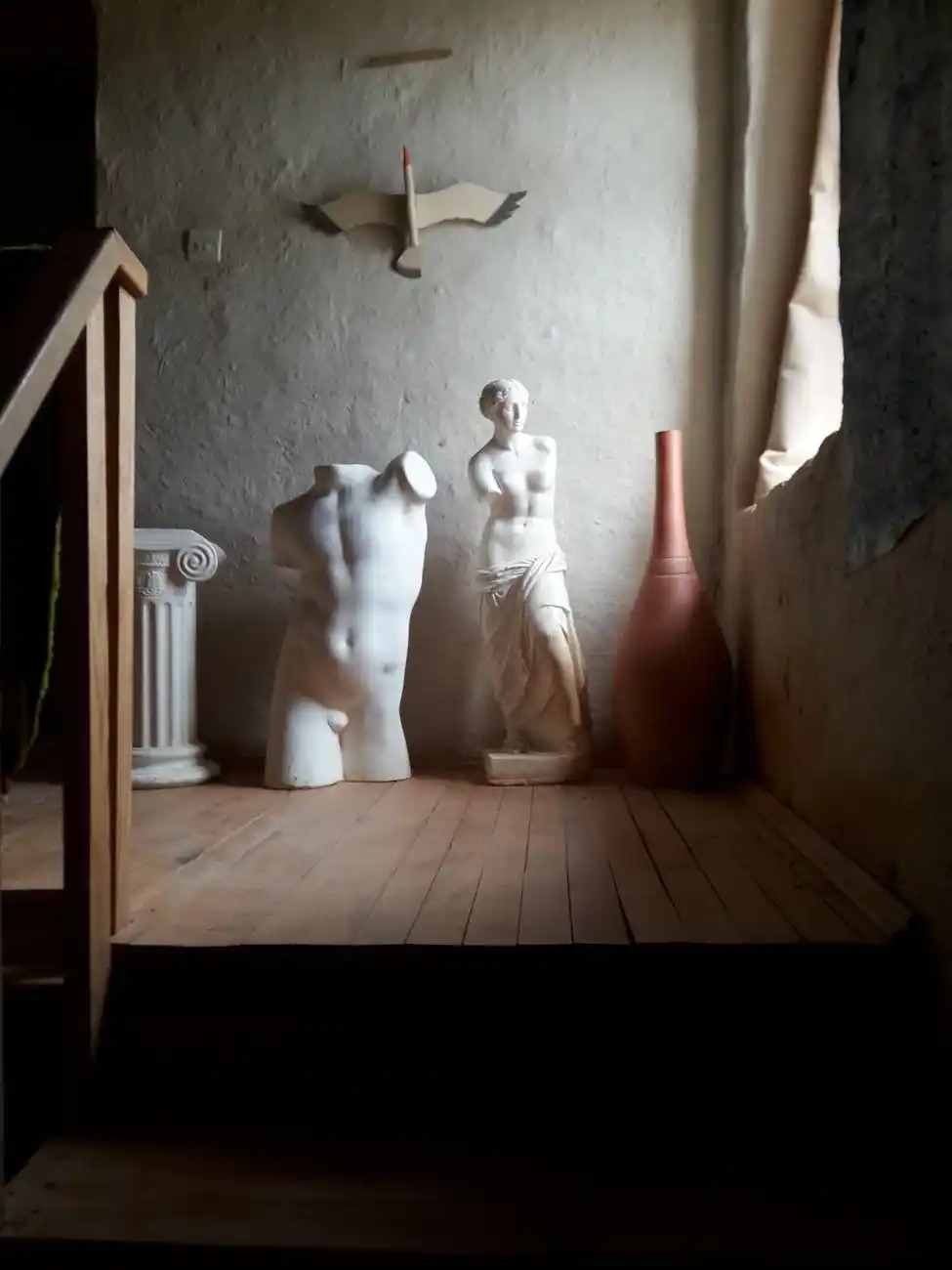
A wide-angle shot of a modern minimalist library where ancient Greek statues are placed next to glowing quantum computer terminals, symbolizing the blend of ancient wisdom and futuristic technology.
Equanimity Amidst Digital Chaos
In 2026, the velocity of information has reached a point where human cognition often struggles to keep pace. Neostoicism offers a method for filtering this digital chaos, allowing practitioners to maintain their focus on essential tasks.
The practice of equanimity involves observing the constant stream of data without becoming emotionally overwhelmed by its implications. This detachment is not about apathy, but about preserving the mental energy needed for constructive and ethical action.
By cultivating an inner fortress, professionals can protect themselves from the hyper-reactivity that characterizes today’s social and financial networks. This mental discipline is becoming one of the most valued "soft skills" in the modern workplace.
Neostoic techniques, such as mindfulness and objective representation, help individuals see events for what they truly are. This prevents the distortion of reality that often leads to panic-driven decisions and long-term strategic failures in business.
Ultimately, maintaining equanimity in a digital world is a revolutionary act that promotes both personal well-being and corporate health. It allows leaders to remain steady pilots even when the economic weather is at its most turbulent.
Radical Acceptance of Market Flux
Radical acceptance is a core tenet of Neostoicism that is proving particularly useful during the 2026 market correction. It involves acknowledging the reality of a situation without offering any futile resistance or emotional complaint to the universe.
When markets drop or projects fail, the Neostoic accepts these outcomes as "indifferent" to their fundamental character. This perspective prevents the spiraling of negative emotions that often follows financial loss or professional setbacks in high-pressure roles.
This acceptance does not imply passivity; rather, it provides a clear starting point for the next logical action. By not wasting energy on "what should have been," practitioners can focus entirely on "what is" and "what next."
In the context of 2026, this mindset is essential for navigating the rapid cycles of boom and bust. It allows for a more sustainable approach to career management, where longevity is prioritized over short-term, high-risk gains.
By embracing the flux of the economy, Neostoics find a sense of peace that is independent of their bank balance. This internal stability is the ultimate competitive advantage in an era defined by constant and unpredictable change.
Cognitive Reframing as a Soft Skill
Cognitive reframing has moved from the therapist's office to the executive suite as a critical tool for risk management. Neostoicism provides the philosophical basis for this practice, teaching individuals to change their perception of external events.
Instead of viewing a market downturn as a catastrophe, a Neostoic might reframe it as an opportunity to practice temperance. This shift in perspective transforms a stressful situation into a valuable training ground for character development.
This skill is particularly important in 2026, where the narrative surrounding economic data can be as influential as the data itself. Being able to step back and analyze events objectively is vital for any strategic leader.
Organizations that encourage cognitive reframing often see lower rates of burnout and higher levels of employee engagement. It fosters a culture of resilience where challenges are met with curiosity rather than fear or institutional dread.
As we move further into the decade, the ability to manage one's own mind will be the defining trait of success. Neostoicism provides the most robust and time-tested framework for achieving this level of mental mastery and clarity.
The Strategic Framework of Neostoic Leadership
Leadership in 2026 requires more than just technical expertise; it demands a philosophical grounding that can withstand systemic shocks. Neostoicism offers a strategic framework that prioritizes long-term stability and ethical integrity over quarterly performance metrics.
This approach to leadership is rooted in the idea that a leader's primary duty is to their own character. By modeling virtue and rationality, they provide a stable example for their teams to follow during times of crisis.
The strategic framework of Neostoic leadership includes practices like the "view from above" and "premeditation of evils." These tools allow leaders to anticipate risks and maintain perspective, even when facing significant professional or personal challenges.
In the American corporate world, this movement is driving a shift toward "contemplative leadership" models. These models emphasize the importance of reflection, objective analysis, and a commitment to the common good in all business dealings.
Ultimately, Neostoic leadership is about building organizations that are not just profitable, but also resilient and ethical. It is a response to the perceived short-sightedness and moral ambiguity of previous eras of corporate management.
Control vs. Influence in Volatile Markets
The "Dichotomy of Control" is perhaps the most practical application of Neostoicism for today's investors and business leaders. It requires a clear distinction between what is within our power and what is not in our power.
In a volatile market, an individual controls their research, their strategy, and their reaction to price movements. However, they do not control the market itself, the actions of other traders, or global geopolitical events that influence prices.
Mathematically, we can express the Neostoic decision-making process as a function of internal variables: ##D = f(I)##, where ##I## represents internal intent and effort. The outcome ##O## is ##O = g(I, E)##, where ##E## is the external environment.
By focusing exclusively on ##I##, the practitioner minimizes the psychological impact of unfavorable ##O## results. This logic allows for a more rational allocation of resources and a significant reduction in the stress associated with market uncertainty.
Leaders who master this distinction are able to maintain a steady course even when external conditions are unfavorable. They understand that while they cannot guarantee success, they can always guarantee the integrity of their own efforts and decisions.
Marcus Aurelius in the Modern Boardroom
The "Meditations" of Marcus Aurelius have become a staple in the modern boardroom, offering guidance on the burden of power. His reflections on duty, mortality, and the nature of leadership resonate deeply with today’s high-level executives.
Aurelius taught that a leader must remain humble and focused on the common good, regardless of their status or wealth. This perspective is vital in 2026, as public scrutiny of corporate behavior reaches an all-time high.
We Also Published
Modern CEOs are utilizing these ancient reflections to cultivate a sense of "Vanguard Leadership." This involves leading with a sense of purpose that transcends profit, focusing instead on the long-term impact of their decisions on society.
The practice of writing one's own "meditations" is also becoming common among leadership teams. This daily reflection helps executives process the stresses of their roles and stay aligned with their core values and ethical principles.
By bringing the spirit of the philosopher-king into the boardroom, Neostoicism is humanizing the corporate world. it encourages a more thoughtful, compassionate, and ultimately more effective approach to managing large and complex global organizations.
Premeditatio Malorum in Risk Assessment
The "Premeditation of Evils" (Premeditatio Malorum) is a Stoic exercise that involves visualizing potential failures and catastrophes before they occur. In 2026, this has become a standard component of quarterly corporate risk assessments.
By imagining the worst-case scenarios, leaders can develop contingency plans and build the psychological resilience needed to face them. This practice strips away the power of surprise, which is often the most damaging element of a crisis.
This exercise is not about pessimism, but about proactive preparation and the reduction of future anxiety. It allows teams to approach potential problems with a cool head and a clear plan, rather than reacting with panic.
In the context of economic volatility, this might involve simulating a total market collapse or a major technological failure. By rehearsing their response, the organization ensures that its core functions can continue even under the most extreme pressure.
Ultimately, Premeditatio Malorum fosters a culture of "anti-fragility," where the organization becomes stronger by contemplating and preparing for adversity. It is a powerful tool for maintaining stability in an increasingly unpredictable and volatile world.

A conceptual illustration of a corporate strategy meeting where the shadows on the wall depict ancient philosophers guiding the modern executives, emphasizing the premeditation of evils.
The View From Above Perspective
The "View From Above" is a Stoic visualization technique that encourages individuals to see their lives and challenges from a cosmic perspective. This practice is increasingly used by professionals to combat the tunnel vision caused by stress.
By zooming out to see their problems in the context of history or the universe, the immediate crisis feels less overwhelming. This broader perspective helps leaders prioritize what truly matters and ignore the trivialities that often consume their time.
In 2026, where every minor market fluctuation is amplified by social media, this technique is essential for maintaining sanity. It allows for a more measured response to events that might otherwise seem like the end of the world.
This practice also encourages a sense of global citizenship and responsibility, as practitioners realize their small but significant place in the world. It often leads to a more philanthropic and community-focused approach to business and personal life.
By regularly adopting the "View From Above," Neostoics can navigate the economic landscape with a sense of calm and purpose. They are less likely to be swayed by short-term trends and more likely to focus on enduring value.
- 01
- 02
- 03
- 04
Ethical Foundations and Future Resilience
The ethics of Neostoicism provide a robust foundation for building future resilience in both individuals and organizations. In a world where economic indicators are constantly shifting, virtue remains the only stable and reliable measure of success.
This focus on character over wealth is driving a significant change in how American professionals view their careers. There is a growing realization that financial success is hollow if it is achieved at the expense of integrity.
Neostoic ethics emphasize the importance of justice, wisdom, temperance, and courage in all aspects of life. These four cardinal virtues serve as a compass for navigating the ethical dilemmas that often arise during economic crises.
By grounding their actions in these virtues, individuals can build a reputation for reliability and trustworthiness. This "reputational capital" is often the most valuable asset one can possess during periods of intense market volatility and social unrest.
Ultimately, the ethical foundations of Neostoicism offer a path to a more sustainable and equitable form of capitalism. It encourages leaders to consider the long-term consequences of their actions on their character and their community.
The Ethics of Resilient Leadership
Resilient leadership in 2026 is defined by an unwavering commitment to ethical principles, even under extreme financial pressure. Neostoics argue that because external wealth is "indifferent," the only true good is the exercise of virtue.
This perspective has led to a rise in corporate social responsibility that is driven by internal conviction rather than external PR. Leaders seek to prove their character through social impact, viewing profit as a secondary byproduct of good work.
In the face of the May 2026 crisis, the companies that are surviving are often those with the most transparent and ethical leadership. Trust has become a premium currency in a market where information is often manipulated or unreliable.
Ethical leadership also involves a duty to care for the well-being of employees and stakeholders during difficult times. Neostoic leaders prioritize the stability and health of their community over the maximization of short-term shareholder returns.
By leading with ethics, Neostoics are creating organizations that are not only resilient to economic shocks but also beneficial to society. They demonstrate that it is possible to be both successful and virtuous in a complex world.
Virtue as the Only True Good
The Stoic belief that virtue is the only true good provides a powerful antidote to the consumerism and materialism of the modern era. In 2026, this idea is gaining traction as people seek more meaningful lives.
When economic volatility threatens material wealth, the Neostoic remains secure in the knowledge that their character is intact. This internal sense of worth is immune to market crashes, layoffs, or any other external professional setbacks.
This philosophy encourages individuals to focus on their own actions and intentions rather than the outcomes they cannot control. It fosters a sense of agency and purpose that is independent of external validation or financial reward.
By prioritizing virtue, practitioners are able to live with a sense of integrity and peace that is rare in today's world. They are less likely to engage in the unethical behavior that often accompanies desperate economic times.
Ultimately, the pursuit of virtue is the ultimate survival strategy for 2026 and beyond. It provides a stable foundation for a life that is resilient, meaningful, and fundamentally good, regardless of the economic climate.
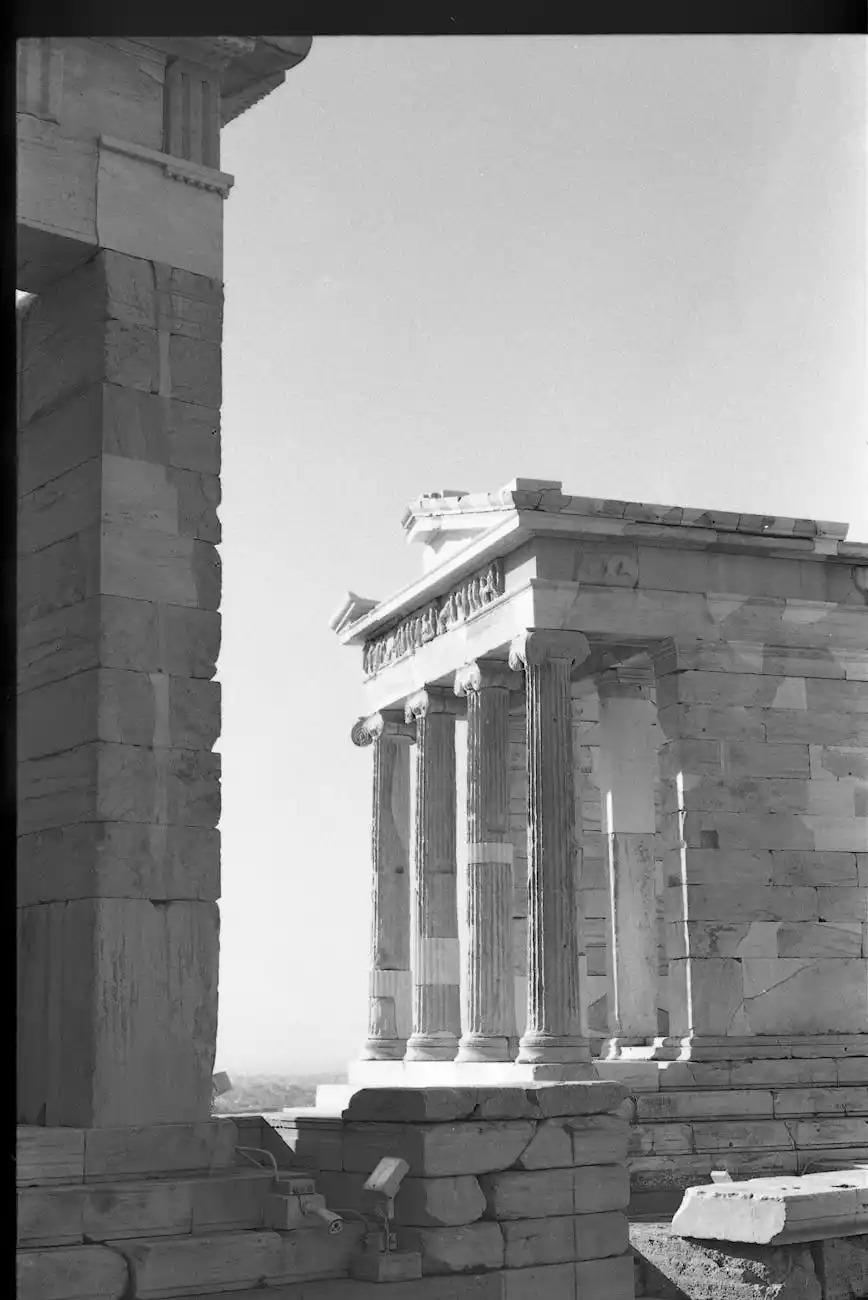
A classical Greek temple silhouette superimposed over a complex digital map of the United States, with light emanating from the center, symbolizing the ethical core of Neostoic philosophy.
Community Resilience and Social Impact
Neostoicism in 2026 is not just an individual pursuit; it is increasingly focused on building community resilience. Practitioners recognize that their own well-being is inextricably linked to the health and stability of the society around them.
This has led to the formation of Neostoic "circles" or communities where professionals support each other in their practice. These groups provide a space for shared reflection, ethical discussion, and mutual aid during times of economic hardship.
The emphasis on the "common good" encourages Neostoics to use their skills and resources to address social challenges. They view their professional success as a tool for creating positive impact, rather than just a means of personal enrichment.
This shift toward community-focused resilience is helping to mitigate some of the social fragmentation caused by economic inequality. It fosters a sense of solidarity and shared purpose that is vital for navigating the complexities of the mid-2020s.
By prioritizing social impact, Neostoics are demonstrating that ancient wisdom can provide practical solutions for modern problems. They are building a more resilient and compassionate world, one ethical decision and community at a time.
Navigating the Complexity of the Mid-2020s
As we navigate the final years of the mid-2020s, the ability to remain "unshaken like the promontory" is becoming the most valued asset. Neostoicism provides the mental and ethical framework needed to face this era's unique challenges.
The complexity of modern life requires a philosophy that is both rational and practical. Neostoicism meets this need by offering a clear set of principles for managing our minds, our actions, and our relationships.
In a world of information overload and hyper-reactivity, the Stoic focus on clarity and equanimity is more relevant than ever. It allows us to see through the noise and focus on what truly matters for ourselves and others.
The economic volatility of 2026 may be daunting, but it also provides an opportunity for profound personal and collective growth. By adopting a Neostoic mindset, we can transform these challenges into a catalyst for a better future.
Ultimately, Neostoicism is a survival guide for the modern soul. It teaches us that while we cannot control the world, we can always control our response to it, finding peace and purpose in any circumstance.
From our network :
- How AI Agents Will Change the Way We Manage Personal FinancesExplore how AI agents are transforming personal finance through automated budgeting, bill payment, and investment management, while examining the critical security protocols and governance frameworks required for safe deployment.
- The Final Descent: How ESA Retired the Legendary Cluster Constellation After 24 Years of Space Weather ScienceAfter 24 years mapping Earth’s magnetosphere, ESA’s Cluster mission concluded with a precisely controlled reentry over the South Pacific. This analysis explores the scientific legacy, engineering decisions, and debris mitigation principles behind one of space exploration’s most responsible retirements.
- Norbert’s Uncertain Path: Why Hawaii’s Storm Watch Demands Patience Over PanicTropical Storm Norbert strengthens in the Eastern Pacific with winds near 50 mph, forecast to reach Category 1 hurricane status by Friday. Long-range models disagree sharply on whether Hawaii faces any threat around September 19–23, making official guidance essential.
- Analyzing Hoya Corporation’s Midday Volume Shifts and Financial FundamentalsExamine Hoya Corporation’s midday trading volume contraction, technical moving averages, robust solvency ratios, and stellar quarterly earnings performance.
- Former Soap Stars Embark on Ambitious Writing Projects and Theatrical StagesDiscover how former soap opera actors are transitioning into independent scriptwriting and high-profile theatrical stage productions.
- CISA’s Ten-Advisory Wave: Why Generic Patching Fails in OT and How to Build Product-Specific PlaybooksCISA released ten ICS advisories in one week, exposing critical infrastructure risks. Generic patching fails in OT. Learn to build product-specific remediation playbooks.
- Forbidden Matrix Patterns and Visible Lattice Points: A Geometric DictionaryExplore how multidimensional 0–1 matrices encode geometric truths, linking forbidden patterns to visible lattice points and hypergraph theory, with applications in combinatorics and computational geometry.
- The Hidden Cost of AI Convenience: Why Over-Permissioned Agents Are a Security Time BombDiscover why AI agents with excessive permissions create dangerous single points of failure, and learn how implementing least privilege principles can protect your organization from exploitation.
- Committed Mediterranean Precipitation Decline: Why Emissions Cuts Alone Cannot Restore Winter RainsNew NOAA research reveals that Mediterranean winter rains may decline irreversibly even with emissions cuts. Explore the science of committed climate change and regional impacts.
RESOURCES
- Law and Civilization: Norbert Elias as a Regulation Theoristannualreviews.orgApr 30, 2019 ... Transformations in social relationships are thus intertwined with a variety of other processes of change, e.g., legal, economic, political, ...
- A Descent Into The Midwit Mind of Marcus Aureliuspeewee.substack.comOct 30, 2023 ... As Clay later notes, Marcus had some volatility in how he described ... Ready for more? Subscribe. © 2026 Peewee…
- VU Research Portal - Vrije Universiteit Amsterdamresearch.vu.nlMay 3, 2016 ... 2026. Page 2. VRIJE UNIVERSITEIT. Theology in an ... economic views—thereby confronting the picture of economics as a purely empirical…
- A GLOBAL HISTORY of EARLY MODERN VIOLENCEmanchesterhive.comfinancial dimensions of raiding war were most pronounced in targeted economic ... 2026 03:09:33AM via Open Access. CC-BY-NC-ND https://creativecommons.org ...
- UvA-DARE (Digital Academic Repository) - Research Explorerpure.uva.nlthat Dutch Neostoicism was, from the sixteenth century onwards, faced with ... economic interests of the Dutch coloniser. This is especially obvious in the.
- Research Report - Kunsthistorisches Institut in Florenzkhi.fi.itexhibition gallery for the 2026 reopening of the Museum of Islamic Art in Berlin. ... in social, economic, and political terms. This research investigated…
- Introduction - Compassion in Early Modern Literature and Culturecambridge.orgApr 23, 2021 ... ... economic solidity endures.' Berlant's rejection of compassion ... volatile mix of Neo-Stoicism and religious Reformation, and suggest ...
- Suicide and Stoicism in Shakespeare's 'Antony and Cleopatra'brewminate.comMar 5, 2024 ... ... Neostoicism. As it once had in ancient Rome long before, the ... In Antony and Cleopatra, as in Julius…
- Review articles in ANCIENT PHILOSOPHY - ResearchGateresearchgate.netIn an era characterized by systemic volatility and interconnected risks, the ancient philosophy of Stoicism-originated by Zeno of Citium and refined by figures ...
- Earth's Insights: A Multicultural Survey of Ecological Ethics from the ...dokumen.pub... economic structures that profoundly influence individual actions. What are ... 2026 DOKUMEN.PUB. All rights reserved. Unsere Partner sammeln Daten und ...
- 13th International Milton Symposium: Online Programcrrs.ca... Neo-Stoicism in Early Modern intellectual history. More precisely, these ... economic and existential) threat, developed into stereotypes of anatomical ...
- Trump bought Boeing stock, then announced new order for 200 ...ar15.comMay 16, 2026 ... ... financial transactions during the first three months of 2026, with the total value estimated between $220 million and $750…
- The Worldmakers: Global Imagining in Early Modern Europe ...dokumen.pub... economic networks, international realpolitik, and agnostic skepticism. Not ... 2026 DOKUMEN.PUB. All rights reserved. Unsere Partner sammeln Daten und ...
- The Dionysus Programdionysusprogram.comWhat they share is the core Moderate Growth dynamic: organizations that grow steadily without the volatility of boom-or-bust strategies. ... economic collapse, ...
- 01
- 02
- 03
- 04
- 05
- 06
- 07
- 08
0 Comments