On This Page
AI-Powered Style Discovery: The New Shopping Reality at Amazon's 18th WRS
The arrival of May 28, 2026, signaled a transformative chapter for the Indian retail landscape as Amazon Fashion kicked off its eighteenth Wardrobe Refresh Sale. This event was not just another seasonal discount period.
Instead, it showcased the full integration of artificial intelligence into the consumer journey, moving away from static grids toward dynamic interactions. The primary catalyst for this change was the introduction of a sophisticated AI assistant.
Known as Rufus, this digital stylist has fundamentally altered how shoppers interact with the platform’s massive inventory of over four lakh styles. Consumers no longer need to spend hours scrolling through endless product pages.
By engaging in natural language conversations, users can now find exactly what they need based on specific moods, occasions, or aesthetic preferences. This represents a significant leap from the traditional keyword-based search mechanisms.
The result is a more intuitive and satisfying experience that aligns with the fast-paced lifestyle of modern Indian urbanites. Amazon has successfully bridged the gap between high-tech innovation and everyday consumer convenience.
Meet Rufus: Your New Personal AI Stylist
Rufus stands at the forefront of the retail revolution, acting as a bridge between complex data algorithms and human-centric shopping needs. It understands context, fashion terminology, and even subtle regional style nuances.
When a user asks for "minimal jewelry for a summer wedding in Jaipur," Rufus doesn't just show jewelry. It curates a selection that considers the heat, the occasion, and the specific cultural aesthetic.
This level of precision is achieved through advanced Natural Language Processing and deep learning models that analyze millions of data points. The AI evolves with every interaction, learning the unique tastes of each user.
Consequently, the shopping experience feels deeply personal, almost like having a professional stylist available twenty-four hours a day. This technology democratizes luxury fashion advice, making it accessible to every smartphone user in India.
Retailers are finding that this conversational approach significantly increases engagement times. Shoppers are more likely to explore new categories when guided by an intelligent assistant that understands their specific style DNA and budget.
The Transparency Revolution in Price Tracking
One of the most impactful features introduced alongside Rufus is the transparent 90-day price history tracker. In the price-sensitive Indian market, this tool has become an essential asset for building long-term consumer trust.
Shoppers can now see exactly how the price of an item has fluctuated over the past three months. This transparency ensures that discounts offered during major sales events like the WRS are genuine.
By providing this data, Amazon empowers consumers to make informed decisions rather than impulsive purchases based on perceived savings. This honesty fosters a sense of loyalty that transcends mere transactional relationships between platforms.
The psychological impact of price transparency cannot be overstated, as it eliminates the skepticism often associated with online sales. Users feel more confident spending their hard-earned money when they have data-backed proof of value.
Ultimately, this feature sets a new industry standard for integrity in e-commerce. Other players in the Indian market are now forced to adopt similar levels of transparency to remain competitive in the eyes.
Navigating Over 4 Lakh Styles Effortlessly
Managing a catalog of over four hundred thousand styles is a Herculean task for any digital interface. Traditional filtering systems often fail when the volume of choices becomes overwhelming for the average human brain.
AI-powered discovery solves this by acting as a sophisticated filter that operates on intent rather than just categories. It sifts through the noise to present only the most relevant options to the shopper.
This efficiency is critical for maintaining high conversion rates in a crowded marketplace. When shoppers find what they want quickly, they are less likely to experience decision fatigue or abandon their digital carts.
The AI also identifies complementary items, suggesting a complete look rather than just a single garment. This holistic approach to fashion discovery encourages cross-category shopping and increases the average order value for retailers.
By simplifying the navigation process, Amazon has made it possible for smaller, niche brands to gain visibility. These brands no longer get lost in the bottom pages of a traditional search result list.
Bridging the Gap for Premium Fashion Access
Premium and luxury fashion segments have traditionally been perceived as intimidating or inaccessible for many Indian shoppers. AI discovery tools are changing this perception by introducing these segments through personalized, non-intimidating recommendations.
Rufus can explain the value proposition of a premium brand, highlighting fabric quality or craftsmanship in a conversational manner. This education-led approach helps justify higher price points to a value-conscious Indian audience.
Furthermore, the AI can suggest premium alternatives that fit a user’s established aesthetic, gently nudging them toward higher-end purchases. This strategy has proven effective in expanding the market share of luxury labels in India.
The integration of flexible payment options and AI-driven sizing guides further lowers the barrier to entry. Shoppers are more willing to invest in expensive items when they are confident about the fit and quality.
As a result, the 2026 retail shift is characterized by a significant uptick in premium consumption across Tier-1 and Tier-2 cities. High fashion is no longer reserved for the elite few in metropolitan areas.
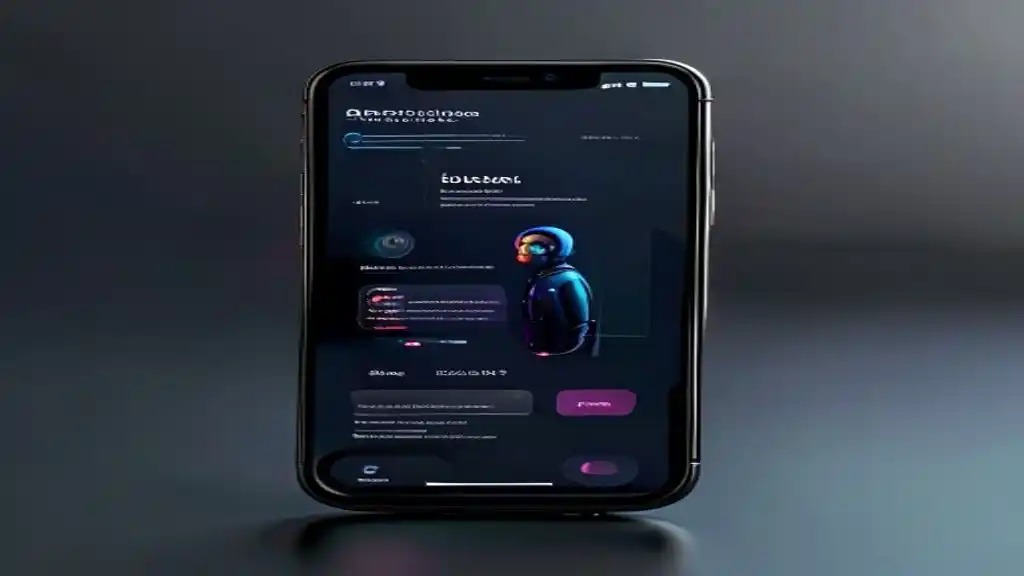
A sleek, modern smartphone displaying a conversational AI interface named Rufus, showing a curated collection of Indian ethnic wear with price history charts and personalized style tags.
Scale and Speed: Myntra EORS Unlocks 6 Million Styles for 2026
While Amazon focused on conversational depth, Myntra launched its twenty-fourth edition of the End of Reason Sale with a focus on unprecedented scale. Offering over six million styles, the event set new records.
This massive inventory serves as a testament to the growth of India’s e-lifestyle ecosystem. Myntra has positioned itself as the primary destination for trend-first consumers who demand variety and the latest global fashions.
The scale of the 2026 EORS is supported by a robust logistical network capable of delivering to the farthest corners of the country. Speed has become a non-negotiable factor in the modern retail experience.
By leveraging predictive logistics, Myntra ensures that even during peak sale periods, delivery times remain impressively short. This operational excellence is what allows the platform to maintain its leadership in the fashion segment.
The sale also serves as a critical launchpad for thousands of local and international brands. It creates a massive surge in demand that sustains the fashion industry’s supply chain throughout the entire summer season.
The Hyper-Personalized Shopping Future
The sheer volume of six million styles would be impossible to navigate without the help of hyper-personalization. Myntra uses predictive analytics to create a "store of one" for every single user on the platform.
This means that two people opening the Myntra app at the same time will see completely different homepages. The algorithms prioritize items based on past browsing history, purchase patterns, and even social media trends.
This level of personalization ensures that the most relevant trends are always front and center. It reduces the time spent searching and increases the joy of discovery, making shopping a form of digital entertainment.
Furthermore, the AI can predict future needs, such as suggesting rainwear just before the monsoon season begins in a specific region. This proactive approach to retail creates a seamless link between consumer needs and products.
The mathematical model for this personalization can be expressed as a function of user behavior and real-time trends, ensuring the relevance of every product recommendation displayed on the user's mobile screen.
Democratizing Trend-First Fashion Across Tiers
One of the most significant achievements of the 2026 retail shift is the democratization of fashion. Residents of Tier-2 and Tier-3 cities now have access to the same trends as those in Mumbai.
AI-driven discovery tools play a crucial role here by identifying rising trends in smaller towns and tailoring the inventory accordingly. This ensures that localized preferences are not ignored in favor of metropolitan tastes.
The availability of VIP access and early-bird specials for loyal customers across all geographies has leveled the playing field. Everyone gets a fair chance to grab the best deals on high-demand fashion items.
This geographic expansion is a major growth driver for the Indian e-commerce sector. As internet penetration increases, the demand for trendy, affordable fashion continues to skyrocket in previously underserved regions of the country.
Myntra’s ability to cater to this diverse audience is what makes the EORS a national phenomenon. It is no longer just a sale; it is a cultural event that defines the season’s fashion trends.
We Also Published
Logistics and the 48-Hour Delivery Promise
In the world of 2026 retail, a great shopping experience ends with a fast delivery. Myntra’s commitment to a 48-hour delivery window across major urban centers is a feat of modern supply chain engineering.
This is made possible by AI-powered demand forecasting, which allows the platform to pre-stock popular items in regional warehouses. The system predicts what will sell before the customer even places an order today.
The integration of automated sorting and drone-assisted last-mile delivery in certain zones has further reduced transit times. Efficiency at this scale is necessary to handle the millions of orders generated during the EORS.
Speed is particularly important for Gen Z consumers, who value instant gratification. A delay of even a few days can lead to order cancellations or a loss of interest in the purchased fashion items.
By mastering the logistics of speed, Myntra has created a competitive moat that is difficult for smaller players to cross. Reliability in delivery is just as important as the quality of the products.
Empowering 15,000 Emerging Indian Brands
The 2026 EORS is not just about global giants; it is a vital platform for over fifteen thousand emerging Indian brands. These homegrown labels represent the creative diversity of India’s modern fashion industry.
AI discovery tools give these smaller brands a fighting chance by matching them with users who have expressed interest in similar styles. This targeted exposure is far more effective than traditional broad-based advertising.
For many of these brands, the EORS accounts for a significant portion of their annual revenue. The platform provides them with the data and infrastructure needed to scale their operations quickly and efficiently.
By supporting local creators, Myntra is helping to build a sustainable fashion ecosystem in India. This focus on "vocal for local" resonates strongly with modern consumers who value authenticity and social responsibility.
The success of these emerging brands is a clear indicator of the health of the Indian retail sector. It shows that there is plenty of room for innovation and entrepreneurship in the digital fashion space.
- 01
- 02
- 03
- 04
Why Gen Z is Driving India’s AI Fashion Momentum
The primary force behind the rapid adoption of AI in fashion is India’s massive Gen Z population. This demographic is digitally native and expects a shopping experience that is as seamless as social media.
They are not interested in traditional, static catalogs that require manual effort to navigate. Instead, they demand inspiration-first experiences that tell a story and offer a clear sense of "vibe" or "aesthetic" today.
Gen Z shoppers are also highly conscious of value and transparency. They use AI tools to compare prices, read synthesized reviews, and ensure that their purchases align with their personal values and social image.
Their influence extends beyond their own spending power, as they often act as the "chief digital officers" for their families. They introduce older generations to the benefits of AI-powered shopping and discovery tools.
Understanding the motivations of this demographic is essential for any retailer looking to survive in the 2026 landscape. They are the trendsetters who dictate which technologies and platforms will succeed or fail.
The Shift from Search to Inspiration-First Shopping
Traditional e-commerce was built on the "search" model, where a user knows exactly what they want. However, the 2026 shift is toward "discovery," where the platform inspires the user to find something new.
AI-powered lookbooks and "shop the look" features are central to this new model. Instead of searching for "blue shirts," users are presented with curated outfits that reflect current street style or celebrity fashion.
This inspiration-first approach mirrors the way consumers interact with platforms like Instagram or Pinterest. By blurring the lines between social media and commerce, retailers are capturing more "mindshare" from their target audience.
The goal is to move the user from a state of passive browsing to active desire. AI makes this possible by identifying the visual elements that trigger a positive emotional response in the individual shopper.
This shift is particularly effective in the fashion industry, where purchases are often driven by emotion rather than pure utility. Discovery-led shopping turns the act of buying into a creative process.
Social Proof and Influencer-Led AI Content
Social proof has always been important in fashion, but in 2026, it is being integrated directly into the AI discovery process. AI assistants can now pull in real-time content from popular fashion influencers.
When a user looks at a garment, Rufus can show them how three different influencers styled that same piece. This provides immediate visual validation and helps the user imagine how the item would look.
The AI also synthesizes thousands of customer reviews into a single, easy-to-read summary. It highlights common feedback regarding fit, fabric quality, and color accuracy, saving the user the trouble of reading every review.
This integration of human opinion with machine intelligence creates a powerful trust signal. Shoppers feel more confident in their choices when they see that people they admire are wearing the same brands.
Retailers are increasingly partnering with influencers to create "AI-curated closets." These digital collections allow fans to shop their favorite looks with a single click, further streamlining the path to purchase.
Economic Impact of AI on Return Rates
One of the biggest challenges in online fashion retail has always been the high rate of returns. AI is finally providing a solution to this problem by improving the accuracy of sizing and style matches.
By using computer vision and historical data, AI tools can recommend the perfect size with a high degree of confidence. This reduces the "bracket shopping" behavior where users buy multiple sizes to try at home.
Furthermore, because discovery tools are better at matching styles to personal preferences, customers are more likely to be satisfied with what they receive. The "expectation vs. reality" gap is significantly narrowed.
The economic impact of this is profound, as it reduces the logistical costs and environmental footprint associated with processing returns. A lower return rate directly translates to higher profitability for e-commerce platforms.
Mathematically, the reduction in return rates can be modeled as follows:
where ## \Delta R ## is the change in return rate, ## A_p ## is the accuracy of personalization, and ## S_a ## is the sizing assistant's precision.
Future Outlook: Predictive Retail for 2027
As we look toward 2027, the role of AI in Indian retail will only continue to expand. We are moving toward a future of "predictive retail," where items might be shipped before a purchase.
This sounds like science fiction, but with the data currently being gathered, platforms will soon know when a customer is likely to need a replacement or a new seasonal wardrobe. The transition is inevitable.
The focus will also shift toward sustainability, with AI helping consumers choose brands that have a lower environmental impact. Ethical consumption will become a major filter in the discovery process for everyone.
Virtual try-on technology will become more realistic, using augmented reality to show how clothes move and drape on a digital twin of the user. This will further enhance the confidence of online shoppers.
The 2026 retail shift is just the beginning of a long journey toward a fully intelligent commerce ecosystem. India is uniquely positioned to lead this revolution due to its massive, tech-savvy population and innovative spirit.
RESOURCES
- Shop from curated AI finds with Amazon India's Great Summer Sale ...press.aboutamazon.comMay 4, 2026 ... Shop from curated AI finds with Amazon India's Great Summer Sale 2026 starting 8th May 2026 ... AI-Powered discovery for…
- The State of Fashion 2026: When the rules change | McKinseymckinsey.comNov 17, 2025 ... The AI shopper. Artificial intelligence is already disrupting how consumers discover fashion. In the years ahead, autonomous AI shopping ...
- Amazon Fashion reveals AI-driven jewelry picks for every moment ...press.aboutamazon.comApr 15, 2026 ... Bengaluru, April 14, 2026: Akshaya Tritiya continues to be one of India's ... AI-powered discovery tools that allow customers to…
- Rezolve Ai to Showcase Production-Ready Agentic Commerce ...rezolve.comMar 19, 2026 ... Rezolve Ai's in-booth theater will feature sessions on agentic commerce, AI-powered product discovery, luxury fashion, marketing to machines, ...
- AI is redefining how value gets created in fashion. Brands are ...instagram.comFeb 13, 2026 ... this week AI NEWS INSIGHT Creativity in a new age fashion PINTEREST AI Discovery, Not AI Answers THE REALREAL Your…
- AI in Fashion Supply Chain 2036: How Artificial Intelligence Is ...fashionforgood.comApr 7, 2026 ... Back in 2026, this kind of seamlessness felt out of reach. Coordination was largely manual, maintenance was reactive, and material…
- Zalando delivers strong 2025 results, expects further acceleration in ...corporate.zalando.comJul 11, 2025 ... ... discover and purchase fashion and lifestyle products directly through AI ... The company's newly launched, AI-powered discovery feed is…
- WNTD launches AI-powered fashion discovery app - FashionNetworkww.fashionnetwork.comApr 28, 2026 ... WNTD brings all of that behaviour together in one place so people can explore their style and make better decisions.”…
- ThredUp's 14th Annual Resale Report Reveals New Era of ...newsroom.thredup.comApr 2, 2026 ... ThredUp's 14th Annual Resale Report Reveals New Era of Structural Competition and AI-Driven Discovery. ... fashion brands, the report highlights ...
- ALT - Fashion Search - App Storeapps.apple.comALT - Fashion Search. AI powered fashion discovery. Only for iPhone. Free · In‑App Purchases · Designed for iPhone. Not verified for macOS. 1…
- VC-Backed Startups That Stitch AI And Fashion Together See ...news.crunchbase.comJul 7, 2025 ... ... AI fashion search engine; and; Shoppin, an India-based startup that helps users discover clothing using prompts and images, raised…
- Direct-to-consumer fashion brands lose favor, AI-driven ... - LinkedInlinkedin.comMar 10, 2026 ... ... powered design, trend forecasting, personalized discovery, and ... Fashion AI Expo, which debuted during Paris Fashion Week in March…
- 2026 Resale Report - ThredUpcf-assets-tup.thredup.comApr 2, 2026 ... “Agentic technology is fundamentally reshaping ecommerce, shifting consumers from browsing and filtering to AI-driven discovery, negotiation,.
- Mango launches Mango Stylist, its new AI-powered fashion assistantmangofashiongroup.comJul 2, 2025 ... ... discover and combine garments. The tool, currently available ... The initiative is part of the company's 4E 2024-2026 Strategic…
- AI is changing DTC discovery faster than any of us expected. Here's ...criteo.comMar 2, 2026 ... Discover how DTC brands can stand out in 2026 using first-party data, AI-powered commerce media, and consumer-first strategies to drive ...
- 01
- 02
- 03
- 04
- 05
- 06
- 07
- 08
0 Comments