On This Page
The Breaking Point: Megacities at the Limit
As of May 2026, the sociological narrative of India has shifted from 'limitless urbanization' to 'capacity management.' Recent reports indicate that Tier-1 metros like Delhi, Mumbai, and Bengaluru are facing an infrastructure and social fatigue.
The cost of living, combined with environmental stressors and a sense of social alienation, has led to a plateau in traditional migration. This is not just an economic trend but a sociological shift in mindset.
The perceived 'success' of living in a megacity is being replaced by a desire for quality of life and community stability. People are realizing that hyper-density often leads to a decline in personal well-being and health.
This saturation has forced a rethink of the Indian dream among the youth. The 2026 data shows that the 'peri-urban' areas—once seen as mere suburbs—are failing to absorb the overflow effectively or sustainably.
Instead, there is a visible 'return-migration' or 'diverted-migration' where the youth are seeking opportunities in regional hubs. This shift is redefining the social geography of India moving away from hyper-dense nodes.
Infrastructure Fatigue and Social Alienation
The physical limits of our largest cities have become impossible to ignore lately. Roads are perpetually clogged, and basic utilities are stretched to their absolute breaking point across most major metropolitan areas in India.
Beyond the physical, there is a growing sense of social alienation in these concrete jungles. People live in high-rise apartments but often don't know the names of their neighbors, leading to extreme urban loneliness.
This psychological toll is manifesting as a decline in community participation and collective action. The individualistic nature of megacity life is losing its luster for many young professionals seeking more meaningful social connections.
When infrastructure fails, the social fabric often begins to fray along with it. Constant power outages and water shortages in expensive neighborhoods have broken the illusion of the premium megacity lifestyle for many.
Consequently, the emotional cost of staying in a Tier-1 city is now outweighing the professional benefits. This realization is driving the first major wave of voluntary exit from India’s most iconic urban centers.
The Cost of Living and the New Economic Barrier
The financial barrier to entry in megacities has become nearly insurmountable for the average migrant. Real estate prices in Mumbai and Delhi have reached levels that decouple completely from average local wage growth.
Rent consumes a disproportionate share of disposable income, leaving little for savings or quality of life improvements. This economic pressure is creating a new class of 'urban poor' who are technically high earners.
We can model the saturation level using a basic index to understand the pressure.
Where ##S_i## represents the Saturation Index, ##C_a## is current infrastructure capacity, and ##P_d## is the population demand.
When this index falls below a certain threshold, the city becomes economically unviable for new residents. In 2026, most Tier-1 cities are showing scores that suggest a desperate need for immediate population decentralization.
The high cost of living acts as a natural deterrent, pushing talent toward more affordable regions. This economic reality is the primary driver behind the emerging 'talent anchor' model in smaller, growing cities.
Environmental Stressors and the Exodus of Health
Air quality has become a primary factor in migration decisions for families in 2026. The recurring "smog seasons" in Northern India have triggered a health-conscious exodus that was previously unseen in historical data.
Water scarcity and the rising urban heat island effect are making life physically uncomfortable. Families are prioritizing the health of their children over the prestige of a South Delhi or South Mumbai postal code.
Chronic respiratory issues and stress-related illnesses are now statistically higher in megacities than in Tier-2 hubs. This health gap is becoming a significant sociological motivator for relocating to cleaner, greener regional environments.
The desire for "breathable" cities is no longer a luxury but a fundamental requirement for the middle class. This shift is forcing urban planners to reconsider the value of green spaces and sustainable design.
As health becomes the new wealth, the megacity’s reputation as a "land of opportunity" is being tarnished. The exodus is led by those who can afford to choose health over proximity to corporate headquarters.
The Failure of Peri-Urban Expansion
The hope that suburbs would solve the megacity crisis has largely vanished in 2026. These peri-urban areas have often become "slums with skyscrapers," lacking the essential social infrastructure needed for a healthy community.
Commute times from these peripheral zones have neutralized the benefits of moving away from the city center. Residents find themselves trapped in long journeys, further eroding their work-life balance and overall mental health.
Lack of schools, hospitals, and recreational spaces in these new developments has created sterile environments. These areas often lack the cultural soul that makes a city a vibrant place to live and grow.
Developers focused on housing density rather than community building, leading to fragmented and isolated living conditions. The result is a landscape of gated communities that fail to integrate with the local regional culture.
This failure has redirected the migration flow toward established Tier-2 cities that offer existing social infrastructure. People are choosing functional smaller cities over dysfunctional suburban expansions of the existing megacities in India.
The Rise of Tier-2 Regionalism and the Talent Anchor
In May 2026, Tier-2 cities like Indore, Coimbatore, and Chandigarh have emerged as 'talent anchors.' Unlike the megacities of the 2010s, these hubs are growing by leveraging local talent and specific industry clusters.
Sociologically, this means that the trauma of long-distance migration is being significantly reduced for many. Workers can now remain within their linguistic and cultural zones while still accessing global-level career opportunities.
This 'regionalism' is fostering a more stable middle class that is less prone to social volatility. By staying closer to home, young professionals are maintaining stronger ties to their families and heritage.
The decentralization of industry is the backbone of this new urban model across the country. Companies are finding it more cost-effective to move where the talent is, rather than forcing talent to migrate.
This shift is creating a more resilient but geographically dispersed social structure for India’s future. It marks the end of the "one-city-fits-all" approach to economic and social development in the subcontinent.
Decentralizing the Social Hierarchy of Opportunity
The prestige associated with living in a megacity is rapidly dissolving in the current social climate. Success is being redefined by the ability to balance a high-paying job with a low-stress, affordable lifestyle.
Tier-2 cities are no longer seen as "backups" but as primary choices for ambitious young professionals. This change in perception is crucial for the long-term sustainability of India’s overall urban growth and development.
Educational institutions in these cities are also seeing a surge in quality and prestige as faculty relocate. This creates a positive feedback loop where local talent is nurtured and retained within the regional ecosystem.
Social hierarchies are becoming more horizontal as opportunity is distributed across a wider range of geographies. The "center-periphery" dynamic that dominated Indian sociology for decades is finally starting to break down significantly.
This democratization of opportunity is empowering regional identities and reducing the cultural hegemony of the metros. It allows for a more diverse and inclusive national narrative that celebrates regional strengths and local innovations.
Leveraging Local Industry Clusters for Growth
Each Tier-2 city is carving out a unique economic identity based on its historical strengths. For example, Coimbatore is doubling down on precision engineering while Indore focuses on clean-tech and pharmaceutical manufacturing hubs.
These clusters provide a specialized environment where talent can thrive without the distractions of a megacity. The focus on niche industries allows for deeper expertise and more sustainable long-term economic growth patterns.
We Also Published
Local governments are playing a proactive role in fostering these industry-specific ecosystems through targeted policies. They are providing the necessary land and infrastructure to attract major global players to these regional centers.
The proximity of industry to residential areas in these cities reduces the carbon footprint of the workforce. This efficiency is a key selling point for companies looking to meet their sustainability goals in 2026.
By leveraging local strengths, these cities are creating a robust economic foundation that is resistant to global shocks. This stability is attracting long-term investments that were previously reserved for the major Tier-1 metropolitan areas.
Cultural Stability in Linguistic Zones
Staying within one’s linguistic zone provides a sense of psychological comfort and social belonging. It eliminates the "outsider" syndrome that many migrants face when moving to culturally different megacities across the country.
This cultural continuity allows for better integration and participation in local civic life and social activities. People are more likely to invest their time and resources into a community where they feel at home.
Linguistic familiarity also facilitates better access to local services and government administrative processes for the residents. It reduces the friction of daily life, allowing people to focus on their personal and professional growth.
Traditional festivals and local customs are celebrated with more vigor, strengthening the social fabric of these cities. This cultural vibrancy makes Tier-2 cities attractive destinations for those seeking a more authentic living experience.
The preservation of regional languages and traditions is a positive byproduct of this decentralized urban growth model. It ensures that India’s rich cultural diversity remains intact even as the nation modernizes and urbanizes.
The Rise of New Local Urban Cultures
A new "Tier-2 urbanity" is emerging, blending modern amenities with traditional regional values and social norms. This culture is characterized by a slower pace of life combined with high digital connectivity and global outlooks.
Coffee shops and co-working spaces in these cities are becoming hubs for local innovation and creative expression. They reflect a synthesis of global trends and local aesthetics, creating a unique and appealing urban vibe.
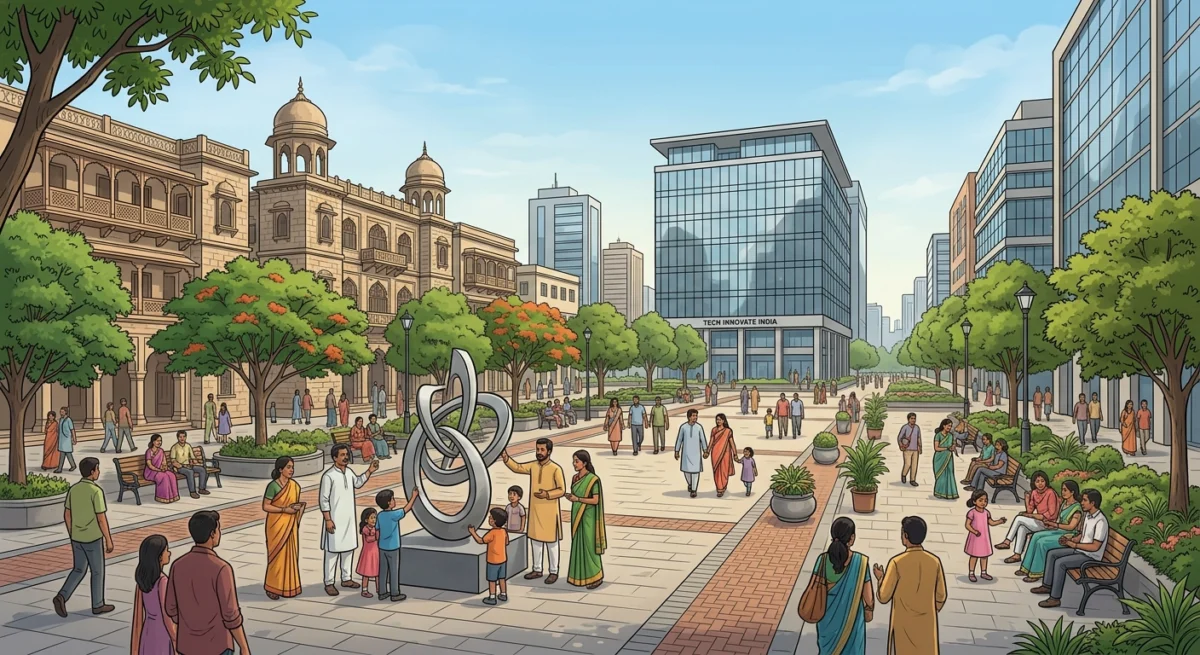
Art and music scenes are flourishing as young creatives choose to stay and build their careers locally. This creates a "cool factor" that further attracts talent and investment to these burgeoning regional urban centers.
The new local culture is more inclusive and community-oriented than the anonymous culture of the megacities. It fosters a sense of pride and ownership among residents, leading to better maintenance of public spaces.
As these cities grow, they are developing their own unique brands and reputations on the national stage. This cultural maturation is a key indicator of the successful transition toward a more decentralized Indian urbanity.
- 01
- 02
- 03
- 04
The Silent Crisis and Policy Adaptation for 2027
However, this shift has a darker sociological side that requires urgent attention from policymakers and society. As the youth pivot to regional hubs or stay in Tier-2 cities, the 'death of the village' continues.
The 2026 Economic Survey highlights a deepening crisis of the rural elderly who are left behind. With two-thirds of the population still in villages, rural India is becoming a vast 'geriatric ward' today.
The traditional joint family support system is collapsing under the weight of geographical distance and changing norms. This leads to significant mental and physical health challenges for the aged left to manage dying livelihoods.
The "left-behind" elderly often lack access to modern healthcare and social support networks in their remote villages. This creates a humanitarian challenge that could undermine the benefits of the broader urban transition we see.
Addressing this crisis is essential for maintaining social harmony and ensuring that no demographic is left behind. It requires a rethink of how we provide care and support in an increasingly mobile society.
The Silent Crisis of the Left-Behind Elderly
The isolation of the rural elderly is a growing concern for sociologists and healthcare providers in 2026. Without the support of their children, many struggle with basic daily tasks and experience profound psychological distress.
Economic stagnation in rural areas exacerbates this problem, as there are few resources available for local care. The lack of youth in these areas also means a shortage of caregivers and social workers.
Many elderly individuals are forced to continue working in agriculture long past their physical prime to survive. This leads to higher rates of injury and chronic health conditions among the rural aging population in India.
The "village" as a social unit is losing its vitality as the most productive demographic moves away. This creates a sense of abandonment and hopelessness among those who remain, further impacting their overall mental well-being.
Policymakers must find ways to bridge the gap between the thriving urban centers and the struggling rural heartlands. Failure to do so will result in a fractured society with deep-seated generational and geographical resentments.
The Collapse of Traditional Rural Support Systems
The joint family, once the bedrock of Indian society, is becoming a relic of the past for many. Urbanization and migration have physically separated generations, making traditional caregiving models nearly impossible to maintain in practice.
While digital communication helps, it cannot replace the physical presence and emotional support of family members nearby. The "virtual" family is a poor substitute for the hands-on care required by the elderly and frail.
Community-based support systems in villages are also weakening as the population density of younger adults declines significantly. There are fewer people to organize local events or look after the vulnerable members of the community.
This collapse necessitates the creation of new, formal social security and care systems for the rural population. The state must step in to fill the void left by the disappearing traditional family support structures.
Innovative models, such as "assisted living" in rural clusters or mobile healthcare units, are being tested currently. These solutions aim to provide dignity and care to the elderly while acknowledging the reality of migration.
Planning Regional Clusters Over Isolated Cities
The government’s focus on 'regional systems' rather than 'administrative islands' is a step in the right direction. This approach treats a group of nearby towns and cities as a single, integrated economic ecosystem.
By improving transport links between these nodes, we can allow for commuting instead of permanent migration. This "hub-and-spoke" model keeps people closer to their roots while giving them access to urban jobs.
Planning at the cluster level allows for more efficient use of resources and better environmental management across regions. It prevents the over-saturation of any single city while ensuring that all towns in the cluster grow.
Regional clusters can share high-end infrastructure, such as airports and specialized hospitals, making them more cost-effective for taxpayers. This collaborative approach is essential for the sustainable development of India’s vast geographical landscape.
For the social fabric of 2026 India, the goal is to create a seamless network of opportunity. This ensures that the benefits of growth are felt beyond the city limits and into the surrounding countryside.
Rurbanization: Bringing Amenities to the Core
'Rurbanization' is the strategy of bringing urban-quality amenities—like high-speed internet and healthcare—to rural clusters across the country. This reduces the need for migration by making village life more viable for the tech-savvy youth.
When a village has reliable power and digital connectivity, a young professional can work for a global firm. This allows them to stay with their elderly parents while contributing to the local rural economy.
Developing educational and vocational centers in these clusters ensures that the local workforce is skilled and employable. It transforms the village from a place people flee into a place where people can thrive.
Investment in rural infrastructure must go beyond roads to include social spaces, libraries, and modern sanitation systems. This creates a living environment that is comparable to the quality of life found in Tier-2 cities.
The success of Rurbanization will determine if India can manage its demographic shift without a total social fracture. It is the final piece of the puzzle in creating a balanced and resilient urban-rural future.
From our network :
- Committed Mediterranean Precipitation Decline: Why Emissions Cuts Alone Cannot Restore Winter RainsNew NOAA research reveals that Mediterranean winter rains may decline irreversibly even with emissions cuts. Explore the science of committed climate change and regional impacts.
- CISA’s Ten-Advisory Wave: Why Generic Patching Fails in OT and How to Build Product-Specific PlaybooksCISA released ten ICS advisories in one week, exposing critical infrastructure risks. Generic patching fails in OT. Learn to build product-specific remediation playbooks.
- How AI Agents Will Change the Way We Manage Personal FinancesExplore how AI agents are transforming personal finance through automated budgeting, bill payment, and investment management, while examining the critical security protocols and governance frameworks required for safe deployment.
- Former Soap Stars Embark on Ambitious Writing Projects and Theatrical StagesDiscover how former soap opera actors are transitioning into independent scriptwriting and high-profile theatrical stage productions.
- Norbert’s Uncertain Path: Why Hawaii’s Storm Watch Demands Patience Over PanicTropical Storm Norbert strengthens in the Eastern Pacific with winds near 50 mph, forecast to reach Category 1 hurricane status by Friday. Long-range models disagree sharply on whether Hawaii faces any threat around September 19–23, making official guidance essential.
- The Final Descent: How ESA Retired the Legendary Cluster Constellation After 24 Years of Space Weather ScienceAfter 24 years mapping Earth’s magnetosphere, ESA’s Cluster mission concluded with a precisely controlled reentry over the South Pacific. This analysis explores the scientific legacy, engineering decisions, and debris mitigation principles behind one of space exploration’s most responsible retirements.
- Analyzing Hoya Corporation’s Midday Volume Shifts and Financial FundamentalsExamine Hoya Corporation’s midday trading volume contraction, technical moving averages, robust solvency ratios, and stellar quarterly earnings performance.
- Forbidden Matrix Patterns and Visible Lattice Points: A Geometric DictionaryExplore how multidimensional 0–1 matrices encode geometric truths, linking forbidden patterns to visible lattice points and hypergraph theory, with applications in combinatorics and computational geometry.
- The Hidden Cost of AI Convenience: Why Over-Permissioned Agents Are a Security Time BombDiscover why AI agents with excessive permissions create dangerous single points of failure, and learn how implementing least privilege principles can protect your organization from exploitation.
RESOURCES
- India's Telecom Growth: Beyond Saturation in 2026 - LinkedInlinkedin.comJul 19, 2025 ... 1. Industry Overview The Indian telecom industry is entering a new era. By 2025: Urban tele-density: 131% – saturated markets.…
- Urban Decay: Shop Best-Selling Eyeliners, Setting Spray ...urbandecay.comUnlock your boldest looks with Urban Decay. Shop must-have eyeliners, game-changing setting sprays, and cult-favorite eyeshadows. Elevate your makeup game ...
- Drone Saturation: Russia's Shahed Campaign - CSIScsis.orgMay 13, 2025 ... There are also larger systems that could be integrated with urban power grids. ... ©2026 Center for Strategic & International…
- Estimation of saturation flow at signalised intersections of ...sciencedirect.comIntroduction. Signalised intersection is the most common form of traffic control measure used in the urban areas of both developed and developing countries. The ...
- aridity on vegetation phenology sensitivity to urban - EGUsphereegusphere.copernicus.org“saturation effect,” where UHI's impact weakens under certain background conditions. ... 176, 272-281. 767. 768 https://doi.org/10.5194/egusphere-2026-241.
- India AI Impact Summit 2026impact.indiaai.gov.inFeb 18, 2026 ... This panel examines how AI reshapes urban infrastructure addressing rapid urbanization across the Global South. Leaders with experience in ...
- demographics aadhaar-saturation Statistics and Growth ... - Indiastatindiastat.comState-wise Aadhaar Saturation in India (As on 28.02.2026) · State-wise Aadhaar ... India - India Slum Population - India Urban Slums Survey - India ...
- Bengaluru has become India's most saturated quick commerce hub ...instagram.comMay 19, 2026 ... 65 likes, 0 comments - yourstory_com on May 19, 2026: "Bengaluru has become India's most saturated quick commerce hub, with…
- Finmin launches campaign for saturation of financial inclusion ...m.economictimes.comJul 1, 2025 ... Finmin launches campaign for saturation of financial inclusion scheme at panchayat, urban local body level. Article Image Agencies. Synopsis.
- An exploratory study on shared sanitation and equity in peri-urban ...nature.comFeb 21, 2026 ... ... urban India, where, despite extensive state-led efforts towards universal access ... The sample size was selected in order to…
- reviewed paper Analysing Urban Development Patternsarchive.corp.atMar 25, 2026 ... REAL CORP 2026: EVERYBODY PLANS … SOMETIMES decade, implying that the urban fabric is saturated and there are no significant…
- Drone measurements reveal high near-surface urban haze - Naturenature.comFeb 2, 2026 ... This RH bias, often arising from temperature errors of 1-2 K, prevents the model from reaching saturation ... Nature India…
- Shrinking Shellfish? Risks of Acidic Water in the Indian River Lagoonfau.eduFeb 3, 2026 ... FAU researchers measured aragonite saturation – a key indicator of water's ability to support calcifying organisms like clams and oysters ...
- TRAFFIC SIGNAL SYNCHRONIZATION SYSTEM FOR HIGHWAY ...ieeexplore.ieee.orgBecause of the issue of rapid urbanization and vehicular growth, urban traffic is getting over congested which increases travel time, fuel utilization, ...
- SI 2026 Development Economics - NBERnber.orgThe Limits of Government Outsourcing: Property Tax Re-Assessments in India ... Micro-enterprise Saturation: Critical Mass or Overcrowding? Moritz Poll ...
- 01
- 02
- 03
- 04
- 05
- 06
- 07
- 08
0 Comments