On This Page
Understanding the Biological Shift in Testosterone Levels
The human body operates on a complex endocrine schedule that shifts significantly as decades pass by. Testosterone, the primary male sex hormone, plays a foundational role in maintaining bone density, muscle mass, and sexual desire.
As men cross the threshold of thirty, testosterone production typically begins a slow descent of about one percent annually. This biological reality often manifests as subtle changes in energy levels and sexual drive over time.
Clinical data suggests that while these declines are universal, the rate of change varies greatly between individuals. Factors such as genetics and baseline health determine how early or late these hormonal shifts become noticeable.
Understanding this trajectory is essential for distinguishing between the inevitable passage of time and specific medical conditions. Knowledge empowers men to approach aging with a proactive mindset rather than one of resignation or fear.
Modern medicine views this transition not as a failure of the body, but as a phase requiring adjustment. Recognizing these shifts allows for better communication with healthcare providers regarding long-term wellness and vitality.
The Gradual Decline of Serum Testosterone
The reduction of serum testosterone is a hallmark of male aging, often referred to as andropause or late-onset hypogonadism. This process is generally much more gradual than the female experience of menopause.
Research indicates that total testosterone levels decrease, while sex hormone-binding globulin (SHBG) often increases with age. This combination reduces the amount of bioavailable testosterone circulating within the bloodstream to support various bodily functions.
The mathematical relationship between total and free testosterone can be expressed through specific indices. For instance, the Free Testosterone Index (FTI) is a common metric used by clinicians to assess hormonal health.
Maintaining awareness of these levels through regular blood work allows men to track their endocrine health accurately. Early detection of significant drops can lead to more effective interventions and lifestyle modifications before symptoms worsen.
While the numbers on a lab report are important, they must be interpreted alongside clinical symptoms. A professional urologist considers both data and patient experience to determine the best course of action.
Differentiating Normal Aging from Hypogonadism
It is crucial to differentiate between the natural slowing of the body and clinical hypogonadism. Normal aging might involve a slightly longer refractory period or a need for more direct physical stimulation during intimacy.
In contrast, hypogonadism is a medical condition where the body fails to produce sufficient testosterone for physiological needs. Symptoms often include profound fatigue, significant loss of muscle mass, and persistent erectile difficulties.
Clinicians use specific diagnostic criteria to identify when hormonal levels fall below the healthy reference range. This typically involves multiple morning blood tests to ensure accuracy, as testosterone levels fluctuate throughout the day.
Distinguishing these states prevents the over-medicalization of normal aging while ensuring those with genuine deficiencies receive help. Proper diagnosis is the foundation of any successful treatment plan for maintaining sexual health.
Men should feel encouraged to discuss these differences openly with their primary care physicians or specialists. Clear communication ensures that the focus remains on quality of life and overall metabolic health.
The Role of Luteinizing Hormone in Maturation
Luteinizing hormone (LH), produced by the pituitary gland, is the primary signal that tells the testes to produce testosterone. As men age, the responsiveness of the Leydig cells to LH may diminish.
This feedback loop is central to the hypothalamic-pituitary-gonadal axis, which regulates reproductive health throughout a man's life. Any disruption in this delicate balance can lead to a noticeable drop in hormonal output.
The relationship between these hormones can be modeled to understand how the body attempts to compensate for aging. In some cases, LH levels rise as the body tries to stimulate failing testosterone production.
###T = f(LH, Leydig\_Sensitivity)###
Understanding this mechanism helps doctors determine if a hormonal issue is primary or secondary in nature. This distinction is vital for selecting the appropriate therapeutic approach, whether it involves stimulation or replacement.
By monitoring the entire hormonal cascade, healthcare providers can offer a more nuanced view of a man's health. This holistic perspective is essential for managing the complexities of the aging endocrine system.
Psychological Impact of Hormonal Fluctuations
The psychological dimension of declining testosterone is often overlooked but remains deeply significant for many men. Fluctuations in hormones can influence mood, cognitive clarity, and self-esteem as the body changes.
Feelings of irritability or a lack of motivation are sometimes linked to low testosterone levels in older men. These emotional shifts can indirectly affect sexual health by reducing interest in intimacy and connection.
Navigating these changes requires a combination of self-awareness and professional support to maintain mental well-being. Acknowledging the link between hormones and mood is the first step toward finding effective coping strategies.
Partners also play a vital role in navigating this transition by providing understanding and open communication. Addressing the psychological aspects of aging ensures that the emotional bond remains strong despite physical shifts.
Mental health professionals specializing in men's issues can provide valuable tools for managing the transition into later life. Balancing psychological resilience with physical health creates a comprehensive foundation for long-term sexual wellness.
Physical Manifestations and Erectile Function Over Time
Erectile function is often considered a barometer for overall male health, reflecting the state of the vascular and nervous systems. As aging occurs, the physical mechanisms of arousal undergo specific, predictable changes.
While erections may become less frequent or require more effort, this does not signify the end of sexual activity. Understanding the mechanics of blood flow and nerve conduction helps men adapt to these new realities.
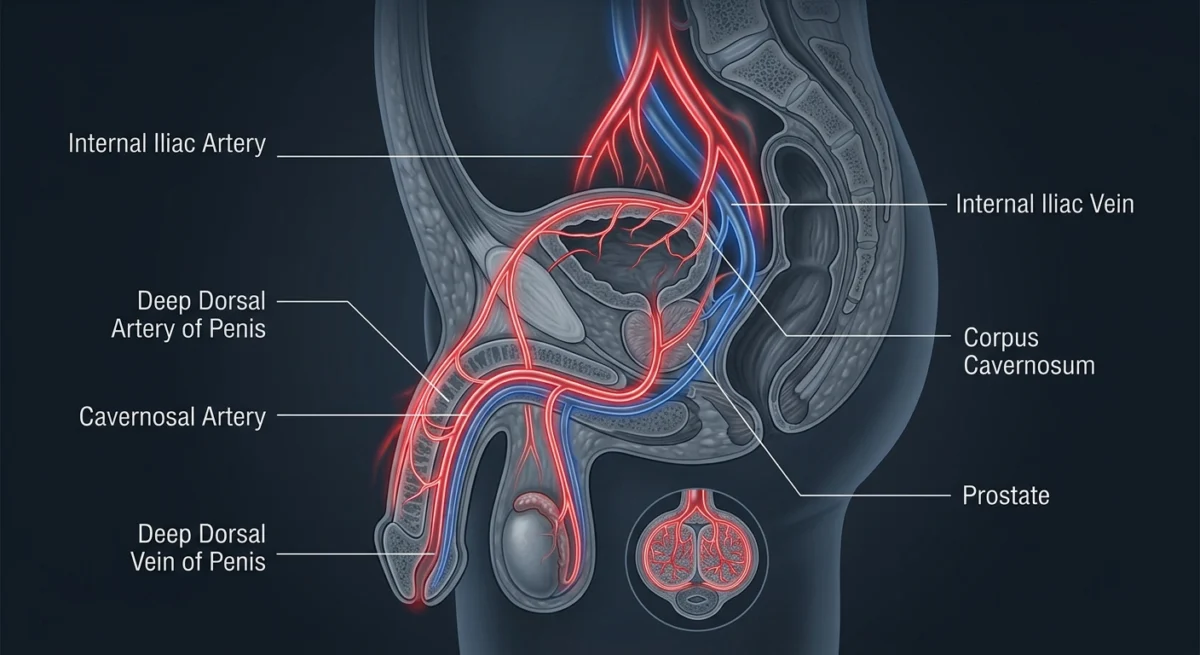
The primary driver of an erection is the relaxation of smooth muscles in the penis, allowing blood to fill the corpora cavernosa. This process relies on the release of nitric oxide from the endothelium.
As we age, the efficiency of this vascular response may decrease due to various physiological and lifestyle factors. Maintaining the health of the circulatory system becomes the most critical priority for preserving erectile capacity.
By viewing these changes as a shift in the "playbook" rather than the end of the game, men can remain active. Adaptability and education are the keys to navigating the physical manifestations of the aging process.
Changes in Penile Sensitivity and Response Time
One of the most common physical changes reported by aging men is a decrease in penile sensitivity. This often means that visual or psychological stimuli alone may no longer be sufficient for achieving an erection.
Direct physical stimulation becomes more important as the nervous system's response time slows down slightly over the years. This is a normal part of the aging process and should not be viewed as a failure.
Adjusting expectations and communication with a partner can help manage these changes effectively and reduce performance anxiety. Focus shifts from quick responses to a more deliberate and engaged approach to physical intimacy.
The duration of the refractory period—the time needed between erections—also tends to increase as men get older. Recognizing this as a biological reality helps in planning and enjoying sexual encounters without unnecessary pressure.
Embracing these shifts allows for a more relaxed and fulfilling sexual experience that prioritizes connection over speed. Patience and understanding are essential tools for maintaining a healthy sex life throughout the senior years.
The Impact of Cardiovascular Health on Blood Flow
Cardiovascular health is perhaps the single most influential factor in maintaining erectile function as men age. Because the arteries in the penis are small, they often show signs of vascular disease before the heart.
Conditions like atherosclerosis can restrict blood flow, making it difficult to achieve or maintain the rigidity necessary for intercourse. Protecting the heart essentially means protecting one's sexual health and overall physical vitality.
Regular aerobic exercise improves endothelial function and promotes the healthy production of nitric oxide throughout the body. This biochemical support is crucial for the vascular dilation required for strong and consistent erectile responses.
The equation above illustrates how even small changes in arterial radius (r) can significantly impact the flow of blood. This highlights the importance of keeping arteries clear and flexible through healthy lifestyle choices.
Managing cholesterol levels and avoiding tobacco products are non-negotiable steps for any man wishing to preserve his function. A heart-healthy lifestyle is the most effective insurance policy for long-term sexual wellness and longevity.
Managing Chronic Conditions Like Diabetes and Hypertension
Chronic conditions such as diabetes and hypertension are major contributors to erectile dysfunction in the aging male population. Diabetes can damage both the blood vessels and the nerves responsible for triggering an erection.
High blood sugar levels lead to the formation of advanced glycation end-products, which impair the elasticity of vascular tissues. Consistent management of glucose levels is essential for preventing long-term damage to the reproductive system.
Hypertension, or high blood pressure, also puts immense strain on the delicate lining of the blood vessels. Over time, this pressure causes scarring and narrowing, which directly interferes with the mechanics of sexual arousal.
We Also Published
Proper medication and dietary interventions can help control these conditions and mitigate their impact on sexual performance. Working closely with a physician to optimize treatment plans ensures that side effects are kept to a minimum.
Men who actively manage their chronic illnesses often report better sexual function than those who ignore these health markers. Taking control of one's metabolic health is a powerful way to preserve physical intimacy over time.
When to Consult a Urological Specialist
Knowing when to transition from lifestyle adjustments to professional medical consultation is a vital skill for aging men. Persistent difficulty with erections that causes distress or affects relationships warrants a conversation with a urologist.
A urologist can perform specialized tests, such as penile Doppler ultrasounds, to assess blood flow and structural health. These diagnostics provide a clear picture of what is happening beneath the surface of the skin.
They can also screen for underlying issues like Peyronie’s disease or prostate-related problems that might be impacting function. Early intervention often leads to more successful outcomes and a wider range of available treatment options.
Modern medicine offers a variety of solutions, from oral medications to advanced therapies like shockwave treatment or injections. A specialist can help tailor these options to the individual’s specific needs and health profile.
There is no shame in seeking help for what is essentially a physical health concern involving the body's systems. Professional guidance removes the guesswork and provides a clear path toward restoring confidence and physical function.
- 01
- 02
- 03
- 04
Proactive Strategies for Maintaining Sexual Longevity
Maintaining sexual health into the later decades of life requires a proactive and multi-faceted approach to daily living. It is not merely about treating problems as they arise, but about building a resilient biological foundation.
The choices made in one's 40s and 50s significantly dictate the quality of physical function in the 60s and 70s. Consistency in healthy habits is the most effective way to combat the natural declines of aging.
Focusing on the pillars of wellness—sleep, nutrition, exercise, and stress management—creates an environment where hormones can thrive. These strategies work synergistically to support the body's complex reproductive and vascular mechanisms.
Education is also a powerful tool, as it allows men to make informed decisions about supplements and lifestyle changes. Understanding the "why" behind health recommendations increases the likelihood of long-term adherence and success.
Ultimately, sexual longevity is a byproduct of overall health and a commitment to self-care throughout the aging process. By prioritizing these strategies, men can enjoy a high quality of life for many years.
The Critical Importance of Deep Sleep Cycles
Deep sleep is the primary time when the body repairs tissues and regulates the production of essential hormones. For men, the majority of daily testosterone is released during the Rapid Eye Movement (REM) phases.
Chronic sleep deprivation or poor sleep quality can lead to a significant drop in morning testosterone levels. This hormonal deficit directly impacts energy, mood, and the ability to achieve erections throughout the following day.
Conditions like sleep apnea, which are more common with age, can severely disrupt these critical restorative cycles. Addressing snoring or breathing issues is often a prerequisite for restoring hormonal balance and sexual vitality.
Creating a consistent sleep environment that is cool, dark, and quiet encourages the body to enter deeper stages of rest. Prioritizing seven to eight hours of quality sleep is a non-negotiable habit for hormonal health.
By treating sleep as a vital medical necessity rather than a luxury, men can protect their endocrine systems. Rest is the foundation upon which all other health and performance improvements are built and maintained.
Strength Training and Muscle Mass Preservation
Preserving muscle mass through regular strength training is one of the most effective natural ways to support testosterone. Muscle tissue is metabolically active and plays a key role in regulating insulin sensitivity and hormones.
As men age, they naturally lose muscle through a process called sarcopenia, which can be accelerated by a sedentary lifestyle. Resistance exercise signals the body to maintain its structural integrity and hormonal output over time.
Compound movements like squats, deadlifts, and presses engage large muscle groups and stimulate a robust systemic response. These exercises help maintain the physical strength and stamina required for an active and healthy lifestyle.
Maintaining a healthy body composition also prevents the accumulation of excess adipose tissue, which can convert testosterone into estrogen. Lean muscle acts as a metabolic shield, keeping the endocrine system functioning at an optimal level.
Consistency is more important than intensity when it comes to long-term success in the gym for aging men. A well-designed program that respects recovery time will yield the best results for hormonal and sexual health.
Nutritional Interventions for Endocrine Support
Nutrition provides the raw materials necessary for hormone synthesis and the maintenance of vascular health throughout the body. A diet rich in healthy fats, such as those found in avocados and nuts, supports cholesterol.
Cholesterol is the molecular precursor to testosterone, making the intake of healthy fats essential for proper endocrine function. Avoiding overly restrictive low-fat diets is often beneficial for men concerned about their hormonal levels.
Zinc and Vitamin D are also critical micronutrients that have been linked to healthy testosterone levels in numerous studies. Ensuring adequate intake through whole foods or targeted supplementation can help bridge gaps in the modern diet.

Antioxidant-rich foods like berries and dark chocolate support endothelial health by reducing oxidative stress in the blood vessels. This nutritional support ensures that the circulatory system remains capable of delivering blood where it is needed.
Staying hydrated and limiting the consumption of processed sugars prevents the metabolic spikes that can interfere with hormone regulation. A balanced, whole-food approach to eating is a cornerstone of maintaining sexual longevity and energy.
Stress Management and the Cortisol-Testosterone Balance
Chronic stress is a major disruptor of the male endocrine system, primarily through the elevation of the hormone cortisol. Cortisol and testosterone often have an inverse relationship within the body’s complex biochemical signaling pathways.
When the body is in a constant state of "fight or flight," it prioritizes survival over reproductive functions. This can lead to a noticeable decrease in libido and a higher incidence of stress-induced erectile difficulties.
Implementing daily stress-reduction techniques, such as meditation, deep breathing, or nature walks, can help lower systemic cortisol. These practices allow the parasympathetic nervous system to take over, promoting relaxation and physical recovery.
Managing professional and personal pressures requires a conscious effort to set boundaries and prioritize mental well-being. A calm mind is a prerequisite for a body that functions optimally in all areas, including intimacy.
By addressing the root causes of stress, men can create the internal environment necessary for hormonal health to flourish. Emotional resilience is just as important as physical strength in the journey of aging gracefully and vibrantly.
From our network :
- The Final Descent: How ESA Retired the Legendary Cluster Constellation After 24 Years of Space Weather ScienceAfter 24 years mapping Earth’s magnetosphere, ESA’s Cluster mission concluded with a precisely controlled reentry over the South Pacific. This analysis explores the scientific legacy, engineering decisions, and debris mitigation principles behind one of space exploration’s most responsible retirements.
- Forbidden Matrix Patterns and Visible Lattice Points: A Geometric DictionaryExplore how multidimensional 0–1 matrices encode geometric truths, linking forbidden patterns to visible lattice points and hypergraph theory, with applications in combinatorics and computational geometry.
- Analyzing Hoya Corporation’s Midday Volume Shifts and Financial FundamentalsExamine Hoya Corporation’s midday trading volume contraction, technical moving averages, robust solvency ratios, and stellar quarterly earnings performance.
- The Hidden Cost of AI Convenience: Why Over-Permissioned Agents Are a Security Time BombDiscover why AI agents with excessive permissions create dangerous single points of failure, and learn how implementing least privilege principles can protect your organization from exploitation.
- How AI Agents Will Change the Way We Manage Personal FinancesExplore how AI agents are transforming personal finance through automated budgeting, bill payment, and investment management, while examining the critical security protocols and governance frameworks required for safe deployment.
- Norbert’s Uncertain Path: Why Hawaii’s Storm Watch Demands Patience Over PanicTropical Storm Norbert strengthens in the Eastern Pacific with winds near 50 mph, forecast to reach Category 1 hurricane status by Friday. Long-range models disagree sharply on whether Hawaii faces any threat around September 19–23, making official guidance essential.
- Former Soap Stars Embark on Ambitious Writing Projects and Theatrical StagesDiscover how former soap opera actors are transitioning into independent scriptwriting and high-profile theatrical stage productions.
- Committed Mediterranean Precipitation Decline: Why Emissions Cuts Alone Cannot Restore Winter RainsNew NOAA research reveals that Mediterranean winter rains may decline irreversibly even with emissions cuts. Explore the science of committed climate change and regional impacts.
- CISA’s Ten-Advisory Wave: Why Generic Patching Fails in OT and How to Build Product-Specific PlaybooksCISA released ten ICS advisories in one week, exposing critical infrastructure risks. Generic patching fails in OT. Learn to build product-specific remediation playbooks.
RESOURCES
- PURLs: It's time to reconsider early-morning testosterone tests - PMCpmc.ncbi.nlm.nih.govEarly-morning testosterone tests are necessary only for men younger than age 45. Because the natural diurnal variation in testosterone levels tends to diminish ...
- Erectile Dysfunction | Johns Hopkins Medicinehopkinsmedicine.orgNavigate search suggestions with up and down arrows, and use enter to select. ... testosterone replacement therapy as they age. Find a Doctor. Specializing…
- Hypogonadism in the Aging Male Diagnosis, Potential Benefits, and ...pmc.ncbi.nlm.nih.govHypogonadism in older men is a syndrome characterized by low serum testosterone levels and clinical symptoms often seen in hypogonadal men of younger age.
- Male menopause: Myth or reality? - Mayo Clinicmayoclinic.orgMar 26, 2025 ... The term "male menopause" has been used to describe decreasing testosterone levels related to aging. But aging-related hormone changes differ…
- A Partner's Guide to Erectile Dysfunction - WebMDwebmd.comSome 18% of all men in the U.S. have ED, and the odds of developing it increase sharply after age 40. People who have…
- Rings for Erectile Dysfunction: A Practical Guide to Constriction ...webfolder.eurac.edu... testosterone, or cardiovascular health. Pair with lifestyle basics like ... Note timing relative to meals, stress, and sleep. Stop immediately if pain ...
- A Content Analysis of Testosterone Websites: Sex, Muscle, and ...journals.sagepub.comOct 13, 2017 ... Aging, The process of growing old or elderly, “As you age, your testosterone levels decrease.” Longevity, A long life or…
- Best Penis Enlargement Pill: A Realistic Look at What Works (and ...kinetik.umm.ac.idThese fit men in their 30s to 50s experiencing age-related changes: softer ... Measure erect length and girth consistently (same time of day, arousal ...
- You can soon buy a sex robot equipped with artificial ... - YouTubeyoutube.comApr 25, 2018 ... In her National Geographic series, "America Inside Out," Katie Couric learned about the world's first sex robot, Harmony.
- Testosterone Therapy on Active Surveillance and Following ...link.springer.comJun 6, 2017 ... ... with prevalence increasing significantly with age ... testosterone therapy ranging from 0.5 to 8.5 years (median time 2.0 years).
- Male Breast Cancer Treatment (PDQ®) - NCBI - NIHncbi.nlm.nih.govMale breast cancer treatment options include surgery with or without radiation therapy, chemotherapy, hormonal therapy, and/or targeted therapy.
- Erectile dysfunction 60 year old man: realistic options for men in ...ejournal.unikl.edu.myLower testosterone contributes to reduced libido and slower arousal. Medications for blood pressure or depression frequently list ED as a side effect ...
- The use of phosphodiesterase 5 inhibitors with concomitant ...link.springer.comApr 9, 2014 ... On the other hand, statins and testosterone seem to have synergic effects with PDE5i on sexual activity. ... Testosterone and…
- Platelet rich therapies for ED have long generated interest, but this ...instagram.comApr 21, 2026 ... So if you want better erections naturally, if you don't want to be ... testosterone therapy usually ranges for each…
- Vitacores Vision Cbd Gummies For Ed Reviewednavalaviationmuseum.orgMay 12, 2026 ... To help you navigate the wide array of options available, we ... If conventional treatments haven't worked for you, it…
- 01
- 02
- 03
- 04
- 05
- 06
- 07
- 08
0 Comments