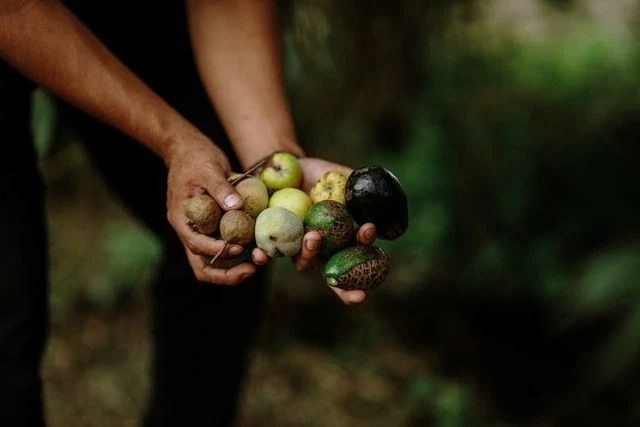
Gastronomy is undergoing a profound metamorphosis, one where white tablecloths and exorbitant ingredient sourcing no longer suffice to define the apex of human culinary achievement. Today, the world of haute cuisine stands at a fascinating crossroads between unyielding luxury and radical environmental stewardship. Michelin-starred establishments are abandoning traditional imported delicacies in favor of hyper-local ecosystems, turning their kitchens into zero-waste laboratories that redefine the very nature of indulgence. This evolution is not merely a passing fad; it is a fundamental re-engineering of elite dining to align with the ecological imperatives of our modern era.
True luxury has historically been measured by scarcity and excess, yet the contemporary culinary vanguard reinterprets exclusivity through the lens of ecological responsibility and hyper-local provenance. Chefs no longer boast about air-freighted truffles or endangered species; instead, they celebrate wild-foraged herbs, heritage grains, and hyper-localized foraging networks that connect the diner directly to the surrounding terroir. This shift proves that elite gastronomy can maintain its uncompromising standards while actively healing the planet rather than exploiting it, creating a new paradigm where conscience and caviar happily coexist on the exact same plate.
On This Page
TL;DR Haute cuisine is undergoing a radical transformation as Michelin-starred establishments pivot toward hyper-local sourcing, zero-waste protocols, and plant-forward tasting menus. This paradigm shift redefines luxury dining, proving that ecological consciousness and uncompromising culinary excellence can seamlessly merge to satisfy modern consumers.
The Rise of Hyper-Local Sourcing in Elite Kitchens
The modern gastronomic landscape demands an intimate connection between the restaurant floor and the surrounding land. Chefs are forging direct partnerships with independent regenerative farmers, artisan growers, and wild foragers within a micro-radius of their kitchens. This hyper-local philosophy eliminates massive carbon footprints associated with global food transport while ensuring absolute peak freshness. Diners at elite establishments now experience menus that shift dynamically with the micro-seasons, celebrating unique regional ingredients that commercial supply chains entirely overlook.
Establishing a truly hyper-local supply chain requires meticulous planning and unwavering dedication from both kitchen brigades and agricultural partners. Traditional restaurant forecasting falls short when menus depend entirely on daily harvests and unpredictable weather patterns, forcing culinary teams to cultivate profound operational agility. By embracing these natural constraints, kitchens transform limitations into creative catalysts, yielding remarkably authentic dishes that tell a vivid, uncompromised story of their geographical origin and seasonal rhythm.
### Micro-Seasons and Micro-Region Ecosystems
Micro-seasons break down the traditional four-quarter calendar into hyper-specific windows lasting mere weeks or even days. This granular approach allows chefs to capture fleeting moments in nature, such as the exact week wild garlic emerges or when coastal succulents reach peak salinity. Culinary execution under these conditions demands absolute precision and deep respect for agricultural cycles.
Regional ecosystems provide an inexhaustible palette for innovative chefs willing to explore their backyards. By collaborating with local biologists and conservationists, restaurants unearth forgotten heritage crops that thrive naturally without chemical fertilizers. This localized focus not only elevates flavor profiles to astonishing new heights but also revitalizes rural farming communities.
### Regenerative Agriculture Partnerships
Regenerative agriculture goes beyond mere organic farming by actively restoring soil health, sequestering carbon, and enhancing water retention. High-end culinary institutions are investing directly in these farming practices to ensure their ingredients possess unmatched nutritional density and ethical integrity. Chefs become active stakeholders in the agricultural process, helping farmers plan crop rotations that optimize both soil fertility and plate presentation.
The financial relationship between Michelin-starred dining rooms and small-scale regenerative farmers transforms traditional vendor dynamics into true collaborative partnerships. Restaurants often subsidize experimental crop trials, absorbing the financial risk of cultivating unfamiliar heritage varieties. This symbiotic model guarantees a steady stream of extraordinary produce while insulating farmers against market volatility and industrial agribusiness pressures.
## Zero-Waste Kitchen Laboratories and Circular Gastronomy
The traditional perception of restaurant kitchens as high-output, high-waste environments is rapidly dissolving under the pressure of sustainable innovation. Zero-waste cooking treats every component of an ingredient as valuable, challenging chefs to invent transformative techniques that extract flavor and texture from scraps. Vegetable trimmings, animal bones, and leftover fermentation mediums are systematically repurposed into intricate stocks, oils, and garnishes.
Implementing a circular kitchen model requires reimagining standard culinary workflows from the ground up, turning waste management into a sophisticated creative discipline. Stations are redesigned to capture byproducts instantly, routing peels and stems into dehydration, fermentation, or composting loops. This meticulous accounting of mass ensures that culinary ambition never comes at the expense of environmental irresponsibility.
### Fermentation and Preservation Techniques
Ancient preservation methods such as koji fermentation, lacto-fermentation, and cold-smoking are experiencing a magnificent renaissance within elite gastronomic laboratories. Chefs leverage these biochemical processes to extend ingredient lifespans while unlocking complex umami notes that raw ingredients simply cannot provide. By transforming surplus summer harvests into shelf-stable pastes and vinegars, kitchens maintain seasonal continuity without relying on wasteful freezing or long-distance shipping.
Controlled microbial transformations turn seemingly useless organic matter into culinary gold. For instance, discarded bread crusts from the pastry section become rich sources of wild yeast starters, while fish carcasses yield complex garums that rival traditional soy sauces. These innovative procedures require scientific precision, turning line cooks into dedicated food scientists and microbiologists.
### Repurposing Organic Byproducts
Every single organic element entering a top-tier kitchen must serve multiple distinct purposes before reaching the final compost bin. Root vegetable skins are flash-fried into delicate crisps, coffee grounds nourish cultivated oyster mushrooms, and citrus waste is distilled into aromatic cleaning agents or cocktail cordials. This closed-loop philosophy exemplifies the pinnacle of modern operational efficiency.
class CircularKitchen:
    def __init__(self, daily_organic_input):
        self.raw_input = daily_organic_input
        self.repurposed_yield = 0.0

    def process_waste_stream(self, scrap_weight, technique):
        efficiency_multipliers = {
            "fermentation": 0.85,
            "dehydration": 0.70,
            "stock_extraction": 0.90
        }
        multiplier = efficiency_multipliers.get(technique, 0.50)
        yield_value = scrap_weight * multiplier
        self.repurposed_yield += yield_value
        return yield_value
Optimizing organic byproduct streams requires rigorous data tracking and continuous experimentation among kitchen staff. Chefs analyze waste weight daily, adjusting prep quantities to eliminate over-production at the source. When unavoidable scraps do occur, automated sorting stations ensure they find the most valuable secondary application possible.
We Also Published
Plant-Forward Tasting Menus and Ethical Luxury Redefined
Meat and heavy proteins have historically dominated elite tasting menus as the primary symbols of culinary wealth and status. However, contemporary haute cuisine is witnessing a remarkable pivot toward plant-forward tasting menus that place vegetables, grains, and fungi in the absolute starring roles. This shift reflects changing consumer values among affluent diners who increasingly equate luxury with health, vitality, and environmental responsibility.
Designing a world-class tasting menu centered around plants requires extraordinary technical mastery and an expansive imagination. Without the crutch of expensive proteins like wagyu beef or caviar, chefs must coax profound depth, texture, and satisfaction out of humble roots and shoots. The resulting dishes challenge preconceived notions of luxury, demonstrating that culinary prestige stems from intellectual creativity rather than extravagant ingredient costs.
### Elevating Humble Plant Ingredients
Transforming everyday vegetables into multi-course masterpieces demands sophisticated cooking techniques that alter cellular structures and concentrate natural flavors. Root vegetables are roasted for hours in subterranean ember pits to achieve meltingly tender textures, while brassicas undergo complex aging processes that mimic the richness of cured meats. These meticulous preparations elevate ordinary produce into extraordinary gastronomic experiences that captivate even the most hardened carnivores.
The reinterpretation of vegetables as luxury items requires a total overhaul of guest expectations and service narratives. Front-of-house teams must articulate the intricate provenance of a humble heirloom carrot with the same reverence previously reserved for vintage Burgundies. This educational storytelling deepens the emotional connection between diner and meal, making sustainability feel like an exclusive privilege rather than a solemn sacrifice.
### Shifting Consumer Paradigms and Cultural Shifts
Affluent demographics are undergoing a profound psychological shift, moving away from conspicuous consumption toward conscious luxury and mindful indulgence. Dining out is no longer just about displaying financial capital; it serves as a sophisticated expression of personal ethics, cultural awareness, and ecological stewardship. Restaurants that successfully tap into this mindset command immense loyalty and shape the broader cultural conversation around food.
This evolution mirrors broader societal movements toward environmental accountability, corporate transparency, and holistic wellness. Diners actively scrutinize the labor practices, waste management protocols, and supply chain ethics of their favorite establishments. Consequently, sustainability has evolved from a niche marketing gimmick into an absolute prerequisite for long-term survival and prestige in the upper echelons of global gastronomy.
## The Future of Sustainable Haute Cuisine and Global Gastronomy
As the culinary world looks toward the horizon, sustainable haute cuisine is poised to become the definitive standard for excellence rather than an avant-garde experiment. Technological innovations, from precision vertical farming to advanced AI-driven inventory forecasting, will further empower kitchens to eliminate inefficiencies. The convergence of cutting-edge technology and ancient culinary wisdom promises an era of unprecedented flavor and ecological harmony.
Ultimately, the reinvention of luxury dining through sustainability proves that haute cuisine possesses the adaptability and intelligence to confront global environmental challenges head-on. By transforming limitations into artistic fuel, visionary chefs are creating a delicious, ethical future where culinary perfection and planetary preservation go hand in hand. This glorious evolution ensures that the sacred art of dining will continue to inspire, nourish, and protect the world for generations to come.
### Technological Integration in Sustainable Kitchens
Modern culinary labs increasingly rely on advanced data analytics and IoT sensors to monitor energy consumption, refrigeration efficiency, and waste generation in real time. These smart systems enable head chefs to fine-tune operations down to the individual station, drastically reducing utility overhead and material loss. Technology acts as an invisible yet powerful guardian of sustainability within the high-pressure environment of a professional kitchen.
Vertical aeroponic systems installed directly on restaurant rooftops allow chefs to harvest delicate microgreens and herbs seconds before service, achieving absolute zero food miles. This hyper-controlled growing environment bypasses seasonal limitations, ensuring a reliable supply of pristine greens regardless of outside weather conditions. Such technological integrations bridge the gap between urban density and agricultural self-sufficiency.
### Education, Mentorship, and the Next Generation
Passing down sustainable ethics and zero-waste techniques to the next generation of culinary professionals remains the ultimate guarantor of long-term industry transformation. Culinary academies and mentorship programs now embed environmental science, regenerative agriculture, and circular kitchen design directly into core curricula. Young cooks entering the workforce view sustainability not as an optional add-on, but as the foundational baseline of professional competence.
Mentorship in the modern kitchen extends far beyond knife skills and sauce-making; it encompasses a deep philosophical commitment to planetary health and community resilience. Head chefs who champion sustainable practices cultivate deeply motivated brigades who take immense pride in their ethical impact. This cultural renaissance within restaurant brigades guarantees that the future of gastronomy will remain brilliant, responsible, and endlessly innovative.
From our network :
- Former Soap Stars Embark on Ambitious Writing Projects and Theatrical StagesDiscover how former soap opera actors are transitioning into independent scriptwriting and high-profile theatrical stage productions.
- The Final Descent: How ESA Retired the Legendary Cluster Constellation After 24 Years of Space Weather ScienceAfter 24 years mapping Earth’s magnetosphere, ESA’s Cluster mission concluded with a precisely controlled reentry over the South Pacific. This analysis explores the scientific legacy, engineering decisions, and debris mitigation principles behind one of space exploration’s most responsible retirements.
- The Hidden Cost of AI Convenience: Why Over-Permissioned Agents Are a Security Time BombDiscover why AI agents with excessive permissions create dangerous single points of failure, and learn how implementing least privilege principles can protect your organization from exploitation.
- Analyzing Hoya Corporation’s Midday Volume Shifts and Financial FundamentalsExamine Hoya Corporation’s midday trading volume contraction, technical moving averages, robust solvency ratios, and stellar quarterly earnings performance.
- CISA’s Ten-Advisory Wave: Why Generic Patching Fails in OT and How to Build Product-Specific PlaybooksCISA released ten ICS advisories in one week, exposing critical infrastructure risks. Generic patching fails in OT. Learn to build product-specific remediation playbooks.
- Committed Mediterranean Precipitation Decline: Why Emissions Cuts Alone Cannot Restore Winter RainsNew NOAA research reveals that Mediterranean winter rains may decline irreversibly even with emissions cuts. Explore the science of committed climate change and regional impacts.
- How AI Agents Will Change the Way We Manage Personal FinancesExplore how AI agents are transforming personal finance through automated budgeting, bill payment, and investment management, while examining the critical security protocols and governance frameworks required for safe deployment.
- Forbidden Matrix Patterns and Visible Lattice Points: A Geometric DictionaryExplore how multidimensional 0–1 matrices encode geometric truths, linking forbidden patterns to visible lattice points and hypergraph theory, with applications in combinatorics and computational geometry.
- Norbert’s Uncertain Path: Why Hawaii’s Storm Watch Demands Patience Over PanicTropical Storm Norbert strengthens in the Eastern Pacific with winds near 50 mph, forecast to reach Category 1 hurricane status by Friday. Long-range models disagree sharply on whether Hawaii faces any threat around September 19–23, making official guidance essential.
RESOURCES
- What are some current fine dining trends that you aren't loving?reddit.comFeb 25, 2025 ... Ice cream and exclusively cold desserts. Why? Why?? Ice cream doesn't lend itself to being fancy or creative or elegant.…
- Top Restaurant Food Trends For 2026 - James Beard Foundationjamesbeard.orgJan 5, 2026 ... Trending Flavors and Ingredients · Claws and Carcasses · Souped-Up Seaweed · Intentional Fermentation · Terroir-Driven Storytelling.
- How has the meta/cutting edge of fine dining changed over ... - Redditreddit.comAug 17, 2025 ... But, the main trend I see now is giving various countries' cuisines a chance to shine in a fine dining…
- Global Food Trends Redefining How We Wine and Dine in 2025guide.michelin.comJan 15, 2025 ... For our Inspectors, who taste their way through the best restaurants and gastronomic destinations worldwide, it certainly does. We've tapped ...
- Foodstradamus Predicts 2026 Food Trends | Fine Dining Loversfinedininglovers.comJan 6, 2026 ... From serious global cuisines to fat burgers, hazelnut desserts, and meringue overload, Foodstradamus predicts the food trends shaping 2026.
- Restaurant Trends to Look Forward to in 2025, According to Chefsfoodandwine.comDec 23, 2024 ... Cooking with African grains · The end of no-show fees · Great food to go · Tightening belts · New…
- Trend to Table: How Purslane Went from Sidewalk Nuisance to Fine ...finedininglovers.comJul 17, 2025 ... Once overlooked as a weed, purslane is now prized by chefs from Philadelphia to Mexico City. Kiki Aranita explores its…
- Five Dining Trends That Were Everywhere This Yearchicagomag.comDec 11, 2024 ... Sections · Magazine · More · Croissants for all · The return of the half chicken · The year of…
- 01
- 02
- 03
- 04
- 05
- 06
- 07
- 08
0 Comments