On This Page
Changing Dynamics of the Polar North
Environmental Transformation Factors
Rapid ice melt serves as the primary catalyst for shifting regional dynamics within the Arctic Circle. As temperatures climb, the physical barriers that once protected this territory are dissolving, creating new, unpredictable maritime conditions.
Scientific data confirms that seasonal ice loss is occurring at a rate faster than previous climate models predicted. This transformation directly influences how nations perceive the region, transitioning from a static buffer zone.
The ecological shift creates a paradox where environmental degradation acts as a driver for increased human activity. Shipping routes that were once considered impossible are now becoming viable for seasonal commercial transit operations.
Policymakers must now account for the reality that the Arctic landscape is fundamentally unstable. This volatility impacts infrastructure planning, as permanent structures face the threat of thawing permafrost and shifting coastal shorelines.
Understanding these environmental variables is essential for any diplomatic strategy. Without a clear grasp of the physical changes, states risk miscalculating the feasibility of their long-term economic and security objectives in territory.
Resource Exploration Shifts
The Arctic holds vast, untapped reserves of hydrocarbons and rare earth minerals that attract significant international attention. As technology improves, the capacity to extract these resources in harsh conditions becomes increasingly economically feasible.
National energy strategies are beginning to pivot toward these northern basins. This shift creates a competitive environment where economic interests often collide with environmental protection goals, complicating international agreements and regional cooperation efforts.
Private sector interest in these resources is growing, further blurring the lines between state-led initiatives and corporate exploration. This convergence demands robust regulatory frameworks to manage the potential for future territorial resource disputes.
Resource competition is not limited to extraction but also involves the development of supply chains. Nations are investing in specialized infrastructure to support deep-sea drilling and mineral transport from these remote arctic locations.
Diplomats are increasingly tasked with balancing domestic energy needs against the international pressure to preserve the Arctic environment. This tension remains a core component of the diplomatic theater developing in the north.
Maritime Accessibility Trends
Navigation through the Northern Sea Route and the Northwest Passage is becoming a reality for global shipping. These corridors offer shorter transit times between major markets, significantly reducing fuel costs and shipping durations.
However, the opening of these routes introduces complex legal challenges regarding freedom of navigation. Nations disagree on the status of these waters, leading to persistent friction in international maritime law and diplomatic forums.
Commercial shipping entities are closely monitoring these developments to assess future profitability. The transition from experimental voyages to routine commercial transit requires substantial investments in search and rescue capabilities across the region.
Port development is currently underway in several Arctic nations to support this projected increase in maritime traffic. These ports often serve dual roles, providing civilian logistical support while maintaining military monitoring capabilities simultaneously.
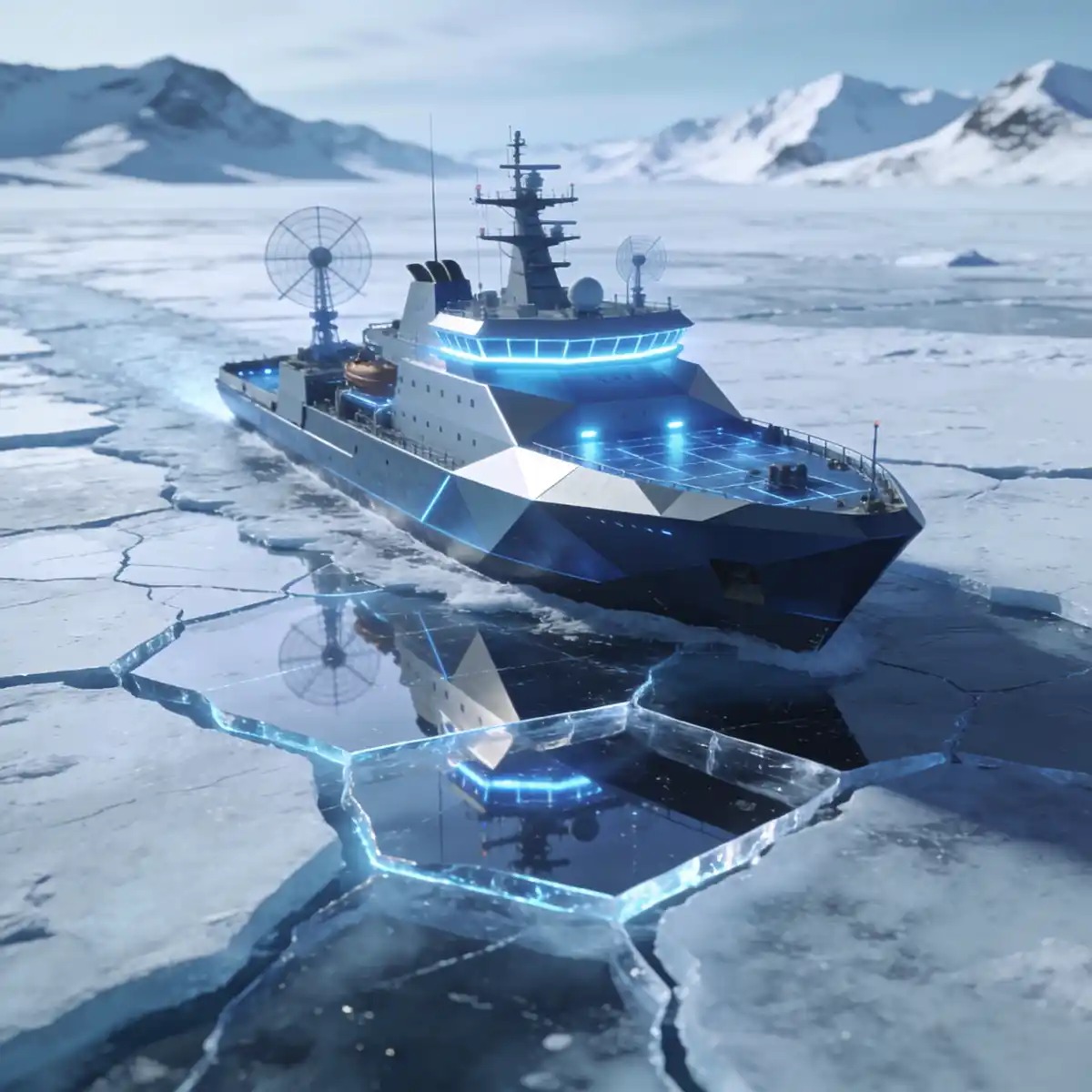
The strategic value of these shipping lanes is forcing a reevaluation of naval presence. Nations are deploying ice-capable vessels to ensure their interests are protected, further signaling the region's importance to global trade.
Infrastructure Development Patterns
Infrastructure in the Arctic is no longer purely scientific or localized. Nations are constructing satellite ground stations, deep-water ports, and airfields to extend their operational reach into the furthest reaches of the north.
These projects are often framed as civilian necessities, yet they provide significant military utility. The dual-use nature of this infrastructure makes it difficult for international observers to distinguish between research and power projection.
Investment in communication networks is also accelerating to ensure connectivity for remote operations. Reliable links are vital for maintaining situational awareness, which is a top priority for any state operating in the region.
The pace of construction is currently outpacing the development of regional security agreements. This gap creates a sense of urgency for nations to establish clear norms before the infrastructure becomes a permanent fixture.
Analysts observe that the distribution of these assets is strategic, focusing on key bottlenecks and resource-rich zones. The physical footprint of global powers in the Arctic is expanding, reflecting a long-term commitment.
Geopolitical Implications of Northern Activity
Strategic Power Projection
Military signaling has become a standard feature of modern Arctic diplomacy. Nations frequently conduct exercises that demonstrate their ability to operate effectively in extreme cold, reinforcing their status as credible northern security actors.
These exercises often involve inter-service cooperation, integrating naval, air, and ground forces. The intent is to show that no part of the Arctic is beyond the reach of a state’s national security apparatus.
Strategic competition is not necessarily hostile but is defined by a constant state of readiness. This behavior influences the decision-making processes of neighboring states, leading to a cycle of monitoring and counter-monitoring actions.
The psychological dimension of power projection is as important as the physical assets. By maintaining a visible presence, nations establish a narrative of legitimacy and control over their respective portions of the Arctic.
As the diplomatic theater grows, the risk of miscalculation increases. Clear communication channels are essential to prevent minor incidents from escalating into broader regional conflicts, highlighting the need for stable diplomatic engagement pathways.
Alliance Planning Challenges
Traditional alliances are being tested by the unique requirements of the Arctic. Member states often have divergent interests regarding the region, which complicates the formation of a unified northern security policy or strategy.
For instance, some nations prioritize environmental conservation, while others focus heavily on resource extraction and maritime transit. These competing priorities can lead to friction within established security blocs and diplomatic regional partnerships.
Effective alliance planning requires reconciling these differences into a coherent approach. This is particularly challenging given the rapid pace of change and the shifting nature of threats identified by different member states.
The inclusion of non-Arctic states in regional discussions adds another layer of complexity. These nations often have their own strategic agendas, which may not align with the historical norms of the Arctic region.
Diplomats are working to create flexible frameworks that accommodate these diverse interests. Success in this area is critical for maintaining stability and preventing the Arctic from becoming a fragmented, highly contested strategic zone.
Governance and Legal Disputes
The Arctic Council remains the primary forum for regional cooperation, but its effectiveness is under pressure. Ongoing geopolitical tensions have limited the ability of member states to engage in meaningful, long-term policy discussions.
Legal disputes over continental shelves and exclusive economic zones continue to simmer. While these issues are currently managed through international law, the potential for escalation remains if diplomatic patience begins to wear thin.
Governance mechanisms must evolve to address the new challenges posed by climate change. Existing treaties were designed for a different era and may not be sufficient for the current pace of regional transformation.
Transparency in decision-making is a major point of contention among Arctic stakeholders. Increased openness regarding research objectives and military intentions is essential to building the trust necessary for sustainable and effective regional governance.
The role of international organizations in mediating these disputes is becoming more prominent. Whether these bodies can enforce compliance remains an open question, especially when national interests are viewed as existential or vital.
| Indicator | Current Status | Strategic Weight |
|---|---|---|
| Ice Coverage | Decreasing | High |
| Infrastructure | Expanding | High |
| Diplomatic Ties | Strained | Moderate |
Surveillance and Intelligence
Monitoring the Arctic requires advanced satellite surveillance and undersea sensor networks. The ability to track movements across vast, icy expanses is a critical capability for any nation seeking to maintain a strategic advantage.
Intelligence gathering efforts have intensified as the region becomes more active. States are investing in persistent monitoring systems to ensure they are aware of any developments that could threaten their national security interests.
The data collected from these sensors is highly sensitive and often shared only with the closest allies. This practice reinforces existing security partnerships while potentially isolating states that are excluded from these networks.
Surveillance is not limited to military activity; it also includes tracking environmental indicators. Understanding the state of the ice is vital for operational planning and identifying potential new routes for transit or extraction.
As technology advances, the precision of this intelligence will improve. This creates a more transparent, yet more competitive, environment where hidden movements become increasingly difficult to execute without detection by regional rivals or actors.
Future Outlook for the Arctic Region
We Also Published
Integration of Civilian and Defense
The lines between civilian and defense-related activities in the Arctic are increasingly blurred. This integration is driven by the necessity of operating in an environment where logistical resources are scarce and highly centralized.
Dual-use infrastructure is becoming the standard model for development. Ports, airfields, and communication systems serve both commercial and military needs, which optimizes resource allocation but also creates significant strategic ambiguity for regional observers.
This ambiguity complicates diplomatic efforts to establish clear rules of behavior. When an asset has multiple purposes, it is difficult to demand its restriction or regulation without impacting legitimate civilian or economic activities.
Policymakers must navigate this complexity with caution. Over-regulating dual-use infrastructure could stifle economic growth, while under-regulating it risks allowing for an unchecked expansion of military power that could destabilize the regional balance of power.
The future of Arctic development will likely continue this trend of integration. Stakeholders should prepare for a landscape where economic and security interests are inextricably linked, necessitating a more comprehensive approach to regional diplomacy.
- 01
- 02
- 03
- 04
Managing Escalation Risks
The risk of unintended escalation in the Arctic is a growing concern for global leaders. With more actors present and more infrastructure in place, the probability of a minor incident triggering a crisis is higher.
Clear communication channels between military commanders are essential to mitigate this risk. Establishing pre-defined protocols for interaction can prevent misunderstandings and provide a framework for de-escalation when tensions arise during routine regional operations.
Diplomatic initiatives aimed at promoting confidence-building measures are vital. These efforts focus on increasing transparency and creating opportunities for dialogue, which helps to build the trust necessary for long-term regional stability and cooperation.
The international community must remain vigilant in monitoring the situation. Early warning signs, such as changes in military posturing or aggressive rhetoric, should be addressed through established diplomatic channels before they lead to conflict.
Managing the Arctic requires a proactive, rather than reactive, approach. By investing in diplomacy and maintaining open lines of communication, the global community can navigate the challenges of this evolving theater with greater security.
Economic Implications for Nations
The economic stakes in the Arctic are immense, with trillions of dollars in potential resource value and trade efficiency. Nations that position themselves early gain a significant advantage in shaping the regional economy.
Investment in the Arctic is not without risk, as the environment remains harsh and unpredictable. However, the potential rewards drive states to continue their development despite the significant financial and logistical challenges involved.
The global economy is increasingly dependent on the secure and stable flow of goods and resources. The Arctic's role in this system is growing, making its stability a matter of international economic security and interest.
Economic competition is pushing nations to innovate in fields like ice-strengthened shipbuilding and autonomous underwater vehicles. These technologies are critical for sustaining operations and ensuring a competitive edge in the northern maritime environment today.
Ultimately, the economic future of the Arctic will be defined by the balance between sustainable development and competitive extraction. Finding this balance will be a major test for the international community in the coming decades.
| Economic Driver | Projected Impact | Timeframe |
|---|---|---|
| Shipping Routes | High Efficiency | Medium-Term |
| Mineral Extraction | High Revenue | Long-Term |
| Energy Reserves | Strategic Security | Long-Term |
The Role of Global Diplomacy
Global diplomacy is the only viable path to managing the complex challenges of the Arctic. Without effective international cooperation, the region risks becoming a theater of unchecked competition and potential conflict for everyone.
Diplomats must work to keep the Arctic focused on cooperation rather than confrontation. This requires a sustained commitment to multilateral forums and a willingness to compromise on issues that do not threaten national security.
The Arctic serves as a microcosm for broader global trends, including the impact of climate change on international relations. Lessons learned here will have significant implications for other regions facing similar environmental and strategic transformations.
Support for regional institutions and treaties is essential for maintaining order. Strengthening these frameworks ensures that all nations have a seat at the table and that disputes are resolved through established legal processes.
As the Arctic continues to change, so too must the diplomatic approaches used to engage with it. Flexibility, foresight, and a dedication to stability will be the hallmarks of successful northern policy in the future.
From our network :
- CISA’s Ten-Advisory Wave: Why Generic Patching Fails in OT and How to Build Product-Specific PlaybooksCISA released ten ICS advisories in one week, exposing critical infrastructure risks. Generic patching fails in OT. Learn to build product-specific remediation playbooks.
- How AI Agents Will Change the Way We Manage Personal FinancesExplore how AI agents are transforming personal finance through automated budgeting, bill payment, and investment management, while examining the critical security protocols and governance frameworks required for safe deployment.
- Forbidden Matrix Patterns and Visible Lattice Points: A Geometric DictionaryExplore how multidimensional 0–1 matrices encode geometric truths, linking forbidden patterns to visible lattice points and hypergraph theory, with applications in combinatorics and computational geometry.
- The Hidden Cost of AI Convenience: Why Over-Permissioned Agents Are a Security Time BombDiscover why AI agents with excessive permissions create dangerous single points of failure, and learn how implementing least privilege principles can protect your organization from exploitation.
- Analyzing Hoya Corporation’s Midday Volume Shifts and Financial FundamentalsExamine Hoya Corporation’s midday trading volume contraction, technical moving averages, robust solvency ratios, and stellar quarterly earnings performance.
- Norbert’s Uncertain Path: Why Hawaii’s Storm Watch Demands Patience Over PanicTropical Storm Norbert strengthens in the Eastern Pacific with winds near 50 mph, forecast to reach Category 1 hurricane status by Friday. Long-range models disagree sharply on whether Hawaii faces any threat around September 19–23, making official guidance essential.
- The Final Descent: How ESA Retired the Legendary Cluster Constellation After 24 Years of Space Weather ScienceAfter 24 years mapping Earth’s magnetosphere, ESA’s Cluster mission concluded with a precisely controlled reentry over the South Pacific. This analysis explores the scientific legacy, engineering decisions, and debris mitigation principles behind one of space exploration’s most responsible retirements.
- Committed Mediterranean Precipitation Decline: Why Emissions Cuts Alone Cannot Restore Winter RainsNew NOAA research reveals that Mediterranean winter rains may decline irreversibly even with emissions cuts. Explore the science of committed climate change and regional impacts.
- Former Soap Stars Embark on Ambitious Writing Projects and Theatrical StagesDiscover how former soap opera actors are transitioning into independent scriptwriting and high-profile theatrical stage productions.
RESOURCES
- Session "Shifting Poles: Asia's Role in Arctic Geopolitics and ...uarctic.orgJun 10, 2026 ... Located in Locker Room 3 of the Arena built for handball tournaments, við Tjarnir, our roundtable panel in at the…
- A 2026 Arctic Council Update from the Chair of the Senior Arctic ...arctic-council.orgFeb 12, 2026 ... Arctic geopolitics have come into focus globally. How does this affect the work of the Arctic Council? The geopolitical landscape…
- Arctic Geopolitics - DIS Study Abroaddisabroad.org... Arctic a focus of global interest. Syllabus. Summer 2026 (Draft). This is a draft syllabus. The final syllabus will be available here a…
- The Circumpolar Podcast - Geopolitics of Outer Spacethearcticinstitute.orgApr 29, 2026 ... The podcast brings together leading experts from various fields of Arctic geopolitics and many Arctic ... June 19, 2026 The…
- Arctic Governance, Geopolitics, and Security - Belfer Centerbelfercenter.orgArctic Security: Power Shifts and Transformational Change. Jan. 27, 2026 by Jennifer Spence and Christopher Conway. From Arctic Initiative.
- Greenland, Rare Earths, and Arctic Security - CSIScsis.orgJan 8, 2026 ... ... 2026. Greenland ranks eighth in the world for rare earth ... geopolitical, environmental, and supply chain objectives in the…
- Geopolitics of Rare Earth Elements in the Arctic - Belfer Centerbelfercenter.orgJan 29, 2026 ... “Geopolitics of Rare Earth Elements in the Arctic.” Polar Record, January 29, 2026. Copy to Clipboard. Geopolitics of Rare Earth…
- The European Union and the future of Arctic geopoliticsdefensa.gob.esJan 6, 2026 ... If the beginning of the year 2026 had to be defined with a single word, it could well be. "turbulent."…
- The Arctic Space Race Heats Up | January/February 2026interactive.satellitetoday.comJan 20, 2026 ... Geopolitical, economic, and climate change dynamics drive the need for better satcom capabilities in the strategic Arctic region.
- 01
- 02
- 03
- 04
- 05
- 06
- 07
- 08
0 Comments