On This Page
The Dynamics of Regional Autonomy
Geopolitical Positioning Strategies
Nations across Latin America are actively refining their foreign policy frameworks to navigate the intense competition between major global powers. This approach prioritizes national interest over rigid alignment with any single international bloc.
Leaders are increasingly aware that maintaining neutrality allows them to extract better terms from foreign investors. By engaging with multiple partners simultaneously, countries can secure infrastructure funding without compromising their long-term sovereign decision-making.
The historical tendency to lean heavily toward one superpower is being replaced by a more nuanced, transactional diplomacy. This shift reflects a maturing understanding of how to capitalize on current global supply chain needs.
Diplomatic agility has become the primary tool for these governments to exert influence. By refusing to pick sides, they transform their geographic location and resource wealth into genuine leverage within the global arena.
Policy autonomy remains the cornerstone of this new strategic direction. As regional states solidify their internal governance, they gain the confidence to pursue independent paths that benefit their local populations and economic structures.
Resource Wealth and Leverage
The abundance of critical minerals such as lithium and copper places Latin America at the center of the global energy transition. These materials are essential for modern technology and the shift toward renewables.
Global demand for these resources provides governments with significant bargaining power against industrialized nations. By controlling the supply of these inputs, regional states can demand better local processing and value-added manufacturing investments.
Agricultural exports further strengthen the region's position as a vital contributor to global food security. Consistent production levels ensure that Latin American nations remain indispensable to the stability of international commodity markets today.
Strategic management of these resources requires clear regulatory environments to attract foreign capital. When countries provide legal certainty, they encourage companies to build lasting infrastructure rather than engaging in purely extractive short-term projects.
Balancing resource extraction with domestic industrialization goals is a delicate task for policymakers. Success in this area will determine whether the region can transform its natural wealth into sustainable, long-term economic development.
Economic Diversification Efforts
Latin American economies are actively seeking to diversify their trade partners to reduce reliance on traditional markets. This strategy involves strengthening ties with emerging economies while maintaining existing links to established global trade hubs.
New trade agreements are being negotiated to facilitate the flow of goods and services across borders. These deals aim to foster regional integration, which could eventually create a more unified and powerful economic bloc.
The focus on digital infrastructure and services is also growing as countries look to modernize their economic bases. Investing in technology allows them to participate more effectively in the global knowledge-based economy today.
By reducing dependence on a single currency or trading partner, nations can insulate themselves from external shocks. This economic resilience is a key component of their overall strategy to act as a balancer.
Regional cooperation on trade policies is essential for maximizing collective impact. When nations speak with a coordinated voice, they can better influence international standards and ensure that their economic interests are fully protected.
Diplomatic Coordination Challenges
Achieving a unified diplomatic stance across such a diverse region presents significant hurdles for local leaders. Differing political ideologies often complicate efforts to form a cohesive front on critical international policy issues today.
Despite these challenges, there is a growing consensus on the need for regional autonomy. Many governments recognize that they can only achieve their goals by working together on issues of common concern.
Multilateral institutions are playing a crucial role in facilitating dialogue and cooperation between neighboring states. These platforms allow for the resolution of disputes and the coordination of policies that impact the entire region.
The ability to manage internal political volatility is vital for maintaining a credible international presence. When countries demonstrate stability, they are more likely to be taken seriously as reliable partners by other nations.
Building trust among regional neighbors is a slow but necessary process for long-term success. As diplomatic ties strengthen, the region will become even more effective at balancing competing interests on the world stage.
| Strategy Element | Primary Goal | Anticipated Outcome |
|---|---|---|
| Resource Management | Value Addition | Industrial Growth |
| Trade Diversification | Market Access | Economic Stability |
| Diplomatic Neutrality | Policy Autonomy | Strategic Influence |
Global Implications of Regional Shifts
Impact on Global Supply Chains
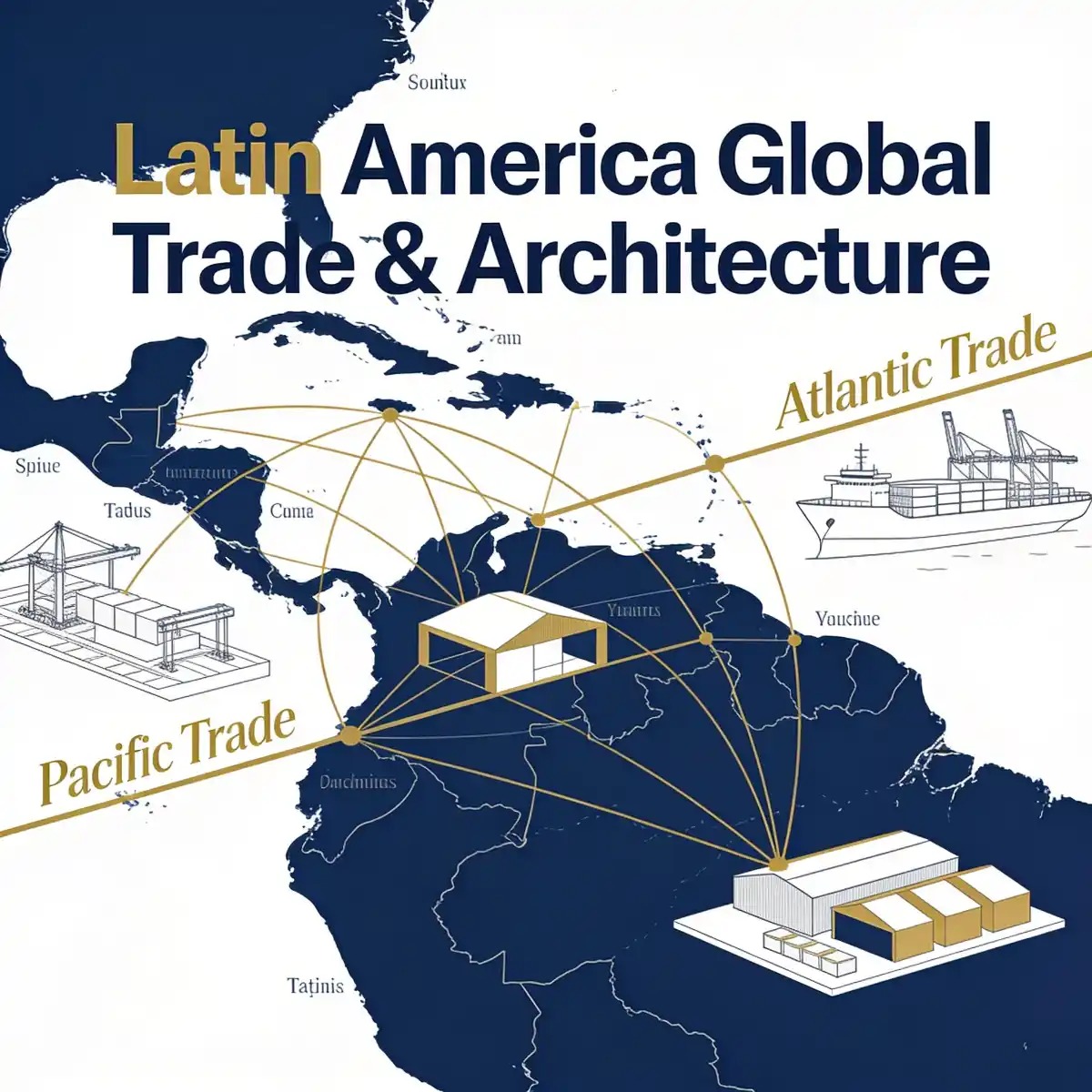
Latin America’s role in global supply chains is expanding as companies seek to diversify their sourcing strategies. This trend toward near-shoring allows businesses to minimize risks associated with long-distance logistics and geopolitical instability.
Regional governments are incentivizing this shift by offering favorable tax conditions and streamlined regulatory processes. This creates a competitive environment that encourages international firms to relocate their manufacturing operations to the region today.
Reliable logistics networks are being developed to support this increased volume of trade. Investments in ports, roads, and digital connectivity are essential for integrating the region more deeply into the global market.
The reliability of supply lines depends on the political stability of the host nations. Therefore, maintaining transparent and predictable governance is a priority for countries looking to benefit from these global shifts.
As the region becomes a more important node in global trade, its influence will naturally grow. This increased prominence allows it to shape the rules and standards that govern international commerce and investment.
Energy Transition and Minerals
The global transition toward renewable energy is heavily reliant on the availability of minerals found in Latin America. Lithium, nickel, and copper are essential components for batteries and other clean energy technologies.
Countries with these resources are finding themselves in a position of strength when dealing with international energy companies. They can dictate terms that ensure a larger share of the profits remains local.
Sustainable mining practices are becoming a requirement for international partnerships in this sector. Governments are implementing stricter environmental regulations to protect their natural habitats while still encouraging necessary investment for the future.
Energy partnerships are also being forged to develop local processing capabilities. Instead of exporting raw materials, nations are moving toward producing finished goods, which creates higher-skilled jobs and better economic outcomes overall.
The global demand for clean energy will continue to rise throughout the decade. This provides a long-term opportunity for Latin American nations to solidify their role as essential players in the global market.
Food Security Contributions
Latin America remains a powerhouse in agricultural production, feeding a significant portion of the global population. Its vast arable land and favorable climate make it a critical player in international food security.
Climate change poses a threat to this production, requiring investment in resilient farming techniques. Regional governments are working to adopt sustainable practices that ensure long-term productivity while mitigating environmental damage to the land.
Trade in agricultural commodities is a major source of revenue for many countries in the region. Maintaining access to international markets is vital for the economic health of these agricultural-dependent economies today.
Global demand for food is expected to grow as the world population increases. This creates a consistent need for Latin American exports, ensuring that the region remains central to global trade discussions.
By leveraging their agricultural strength, these nations can influence global policies related to food prices and trade standards. This is another area where the region can exercise its strategic balancing role effectively.
Infrastructure and Investment
Infrastructure development is a key priority for governments aiming to modernize their economies. Large-scale projects in energy, transportation, and telecommunications are underway across the region to facilitate growth and improve internal connectivity.
Foreign direct investment is flowing into these sectors as international companies seek new opportunities. Investors are attracted by the potential for high returns and the strategic location of these emerging markets today.
Public-private partnerships are the preferred model for financing these massive infrastructure undertakings. These arrangements share risks and rewards, making them more attractive to both government entities and private sector investors across borders.
Regulatory frameworks are being updated to provide the legal certainty required for long-term investments. Protecting property rights and ensuring fair competition are essential for building investor confidence in the region’s future growth.
As infrastructure improves, the region’s ability to compete globally will increase. This creates a virtuous cycle of investment and development that reinforces the strategic importance of Latin America as a balancing force.
We Also Published
- 01
- 02
- 03
- 04
Future Outlook and Strategic Advice
Monitoring Lithium Policy
Lithium policy is a critical area for observers to watch as it represents the intersection of resource wealth and industrial strategy. Governments are balancing extraction with domestic value creation for their citizens.
Changes in regulation can signal the direction of a country’s economic policy. Investors look for clarity and consistency to determine whether a market is open for business or moving toward protectionist measures.
The global race for battery minerals makes lithium a high-stakes commodity. Nations that manage this resource wisely will gain significant influence over the future of the automotive and energy storage industries globally.
Strategic partnerships with international firms can provide the technology and capital needed to unlock the full potential of these reserves. These collaborations must be carefully structured to ensure long-term national benefits today.
Monitoring these policies allows analysts to predict which countries will emerge as the next leaders in the global energy market. This information is valuable for businesses and governments alike in their planning.
| Indicator | What to Watch | Impact Level |
|---|---|---|
| Lithium Law | Taxation & Royalties | High |
| Agri-Exports | Trade Agreements | Medium |
| Diplomacy | Bloc Alignment | High |
Agri-Export Trends
Agricultural exports continue to be a pillar of the regional economy, providing stability and revenue. Trends in this sector reflect the broader global demand for food and the impact of climate change.
Diversifying export markets is a key goal for many agricultural producers. By reducing reliance on a few major buyers, they protect themselves from trade disputes and economic fluctuations in partner countries today.
Technological adoption in agriculture is increasing efficiency and yield across the region. Precision farming and digital logistics are helping producers meet the high quality standards demanded by international markets and consumers.
Trade policies related to agriculture are often sensitive topics in international relations. Governments must navigate these discussions carefully to ensure that their farmers remain competitive while satisfying domestic needs and prices.
The future of the region’s agricultural success depends on its ability to adapt to changing global consumption patterns. This includes embracing sustainable practices that appeal to environmentally conscious consumers in developed nations today.
Diplomatic Coordination Signals
Diplomatic coordination is the mechanism by which regional states exert their collective influence. Watching how countries vote in international forums provides clues about their emerging strategic alignments and policy priorities for 2026.
Regional summits and meetings are essential for building the consensus needed to act as a unified bloc. These events offer insights into the level of cooperation between neighboring countries on sensitive issues.
Language used in diplomatic statements often reflects the nuanced balancing act being performed. Analysts look for subtle shifts in terminology that indicate a change in how a country views its global partners.
The ability to resolve internal disputes without external interference is a sign of regional maturity. As countries become more skilled at this, their ability to act as a cohesive unit will improve.
Diplomatic signals provide the early warning signs of shifts in regional power dynamics. By paying attention to these interactions, stakeholders can better understand the trajectory of Latin America’s role in world affairs.
The Balancing Act Ahead
The future of Latin America as a balancing region depends on its ability to maintain its strategic autonomy. This requires disciplined policy making and a commitment to national interests above all else.
Economic success will provide the resources necessary to continue this independent path. As long as countries remain attractive to foreign capital, they will have the leverage to demand better terms and partnerships.
Political stability is the foundation upon which all these efforts rest. Ensuring that transitions of power remain orderly and legal is essential for keeping the trust of international partners and regional neighbors.
The region’s capacity to learn from past mistakes will define its success in the coming years. By avoiding the pitfalls of over-commitment, Latin America can continue to navigate global rivalries quite effectively.
Ultimately, the role of a balancer is one of constant adjustment and careful negotiation. As the global order continues to evolve, Latin America is well-positioned to play a central part in that story.
From our network :
- Analyzing Hoya Corporation’s Midday Volume Shifts and Financial FundamentalsExamine Hoya Corporation’s midday trading volume contraction, technical moving averages, robust solvency ratios, and stellar quarterly earnings performance.
- How AI Agents Will Change the Way We Manage Personal FinancesExplore how AI agents are transforming personal finance through automated budgeting, bill payment, and investment management, while examining the critical security protocols and governance frameworks required for safe deployment.
- Committed Mediterranean Precipitation Decline: Why Emissions Cuts Alone Cannot Restore Winter RainsNew NOAA research reveals that Mediterranean winter rains may decline irreversibly even with emissions cuts. Explore the science of committed climate change and regional impacts.
- Forbidden Matrix Patterns and Visible Lattice Points: A Geometric DictionaryExplore how multidimensional 0–1 matrices encode geometric truths, linking forbidden patterns to visible lattice points and hypergraph theory, with applications in combinatorics and computational geometry.
- Norbert’s Uncertain Path: Why Hawaii’s Storm Watch Demands Patience Over PanicTropical Storm Norbert strengthens in the Eastern Pacific with winds near 50 mph, forecast to reach Category 1 hurricane status by Friday. Long-range models disagree sharply on whether Hawaii faces any threat around September 19–23, making official guidance essential.
- The Final Descent: How ESA Retired the Legendary Cluster Constellation After 24 Years of Space Weather ScienceAfter 24 years mapping Earth’s magnetosphere, ESA’s Cluster mission concluded with a precisely controlled reentry over the South Pacific. This analysis explores the scientific legacy, engineering decisions, and debris mitigation principles behind one of space exploration’s most responsible retirements.
- CISA’s Ten-Advisory Wave: Why Generic Patching Fails in OT and How to Build Product-Specific PlaybooksCISA released ten ICS advisories in one week, exposing critical infrastructure risks. Generic patching fails in OT. Learn to build product-specific remediation playbooks.
- The Hidden Cost of AI Convenience: Why Over-Permissioned Agents Are a Security Time BombDiscover why AI agents with excessive permissions create dangerous single points of failure, and learn how implementing least privilege principles can protect your organization from exploitation.
- Former Soap Stars Embark on Ambitious Writing Projects and Theatrical StagesDiscover how former soap opera actors are transitioning into independent scriptwriting and high-profile theatrical stage productions.
RESOURCES
- Latin America at a Crossroads – at the Heart of the New Global ...institutmontaigne.orgAmerica. 27/01/2026. Print. Share. Latin America at a Crossroads – at the Heart of the New Global Geopolitics. 17 minutes. Latin America at a…
- The Geopolitical Logic for Latin American Interventiongeopoliticalfutures.comDec 22, 2025 ... The geopolitical logic is that greater economic growth in Latin America will reduce vulnerabilities in the Eastern Hemisphere and, in…
- The Avant-Garde and Geopolitics in Latin Americaupittpress.orgThe Avant-Garde and Geopolitics in Latin America examines the canonical Latin American avant-garde texts of the 1920s and 1930s in novels, travel writing, ...
- The Return of Geopolitics: Latin America and the Caribbean ... - CSIScsis.orgJun 17, 2021 ... This paper offers an intellectual starting point for that endeavor. It is intended to help the US national security community…
- Latin America on a New Geopolitical Chessboard: Positioning and ...eulacfoundation.orgNov 28, 2024 ... In this new geopolitical chessboard, the key for Latin America will be to strike a balance between global interests and…
- Energy and Geopolitics in Latin America - Real Instituto Elcanorealinstitutoelcano.orgSince the beginning of this century, Latin America has become an increasingly important region on the world's geopolitical map.
- Geopolitics, Culture, and the Scientific Imaginary in Latin Americafloridapress.orgIt highlights the important relationship among science, politics, and culture in Latin American history. Scholars from a variety of fields including literature, ...
- The US-China rivalry and Latin American geopolitics: from narrative ...realinstitutoelcano.orgMar 27, 2025 ... The geopolitics of Latin American countries reflects strategic positioning, not neutrality or non-alignment in the US–China rivalry.
- Full article: The geopolitics of the Catholic Church in Latin Americatandfonline.comNov 15, 2019 ... As one of the longest-standing organizations in the 'Western' world, the Catholic Church has 'harnessed together the confessional space of…
- China and Latin America: Development, Agency and Geopoliticsbloomsbury.comJan 26, 2023 ... Since the turn of the century bilateral trade between China and Latin America has increased by more than a factor…
- 01
- 02
- 03
- 04
- 05
- 06
- 07
- 08
0 Comments