On This Page
Mountain Rescue Operations and Complex Terrains
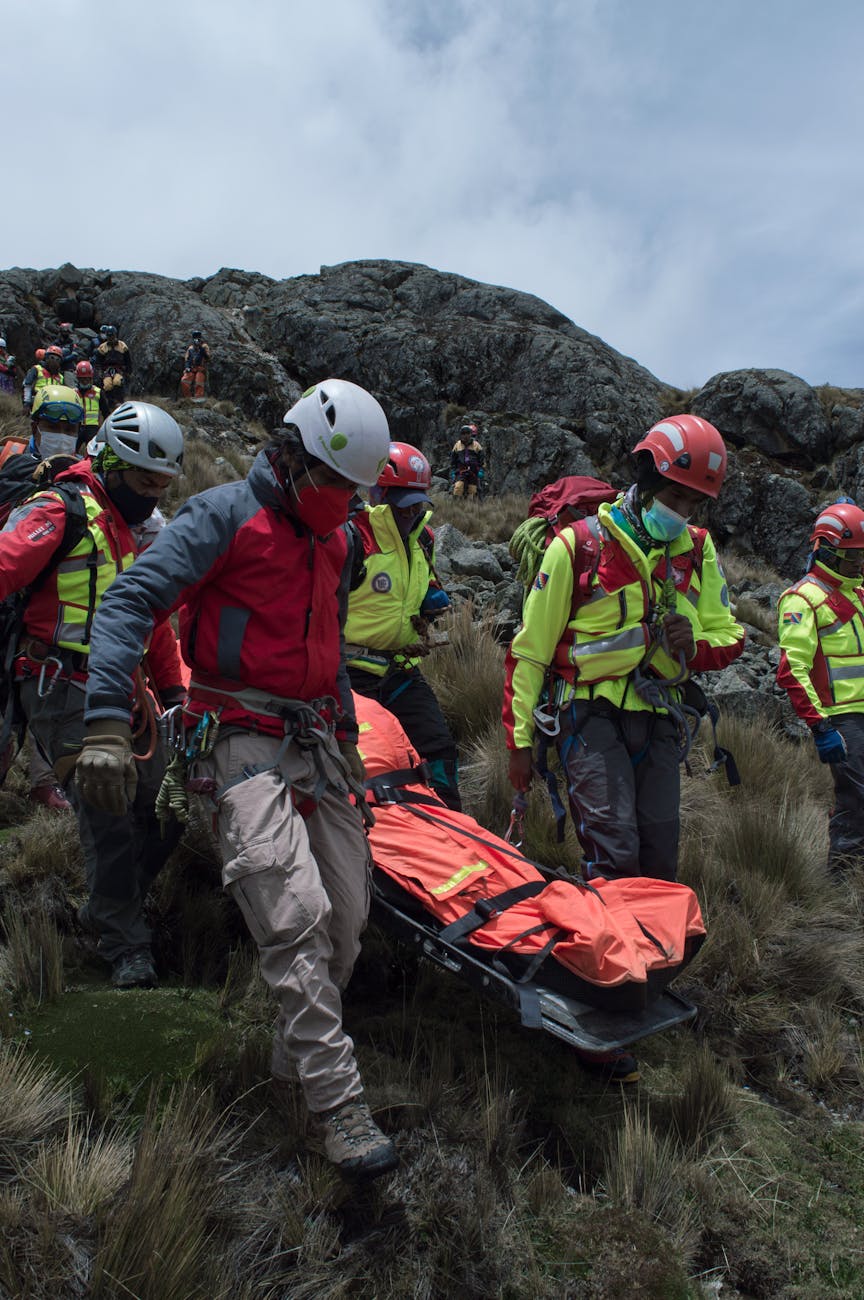
Emergency services face immense difficulties when conducting search operations in mountainous regions. These efforts require specialized teams trained in navigating steep cliffs and dense vegetation. Success often depends on rapid deployment and accurate initial data.
Search and rescue teams must balance speed with safety when exploring hazardous zones. Ground crews frequently encounter loose rocks, extreme heat, and unpredictable weather conditions. These elements significantly increase the physical demands on rescuers.
Modern technology assists rescue operations by providing thermal imaging and aerial mapping. Drones can access narrow crevices that remain unreachable for human searchers. However, technology cannot entirely replace the necessity of ground-level tracking.
Command centers coordinate multiple agencies to ensure efficient coverage of the search grid. Communication protocols must remain clear to prevent duplication of effort in vast areas. Effective leadership determines the overall efficiency of these operations.
When a person disappears in rugged terrain, time is the most critical variable. Survival rates decline sharply after the first forty-eight hours of exposure. Teams must prioritize high-probability zones during this crucial initial window.
The Geography of Masca Ravine
The Masca ravine in Tenerife presents an incredibly challenging environment for rescue teams. Its deep gorges and steep rocky cliffs restrict visibility from both ground and air. Navigating this terrain requires advanced mountaineering skills.
Thick, dry vegetation covers much of the landscape, hiding potential hazards from view. Footpaths are often narrow, uneven, and surrounded by sheer drops of several hundred meters. These conditions make off-trail exploration extremely dangerous.
Microclimates within the ravine cause sudden temperature fluctuations throughout the day. Intense heat during midday can quickly exhaust searchers, while nighttime temperatures drop significantly. These rapid changes complicate survival and rescue logistics.
Loose volcanic soil creates unstable footing along the steep slopes of the canyon. A single misstep can trigger small rockslides, endangering the safety of rescue personnel below. This instability limits the speed of ground operations.
The geological structure of the area also interferes with standard communication equipment. Radio signals and mobile network coverage are frequently lost deep inside the ravines. This isolation increases the risks for search teams.
Aerial and Ground Search Coordination
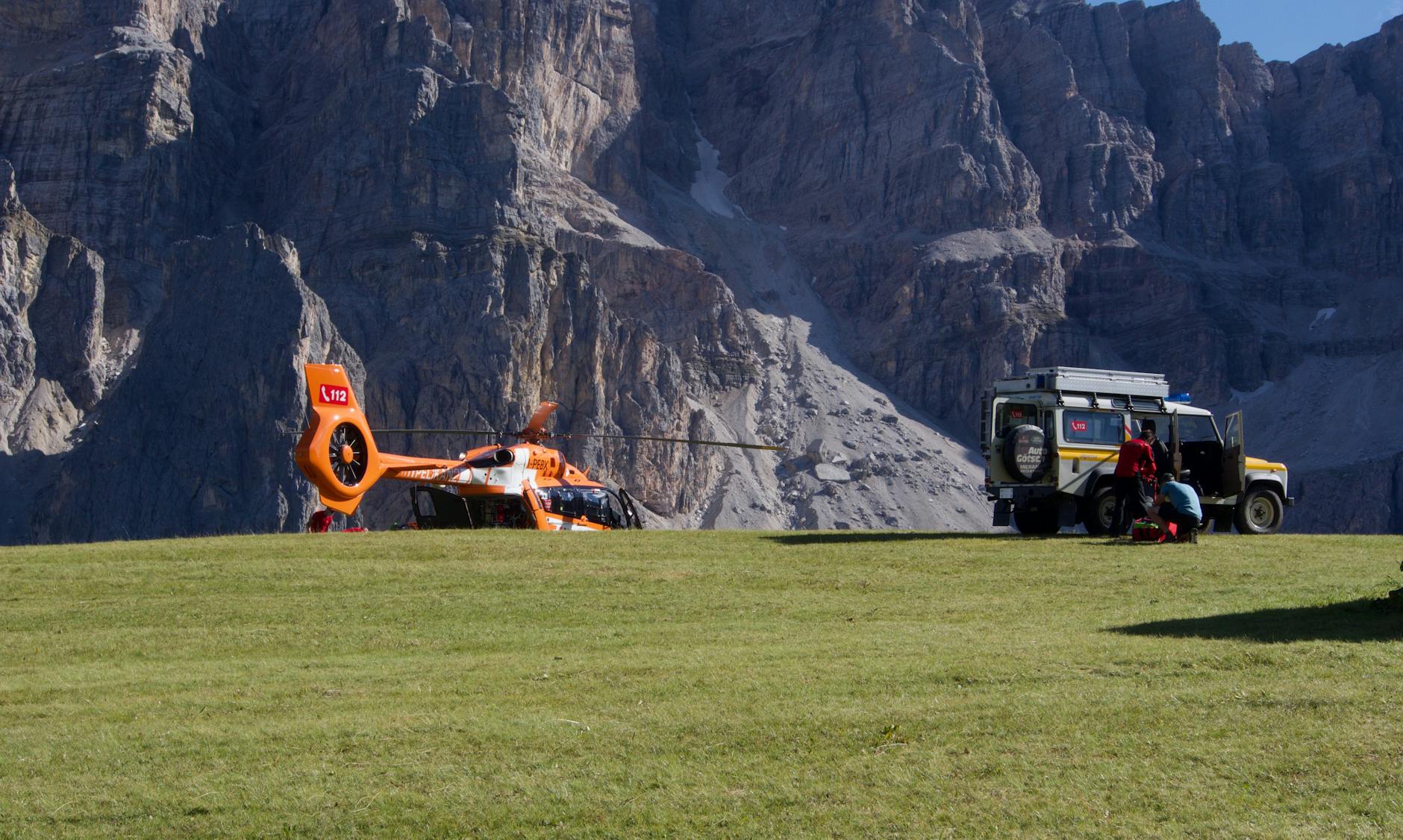
Coordinating aerial assets with ground teams is essential for covering vast mountain ranges. Helicopters provide a broad perspective, identifying potential paths and hazards from above. They also transport personnel to remote ridges quickly.
Ground crews follow specific search patterns to ensure no area is overlooked. They maintain constant contact with aerial spotters to investigate anomalies found from the sky. This combined approach maximizes the probability of detection.
Let the search area be ##A## and the detection probability be ##P_d##. The mathematical model for search effectiveness is represented by the formula:
where ##W## represents search width and ##L## represents path length.
Using this formula, coordinators can mathematically optimize the path length ##L## to maximize coverage. This systematic approach ensures that limited search resources are deployed where they can achieve the highest statistical impact.
Despite these scientific methods, physical obstacles can still obscure targets from aerial view. Dense canopy cover and deep shadows cast by cliffs reduce the effectiveness of thermal cameras. Ground verification remains the ultimate standard.
Resource Allocation in Remote Areas
Resource allocation requires careful planning to avoid exhausting local emergency services during prolonged searches. Authorities must balance the immediate need for personnel with the long-term sustainability of the operation. This requires strategic planning.
Specialized canine units are highly valuable assets in mountainous and densely vegetated terrains. These trained dogs can detect scent trails that humans and electronic sensors entirely miss. Their deployment must be carefully managed.
Local police, civil protection units, and mountain rescue specialists must coordinate their shift rotations. Continuous operations without adequate rest can lead to fatigue-induced errors among searchers. Managing human resources is therefore crucial.
Funding and logistical support must be secured to maintain intensive search efforts over several weeks. Equipment maintenance, fuel for vehicles, and food for personnel require constant administrative oversight. These factors limit search duration.
When local resources are stretched to their limits, regional or national agencies may intervene. This transition requires clear protocols to integrate external teams into the existing command structure without causing operational confusion.
Environmental Factors Affecting Survivability
Environmental factors play a decisive role in determining the survivability of missing persons. Lack of water is the most immediate threat in arid environments like Tenerife. Dehydration can impair cognitive and physical functions rapidly.
Exposure to direct sunlight accelerates fluid loss and increases the risk of heatstroke. Without adequate shelter, individuals can become disoriented, making it harder for them to seek help or stay in safe locations.
The local wildlife and flora can also present minor hazards to lost individuals. However, the primary dangers remain physical terrain features and weather extremes. Understanding these environmental threats helps searchers predict missing person behavior.
Hypothermia is a concern during the night, even in generally warm climates like Spain. Temperatures in deep ravines can drop sharply once the sun sets. This contrast increases the urgency of finding missing individuals.
Search planners use environmental data to estimate the survival timeline of the missing subject. This analysis directly influences the decision regarding how long to maintain active, high-intensity physical search operations in the area.
The Transition from Active Search to Investigation

Transitioning from an active physical search to an investigative phase is a standard law enforcement procedure. This shift occurs when physical search efforts yield no results after exhausting all high-probability areas.
The decision does not mean the case is closed or abandoned by authorities. Instead, resources redirect toward analyzing gathered intelligence, interviewing witnesses, and examining digital footprints. This strategic pivot optimizes investigative efforts.
Investigative leads often provide new directions that physical searches alone cannot uncover. Detectives analyze phone records, social media activity, and financial transactions to reconstruct the missing person's timeline. This work continues behind the scenes.
This transition can be difficult for families and the public to understand. It is often perceived as giving up hope, though it represents a logical progression in complex missing persons cases worldwide.
Maintaining open communication between investigators and the family is vital during this phase. Providing clear explanations of the investigative strategy helps manage expectations and reduces anxiety during a highly stressful period.
Protocol for Suspending Physical Searches
Police departments follow strict, established protocols when deciding to suspend a physical search operation. These decisions are based on data, coverage percentages, and the advice of search specialists rather than arbitrary timelines.
Let us review the typical search parameters used by rescue coordinators. The table below outlines key operational phases and their primary objectives during a standard missing person search in complex terrains.
| Phase | Primary Objective | Key Resources |
|---|---|---|
| Initial | Rapid containment and tracking | Local police, canine units |
| Intensive | Systematic grid search | Helicopters, mountain rescue |
| Investigative | Lead verification and analysis | Detectives, digital forensics |
Once the intensive phase achieves maximum coverage without success, the probability of finding the subject alive through random searching decreases. At this point, continuing the physical search becomes an inefficient use of public resources.
Suspension protocols protect search personnel from unnecessary exposure to hazardous environments. When the likelihood of success drops below a specific threshold, risking the lives of rescue teams is no longer justifiable under safety guidelines.
The formal suspension of a physical search is always documented thoroughly by commanding officers. This documentation ensures transparency and provides a clear record of the areas covered and the methods used during the operation.
We Also Published
Police Investigation and Lead Verification
With the physical search suspended, the investigation focuses on verifying every lead received. Public interest often generates a high volume of tips, which must be systematically categorized and prioritized by the investigative team.
Detectives conduct detailed interviews with friends, family, and anyone who had contact with the missing person. These interviews aim to identify any changes in behavior, plans, or potential conflicts before the disappearance occurred.
CCTV footage from surrounding areas is collected and analyzed to trace the individual's movements. This process is time-consuming, requiring officers to watch hours of video to identify key moments and verify witness statements.
Investigators also work to rule out alternative scenarios, such as voluntary disappearance or third-party involvement. Each possibility must be investigated with equal rigor until evidence points definitively in one specific direction.
The integration of physical evidence and testimonial data helps build a comprehensive timeline. This timeline is crucial for identifying gaps in the narrative and directing future investigative steps as new information emerges.
Digital Footprints and Mobile Geolocation
In modern investigations, digital footprints provide critical clues regarding a missing person's location. Mobile phone data, including cell tower pings and GPS logs, can narrow down the search area to specific geographical coordinates.
Forensic experts analyze metadata from social media applications to determine the exact time and location of the user's last activity. This information is often more reliable than witness memory, providing objective data points.
Cloud storage accounts and messaging history can reveal planned routes, appointments, or conversations that occurred prior to the disappearance. Accessing this data legally requires coordination with technology companies and proper judicial authorization.
Even when a phone is powered off or loses signal, historical connection data remains stored on network servers. This data helps investigators map the path the individual took before their device went offline.
However, digital data has limitations, especially in remote areas with poor network coverage. A single cell tower ping covers a wide radius, requiring physical searchers to interpret the data within geographical realities.
International Cooperation in Missing Persons Cases
When a citizen disappears abroad, international cooperation becomes essential for a successful investigation. Consular officials work closely with local authorities to facilitate communication and ensure the family receives appropriate support during the crisis.
Police forces may collaborate through agencies like Interpol to share information and coordinate efforts across national borders. This cooperation is vital when dealing with potential travel across international boundaries during an active investigation.
Linguistic and cultural differences can sometimes complicate international investigations. Utilizing professional translators and liaison officers helps minimize misunderstandings and ensures that legal procedures are followed correctly by all participating jurisdictions.
Foreign governments may also offer specialized resources, such as search experts or advanced technology, to assist local police. Accepting this assistance depends on bilateral agreements and the specific needs of the local command.
The ultimate goal of international cooperation is to ensure a seamless flow of information. This collaborative approach maximizes the chances of resolving the case while respecting the sovereignty and legal frameworks of all nations.
- 01
- 02
- 03
- 04
Public Perception and Media Dynamics

Public interest in missing persons cases can significantly influence the course of an investigation. While attention can help generate leads, it also introduces challenges that law enforcement agencies must manage carefully.
Media coverage keeps the case in the public eye, encouraging people to report potential sightings. However, intense media scrutiny can also create pressure on investigators, sometimes forcing them to justify standard operational decisions.
The rise of digital communication has transformed how the public interacts with ongoing investigations. Online forums and social media platforms allow individuals to discuss cases globally, creating both positive and negative consequences.
Balancing transparency with investigative integrity is a constant challenge for police spokespersons. Releasing too much information can compromise the investigation, while releasing too little can lead to public frustration and distrust.
Understanding the dynamics of public perception helps authorities navigate high-profile cases. By implementing proactive communication strategies, law enforcement can harness public support while maintaining the focus and integrity of their work.
The Impact of Social Media Speculation
Social media platforms can quickly spread information about missing persons, reaching millions of users within hours. This rapid dissemination is highly effective for raising awareness and gathering potential leads from diverse geographical locations.
However, social media also facilitates the spread of unverified rumors and conspiracy theories. These false narratives can mislead the public, cause unnecessary distress to families, and distract police resources from legitimate investigative paths.
Online speculation often targets individuals based on circumstantial evidence or misinterpretation of facts. This digital vigilantism can lead to harassment, compromising the privacy and safety of people who are not involved in the case.
Algorithmic amplification on social platforms prioritizes sensational content over factual updates. This dynamic makes it difficult for official police statements to reach the same audience size as speculative or sensationalized posts.
To counter this, public relations teams must actively monitor social media trends. Providing timely, accurate updates helps correct misinformation and maintains the authority of official channels during a highly publicized search.
Managing Information Flow to the Public
Managing the flow of information to the public is a critical responsibility for law enforcement agencies. Press releases and briefings must be carefully drafted to provide factual updates without compromising sensitive investigative details.
Spokespersons must remain objective and avoid speculating on outcomes during media interactions. This professional distance helps maintain public trust and prevents the creation of false expectations regarding the progress of the investigation.
Providing regular, scheduled briefings can reduce media speculation by establishing a reliable schedule for updates. This structured approach allows journalists to plan their coverage and ensures that accurate information is disseminated systematically.
In some cases, authorities may withhold specific details to protect the integrity of the investigation. This practice is essential for verifying future leads, as only genuine witnesses would possess knowledge of these undisclosed facts.
Effective communication strategies help align public expectations with operational realities. By explaining the reasons behind certain decisions, such as suspending a physical search, authorities can foster understanding and support within the community.
The Role of Volunteer Search Groups
Volunteer search groups often play a significant role in missing persons investigations, offering additional personnel and local knowledge. Their involvement can expand the search area and provide valuable support to official rescue teams.
However, coordinating untrained volunteers presents logistical and safety challenges for search managers. Volunteers may lack the necessary equipment or training to navigate hazardous terrains, potentially putting themselves in danger during the operation.
Uncoordinated volunteer searches can inadvertently disturb physical evidence or contaminate scent trails used by canine units. For this reason, authorities usually prefer that volunteers operate under the direct supervision of professional coordinators.
Many organizations now work to train volunteer groups in standard search techniques and safety protocols. This training ensures that volunteer efforts are integrated effectively into the broader search strategy, maximizing their overall contribution.
When managed correctly, the collaboration between professional rescuers and volunteer groups represents a powerful community response. This partnership demonstrates the collective commitment to finding missing individuals and supporting their families in crisis.
Ethical Considerations in Media Coverage
Media coverage of missing persons cases raises important ethical questions for journalists and broadcasters. Outlets must balance the public interest in the story with the privacy and emotional well-being of the family involved.
Sensationalizing details or publishing unverified rumors to increase viewership can cause significant harm. Ethical journalism requires verifying facts before publication and avoiding intrusive reporting methods that violate the family's private space.
Media outlets should also consider the impact of their coverage on the investigation itself. Publishing details about police tactics or active leads can alert potential suspects or compromise ongoing operations in the field.
Fair representation is another ethical consideration, as some missing persons cases receive disproportionately more coverage than others. Journalists have a responsibility to report on diverse cases to ensure equal attention for all missing individuals.
By adhering to professional codes of conduct, the media can serve as a valuable partner in missing persons investigations. Responsible reporting informs the public while respecting the dignity of those affected by the tragedy.
From our network :
- How AI Agents Will Change the Way We Manage Personal FinancesExplore how AI agents are transforming personal finance through automated budgeting, bill payment, and investment management, while examining the critical security protocols and governance frameworks required for safe deployment.
- Analyzing Hoya Corporation’s Midday Volume Shifts and Financial FundamentalsExamine Hoya Corporation’s midday trading volume contraction, technical moving averages, robust solvency ratios, and stellar quarterly earnings performance.
- CISA’s Ten-Advisory Wave: Why Generic Patching Fails in OT and How to Build Product-Specific PlaybooksCISA released ten ICS advisories in one week, exposing critical infrastructure risks. Generic patching fails in OT. Learn to build product-specific remediation playbooks.
- The Hidden Cost of AI Convenience: Why Over-Permissioned Agents Are a Security Time BombDiscover why AI agents with excessive permissions create dangerous single points of failure, and learn how implementing least privilege principles can protect your organization from exploitation.
- Former Soap Stars Embark on Ambitious Writing Projects and Theatrical StagesDiscover how former soap opera actors are transitioning into independent scriptwriting and high-profile theatrical stage productions.
- Norbert’s Uncertain Path: Why Hawaii’s Storm Watch Demands Patience Over PanicTropical Storm Norbert strengthens in the Eastern Pacific with winds near 50 mph, forecast to reach Category 1 hurricane status by Friday. Long-range models disagree sharply on whether Hawaii faces any threat around September 19–23, making official guidance essential.
- Committed Mediterranean Precipitation Decline: Why Emissions Cuts Alone Cannot Restore Winter RainsNew NOAA research reveals that Mediterranean winter rains may decline irreversibly even with emissions cuts. Explore the science of committed climate change and regional impacts.
- Forbidden Matrix Patterns and Visible Lattice Points: A Geometric DictionaryExplore how multidimensional 0–1 matrices encode geometric truths, linking forbidden patterns to visible lattice points and hypergraph theory, with applications in combinatorics and computational geometry.
- The Final Descent: How ESA Retired the Legendary Cluster Constellation After 24 Years of Space Weather ScienceAfter 24 years mapping Earth’s magnetosphere, ESA’s Cluster mission concluded with a precisely controlled reentry over the South Pacific. This analysis explores the scientific legacy, engineering decisions, and debris mitigation principles behind one of space exploration’s most responsible retirements.
RESOURCES
- Jay Slater search: Why it took 29 days to find his body - BBCbbc.comJul 21, 2024 ... The 42-year-old was pronounced dead at the scene after falling almost 500m (1,640ft) from the Balaitús Peak in Spain. 1…
- Body found in Jay Slater search in Tenerife following extensive 29 ...reddit.comJul 15, 2024 ... Mr Williams-Thomas claimed: "On route, Jay posted a Snapchat saying that they had taken a £12,000 Rolex from a person.…
- Donate to Get JAY SLATER home ❤️, organized by Lucy Maegofundme.comJun 19, 2024 ... Hi everyone my name is Lucy. I have come on holiday to Tenerife to attend the NRG festival with my…
- Body found in Jay Slater hunt near last phone location - BBCbbc.comJul 15, 2024 ... Family handout Jay Slater poses with his arm around his mother Debbie Duncan's shoulder. Both ... Search teams looking for…
- Death of Jay Slater - Wikipediaen.wikipedia.orgIn June 2024, 19-year-old British man Jay Slater died in Tenerife, Spain. He had attended a music festival in Playa de las Américas on…
- Jay Slater: How search for missing teenager captured nation's ...news.sky.comJul 17, 2024 ... The 19-year-old's body was found in a remote ravine in Tenerife almost a month after he disappeared.
- Jay Slater family fear online 'noise' may impede Tenerife search ...theguardian.comJun 26, 2024 ... Attempt to find British teenager now in its second week as groundless theories circulate about his disappearance.
- Family of Jay Slater vow to continue search as Spanish police stand ...independent.co.ukJun 30, 2024 ... The family of Jay Slater have vowed to continue searching for the missing teenager, despite Spanish police calling off their…
- Mother of Jay Slater, missing in Tenerife, says police have 'stepped ...theguardian.comJun 22, 2024 ... Debbie Duncan, mother of the 19-year-old, says it is right for search to be intensified.
- How Jay Slater was found after '29 days of constant search'news.sky.comJul 16, 2024 ... The body of British teenager Jay Slater has been found a month after his disappearance in Tenerife.
- Body found in Jay Slater hunt near last phone location - BBCbbc.co.ukJul 15, 2024 ... Jay Slater poses with his arm around his mother Debbie Duncan's shoulder. Both are smiling ... Search teams looking for…
- Who is Jay Slater? The search for a missing teen has gone viral ...abc.net.auJun 22, 2024 ... Jay Slater is a 19-year-old apprentice bricklayer from Lancashire in north-west England. He went missing after attending a music festival…
- Jay Slater: Body found on Spanish island during search for missing ...cnn.comJul 15, 2024 ... Slater, who was 19 and from Lancashire, northern England, went missing almost a month ago after attending the NRG festival…
- 'I spent weeks at Jay Slater search - I know exactly how body could ...mirror.co.ukJul 15, 2024 ... A body believed to be Jay Slater had finally been found close to the spot where his mobile phone last…
- The search for Jay Slater - Tortoise Mediatortoisemedia.comSpanish police have called off the search for Jay Slater, two weeks after the teenager disappeared in Tenerife. Why has the case got so…
- 01
- 02
- 03
- 04
- 05
- 06
- 07
- 08
0 Comments