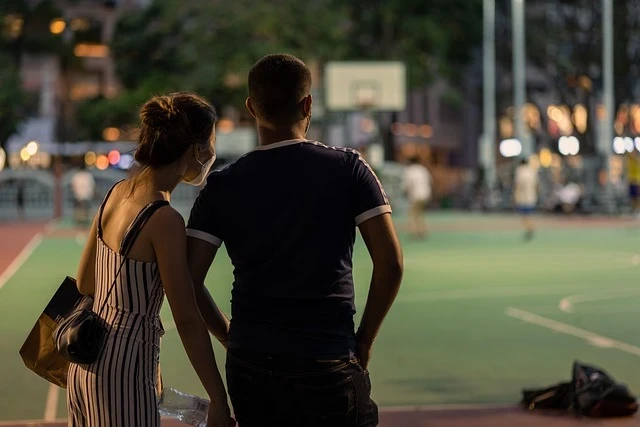
Harlem’s basketball-court shooting stands as a brutal reminder that public recreation spaces are not insulated from the pressures of urban violence. A venue designed for youth, sport, and communal energy was instead transformed into a site of fatal disorder, underscoring a reality city officials and community leaders cannot ignore: safety in shared civic spaces is a structural obligation, not an afterthought. When gunfire erupts during a sports event, the harm extends far beyond the immediate victim; it tears through families, traumatizes bystanders, and destabilizes the social trust that makes neighborhood life possible.
The core message is severe and unmistakable. These incidents do not happen in a vacuum, and they are rarely “random” in the civic sense. They expose how summer tournaments, crowded parks, and open-access courts can become pressure points where conflict, retaliation, visibility, and insufficient supervision collide. The tragedy also sharpens a broader policy question: what can realistically reduce violence in places where children and young adults are supposed to gather safely? The answer lies in disciplined prevention, coordinated policing, credible community engagement, and environmental design that reduces opportunity for harm.
To understand the meaning of this event, one must treat it as part of a recurring urban pattern rather than as an isolated headline. Public basketball courts are magnets for social activity, competition, and neighborhood identity. They are also open, volatile spaces where disputes can escalate quickly when formal safeguards are weak. The incident therefore speaks to a larger operational challenge: how municipalities protect recreational life without turning parks into militarized zones. That balance requires precision, restraint, and policy maturity. The following analysis breaks the issue into its essential layers: public safety, youth exposure, violence dynamics, and realistic prevention.
On This Page
Recreation as a Civic Promise, and Why It Breaks
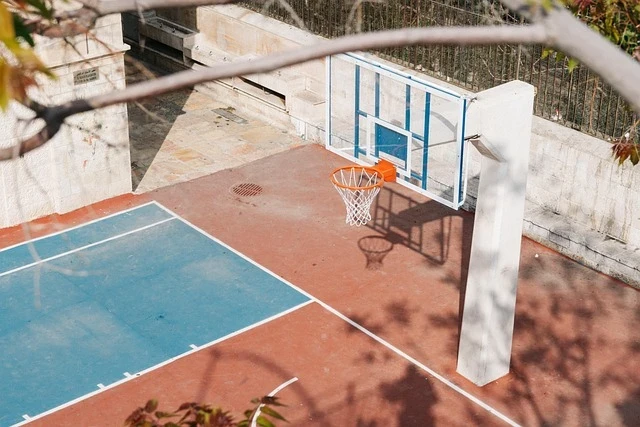
Urban recreation spaces exist to do more than entertain. They provide informal supervision, youth development, physical activity, and a legitimate arena for competition. In neighborhoods that often lack abundant safe gathering places, a basketball court becomes a social institution. That is exactly why violence there is so corrosive. It does not merely interrupt a game; it contaminates the meaning of the space itself. The public begins to associate recreation with risk, and once that trust erodes, participation drops, youth retreat, and the street regains psychological control.
The mechanics of such breakdowns are familiar to anyone who studies violence prevention. High visibility, crowded gatherings, rival groups, emotionally charged competition, and weak deterrence create a dangerous mix. Courts may also sit near transit corridors or commercial strips, making escape and concealment easier. When summer events draw larger audiences, the risk rises because the volume of people increases the likelihood of conflict, confusion, and collateral harm. Effective prevention must therefore start with the architecture of the event itself, not merely the aftermath of the shooting.
from dataclasses import dataclass

@dataclass(frozen=True)
class VenueRisk:
    visibility: int
    crowd_density: int
    escape_routes: int
    supervision: int
    prior_incidents: int

def risk_score(v: VenueRisk) -> int:
    positive = v.visibility + v.crowd_density + v.prior_incidents
    protective = v.escape_routes + v.supervision
    return positive - protective

court = VenueRisk(visibility=8, crowd_density=9, escape_routes=3, supervision=2, prior_incidents=6)
print(risk_score(court))
Public Space Fails When Guardianship Fails
A court is only as safe as the guardianship surrounding it. That guardianship includes event organizers, recreation staff, nearby residents, transit personnel, and law enforcement working in concert. When one layer is missing, a predictable vulnerability emerges. The problem is not merely the presence of offenders; it is the absence of friction that would have slowed, detected, or redirected them. Public order is built through layers of observable care, and recreational safety depends on exactly that discipline.
During summer tournaments, guardianship must be active rather than ceremonial. This means visible staff, controlled entry points where appropriate, rapid communication channels, and rules that are enforced with consistency. It also means identifying repeat flare-up zones and treating them as operational priorities. If a court is known to attract disputes, then the response should be proportional and preventive. Waiting for another tragedy is not policy; it is negligence in slow motion.
def patrol_priority(crowd, incidents, lighting, cameras):
    return (crowd * 2) + (incidents * 3) - lighting - cameras

sites = {
    "Lenox_Ave_Court": {"crowd": 8, "incidents": 7, "lighting": 4, "cameras": 3},
    "School_Yard_Court": {"crowd": 5, "incidents": 2, "lighting": 7, "cameras": 6},
}

for name, s in sites.items():
    score = patrol_priority(s["crowd"], s["incidents"], s["lighting"], s["cameras"])
    print(name, score)
That logic is the backbone of any serious recreation-safety model. The point is not surveillance for its own sake. The point is deterrence, quick response, and visible reassurance. When communities can see competent stewardship, they are more likely to keep using the space, which itself is a protective factor. Abandoned or feared spaces invite disorder; active, cared-for spaces narrow the room for predatory behavior.
The Social Cost Exceeds the Headlines
The death of a former college player intensifies the emotional weight of the event because it reveals how violence can erase promise in an instant. Yet the broader damage is communal. Children witness fear, families change their routines, and local institutions absorb the cost of grief and mistrust. A single shooting can poison a whole season of neighborhood life, especially when it occurs in a place that should symbolize aspiration, discipline, and healthy competition.
Policy debates often focus too narrowly on arrests or after-the-fact punishment. Those measures matter, but they do not touch the deeper contamination of social confidence. Prevention must be measured not only by reductions in incidents but also by whether residents return to parks, whether youth leagues continue, and whether parents again believe that a basketball court is a legitimate place for their children. That is the real standard of success.
Where violence repeatedly enters recreational life, the city must respond with a seriousness equal to the harm. That means strategic scheduling, conflict mediation, improved lighting, event registration, and rapid crisis response. It also means refusing to normalize the unacceptable. A neighborhood should never have to choose between recreation and safety. Both are basic civic duties, and both must be defended with equal resolve.

What Prevention Can Actually Do
Prevention succeeds when it is concrete, layered, and measurable. That begins with situational design: better lighting, predictable staffing, perimeter awareness, and coordinated event management. It also includes violence interruption by trusted local figures who can de-escalate conflict before weapons appear. Courts are not abstract spaces; they are physical systems with identifiable vulnerabilities. If officials understand those vulnerabilities, they can reduce opportunity without suffocating public life. That is the correct balance.
There is no magical solution, and no credible policy should pretend otherwise. But there are practices with demonstrated value: targeted patrols around known hot spots, youth outreach, conflict mediation, rapid reporting tools, and structured communication between organizers and public-safety agencies. The objective is not to criminalize recreation. The objective is to make the environment resilient enough that a single dispute does not metastasize into death. Prevention is thus an engineering problem as much as a social one.
def safety_index(light, staff, reporting, design):
    return (light * 0.25) + (staff * 0.35) + (reporting * 0.20) + (design * 0.20)

court_plan = {
    "lighting": 8,
    "staff_presence": 7,
    "reporting_speed": 6,
    "design_quality": 5,
}

print(round(safety_index(
    court_plan["lighting"],
    court_plan["staff_presence"],
    court_plan["reporting_speed"],
    court_plan["design_quality"]
), 2))
Prevention Requires Coordination, Not Symbolism
Symbolic measures fail because they substitute appearance for function. A one-day patrol surge, a press conference, or a vague promise to “do better” will not protect children at a public court. Real protection depends on interlocking responsibilities. Police must target patterns, not just respond to incidents. City agencies must invest in space quality. Community groups must have the resources to mediate tension. Schools and youth programs must keep alternatives available when public spaces deteriorate.
To be effective, prevention must operate before, during, and after events. Before the event, organizers should map risk, secure routes, and establish rules. During the event, staff should monitor behavior and communicate quickly. After the event, agencies should review what happened, identify gaps, and adjust the model. This is the discipline of public safety: continuous learning rather than reactive ritual. Anything less leaves the same court exposed to the same fate.
That is why this shooting matters beyond Harlem. It represents a pattern seen in cities where recreation, crowding, and insecurity converge. If policymakers want healthier youth spaces, they must treat courts as essential infrastructure. They must fund them, supervise them, and defend them. Anything less is a rhetorical commitment, not a civic one.
class InterventionPlan:
    def __init__(self, lighting, staffing, outreach, surveillance):
        self.lighting = lighting
        self.staffing = staffing
        self.outreach = outreach
        self.surveillance = surveillance

    def readiness(self):
        return (self.lighting + self.staffing + self.outreach + self.surveillance) / 4

plan = InterventionPlan(8, 7, 9, 6)
print(f"{plan.readiness():.1f}")- 01
- 02
- 03
- 04
Why Summer Tournaments Become Flashpoints
Summer basketball tournaments are culturally valuable because they concentrate community life, athletic ambition, and neighborhood pride. Yet that same density can magnify conflict. Warm-weather events draw larger crowds, extend into evening hours, and attract participants whose relationships may already be strained. In that setting, a grievance can become a confrontation with very little warning. Public officials must therefore stop treating tournaments as casual gatherings. They are high-attention environments that demand planning equal to their social importance.
The lesson is not to cancel these events. It is to harden them intelligently. That means clearer scheduling, better crowd segmentation, stronger communication with local leaders, and a willingness to interrupt volatile situations before they ignite. When youth spaces are well managed, they can serve as stabilizers rather than stress multipliers. When they are not, they become predictable flashpoints. The difference between the two outcomes is not luck. It is design, discipline, and follow-through.
events = [
    {"name": "Weekend_Tournament", "risk": 8, "control": 5},
    {"name": "Weekday_Clinic", "risk": 3, "control": 8},
]

for event in events:
    adjusted = event["risk"] - event["control"]
    print(event["name"], adjusted)
Community Trust Is the Final Metric
In the end, public safety is judged not only by incident counts but by whether people trust the space again. If parents return, if children play, if local teams continue to gather, then prevention has achieved something meaningful. If the court empties out in fear, the violence has won more than a single night. It has stolen civic confidence. That is why the response must be patient, visible, and honest about what is and is not working.
Trust cannot be commanded; it must be earned through consistency. Residents notice when officers show up only after tragedy and disappear after the cameras leave. They notice when lights remain broken, when outreach is underfunded, and when no one follows up. Real authority in public safety comes from reliability. A well-run court communicates that the neighborhood is being defended, not merely managed.
Harlem’s tragedy should therefore be read as a warning and a mandate. It warns that youth recreation spaces remain exposed to lethal disruption. It also mandates a more serious approach to prevention—one that treats safety as infrastructure, not sentiment. That is the only intellectually honest response to a death that should never have happened.
We Also Published
The Policy Bottom Line
This tragedy should be treated as a test of institutional seriousness. If city systems cannot secure a basketball court during a public event, then the weakness extends beyond one neighborhood. It reflects how urban safety is prioritized, funded, and executed. Good policy does not merely react to gunfire. It reduces the conditions that allow gunfire to enter spaces meant for youth, recreation, and collective life. The standard must be simple and unsparing: a public court should feel safer because the city is present, competent, and prepared.
The broader message is not despair; it is accountability. Prevention is possible, but only if authorities stop relying on broad promises and start building reliable systems. That requires intelligence-driven deployment, civic partnership, and environmental control. Most importantly, it requires treating the protection of youth spaces as a non-negotiable public duty. Harlem’s loss is therefore not just a story of violence. It is a measure of whether urban society is willing to defend the places where community is supposed to flourish.
#!/usr/bin/env bash
set -euo pipefail

site="public_basketball_court"
checks=("lighting" "staffing" "reporting" "crowd_flow" "mediation")

for check in "${checks[@]}"; do
  echo "Reviewing $site: $check"
done
<section class="court-safety">
<h2>Safety Plan</h2>
<ul>
<li>Visible staff</li>
<li>Working lights</li>
<li>Fast reporting</li>
</ul>
</section>const safeguards = [
"lighting",
"event marshals",
"conflict de-escalation",
"emergency routing"
];
console.log(safeguards.join(" | "));.court-safety {
background: #f8fafc;
border-left: 4px solid #0ea5e9;
padding: 16px;
line-height: 1.6;
}From our network :
- Committed Mediterranean Precipitation Decline: Why Emissions Cuts Alone Cannot Restore Winter RainsNew NOAA research reveals that Mediterranean winter rains may decline irreversibly even with emissions cuts. Explore the science of committed climate change and regional impacts.
- Analyzing Hoya Corporation’s Midday Volume Shifts and Financial FundamentalsExamine Hoya Corporation’s midday trading volume contraction, technical moving averages, robust solvency ratios, and stellar quarterly earnings performance.
- Former Soap Stars Embark on Ambitious Writing Projects and Theatrical StagesDiscover how former soap opera actors are transitioning into independent scriptwriting and high-profile theatrical stage productions.
- CISA’s Ten-Advisory Wave: Why Generic Patching Fails in OT and How to Build Product-Specific PlaybooksCISA released ten ICS advisories in one week, exposing critical infrastructure risks. Generic patching fails in OT. Learn to build product-specific remediation playbooks.
- Norbert’s Uncertain Path: Why Hawaii’s Storm Watch Demands Patience Over PanicTropical Storm Norbert strengthens in the Eastern Pacific with winds near 50 mph, forecast to reach Category 1 hurricane status by Friday. Long-range models disagree sharply on whether Hawaii faces any threat around September 19–23, making official guidance essential.
- The Final Descent: How ESA Retired the Legendary Cluster Constellation After 24 Years of Space Weather ScienceAfter 24 years mapping Earth’s magnetosphere, ESA’s Cluster mission concluded with a precisely controlled reentry over the South Pacific. This analysis explores the scientific legacy, engineering decisions, and debris mitigation principles behind one of space exploration’s most responsible retirements.
- How AI Agents Will Change the Way We Manage Personal FinancesExplore how AI agents are transforming personal finance through automated budgeting, bill payment, and investment management, while examining the critical security protocols and governance frameworks required for safe deployment.
- Forbidden Matrix Patterns and Visible Lattice Points: A Geometric DictionaryExplore how multidimensional 0–1 matrices encode geometric truths, linking forbidden patterns to visible lattice points and hypergraph theory, with applications in combinatorics and computational geometry.
- The Hidden Cost of AI Convenience: Why Over-Permissioned Agents Are a Security Time BombDiscover why AI agents with excessive permissions create dangerous single points of failure, and learn how implementing least privilege principles can protect your organization from exploitation.
RESOURCES
- D.A. Bragg Awards $300000 To Local Initiatives To Prevent Summer ...manhattanda.orgJun 1, 2026 ... ... youth gun violence prevention initiatives this summer. For the ... youth with prevention tools and public safety mechanisms.” –…
- Harlem mass shooting: College basketball player Darius Lee killed ...fox5ny.comJun 20, 2022 ... At least one person was killed after multiple people were shot during a gathering in East Harlem. East HarlemNYPDCrime and…
- D.A. Bragg Awards $295,000 To Local Initiatives To Prevent Youth ...manhattanda.orgJun 3, 2025 ... ... Harlem to engage youth who are victims of gun violence. Through ... Through this partnership we have reduced violence…
- Harlem Mass Shooting: Gun battle between 2 groups killed college ...fox5ny.comJun 21, 2022 ... Darius Lee, a 21-year-old college basketball standout, was killed in a shooting in Harlem, police said. ... HarlemNYPDCrime and Public…
- European basketball player Kinu Rochford killed as bullets fly at ...nydailynews.com1 day ago ... Crime and Public Safety | European basketball player Kinu Rochford killed… ... Similarly, Harlem Assemblyman Jordan Wright called the shooting…
- Transcript: Mayor Adams Meets With Bronx Community and Makes ...nyc.govAug 28, 2025 ... Transcript: Mayor Adams Meets With Bronx Community and Makes Public-Safety-Related Announcement ... You can't tell, because youth violence in ...
- Saturday Night Lights brings kids and cops together to ... - Instagraminstagram.comFeb 15, 2025 ... afternoon's joint basketball tournament with Ballin Up in Harlem showcased why offering young ... Public safety does not take care…
- Two boys and two young men wounded in Harlem street shootingnydailynews.comJun 21, 2026 ... More in Crime and Public Safety. A large group of people were attending the tournament behind an apartment building on…
- Espaillat, Harlem Community Leaders Demand Justice in Murder of ...espaillat.house.govJun 22, 2022 ... ... basketball star Darius Lee and mass shooting that injured eight others ... Espaillat for his leadership in Congress to…
- Garfield Heights' mayor has closed park basketball courts after a ...facebook.comJun 8, 2026 ... Anti-youth-violence community leaders lament shooting death of girl ... It is a community concern about crime and public safety.
- 01
- 02
- 03
- 04
- 05
- 06
- 07
- 08
0 Comments