On This Page
The Death of the Static Pose
In the final days of May 2026, the US boudoir community is abuzz with the definitive shift toward Cinematic Storytelling. The era of the stiff studio pose is officially being replaced by movement-heavy, narrative-driven sessions.
This trend, which has peaked this wedding season, focuses on capturing the moments between the poses. Photographers are now employing techniques traditionally reserved for indie film to create galleries that feel like private, high-end movie trailers.
This movement is largely a response to the authenticity wave that has dominated US social media. Clients are no longer interested in looking perfect according to a standard template; they want to look like protagonists.
Studios in Nashville, Austin, and Portland report that over 60% of their 2026 bookings specifically requested dark and moody lighting. This is a sharp departure from the light and airy look of the last decade.
The focus is now on the story, the mood, and the raw emotion of the subject. This makes 2026 the most artistic year for boudoir photography to date, requiring a complete rethink of traditional posing guides.
The Shift to Narrative Storytelling
Narrative boudoir is about more than just skin; it is about the journey of the individual. Every frame serves as a plot point in a larger story, documenting a day in the life of the subject.
Clients are seeking a deeper connection with their images, wanting to see their personality reflected in the shadows. This approach requires photographers to act as directors, guiding subjects through emotional beats rather than just physical angles.
The storytelling aspect often involves personal props or specific locations that hold meaning. By weaving these elements together, the photographer creates a cohesive visual poem that feels timeless and deeply personal to the client involved.
Success in this niche requires an understanding of character arcs and visual pacing. It is no longer enough to take a beautiful photo; the artist must curate a sequence that evokes a specific, powerful feeling.
As the US market matures, the demand for these narrative sets continues to grow. It represents a move toward self-expression and away from the performative nature of traditional glamour shots seen in previous years.
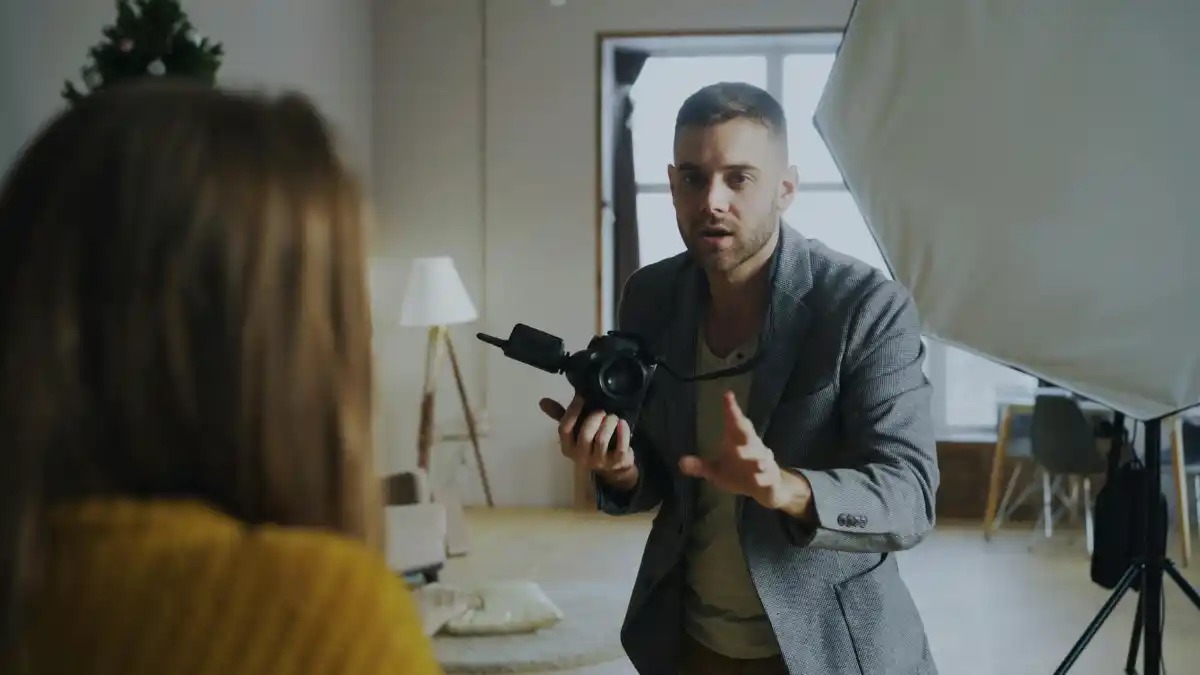
A professional photographer directing a boudoir session in a moody, historic apartment. The lighting is dramatic, using soft window light and shadows to create a cinematic, storytelling atmosphere.
The Authenticity Wave in 2026
Authenticity is the primary currency of the 2026 photography market. Clients are rejecting the heavy retouching of the past in favor of real skin textures, natural expressions, and even the occasional intentional imperfection in the frame.
This wave is driven by a societal push toward self-acceptance and genuine representation. People want to see themselves as they truly are, but through a lens that celebrates their inherent beauty without masking their unique character.
Photographers are responding by using softer focus and natural grain to create a filmic look. This aesthetic feels more honest and less manufactured, which resonates deeply with the modern American consumer looking for realness.
The shift also impacts how sessions are marketed and sold. Instead of promising "perfection," studios are promising "revelation." They offer a space where clients can explore their identities without the pressure of conforming to traditional standards.
Ultimately, the authenticity wave is about empowerment through truth. It allows for a more diverse range of bodies and stories to be told, enriching the boudoir genre with a newfound sense of depth and integrity.
Embracing Movement and Motion Blur
Motion blur was once considered a technical error, but in 2026, it is a coveted artistic choice. It conveys a sense of fleeting time and ethereal beauty that static images simply cannot replicate for the viewer.
By using slower shutter speeds, photographers can capture the graceful sweep of a silk robe or the subtle turn of a head. This technique adds a dynamic quality to the gallery, making it feel alive.
To achieve the perfect blur, artists often balance their exposure settings carefully. For example, using a shutter speed of ##1/30## second allows for enough movement while maintaining the essential structural details of the subject's face.
This style pairs beautifully with the cinematic aesthetic, as it mimics the look of a film frame. It encourages the viewer to fill in the gaps of the movement, creating a more engaging visual experience.
Mastering motion blur requires practice and a keen eye for timing. It is about knowing exactly when to click the shutter to capture the essence of a gesture without losing the focus of the narrative.
Vintage Film Textures and Grain
The resurgence of vintage film textures is a hallmark of the 2026 boudoir trend. Digital files are now being processed to include heavy grain, light leaks, and color shifts that evoke a nostalgic, 1970s feel.
This aesthetic adds a layer of warmth and mystery to the images. It softens the digital sharpness that can sometimes feel cold or clinical, providing a tactile quality that feels more like a physical memory.
Many photographers are even returning to actual film cameras for a portion of their sessions. The unpredictable nature of film adds an element of surprise and artistry that digital sensors often struggle to replicate perfectly.
Grain is used strategically to enhance the mood of the photo. In darker scenes, a coarser grain can add grit and intensity, while a finer grain can provide a soft, romantic glow to the subject.
The goal is to create images that feel like they were discovered in an old attic. This sense of history and nostalgia makes the boudoir session feel like a classic piece of art rather than a modern.
Mastering the Moody Narrative
Mastering the moody narrative requires a deep understanding of light and shadow. It is not simply about underexposing an image; it is about placing light with extreme precision to highlight the most important story elements.
In 2026, the trend has moved toward a more cinematic approach to lighting. This involves using multiple light sources to create depth and dimension, rather than relying on a single large softbox for even coverage.
The use of shadows is just as important as the light itself. Shadows can hide, reveal, or emphasize different parts of the composition, allowing the photographer to guide the viewer's eye through the frame effectively.
This moody aesthetic is particularly effective for boudoir, as it creates an intimate and private atmosphere. It allows the subject to feel more comfortable, as they are not being blasted with bright, clinical studio lights.
As photographers master these techniques, they are able to create work that stands out in a crowded market. The moody narrative is a powerful tool for storytelling, offering a sophisticated alternative to traditional photography styles.
Continuous Lighting vs. Strobes
The shift toward cinematic boudoir has led to a significant increase in the use of continuous LED lighting. Unlike strobes, continuous lights allow the photographer to see exactly how the shadows fall in real-time.
This is essential for capturing the movement and subtle expressions that define the 2026 narrative style. It also facilitates a seamless transition between taking high-resolution still photos and recording short, atmospheric video clips for clients.
Continuous lighting provides a more natural look that mimics the way light behaves in the real world. It allows for a more relaxed environment, as there are no sudden flashes of light to distract the subject.
Modern LED panels offer incredible control over color temperature and intensity. This allows photographers to match the ambient light of a location or create dramatic, stylized effects with ease and precision during the shoot.
While strobes still have their place for high-speed action, continuous lighting is becoming the standard for narrative boudoir. It is the key to achieving that consistent, filmic look that 2026 clients are currently demanding.
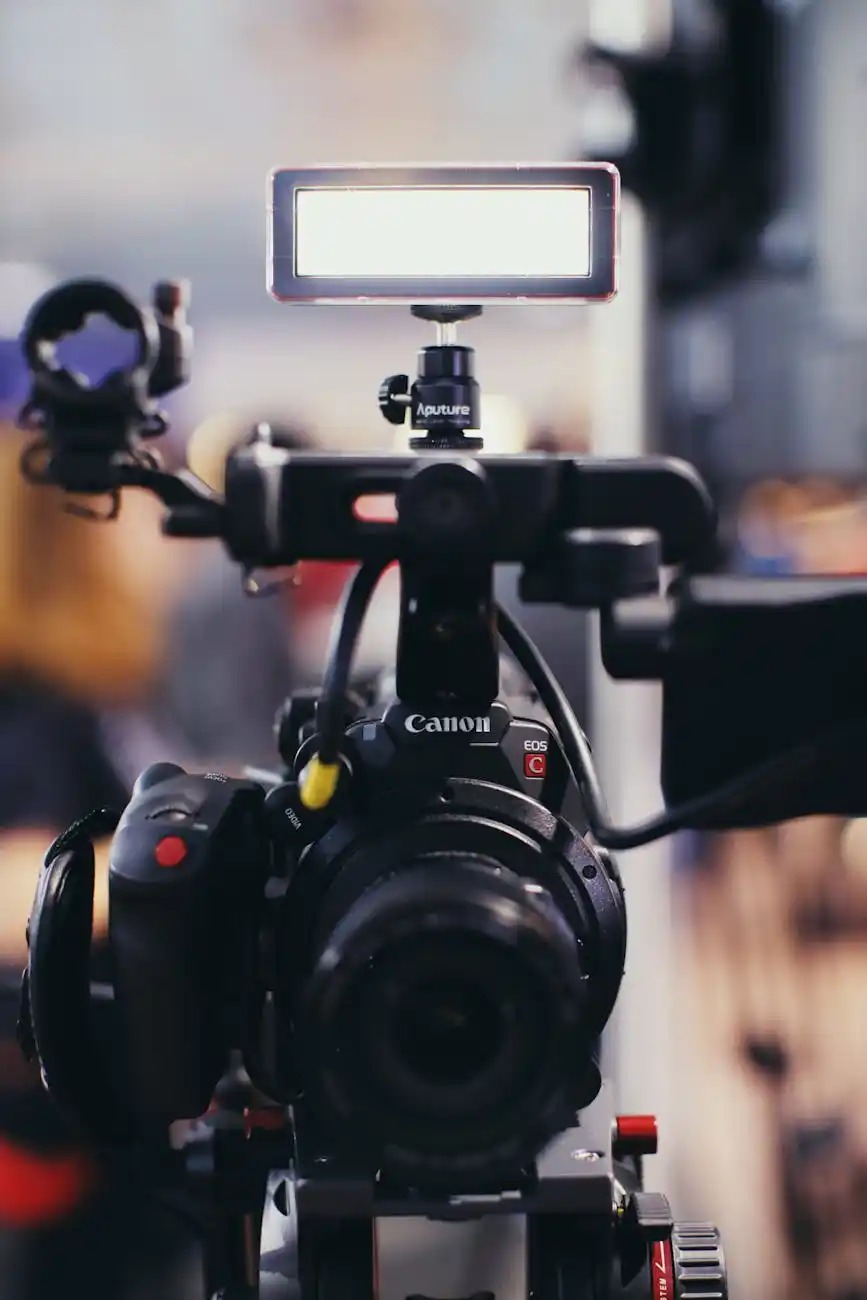
A close-up of a high-end LED continuous light panel in a photography studio, casting a warm, cinematic glow on a velvet backdrop, illustrating the shift from traditional flash to modern lighting.
Chiaroscuro Techniques in Boudoir
Chiaroscuro, the Italian term for "light-dark," is a classic art technique that is seeing a massive revival in 2026 boudoir. It involves using strong contrasts between light and dark to create a three-dimensional effect.
This technique is perfect for sculpting the human body. By carefully placing a single light source, a photographer can highlight the curves and contours of the subject while letting the rest of the body fade.
The dramatic contrast of chiaroscuro creates a sense of drama and tension. It makes the subject appear as if they are emerging from the darkness, which adds a powerful narrative element to the entire photo set.
To master this, one must understand the inverse square law of light. The intensity of light changes according to the formula
, where distance plays a crucial role in shadow density.
By manipulating the distance and angle of the light, photographers can create a wide range of moods. From soft and romantic to bold and intense, chiaroscuro offers endless possibilities for creative expression in boudoir.
Hybrid Video-Photo Workflows
The 2026 client expects more than just a gallery of images; they want a multi-media experience. Hybrid workflows, which combine photography and videography, have become the standard for top-tier boudoir studios across the USA.
Photographers are now capturing short "mood films" alongside their stills. These clips are often high-grain and out-of-focus, focusing on the atmosphere and the sound of the environment rather than a clear, literal depiction.
We Also Published
Managing a hybrid workflow requires a high level of technical skill. The artist must be able to switch between photo and video settings quickly, ensuring that the visual style remains consistent across both different mediums.
This approach offers a more comprehensive way to tell the subject's story. While a photo captures a moment, a video captures the rhythm and soul of the session, providing a much more immersive and emotional.
Studios that offer hybrid packages are seeing a significant increase in revenue. These "Cinematic Reels" are highly shareable on social media, serving as both a beautiful keepsake for the client and a powerful marketing tool.
Sound and Atmosphere in Sessions
In the world of cinematic boudoir, the atmosphere of the session is just as important as the final images. This includes everything from the music playing in the studio to the scents in the air.
Photographers are increasingly using soundscapes to help subjects get into character. Whether it is the sound of rain, jazz, or ambient lo-fi, the right audio can significantly influence the mood and movement of the subject.
This focus on atmosphere helps to create a "safe container" for the client. When the environment feels curated and intentional, the subject is more likely to relax and allow their true narrative to emerge naturally.
Some studios are even incorporating sound into the final product. "Audio-visual galleries" combine the photos with recorded snippets of the subject's thoughts or the ambient sounds of the room, creating a truly unique sensory experience.
By considering the sensory details of the session, photographers can elevate their work from a simple service to a transformative experience. This holistic approach is a key driver of the 2026 narrative photography trend.
- 01
- 02
- 03
- 04
Strategic Implications for Artists
The shift toward cinematic narrative has profound implications for the business of photography. It requires a transition in both gear and mindset, as artists must now think like directors and producers to be successful.
Investing in continuous lighting and video-capable cameras is no longer optional. Photographers who fail to adapt to the hybrid demand risk being left behind in a market that increasingly values movement and multi-media storytelling over stills.
Furthermore, the role of the photographer is expanding. They are now expected to be art directors, helping clients craft a cohesive theme and narrative for their shoot, from wardrobe selection to the final gallery curation.
This shift also opens up new opportunities for collaboration. Photographers are working more closely with stylists, makeup artists, and even set designers to create high-production value sessions that feel like a professional film set.
As we move through 2026, the ability to tell a compelling story will be the primary differentiator for boudoir artists. Those who can master the narrative will find themselves at the forefront of the industry.
Location Scouting as Art
In 2026, the studio is no longer the only place for boudoir. Location scouting has become an art form in itself, with photographers seeking out architecturally significant Airbnbs, historic hotels, and rugged outdoor settings.
The location serves as a character in the narrative, providing context and texture to the story. A minimalist loft tells a very different story than a Victorian mansion or a secluded forest clearing during the sunset.
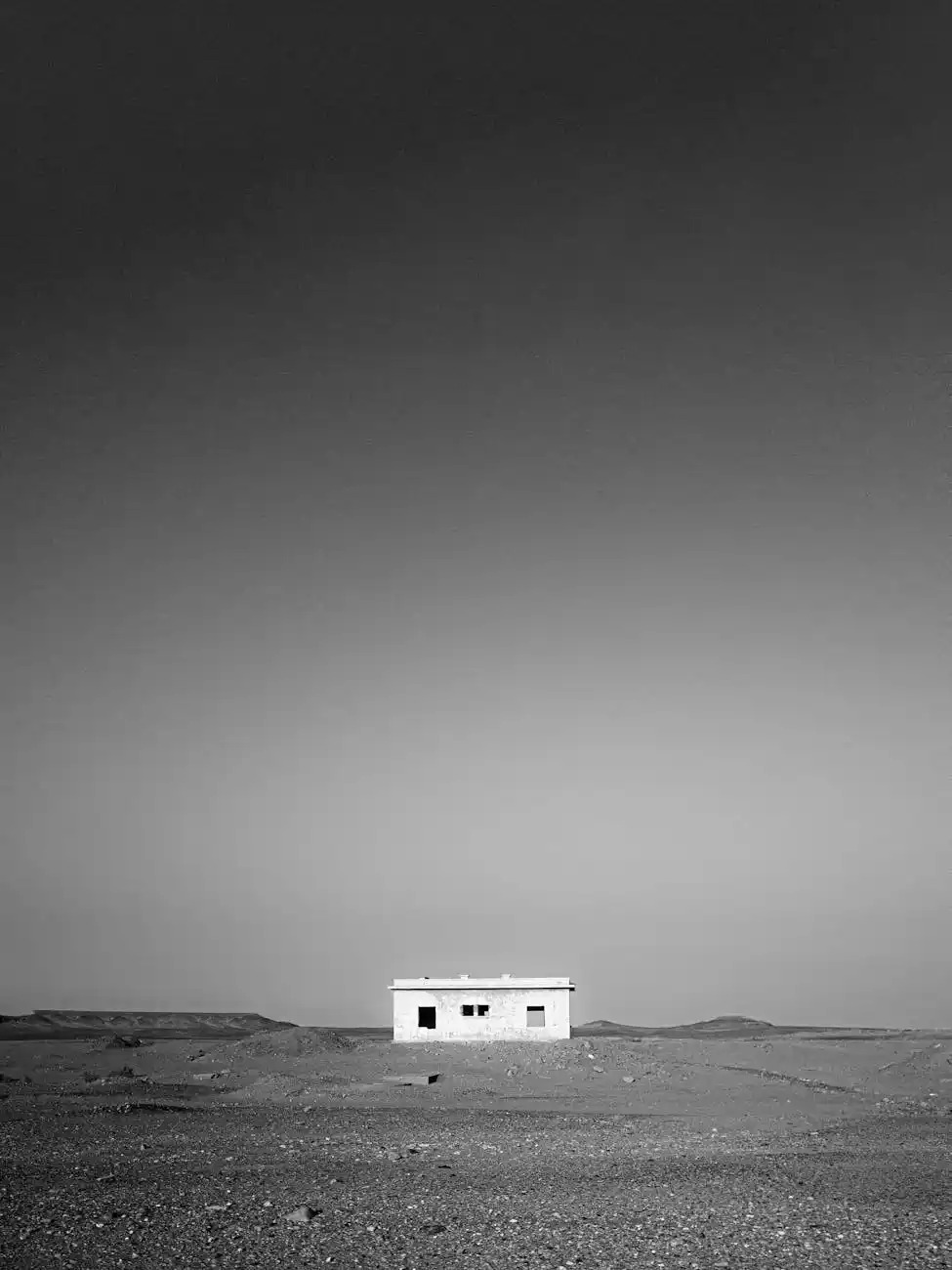
A wide shot of a stunning, minimalist desert home with floor-to-ceiling windows, used as a location for a cinematic boudoir shoot, showcasing the importance of architectural settings in 2026.
Choosing the right location requires a deep understanding of the client's personality and the desired mood. It involves considering the natural light, the available textures, and the overall "vibe" of the space before the shoot.
This trend toward location-based boudoir allows for more variety and creativity. It moves away from the "cookie-cutter" studio look and offers clients a more unique and personalized experience that feels like a real adventure.
Photographers who excel at location scouting can command higher prices. They are offering not just a photo session, but access to an exclusive and beautiful environment that enhances the overall narrative of the final images.
The Role of the Art Director
The modern boudoir photographer must also be a skilled art director. This involves guiding the visual style of the session from start to finish, ensuring that every element aligns with the chosen cinematic narrative and theme.
Art direction starts with the initial consultation. The photographer works with the client to develop a mood board, selecting colors, textures, and lighting styles that will tell the most effective and compelling story for them.
During the session, the art director manages the flow and composition of each shot. They look for the small details—the way a curtain falls, the placement of a hand—that contribute to the overall cinematic feel.
This level of involvement builds trust with the client. When they see that the photographer has a clear vision and is paying attention to every detail, they are able to relax and fully inhabit their role.
Successful art direction results in a gallery that feels cohesive and intentional. It elevates the work from a collection of pretty pictures to a sophisticated body of art that tells a powerful and resonant story.
Pricing Narrative Packages
Pricing for cinematic boudoir is shifting away from "per-image" models toward "experience-based" packages. These packages reflect the increased time, skill, and equipment required to produce a high-end narrative set and hybrid video content.
A standard narrative package in 2026 often includes a pre-shoot consultation, location scouting, a full day of shooting, and a curated gallery of both stills and video. This comprehensive approach justifies a much higher price point.
Photographers are also offering "add-ons" like custom-designed albums that read like a storyboard or high-definition digital frames for displaying cinematic reels. These products provide additional value and revenue streams for the studio's business.
The shift in pricing requires clear communication with the client. Photographers must be able to explain the value of the narrative approach and why it is a more meaningful investment than a traditional, pose-heavy session.
By positioning their work as a premium, artistic experience, boudoir photographers can attract high-end clients who are willing to pay for quality. This leads to a more sustainable and fulfilling career in the long run.
Future Trends for 2027
As we look toward 2027, the cinematic trend shows no signs of slowing down. We expect to see even more integration of technology, such as augmented reality (AR) elements in digital boudoir galleries for clients.
The focus on authenticity will likely evolve into "hyper-realism," where the raw, unpolished moments are celebrated even more. This could include behind-the-scenes footage becoming a standard part of the final narrative package for the user.
Sustainability will also become a key factor in the photography industry. From eco-friendly printing processes to supporting local, ethical fashion brands for wardrobe, photographers will need to align with the values of their clients.
The global influence on boudoir will continue to grow, with styles from Europe and Asia blending with the US cinematic aesthetic. This will result in a more diverse and rich visual language for the genre.
Ultimately, the future of boudoir is about the human connection. No matter how much technology changes, the core of the art will always be about capturing the beauty, strength, and story of the individual subject.
From our network :
- How AI Agents Will Change the Way We Manage Personal FinancesExplore how AI agents are transforming personal finance through automated budgeting, bill payment, and investment management, while examining the critical security protocols and governance frameworks required for safe deployment.
- Forbidden Matrix Patterns and Visible Lattice Points: A Geometric DictionaryExplore how multidimensional 0–1 matrices encode geometric truths, linking forbidden patterns to visible lattice points and hypergraph theory, with applications in combinatorics and computational geometry.
- Analyzing Hoya Corporation’s Midday Volume Shifts and Financial FundamentalsExamine Hoya Corporation’s midday trading volume contraction, technical moving averages, robust solvency ratios, and stellar quarterly earnings performance.
- Norbert’s Uncertain Path: Why Hawaii’s Storm Watch Demands Patience Over PanicTropical Storm Norbert strengthens in the Eastern Pacific with winds near 50 mph, forecast to reach Category 1 hurricane status by Friday. Long-range models disagree sharply on whether Hawaii faces any threat around September 19–23, making official guidance essential.
- The Hidden Cost of AI Convenience: Why Over-Permissioned Agents Are a Security Time BombDiscover why AI agents with excessive permissions create dangerous single points of failure, and learn how implementing least privilege principles can protect your organization from exploitation.
- Former Soap Stars Embark on Ambitious Writing Projects and Theatrical StagesDiscover how former soap opera actors are transitioning into independent scriptwriting and high-profile theatrical stage productions.
- The Final Descent: How ESA Retired the Legendary Cluster Constellation After 24 Years of Space Weather ScienceAfter 24 years mapping Earth’s magnetosphere, ESA’s Cluster mission concluded with a precisely controlled reentry over the South Pacific. This analysis explores the scientific legacy, engineering decisions, and debris mitigation principles behind one of space exploration’s most responsible retirements.
- Committed Mediterranean Precipitation Decline: Why Emissions Cuts Alone Cannot Restore Winter RainsNew NOAA research reveals that Mediterranean winter rains may decline irreversibly even with emissions cuts. Explore the science of committed climate change and regional impacts.
- CISA’s Ten-Advisory Wave: Why Generic Patching Fails in OT and How to Build Product-Specific PlaybooksCISA released ten ICS advisories in one week, exposing critical infrastructure risks. Generic patching fails in OT. Learn to build product-specific remediation playbooks.
RESOURCES
- Emma entered my giveaway just before she and Caleb got engaged ...instagram.comFeb 24, 2026 ... 72 likes, 14 comments - carlislejphotography on February 24, 2026: "Emma entered my giveaway just before she and Caleb got…
- Bridal Boudoir Photography on Film | Denver Bridal Boudoirmaryanncraddock.comBridal boudoir photography is more than just a fleeting trend. It's a unique way to celebrate and capture the essence of a bride's femininity…
- should I do these kinds of fine art sessions more often ... - Instagraminstagram.com5 days ago ... Photo by Vintage Photography & Authentic Styling on May 23, 2026. May be an.
- Wedding Photography Trends for 2026: A Return to Intention, Artistry ...squareeyephoto.comJan 8, 2026 ... Film aesthetics are also playing a larger role—not as a novelty, but as a philosophy. Couples are gravitating toward images…
- I'm Restarting My Film Photography Journey in 2026. Here's How I'm ...diyphotography.netJan 13, 2026 ... I'm returning to film photography in 2026. From cameras and film stocks to developing and scanning, here's my plan to…
- Get into this film outtake from my 2026 calendar shoot! Available for ...facebook.comOct 15, 2025 ... I create images that breathe, move, and make you feel something. Striving to stand out rather than blend with the…
- 2026 Photography Trend Prediction: AI Meets Film Aestheticsdiyphotography.netJan 21, 2026 ... 2026 photography trend insights reveal five major shifts shaping photography, plus why AI and film aesthetics are rising together.
- Boudoir Photography Trends for 2026 - Behindmudbehindmud.comJul 4, 2025 ... Visual Aesthetics: Moody, Minimal, and Masterful. Say goodbye to overly bright, filtered looks. Bold, moody tones with cinematic lighting are…
- Why I'm Shooting Film Again | Des Moines Wedding Photographerjenniferweinmanphotography.comThis trend towards loving the look of film has grown quite a bit in the photography world, and it got me ... COPYRIGHT 2026…
- Boudoir Maternity Session | Houston Photographeralymateiphoto.comApr 29, 2019 ... video shared on Tue Mar 31 2026 | A trend that I pray never goes out ... video shared on…
- Best Film Lightroom Presetsembracepresets.com1. True‑to‑Color Skin Tones · 2. Film‑Like Contrast Curves · 3. Natural Highlight Roll‑Off · 4. Organic Grain Structure · 5. · Portrait &…
- Miami Couples Photographer | Alexis + Alex at Mae's Roomdmargherite.com22 hours ago ... carousel album shared on Fri May 22 2026 | Call them trends if you want, ... image shared on Fri…
- Wedding Photography 2026: Tips & moments for Your Dallas-Fort ...lonestarmansion.comNov 6, 2025 ... FAQs: What Are the Top Wedding Photography Trends for 2026 in Texas? – Documentary-Style with Candid Shots – Editorial With…
- Sedona Elopement Photographer | Danae + Jonny in Arizonadmargherite.comFeb 25, 2026 ... carousel album shared on Fri May 22 2026 | Call them trends if you want, ... image shared on Fri…
- About Me - Sarah Heath Photographysarahheathphotography.comThe result is a collection of timeless, cinematic photographs that tell your story—full of feeling, intention, and love. Refined wedding imagery for the modern ...
- 01
- 02
- 03
- 04
- 05
- 06
- 07
- 08
0 Comments