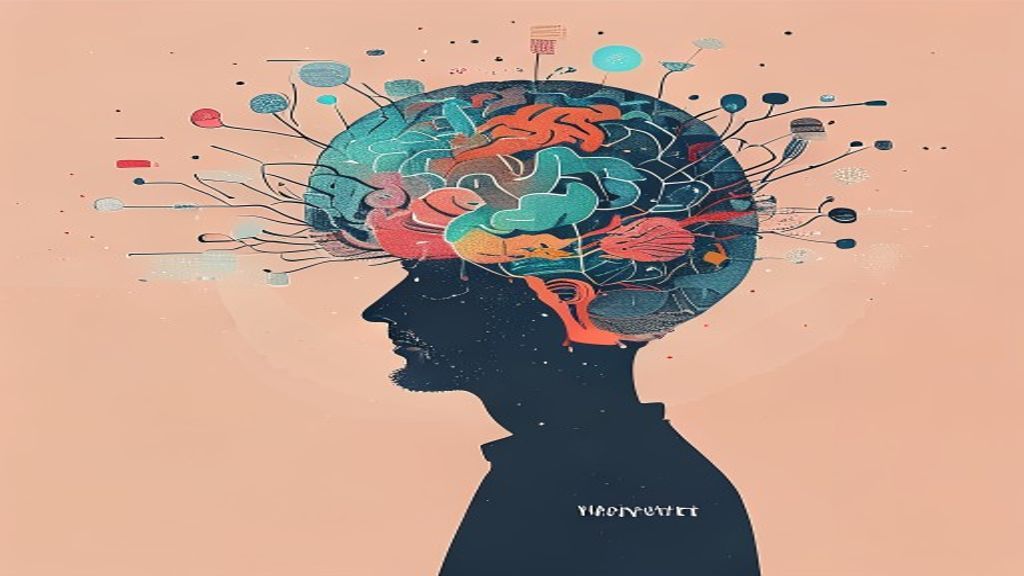
The Psychological Mechanics of Performance Anxiety
Performance anxiety is not merely a lack of confidence; it is a complex physiological reaction to perceived pressure. When the mind focuses on potential failure, the body responds by preparing for a physical threat.
This mental state creates a feedback loop where worry leads to physical symptoms, which then increase the initial worry. Understanding this cycle is the essential first step toward regaining control over your body.
The psychological burden often stems from societal expectations regarding masculinity and sexual prowess. These external pressures can manifest as internal critics that judge every physical sensation or perceived lack thereof during intimate moments.
Professional intervention often focuses on identifying these triggers and replacing them with more realistic expectations. By demystifying the process, men can begin to view intimacy as a shared experience rather than a solo test.
Ultimately, the goal is to transition from a state of hyper-vigilance to one of relaxed presence. This transition requires patience, practice, and a willingness to explore the mind-body connection without judgment or shame.
Understanding the Fight-or-Flight Response
When the brain perceives a threat, it initiates a survival mechanism known as fight-or-flight. In sexual contexts, this threat is often the fear of failing to perform or satisfy a partner’s high expectations.
This activation leads to the release of adrenaline and cortisol into the bloodstream immediately. These hormones prioritize blood flow to the limbs for survival rather than to the reproductive organs for sustained sexual arousal.
Adrenaline acts as a natural vasoconstrictor, which narrows blood vessels throughout the entire body. For men, this physiological shift makes maintaining an erection difficult, as the blood cannot stay trapped in the tissue.
The body essentially enters a state of high alert that is incompatible with relaxation. Since arousal requires the parasympathetic nervous system to be dominant, the sympathetic nervous system’s dominance halts the entire process.
Recognizing that this response is biological rather than a personal failure is vital. It allows individuals to view their physical reactions as a natural, albeit misplaced, safety mechanism of the human nervous system.
The Phenomenon of Spectatoring
Spectatoring occurs when a person steps outside their own body to observe their performance. Instead of experiencing pleasure, they become a critic, analyzing their erection, their movements, and their partner's perceived reactions.
This cognitive detachment creates a wall between the individual and the sensory experience of intimacy. The more you watch yourself, the less you feel, which inevitably leads to a decrease in physical arousal levels.
The "spectator" is often looking for signs of failure, which reinforces the anxiety loop. This hyper-focus on the self prevents the brain from processing the erotic stimuli necessary to maintain a steady physical response.
In psychological terms, this is a form of divided attention where the analytical mind overrides the sensory mind. The brain cannot effectively process pleasure while it is simultaneously grading a performance for quality.
Breaking this habit involves consciously redirecting focus back to the partner and the immediate sensations. Learning to silence the internal observer is a skill that requires consistent practice and mindful awareness during sex.
Neurochemical Barriers to Arousal
The neurochemistry of anxiety is fundamentally opposed to the neurochemistry of sexual desire and arousal. While dopamine and oxytocin facilitate connection, high levels of cortisol and adrenaline actively inhibit the body’s sexual responses.
Mathematical models of arousal often suggest a balance between excitation and inhibition. If we let ##E## represent excitation and ##I## represent inhibition, the state of arousal ##A## can be viewed as ##A = E - I##.
When performance anxiety is present, the value of ##I## increases significantly due to the stress response. Even if the excitation ##E## is high, the resulting arousal ##A## may drop below the necessary threshold.
Chronic anxiety can also lower the baseline levels of testosterone over time, further complicating the issue. This creates a physiological environment where the body is less responsive to the psychological triggers of sexual desire.
Restoring neurochemical balance involves reducing the inhibitory signals sent by the brain's amygdala. By lowering stress through various techniques, the body can return to a state where dopamine can effectively drive arousal.
Breaking the Cycle of Anticipatory Anxiety
Anticipatory anxiety begins long before the intimate encounter actually takes place. It involves worrying about potential failure hours or even days in advance, setting the stage for a self-fulfilling prophecy of performance issues.
This mental rehearsal of failure primes the nervous system to react with stress as soon as intimacy begins. The brain associates the bedroom with pressure rather than pleasure, creating a conditioned response of fear.
To break this cycle, one must challenge the catastrophic thoughts that occur during the day. Replacing "What if I fail?" with "I will focus on the connection" helps to reshape the mental narrative.
Setting realistic expectations is also crucial for reducing the weight of anticipation. If the goal is simply to enjoy time together, the pressure to achieve a specific physical outcome is greatly diminished.
Consistent positive experiences, even small ones, help to overwrite the previous negative associations. Over time, the brain learns that intimacy is safe, allowing the anticipatory anxiety to gradually fade away and disappear.

Grounding techniques are essential for pulling the mind out of an anxious spiral and back into the body. These methods focus on immediate physical sensations to disrupt the cognitive patterns of performance anxiety.
By engaging the senses, you can bypass the analytical part of the brain that fuels spectatoring. These exercises are often used in clinical settings to help patients manage various forms of acute anxiety.
Physical grounding works by signaling to the nervous system that there is no immediate danger. When the body feels safe and present, it can naturally transition back into a state of relaxation and arousal.
Consistency is key when implementing these strategies, as they are skills that improve with regular use. Practicing them outside of the bedroom can make them more effective when they are needed most during intimacy.
The following sections detail specific, therapist-approved methods for achieving this state of grounding. Each technique offers a different way to reconnect with your physical self and your partner in the moment.
Mindfulness and Breathwork Techniques
Mindfulness involves paying attention to the present moment without passing any judgment on the experience. In the bedroom, this means focusing entirely on the touch, smell, and sound of the current intimate encounter.
Deep, diaphragmatic breathing is a powerful tool for hacking the nervous system to reduce stress. By slowing the breath, you send a direct signal to the brain to deactivate the fight-or-flight response immediately.
Try a simple technique like "box breathing," where you inhale, hold, exhale, and hold for four seconds each. This rhythmic pattern helps to stabilize the heart rate and calm the mind during moments of tension.
When you notice your thoughts drifting toward performance, gently redirect your focus back to your breath. This act of redirection is the core of mindfulness and helps to maintain a steady physical presence.
Over time, mindful breathing becomes an automatic response to stress, allowing you to stay grounded. It bridges the gap between the mind and body, ensuring that you remain a participant rather than a spectator.
Sensory-Focused Touch (Sensate Focus)
Sensate Focus is a classic therapeutic technique designed to reduce performance pressure by banning intercourse temporarily. The goal is to explore touch for the sake of pleasure rather than for achieving an orgasm.
Couples begin by touching non-genital areas, focusing purely on the texture, temperature, and sensation of the skin. This removes the "test" aspect of sex and allows both partners to relax into the physical experience.
As comfort increases, the exercises gradually include more intimate areas, but the focus remains on sensation. This slow progression helps to rebuild confidence and reduces the anxiety associated with the final "performance" goal.
By removing the pressure to achieve an erection, the body is often able to respond more naturally. Many men find that their physical responses return once the expectation of a specific outcome is removed entirely.
This technique also improves communication between partners, as they must discuss what feels good in real-time. It fosters a deeper emotional connection, which is a powerful antidote to the isolation of performance anxiety.
We Also Published
Progressive Muscle Relaxation Methods
Progressive Muscle Relaxation (PMR) involves systematically tensing and then releasing different muscle groups throughout the body. This practice helps individuals recognize the difference between physical tension and a state of total relaxation.
Anxiety often causes subconscious muscle tension, which can interfere with the body’s natural blood flow and arousal. By consciously releasing this tension, you create a more receptive environment for pleasure and physical response.
Start at the toes and work your way up to the face, tensing each group for five seconds. When you release the tension, focus on the sensation of the muscle becoming heavy, warm, and loose.
Practicing PMR daily trains the body to remain relaxed even when the mind is under slight pressure. This physical training is invaluable for men who carry stress in their pelvic floor or abdominal muscles.
During intimacy, if you feel anxiety rising, a quick scan and release of tense muscles can help. It serves as a physical reset button that brings your awareness back to a calm, grounded state.
Reconnecting with Somatic Awareness
Somatic awareness is the ability to perceive internal physical sensations, such as your heartbeat or the feeling of air. Developing this skill allows you to stay "in" your body rather than retreating into your thoughts.
Exercises like the "body scan" can enhance this awareness by directing attention to every part of the anatomy. This practice helps to identify where anxiety is held physically and allows for its conscious release.
When you are intimately engaged, try to identify three distinct physical sensations you are feeling right now. It could be the warmth of skin, the weight of a hand, or the texture of the sheets.
This simple grounding exercise forces the brain to process sensory data, which competes with the anxious thoughts. The more sensory data the brain processes, the less room there is for the internal critic to speak.
Reconnecting with the body is a journey of rediscovery that moves away from performance and toward experience. It transforms intimacy from a task to be completed into a rich, sensory journey shared with another.

A serene, high-quality photograph of two people's hands gently intertwined on soft linen, focusing on the texture and the concept of 'grounding' through touch, with soft, natural lighting.
- 01
- 02
- 03
- 04
Cognitive Shifts and Communication
While physical techniques are vital, lasting change often requires a shift in how you think about sex. Moving away from a performance-oriented mindset involves redefining what a successful sexual encounter actually looks like.
Communication with your partner is the most effective tool for reducing the isolation that anxiety creates. When both partners are on the same page, the pressure to "perform" is replaced by mutual support.
Cognitive reframing helps to challenge the perfectionism that often fuels performance anxiety in many men today. By changing the internal dialogue, you can reduce the power that fear holds over your physical body.
This section explores how to build a healthier mental framework for intimacy and how to involve your partner. These cognitive shifts are essential for long-term success and for maintaining a fulfilling and healthy relationship.
Addressing the mental roots of anxiety ensures that the physical techniques have a solid foundation to work upon. It is about creating a lifestyle of self-compassion and open, honest dialogue with those you love.
Redefining Intimacy Beyond Performance
Many men view sex as a linear process that must end in a specific way to be successful. This "all or nothing" thinking creates immense pressure and makes any deviation feel like a total failure.
Redefining intimacy means valuing all forms of connection, including cuddling, kissing, and deep conversation as equally important. When the goal is simply "connection," it is impossible to fail, which immediately lowers the anxiety levels.
Consider the ratio of pleasure to performance in your mind during an intimate encounter with your partner. If ##R = P_{pleasure} / P_{performance}##, your goal should be to maximize this value as much as possible.
When the focus is on mutual pleasure rather than a specific physical outcome, the body can relax. This relaxation is paradoxically the very thing that allows the body to function as it was naturally intended.
Intimacy is a broad spectrum of experiences that do not always require a perfect physical response to be meaningful. Embracing this complexity allows for a more resilient and enjoyable sex life for both involved partners.
Effective Communication with Your Partner
Performance anxiety often thrives in silence, where it can grow into a source of deep shame and resentment. Talking openly with your partner about your feelings can instantly dissipate much of the built-up tension.
Explain that your physical response is a result of anxiety and not a lack of attraction to them. This prevents the partner from feeling rejected, which in turn reduces the pressure you feel to perform.
Use "I" statements to describe your experience, such as "I feel a bit in my head tonight." This keeps the conversation focused on your internal state rather than placing blame or creating a conflict.
A supportive partner can help by taking the lead or suggesting activities that don't require a performance. Knowing that your partner is an ally rather than a judge changes the entire dynamic of the room.
Vulnerability is a powerful aphrodisiac that can deepen the emotional bond between two people significantly over time. Honest communication transforms a private struggle into a shared journey toward greater intimacy and mutual understanding.
Cognitive Reframing of Sexual Success
Cognitive reframing involves identifying negative thought patterns and replacing them with more balanced and helpful perspectives. For example, instead of thinking "I must be hard," try thinking "I am here to enjoy."
Perfectionism is the enemy of pleasure, as it sets an unattainable standard for a natural, variable physical process. Accepting that every encounter will be different is a key part of the cognitive reframing process.
Challenge the belief that your worth as a partner is tied solely to your physical performance in bed. You bring much more to the relationship than just a physical response, including kindness, humor, and support.
When a negative thought arises, ask yourself if it is actually true or just a product of fear. Most of the time, the "catastrophic" outcomes we fear in our heads never actually happen in reality.
By training the mind to be more forgiving, you create a mental environment where arousal can naturally flourish. Reframing is not about ignoring the problem, but about viewing it through a lens of growth.
Long-term Maintenance and Self-Compassion
Overcoming performance anxiety is a process that involves both ups and downs over a period of time. Practicing self-compassion during the "down" times is essential for preventing a relapse into the old anxiety cycles.
Do not beat yourself up if you have a difficult night; instead, acknowledge it as a normal occurrence. Every man experiences fluctuations in his physical response due to stress, fatigue, or other external life factors.
Maintain a healthy lifestyle, as physical health supports mental health and improves the body’s overall resilience to stress. Regular exercise, good sleep, and a balanced diet all contribute to a more responsive and healthy body.
Continue to use the grounding and mindfulness techniques even when things are going well in your intimate life. This reinforces the positive habits and ensures that you remain connected to your body and your partner.
Ultimately, the goal is to foster a relationship with yourself that is based on understanding rather than judgment. With time and patience, you can move from a state of anxiety to one of lasting confidence.
From our network :
- The Hidden Cost of AI Convenience: Why Over-Permissioned Agents Are a Security Time BombDiscover why AI agents with excessive permissions create dangerous single points of failure, and learn how implementing least privilege principles can protect your organization from exploitation.
- Analyzing Hoya Corporation’s Midday Volume Shifts and Financial FundamentalsExamine Hoya Corporation’s midday trading volume contraction, technical moving averages, robust solvency ratios, and stellar quarterly earnings performance.
- Former Soap Stars Embark on Ambitious Writing Projects and Theatrical StagesDiscover how former soap opera actors are transitioning into independent scriptwriting and high-profile theatrical stage productions.
- The Final Descent: How ESA Retired the Legendary Cluster Constellation After 24 Years of Space Weather ScienceAfter 24 years mapping Earth’s magnetosphere, ESA’s Cluster mission concluded with a precisely controlled reentry over the South Pacific. This analysis explores the scientific legacy, engineering decisions, and debris mitigation principles behind one of space exploration’s most responsible retirements.
- Norbert’s Uncertain Path: Why Hawaii’s Storm Watch Demands Patience Over PanicTropical Storm Norbert strengthens in the Eastern Pacific with winds near 50 mph, forecast to reach Category 1 hurricane status by Friday. Long-range models disagree sharply on whether Hawaii faces any threat around September 19–23, making official guidance essential.
- CISA’s Ten-Advisory Wave: Why Generic Patching Fails in OT and How to Build Product-Specific PlaybooksCISA released ten ICS advisories in one week, exposing critical infrastructure risks. Generic patching fails in OT. Learn to build product-specific remediation playbooks.
- Committed Mediterranean Precipitation Decline: Why Emissions Cuts Alone Cannot Restore Winter RainsNew NOAA research reveals that Mediterranean winter rains may decline irreversibly even with emissions cuts. Explore the science of committed climate change and regional impacts.
- Forbidden Matrix Patterns and Visible Lattice Points: A Geometric DictionaryExplore how multidimensional 0–1 matrices encode geometric truths, linking forbidden patterns to visible lattice points and hypergraph theory, with applications in combinatorics and computational geometry.
- How AI Agents Will Change the Way We Manage Personal FinancesExplore how AI agents are transforming personal finance through automated budgeting, bill payment, and investment management, while examining the critical security protocols and governance frameworks required for safe deployment.
RESOURCES
- When He's "In His Head": How to Ease Performance Anxiety (Action ...ubiehealth.comApr 13, 2026 ... Performance anxiety is a common stress response that interrupts erections despite desire; easing it starts with removing pressure, ...
- MALE SEXUAL PERFORMANCE ANXIETYnationalsocialanxietycenter.comThis performance mindset leads many men to be self-conscious, self-critical, worried, tense and anxious while being sexual.
- Sexual Performance Anxiety: Causes, Symptoms, and Treatmentswebmd.comOvercoming Sexual Performance Anxiety · Be open with your partner. Talking with your partner about your anxiety can help ease some of your worries.…
- How To Overcome Sexual Performance Anxietyhealth.clevelandclinic.orgSep 30, 2024 ... It's estimated that up to 25% of men and 16% of women are affected. What causes it? And what can…
- I'm a Neuroscientist. Here's How to Overcome Sexual Performance ...hims.comUltimately, though, sexual performance anxiety can affect men of all ages and backgrounds. In effect, it can be a drag on your emotions and…
- Understanding and Overcoming Performance Anxiety Sextherapygroupdc.comResearch shows that 9% to 25% of men and 6% to 16% of women experience sexual performance anxiety. The good news? It's treatable, and…
- Overcoming Sexual Performance Anxiety - Verywell Healthverywellhealth.comTherapy · Cognitive behavioral therapy (CBT) is the most common type of talk therapy used to treat sexual performance anxiety in men and women.…
- Men who have/had performance anxiety, what tips do you ... - Redditreddit.comApr 26, 2021 ... Things you should do: be encouraging. Tell them they're hot, turning you on. Reassure them, tell them to take all…
- Depression and anxiety in men with sexual dysfunction - PubMedpubmed.ncbi.nlm.nih.govDepression and anxiety affect a substantial minority of men with sexual dysfunction. Men ... anxiety disorders and sexual performance anxiety merit further
- How to Overcome Sexual Performance Anxiety - It Begins Withinibwhc.comOct 11, 2025 ... Cognitive Behavioral Therapy (CBT) is one of the most effective approaches for overcoming performance anxiety because it directly targets the ...
- One Surprising Cause for Male Performance Anxietypsychologytoday.comOct 30, 2020 ... The likely culprit is love. It is quite common for men to experience sexual dysfunction when the initial intensity in…
- Sexual Performance Anxiety | LloydsPharmacy Online Doctor UKonlinedoctor.lloydspharmacy.comSexual performance anxiety is feeling anxious or nervous about having sex. These feelings can get in the way of you having sex.
- The role of performance anxiety in the development ... - APA PsycNetpsycnet.apa.orgThe role of performance anxiety in the development and maintenance of sexual dysfunction in men and women. Citation. McCabe, M. P. (2005).
- Performance anxiety and erectile dysfunction - Medical News Todaymedicalnewstoday.comPerformance anxiety typically results from a person's negative thoughts about their ability to perform well during sexual activity. A person may be worrying ...
- Overcoming Performance Anxiety and ED in Young Mengamedaymenshealth.comMar 28, 2025 ... Young men with ED often face performance anxiety. Learn how to manage ED in young men and overcome psychological barriers…
- 01
- 02
- 03
- 04
- 05
- 06
- 07
- 08
0 Comments