On This Page
Italian Elegance Hits Bengaluru: Carpisa’s Grand Indian Debut
The grand opening of Carpisa in Bengaluru marks a pivotal moment for the Indian accessory market. This Italian giant brings a fresh perspective on how global brands should approach the diverse Indian consumer base today.
Located at the prestigious Phoenix Market City Mall, the flagship store is a testament to the brand's commitment. It reflects a sophisticated blend of European aesthetics and the vibrant energy of local retail environments.
Consul General Giandomenico Milano graced the event, emphasizing the strengthening ties between Italy and India. This cultural exchange is vital for brands looking to establish long-term roots within the subcontinent’s rapidly expanding economic landscape.
Style icon Sobhita Dhulipala also attended, lending her unique charm to the proceedings. Her presence underscores the brand’s appeal to modern, fashion-forward individuals who value both history and contemporary trends in their lives.
As we look toward the future of retail, this launch serves as a blueprint for success. It combines strategic location, high-profile endorsements, and a clear understanding of what the modern Indian shopper truly desires.
Strategic Entry into the Garden City
Choosing Bengaluru as the first point of entry was a calculated move by Carpisa’s management team. The city has evolved into a mature luxury hub, boasting a demographic that is both well-traveled and discerning.
Historically, brands flocked to Mumbai or Delhi first, but the southern market offers a unique stability. Bengaluru's tech-driven economy has created a wealthy class that appreciates functional yet stylish Italian design and craftsmanship.
The city's retail infrastructure has also seen significant upgrades, making it an ideal testing ground. Brands can gauge consumer reactions in a cosmopolitan environment before rolling out larger nationwide expansion plans across India.
Market analysts suggest that the "Pulse Velocity" of Bengaluru’s retail sector is currently at an all-time high. This steady growth provides a safe harbor for international labels seeking to minimize initial entry risks.
By establishing a strong presence here, Carpisa is positioning itself to capture the loyalty of South India. This strategy recognizes that the region's purchasing power is now on par with traditional fashion capitals.

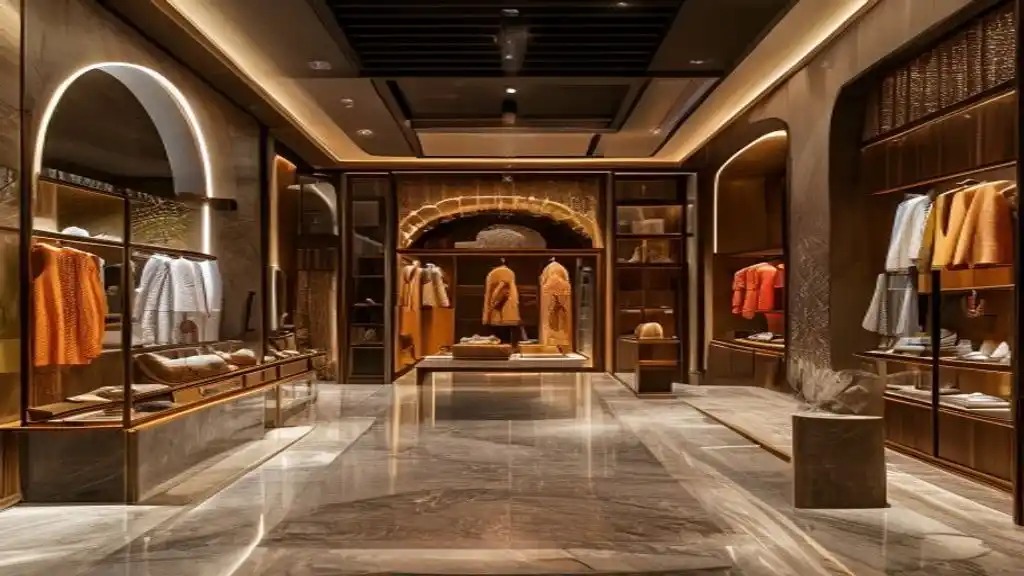
A wide shot of a modern, brightly lit luxury handbag store in a high-end mall, featuring sleek glass displays, Italian leather goods, and elegant shoppers in contemporary Indian attire.
The Partnership with Neopolis Brands
The collaboration with Neopolis Brands is a cornerstone of Carpisa’s strategy for the Indian subcontinent. Licensing partners provide the essential local expertise needed to navigate the complexities of the Indian regulatory environment effectively.
Neopolis Brands brings a deep understanding of logistics, supply chain management, and regional consumer behavior. This synergy allows Carpisa to maintain its global standards while adapting to the specific needs of the local market.
Successful international expansion often hinges on the strength of these local alliances and shared visions. Neopolis acts as a bridgehead, ensuring that the Italian heritage of the brand is communicated clearly to consumers.
This partnership is expected to streamline the opening of subsequent stores across various Tier-1 cities. By leveraging established retail networks, Carpisa can achieve a faster "go-to-market" speed than brands attempting to go solo.
For investors, this model represents a lower-risk entry into the high-growth "accessible luxury" segment. It combines the brand equity of an Italian leader with the operational excellence of an experienced Indian retail partner.
Accessible Luxury as a Growth Driver
The concept of "accessible luxury" is redefining the accessory segment in India during this 2026 season. It offers consumers the prestige of a global label without the extreme price tags of heritage houses.
Carpisa’s product range, which includes versatile handbags and durable luggage, fits perfectly into this niche. It caters to the aspirational needs of the middle class while maintaining a high standard of Italian quality.
In economic terms, the growth of this segment can be modeled by the following expression:
where G is growth, A is accessibility, S is style, and P is price.
Consumers are increasingly looking for value-driven luxury that does not compromise on the aesthetic experience. Carpisa’s entry addresses this gap, challenging local premium brands to elevate their own branding and manufacturing standards.
This competitive pressure is healthy for the industry, as it drives innovation and better customer service. As more international players enter, the organized retail space becomes more robust and attractive for global investment.
Scaling to a Hundred Stores
Carpisa has announced an ambitious roadmap to open over 100 stores across India in the coming years. This aggressive expansion plan signals their confidence in the long-term potential of the Indian retail landscape.
The strategy involves targeting high-traffic malls and premium high streets in both metro and emerging cities. This multi-tiered approach ensures that the brand reaches a wide variety of consumer segments and demographics.
Scaling at this magnitude requires a robust digital strategy to complement the physical store presence. Carpisa is expected to integrate e-commerce platforms to provide a seamless omnichannel experience for its growing customer base.
The 100-store goal is not just about numbers; it is about building a dominant brand identity. By being visible in every major city, Carpisa aims to become the go-to brand for Italian accessories.
This scale also allows for better economies of scale in marketing and distribution efforts. As the footprint grows, the brand can invest more in localized campaigns that resonate with specific regional cultural nuances.
Beyond the Saree: Krésha Bajaj Homme and Heritage Menswear
In Mumbai, Krésha Bajaj has made waves by officially venturing into the world of high-end menswear. Her debut collection, titled "The Smoking Room," is a masterful blend of tradition and modern sartorial elegance.
This move marks a significant evolution for the designer, who is widely known for her bridal wear. By expanding into menswear, she is addressing a growing demand for sophisticated, heritage-led clothing for men.
The collection was launched in an intimate setting that mirrored the refined atmosphere of a classic gentleman's club. It emphasizes the importance of the "experience" in luxury retail, moving beyond simple transactional selling models.
Bajaj’s approach is deeply personal, drawing inspiration from her family’s long-standing history in the tailoring business. This emotional connection adds a layer of authenticity that is highly valued by today’s luxury consumers.
As the Indian man becomes more fashion-conscious, collections like this provide a necessary alternative to mass-produced suits. They offer a sense of individuality and craftsmanship that is often missing in the contemporary market.
The Legacy of Badasaab
At the heart of "The Smoking Room" is a tribute to the late Kishor Bajaj, the founder of Badasaab. His legacy as a pioneer in Indian tailoring provides the foundation for Krésha’s new creative venture.
Badasaab was instrumental in shaping the way Indian men approached formal and ceremonial dressing for decades. Krésha aims to carry this torch forward while introducing a contemporary aesthetic that appeals to younger generations.
By honoring her father’s techniques, she ensures that the collection maintains a high level of technical proficiency. The focus on construction and fit is a direct nod to the golden era of bespoke tailoring.
This connection to heritage is a powerful marketing tool in the luxury sector. It tells a story of continuity and excellence, which helps build trust and prestige with a very discerning and loyal clientele.
The legacy of Badasaab lives on through these new designs, proving that traditional skills can be successfully modernized. It is a celebration of the past and a bold step into the future of fashion.
Quiet Luxury and Modern Restraint
The concept of "Quiet Luxury" has taken the Indian fashion world by storm this year. It prioritizes the quality of materials and the precision of the cut over flashy logos or temporary trends.
Krésha Bajaj’s new collection perfectly encapsulates this ethos of modern restraint. By focusing on the silhouette and the feel of the fabric, she creates pieces that speak volumes without needing to shout.
This shift suggests that Indian consumers are becoming more discerning in their choices. They are looking for investment pieces that offer longevity and a sense of personal identity rather than just following global fads.
The market sentiment reflects a steady pulse velocity in this segment. Analysts believe that the demand for understated elegance will continue to grow as the middle class seeks more meaningful ways to express wealth.
We see this trend manifesting in various sectors beyond just clothing. From home decor to high-end travel, the preference for subtle sophistication is becoming the new standard for the elite and aspiring classes.
We Also Published
Rituals of Dressing
For Krésha Bajaj, fashion is not just about the final garment; it is about the entire ritual of dressing. Her collection explores the psychological and emotional aspects of how men prepare for significant life events.
Each piece is designed to make the wearer feel a sense of confidence and poise. The attention to detail, from the lining to the buttons, contributes to a transformative experience when putting on the suit.
This focus on the "ritual" aligns with the broader trend of mindfulness in consumption. People are no longer just buying clothes; they are investing in how those clothes make them feel and the stories they tell.
The collection encourages men to take pride in their appearance and appreciate the artistry involved in garment creation. It promotes a slower, more intentional approach to fashion that values quality over sheer quantity.
By creating an emotional resonance, Bajaj ensures that her brand remains relevant in a crowded market. The ritual of dressing becomes a shared experience between the designer and the person wearing the final creation.
- 01
- 02
- 03
- 04
Fabric Innovation in Menswear
The use of softened natural fabrics is a standout feature of the "Krésha Bajaj Homme" debut. These materials offer a superior level of comfort and breathability, which is essential for the varied Indian climate.
Bajaj has experimented with rich, muted tones that provide a sophisticated palette for the modern man. These colors are versatile and timeless, ensuring that the garments remain fashionable for many years to come.
Innovation in fabric technology allows for classic silhouettes to be reimagined with a modern twist. The result is a collection that feels both familiar and refreshingly new, bridging the gap between two different worlds.
The emphasis on natural fibers also speaks to the growing demand for sustainability in the luxury sector. Consumers are increasingly aware of the environmental impact of their choices and prefer brands that prioritize eco-friendly materials.
These fabrics drape beautifully, enhancing the tailored fit that the brand is known for. It is this combination of material excellence and technical skill that defines the new standard for Indian heritage menswear.
New Delhi’s Luxury Map: Judith Leiber and the Art of the Object
While Bengaluru and Mumbai celebrate new launches, New Delhi continues to solidify its position as a global luxury hub. The arrival of Judith Leiber Couture at Chanakya Mall is a significant milestone for the city.
Known for its iconic crystal minaudières, Judith Leiber represents the pinnacle of specialized luxury. The brand’s first standalone store in India reflects a growing appetite for high-craft accessories that double as pieces of art.
New Delhi’s elite have long been collectors of global luxury, but the demand for niche brands is rising. These "conversation-piece" accessories are becoming essential for the city's vibrant social and cultural calendar events.
The store's design itself is a masterpiece, reflecting the glamour and whimsy of the brand’s collections. It provides an immersive environment where customers can appreciate the intricate details of each handcrafted evening bag.
This launch further diversifies the luxury landscape in the capital. It shows that the market is ready for brands that offer unique design narratives and high levels of exclusivity beyond the usual big-name logos.
The Minaudière as Art
A Judith Leiber minaudière is more than just a handbag; it is a collectible object of artistry. Each piece is meticulously crafted with thousands of crystals, often taking weeks of labor to complete by hand.
In New Delhi, these bags are viewed as heirlooms that can be passed down through generations. They represent a blend of fashion and fine art, making them highly desirable for serious collectors and enthusiasts.
The brand’s ability to turn everyday objects—like fruit or animals—into shimmering accessories is legendary. This playful yet sophisticated approach resonates with Indian consumers who enjoy making a bold, artistic statement with their style.
The market for such specialized items is growing as people seek out "investment" accessories. These pieces often retain their value over time, much like fine jewelry or rare watches in the global auction markets.
By positioning the minaudière as art, Judith Leiber taps into the cultural appreciation for craftsmanship in India. It elevates the accessory from a functional item to a central part of a person's artistic expression.
Mature Consumer Profiles in Delhi
The luxury consumer in New Delhi has matured significantly over the last decade. They are no longer solely focused on brand visibility but are now looking for depth, history, and unique craftsmanship.
This maturity is what makes the city an ideal location for a brand like Judith Leiber. The clientele understands the value of niche luxury and is willing to invest in pieces that offer true exclusivity.
Research indicates that Delhi's high-net-worth individuals are increasingly influenced by global art and design trends. This makes them more receptive to brands that push the boundaries of traditional fashion and accessory design.
The Chanakya Mall, with its curated selection of high-end international and Indian labels, provides the perfect ecosystem. It attracts a demographic that appreciates a refined shopping experience away from the mass-market crowds.
Understanding these consumer profiles is key for any brand looking to enter the Delhi market. It requires a strategy that emphasizes storytelling, heritage, and the unique value proposition of the product being offered.
Diversifying the Luxury Landscape
The presence of specialized heritage labels is changing the face of the Indian luxury market. It is moving away from a monolithic "big brand" culture toward a more diverse and nuanced ecosystem of labels.
This diversification allows for a wider range of price points and styles to coexist. It creates a more dynamic market where consumers have more choices and brands must work harder to differentiate themselves.
We are seeing a trend where niche international brands are partnering with local experts to enter the market. This collaborative approach ensures that the brand’s global identity is preserved while being tailored for India.
The growth of specialized retail zones, like the Chanakya in Delhi or Phoenix in Bengaluru, supports this trend. These locations provide the necessary infrastructure and prestige for high-end brands to thrive and grow.
As the landscape continues to evolve, we can expect more unique and specialized labels to make their mark. This will further enrich the fashion choices available to the modern and discerning Indian consumer.
Future Outlook for 2027 and Beyond
As we look toward 2027, the momentum in the Indian luxury sector shows no signs of slowing down. The successful launches of 2026 have set a high bar for future international brand entries.
We expect to see a continued focus on South India as a primary growth engine. Cities like Hyderabad and Chennai are likely to follow Bengaluru's lead in attracting high-end global fashion and lifestyle brands.
The digital transformation of luxury retail will also accelerate. Brands will need to find innovative ways to blend the physical and digital worlds to provide a truly personalized and high-end customer experience.
Sustainability and ethical production will become even more central to the luxury narrative. Consumers will demand greater transparency from brands regarding their sourcing and manufacturing processes across the entire global supply chain.
In conclusion, the Indian luxury market is entering a golden age characterized by heritage, craftsmanship, and strategic expansion. The future belongs to brands that can successfully bridge the gap between global elegance and local soul.
From our network :
- Norbert’s Uncertain Path: Why Hawaii’s Storm Watch Demands Patience Over PanicTropical Storm Norbert strengthens in the Eastern Pacific with winds near 50 mph, forecast to reach Category 1 hurricane status by Friday. Long-range models disagree sharply on whether Hawaii faces any threat around September 19–23, making official guidance essential.
- Former Soap Stars Embark on Ambitious Writing Projects and Theatrical StagesDiscover how former soap opera actors are transitioning into independent scriptwriting and high-profile theatrical stage productions.
- How AI Agents Will Change the Way We Manage Personal FinancesExplore how AI agents are transforming personal finance through automated budgeting, bill payment, and investment management, while examining the critical security protocols and governance frameworks required for safe deployment.
- Forbidden Matrix Patterns and Visible Lattice Points: A Geometric DictionaryExplore how multidimensional 0–1 matrices encode geometric truths, linking forbidden patterns to visible lattice points and hypergraph theory, with applications in combinatorics and computational geometry.
- Analyzing Hoya Corporation’s Midday Volume Shifts and Financial FundamentalsExamine Hoya Corporation’s midday trading volume contraction, technical moving averages, robust solvency ratios, and stellar quarterly earnings performance.
- The Hidden Cost of AI Convenience: Why Over-Permissioned Agents Are a Security Time BombDiscover why AI agents with excessive permissions create dangerous single points of failure, and learn how implementing least privilege principles can protect your organization from exploitation.
- CISA’s Ten-Advisory Wave: Why Generic Patching Fails in OT and How to Build Product-Specific PlaybooksCISA released ten ICS advisories in one week, exposing critical infrastructure risks. Generic patching fails in OT. Learn to build product-specific remediation playbooks.
- The Final Descent: How ESA Retired the Legendary Cluster Constellation After 24 Years of Space Weather ScienceAfter 24 years mapping Earth’s magnetosphere, ESA’s Cluster mission concluded with a precisely controlled reentry over the South Pacific. This analysis explores the scientific legacy, engineering decisions, and debris mitigation principles behind one of space exploration’s most responsible retirements.
- Committed Mediterranean Precipitation Decline: Why Emissions Cuts Alone Cannot Restore Winter RainsNew NOAA research reveals that Mediterranean winter rains may decline irreversibly even with emissions cuts. Explore the science of committed climate change and regional impacts.
RESOURCES
- Resources will be updated soon.
- 01
- 02
- 03
- 04
- 05
- 06
- 07
- 08
0 Comments