On This Page
The Evolution of Sustainable Shibari in India
Historical Roots of Jute Production
India’s relationship with jute spans several centuries, providing a sturdy foundation for various modern artistic expressions. Today, this golden fiber is being repurposed for Shibari, offering a tactile experience that synthetic materials cannot replicate.
The cultivation process in regions like West Bengal remains largely traditional, ensuring minimal environmental impact. This heritage allows Indian practitioners to tap into a resource that is both culturally significant and ecologically sound for ropework.
Historically, jute was used for industrial purposes, but its soft, fibrous nature makes it ideal for skin contact when treated correctly. The transition to artistic use represents a creative rebirth for this ancient Indian crop.
Sustainable farming practices ensure that the soil remains fertile for future generations of farmers. By choosing jute, the Shibari community supports a carbon-sequestering plant that requires far less water than cotton or synthetic alternatives.
This deep-rooted history provides a sense of authenticity to the Indian Shibari scene. It connects the practitioner not just to the rope, but to the very land where the fibers were grown and harvested.
Shifting from Synthetics to Natural Fibers
For years, the global market was dominated by nylon and polyester ropes due to their low cost. However, the Indian community is leading a significant shift back toward natural, biodegradable fibers like hemp and jute.
Synthetic ropes often shed microplastics during use, which can be harmful to both the practitioner and the environment. Natural fibers eliminate this risk, providing a cleaner and more breathable experience for everyone involved.
The tactile feedback of natural rope is often described as more "grounded" and "responsive" than plastic counterparts. This sensory advantage is a primary driver for practitioners moving toward sustainable kits in urban Indian hubs.
Natural fibers also possess a unique ability to age gracefully, developing a soft patina over time. Unlike synthetics that fray and degrade into waste, jute ropes become more comfortable and beautiful with consistent, proper care.
This shift reflects a broader global trend toward conscious consumerism within the lifestyle and art sectors. Practitioners are increasingly willing to invest in quality materials that align with their personal ethical and environmental values.
The Aesthetic Appeal of Organic Ropes
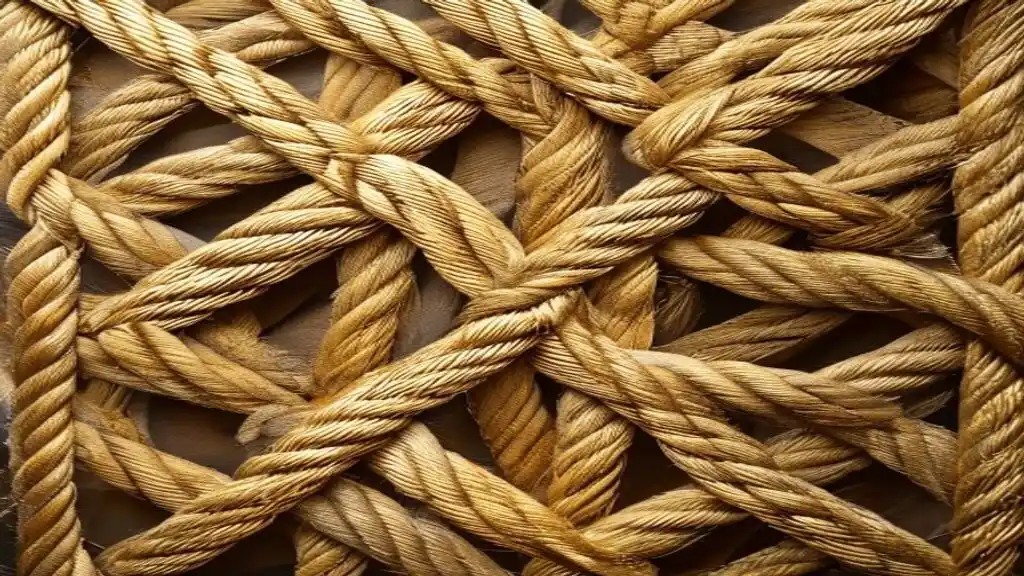
Organic jute ropes possess a natural, golden luster that adds a sophisticated visual element to Shibari sessions. This aesthetic is highly sought after by photographers and artists looking to capture the raw beauty of rope.
The irregularities in hand-spun rope provide a unique character that mass-produced items lack entirely. Each coil tells a story of craftsmanship, making every tie a one-of-a-kind masterpiece that reflects the soul of the artist.
When combined with natural dyes, organic ropes can achieve a vibrant palette without the use of harsh chemicals. This allows for creative expression while maintaining the integrity of the eco-friendly philosophy that defines the movement.
The visual harmony between the human body and natural fibers creates a powerful artistic statement. It emphasizes a return to nature and a rejection of the sterile, industrial aesthetic common in many modern subcultures.
Practitioners often find that the organic look complements the meditative aspects of the practice. The warmth of the fiber enhances the emotional connection between participants, making the experience more profound and visually captivating.

A close-up, artistic shot of a person's hands skillfully weaving a thick, natural golden jute rope. The lighting is warm and cinematic, highlighting the texture of the fibers and the grace of the movement.
Modern Retreats and Community Growth
Recent retreats in the Western Ghats have showcased the growing popularity of sustainable practices. These gatherings focus not only on technical skills but also on the ethics of material sourcing and environmental stewardship.
Community leaders are fostering an environment where knowledge about rope care and sustainability is openly shared. This collaborative spirit is essential for the long-term growth and health of the Indian Shibari scene today.
Workshops now frequently include sessions on how to identify high-quality, ethically produced jute. Educating practitioners about the supply chain empowers them to make informed decisions that benefit local artisans and the planet simultaneously.
The growth of these retreats indicates a strong demand for immersive, values-driven experiences. Participants are looking for more than just a hobby; they are seeking a community that mirrors their commitment to sustainability.
As the community expands, it continues to influence the global stage with its unique "Glocal" approach. By blending international techniques with local materials, India is carving out a distinct identity in the world of art.
Economic and Ethical Impact on Local Industries
Empowering West Bengal Weavers
The rise of Sustainable Shibari has created a niche market for high-grade jute produced by traditional weavers. This demand provides a vital source of income for artisan families in rural West Bengal and Bihar.
By working directly with these weavers, practitioners can ensure that fair wages are paid for their skills. This direct-to-consumer model bypasses exploitative middlemen, ensuring that the wealth stays within the local weaving communities.
Artisans are being encouraged to revive ancient weaving patterns that were nearly lost to industrialization. The collaboration between artists and weavers is a beautiful example of how modern trends can preserve traditional cultural heritage.
The precision required for Shibari rope—which must be smooth, strong, and consistent—challenges weavers to refine their craft. This leads to higher quality standards and opens up new opportunities for artisans in international markets.
Supporting local industries reduces the carbon footprint associated with importing ropes from overseas. It is a win-win situation that strengthens the local economy while promoting a more sustainable and ethical global trade model.
Fair Trade Practices in Fetish Gear
The "Green Kink" movement is setting a new standard for transparency and fairness in the production of gear. Ethical sourcing is no longer an afterthought but a central pillar of the Indian rope community.
Practitioners are demanding documentation regarding the labor conditions under which their equipment was made. This pressure is forcing manufacturers to adopt better practices, ensuring that no one is exploited in the name of art.
Fair trade principles extend beyond the rope to include wooden toggles, metal rings, and storage bags. Every component of a sustainable kit is scrutinized to ensure it meets the community's high ethical and environmental standards.
This commitment to fairness builds trust within the community and enhances the reputation of Indian-made products. It proves that a passion for rope art can coexist with a deep respect for human rights and dignity.
As more practitioners adopt these values, the market for mass-produced, unethical gear is beginning to shrink. This shift is a powerful reminder that consumer choices can drive positive change in even the smallest industries.
We Also Published
Innovations in Vegan Leather Alternatives
Beyond jute, the Indian scene is experimenting with vegan leather alternatives made from pineapple and cactus fibers. These materials offer a cruelty-free option for harnesses and other accessories used in modern rope art.
Urban centers like Bangalore and Mumbai are at the forefront of this material innovation. Designers are finding that these plant-based leathers are durable, breathable, and aesthetically pleasing, making them a perfect fit for Shibari.
The use of bio-materials reduces the environmental impact associated with traditional leather tanning, which often involves toxic chemicals. This transition is a key component of the broader eco-conscious shift in the Indian community.
Innovation in this space is also creating new business opportunities for Indian startups focused on sustainable textiles. These companies are finding a receptive audience among practitioners who value both style and environmental ethics.
As these materials become more accessible, they are likely to become a staple in the kits of conscious practitioners. The fusion of high-tech bio-fabrics with ancient rope techniques represents the future of sustainable art.
India as a Global Hub for Eco-Kink
India’s unique position as a major producer of natural fibers makes it a natural leader in the eco-kink movement. International practitioners are increasingly looking to India for high-quality, ethically produced rope and accessories.
The "Made in India" label is becoming synonymous with sustainability and craftsmanship in the global rope community. This reputation is attracting investment and interest from practitioners and distributors all over the world today.
Exporting these sustainable products provides a significant boost to the local economy. It also allows Indian artisans to showcase their skills on a global stage, fostering cross-cultural appreciation and understanding through the medium of art.
By hosting international workshops and retreats, India is becoming a destination for those seeking a more mindful practice. The combination of natural beauty and ethical values makes it an ideal location for the movement.
The success of the Indian model serves as an inspiration for other communities around the world. It demonstrates that it is possible to build a thriving, modern subculture while remaining deeply committed to sustainability.
- 01
- 02
- 03
- 04
Practical Integration and Future Outlook
Rope Care and Longevity Techniques
Maintaining natural rope is an essential skill for any practitioner committed to sustainability. Proper care ensures that the rope remains safe and functional for many years, reducing the need for frequent and wasteful replacements.
The longevity of a jute rope can be modeled by the formula ##L = (Q \times M) / F##, where ##Q## is the initial quality, ##M## is the frequency of maintenance, and ##F## is the friction load.
Practitioners are taught how to singe, oil, and wax their ropes using natural ingredients like beeswax and jojoba oil. This ritual not only preserves the fiber but also creates a personal bond between the artist and tool.
Regular inspections for wear and tear are crucial for safety. By learning how to repair minor damage, practitioners can extend the life of their ropes, further minimizing the environmental impact of their practice over time.
Teaching rope care is now a standard part of many Indian Shibari workshops. This focus on durability and maintenance is a hallmark of the sustainable approach, emphasizing quality over quantity in every aspect.
Natural Dyeing and Personalization
Natural dyeing allows practitioners to personalize their ropes using colors derived from plants, minerals, and insects. This process is both an artistic endeavor and a commitment to keeping harmful chemicals out of the environment.
Common Indian ingredients like turmeric, indigo, and madder root are used to create a stunning array of colors. These dyes are safe for the skin and biodegradable, aligning perfectly with the eco-conscious philosophy of the movement.
The process of dyeing rope is often seen as a meditative practice in itself. It requires patience and a deep understanding of the materials, adding another layer of intentionality to the overall experience of the art.
Hand-dyed ropes are highly prized for their unique, organic variations in color. No two ropes are exactly alike, reflecting the individuality of the practitioner and the natural origins of the dyes used in the process.
This focus on personalization encourages practitioners to value their gear more highly. When someone has spent hours dyeing and treating their own rope, they are much more likely to care for it and keep it.
Mindfulness and the Ritual of Preparation
The shift toward natural materials has fostered a more mindful approach to the practice of Shibari. The ritual of preparing the rope—treating, coiling, and cleaning—is now seen as an integral part of the experience.
Many practitioners report that this preparation helps them transition into a focused, meditative state. It creates a space for intention-setting and builds a sense of presence that carries over into the actual tying session itself.
This holistic view of the art form emphasizes the connection between the mind, the body, and the materials. It is a rejection of the "disposable" culture that often permeates modern life, favoring depth and connection instead.
The tactile nature of jute encourages a slower, more deliberate pace. Practitioners find that working with natural fibers requires a different level of sensitivity and awareness, leading to a more profound and rewarding artistic practice.
Mindfulness in Shibari is helping to rebrand the practice as a form of wellness and self-expression. By focusing on the journey rather than just the destination, the community is creating a more sustainable and inclusive culture.
The Future of Conscious Kink Culture
The future of Shibari in India looks bright, with sustainability and ethics at its core. As the community continues to grow, its influence will likely spread to other areas of the lifestyle and art worlds.
We can expect to see more collaborations between artists, environmentalists, and social entrepreneurs. These partnerships will drive further innovation in materials and practices, making the movement even more resilient and impactful for the future.
Educational initiatives will play a key role in expanding the reach of Sustainable Shibari. By teaching the next generation of practitioners about the importance of ethics, the community ensures that its values will endure for years.
The global shift toward sustainability is not a passing trend but a fundamental change in how we interact with the world. The Indian rope community is at the forefront of this change, leading with creativity and heart.
Ultimately, Sustainable Shibari is about more than just rope; it is about building a world where our passions and our values are in perfect alignment. It is a beautiful, conscious revolution that is just beginning.
From our network :
- CISA’s Ten-Advisory Wave: Why Generic Patching Fails in OT and How to Build Product-Specific PlaybooksCISA released ten ICS advisories in one week, exposing critical infrastructure risks. Generic patching fails in OT. Learn to build product-specific remediation playbooks.
- Norbert’s Uncertain Path: Why Hawaii’s Storm Watch Demands Patience Over PanicTropical Storm Norbert strengthens in the Eastern Pacific with winds near 50 mph, forecast to reach Category 1 hurricane status by Friday. Long-range models disagree sharply on whether Hawaii faces any threat around September 19–23, making official guidance essential.
- How AI Agents Will Change the Way We Manage Personal FinancesExplore how AI agents are transforming personal finance through automated budgeting, bill payment, and investment management, while examining the critical security protocols and governance frameworks required for safe deployment.
- Committed Mediterranean Precipitation Decline: Why Emissions Cuts Alone Cannot Restore Winter RainsNew NOAA research reveals that Mediterranean winter rains may decline irreversibly even with emissions cuts. Explore the science of committed climate change and regional impacts.
- The Hidden Cost of AI Convenience: Why Over-Permissioned Agents Are a Security Time BombDiscover why AI agents with excessive permissions create dangerous single points of failure, and learn how implementing least privilege principles can protect your organization from exploitation.
- Analyzing Hoya Corporation’s Midday Volume Shifts and Financial FundamentalsExamine Hoya Corporation’s midday trading volume contraction, technical moving averages, robust solvency ratios, and stellar quarterly earnings performance.
- The Final Descent: How ESA Retired the Legendary Cluster Constellation After 24 Years of Space Weather ScienceAfter 24 years mapping Earth’s magnetosphere, ESA’s Cluster mission concluded with a precisely controlled reentry over the South Pacific. This analysis explores the scientific legacy, engineering decisions, and debris mitigation principles behind one of space exploration’s most responsible retirements.
- Forbidden Matrix Patterns and Visible Lattice Points: A Geometric DictionaryExplore how multidimensional 0–1 matrices encode geometric truths, linking forbidden patterns to visible lattice points and hypergraph theory, with applications in combinatorics and computational geometry.
- Former Soap Stars Embark on Ambitious Writing Projects and Theatrical StagesDiscover how former soap opera actors are transitioning into independent scriptwriting and high-profile theatrical stage productions.
RESOURCES
- Buy Ropes for Shibari Online In India - Etsyetsy.comLinocut Ropes and knots - handmade shibari print - gradient green ...
- India A transcendent week of magic. - Facebookfacebook.comDec 7, 2025 ... ... green, tropical south of India. My friend has organised it and I'm ... shibari masters, vegan, LGBTQ, healers, fire…
- Jute Harvest 2025: Record Prices & Slight Acreage Dropamatsunawa.com... Shibari Ropes. 2025 Jute Harvest: Lower acreage but ... Strong demand for sustainable packaging and ecological fibres (EU plastic bans, “Green Packaging”) ...
- DHI - We enable a sustainable future for waterdhigroup.comWorking within the entire water cycle, we innovate new ways to use, manage and live with water and protect water-related ecosystems.
- Jute Know-How - Amatsunawaamatsunawa.com... Shibari ropes. On this page, we have gathered everything you need to know about jute: from sustainable cultivation and modern processing techniques to ...
- Rutgers Army ROTC (@rutgersarmyrotc) - Instagraminstagram.com1.5K+ followers · 200 following · 754 posts · @rutgersarmyrotc: “Official Instagram of the Scarlet Knight Battalion - Army ROTC at Rutgers University🛡️⚔️ ...
- Altair | Discover Continuously. Advance Infinitely - Only Forward.altair.comAltair has been acquired by Siemens, creating the world's most complete AI-powered portfolio of industrial software for simulation, high performance ...
- underwater_erenashimoda - Instagraminstagram.com... India, New York, and Los Angeles. Thank you for your incredible support ...
- Home | International Rice Research Instituteirri.orgSustainable Planet. Improved Nutrition ... India · Nepal · East Asia · China · South Korea · Southeast Asia · Cambodia.
- Faherty Brand - Official Site - Free Shipping on Orders $150+fahertybrand.comFamily owned. Sustainably-sourced. The best clothes, made from premium fabrics with gotta-feel-it-to-believe-it softness. Free shipping over $150.
- Green Theorygreentheory.comGreen Theory designs and manufactures commercial site furnishings in Canada to be durable, sustainable and customizable. Learn more about our site ...
- 34th Convergence India 2027 - International Exhibitions, Expo and ...convergenceindia.org... India and Expo in India. We've been at the forefront to help brands launch their ... Sustainable Technologies. Telematics. Startups ...
- Carla Alexandra Rodriguez | Minneapolis College of Art and Designmcad.edu... Sustainable Design · Certificates. Back Close. Certificates · Biomimicry ... Shibari, a subset of rope bondage the Japanese have turned into a beautiful ...
- Shibari Lounge Chair by Visionnaire - Cassonicassoni.comThe exceptional Shibari Lounge Chair by Visionnaire, a composition of sustainable comfort born from eco-conscious design ... India, Indonesia, Iran, Iraq ...
- Linux Foundation - Decentralized innovation, built with trustlinuxfoundation.orgSustainability. Discover how LF projects are contributing to the UN Sustainable Development Goals. Learn more. lf_sustainability_banner. LF EDUCATION. Live ...
- 01
- 02
- 03
- 04
- 05
- 06
- 07
- 08
0 Comments