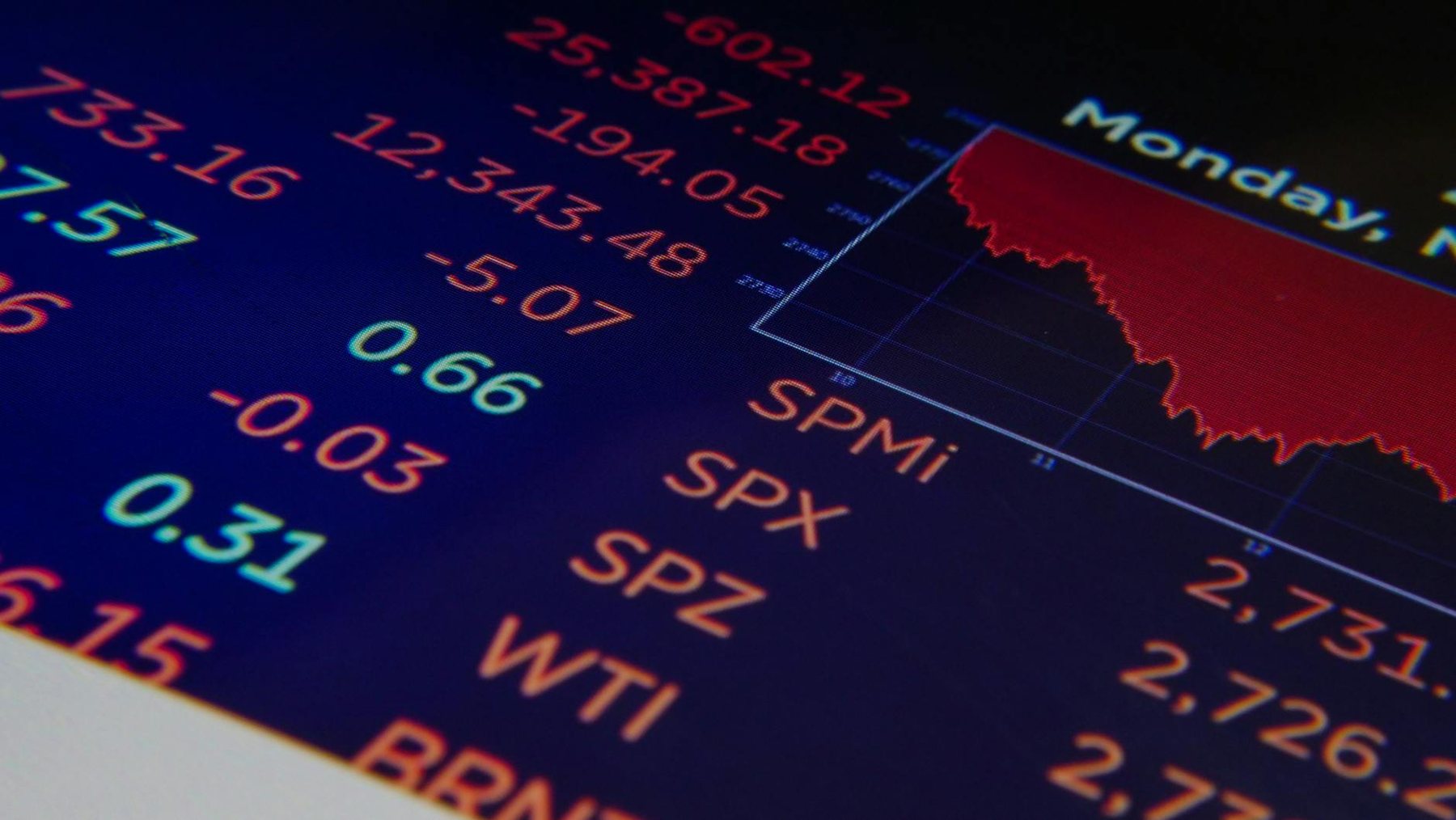
The Geopolitical Catalyst of Market Volatility
The global financial landscape was abruptly reshaped on May 12, 2026, as geopolitical tensions reached a boiling point. The Indian markets, which had been trading with cautious optimism, were suddenly blindsided by developments in West Asia. This volatility reflects the deep-seated sensitivity of emerging markets to international diplomatic shifts and energy security.
Market participants witnessed a rapid erosion of gains as news trickled in regarding the failure of high-stakes negotiations. The Sensex, often a barometer for domestic economic health, began its descent early in the pre-opening session. By mid-day, the selling pressure had intensified into a full-blown panic, leaving traders struggling to find solid ground.
Geopolitics has always been a wild card for Indian equities, but the scale of this particular event was unprecedented. The interconnectedness of global trade means that a spark in the Persian Gulf can ignite a fire in Dalal Street. This ‘Black Tuesday’ serves as a stark reminder that domestic fundamentals can be easily overshadowed by global strife.
The suddenness of the market’s reaction highlighted the fragile nature of the post-pandemic recovery. Investors who had grown accustomed to steady growth were forced to confront the harsh reality of systemic risk. The 1,500-point drop was not just a number; it represented a fundamental shift in the global risk appetite.
As the session closed, the sense of dread was palpable across the financial capital of Mumbai. Analysts began the arduous task of dissecting the data to understand the long-term implications. It became clear that the path forward would be dictated by developments thousands of miles away from the Indian coastline.
The Collapse of the US-Iran Ceasefire
The primary trigger for the market’s freefall was the definitive collapse of the US-Iran ceasefire proposal. For months, diplomats had worked tirelessly to secure a deal that would stabilize the region and ensure consistent oil supplies. However, the announcement that talks were on ‘life support’ sent shockwaves through every major global trading floor.
The failure of these negotiations immediately heightened the risk of military escalation in the Strait of Hormuz. This narrow waterway is critical for the transit of a significant portion of the world’s petroleum products. Any threat to its security translates directly into a premium on oil prices and a discount on equity valuations.
Investors reacted to the news with a ‘sell first, ask questions later’ mentality, fearing a prolonged conflict. The diplomatic vacuum created by the failed talks left no room for market optimism or stability. Consequently, the risk premium for emerging market assets was adjusted upward almost instantaneously, leading to the massive sell-off.
The collapse also signaled a broader shift in international relations, suggesting a move away from multilateral cooperation. This trend towards isolationism and regional conflict is particularly damaging for countries like India that rely on global trade. The market’s reaction was a vote of no confidence in the prevailing diplomatic framework.
Furthermore, the timing of the collapse coincided with existing domestic economic pressures, creating a ‘perfect storm’ for investors. The psychological impact of seeing a major peace initiative fail cannot be overstated in financial circles. It creates a climate of uncertainty that is the natural enemy of long-term capital investment.
Escalating Brent Crude Prices and India’s Trade Balance
India’s economic stability is intrinsically linked to the price of oil, given its status as a major net importer. As Brent crude surged toward the $107 mark, the fiscal implications for the Indian government became alarmingly clear. Higher oil prices exert direct pressure on the trade deficit, weakening the national currency and fueling inflation.
The trade deficit can be mathematically expressed through the following balance of payments identity:
. Here, ##D## represents the deficit, ##M## the value of imports, and ##X## the value of exports. When the price of oil, a major component of ##M##, increases, the deficit expands exponentially.
This expansion of the deficit leads to a depreciation of the Rupee, which in turn makes all other imports more expensive. This cycle of imported inflation is a significant threat to the Reserve Bank of India’s price stability targets. The market correctly anticipated that higher energy costs would lead to tighter monetary policy and slower growth.
Corporate margins across various sectors, from paints to aviation, are highly sensitive to crude price fluctuations. As input costs rise, companies are forced to either absorb the losses or pass them on to consumers. Neither scenario is favorable for equity prices, as both lead to reduced profitability or dampened demand.
The surge in oil prices also impacts the government’s fiscal deficit, as subsidies and infrastructure spending may need adjustment. The market’s 1,500-point drop reflects the collective realization that the ‘Goldilocks’ period of low inflation and high growth is over. Investors are now pricing in a period of stagflationary pressure.
The Domino Effect on Global Supply Chains
The Iran crisis does not exist in a vacuum; it has far-reaching consequences for global supply chains. The threat of regional instability disrupts the movement of goods and raw materials across the Eurasian landmass. For Indian manufacturers, this means potential delays and increased logistics costs for both exports and imports.
Supply chain resilience has become a buzzword in recent years, but the current crisis is testing its limits. Companies that rely on ‘just-in-time’ inventory systems are particularly vulnerable to these geopolitical shocks. The market sell-off was partly a reaction to the anticipated disruption in industrial production and delivery schedules.
The domino effect extends to the technology sector, where shipping delays can impact the delivery of critical components. India’s burgeoning electronics manufacturing sector is highly dependent on a smooth global logistics network. Any friction in this system directly impacts the bottom line of listed companies and future growth projections.
Moreover, the crisis has forced a re-evaluation of maritime insurance and shipping routes, further adding to the cost of doing business. These invisible costs accumulate quickly, eroding the competitive advantage of Indian exporters in the global market. The Sensex crash reflects the aggregate fear of these mounting operational challenges.
In an era of globalized production, a localized conflict can have systemic repercussions that are difficult to quantify. The market’s reaction was an attempt to price in these ‘unknown unknowns’ that accompany geopolitical instability. The resulting volatility is a testament to the complexity of modern economic interdependencies.
Analyzing the ‘Black Tuesday’ Timeline
The events of Black Tuesday unfolded with a velocity that caught even seasoned market veterans off guard. The pre-market session already indicated a gap-down opening, but the intensity of the selling was unexpected. Within the first hour of trade, the Sensex had already shed 600 points as panic set in.
By noon, the decline had extended to 1,000 points as news of the failed ceasefire was officially confirmed. This period saw a massive spike in the India VIX, reflecting the extreme fear among market participants. Automated trading algorithms likely exacerbated the slide as technical support levels were breached one after another.
The afternoon session offered no respite, with the index falling another 500 points to reach the final 1,500-point deficit. Large-scale liquidations by institutional players were met with a lack of buying interest from retail investors. The depth of the fall was a clear indication of a total breakdown in market sentiment.
Technical analysts noted that the Nifty breached its 200-day moving average during this period, a bearish signal for the long term. The velocity of the fall can be modeled using the acceleration of price change: ##a = \frac{dv}{dt}##. On Black Tuesday, the value of ##a## reached levels not seen since the 2020 pandemic crash.
The closing bell brought a sense of relief, but the damage to the charts was already done. The day’s trading volume was significantly higher than the monthly average, indicating a genuine change in trend. Analysts spent the evening trying to identify where the next floor for the market might be found.
Institutional Exodus and Domestic Market Stress
One of the most concerning aspects of the Black Tuesday crash was the synchronized exit of institutional capital. Foreign Portfolio Investors (FPIs), who have been instrumental in the Indian bull run, turned into aggressive sellers. Their departure suggests a fundamental reassessment of the ‘India story’ in the context of global risk.
This institutional exodus creates a liquidity vacuum that is difficult for domestic institutions to fill. While Domestic Institutional Investors (DIIs) attempted to support the market, the sheer volume of FPI selling was overwhelming. This imbalance between supply and demand is what drove the Sensex to its 1,500-point nadir.
The stress in the domestic market was not limited to equity prices alone; it permeated the entire financial ecosystem. Margin calls were triggered across brokerage houses, forcing further liquidations and creating a vicious cycle of selling. The emotional toll on the retail investing community was significant, as portfolios turned red overnight.
Furthermore, the credit markets showed signs of strain as yields on government bonds ticked upward. The market’s stress reflects a broader concern about India’s fiscal health in a high-oil-price environment. If institutional capital continues to flee, the cost of funding for both the government and corporations will rise.
The resilience of the Indian market is now being tested in a way it hasn’t been for years. The focus has shifted from domestic earnings growth to global macro-stability and capital preservation. For institutional players, the priority is now managing volatility rather than seeking outsized returns in a high-risk environment.
Foreign Portfolio Investors (FPI) and Capital Flight
FPIs have traditionally viewed India as a high-growth, high-risk destination within the emerging market basket. However, when global uncertainty rises, these investors tend to retreat to the safety of the US Dollar and Treasury bonds. The Iran crisis acted as the perfect catalyst for this ‘flight to safety,’ leading to massive outflows.
The scale of the selling was evidenced by the net outflow of over ₹2,000 crore in a single trading session. This movement of capital is not just about the Iran crisis; it reflects a broader reduction in risk exposure. When the geopolitical environment turns hostile, the first assets to be sold are often those in emerging markets.
Currency fluctuations also play a critical role in the decision-making process of foreign investors. As the Rupee weakens against the Dollar, the effective returns for FPIs diminish, even if the underlying stock price remains stable. This currency risk adds another layer of complexity to an already volatile market situation.
The impact of FPI selling is particularly pronounced in large-cap stocks that form the core of the Sensex and Nifty. These ‘heavyweights’ are the most liquid assets and are therefore the first to be offloaded during a panic. Consequently, the indices suffer a disproportionate impact compared to the broader market in the initial stages.
Looking ahead, the return of FPI capital will depend on a cooling of geopolitical tensions and a stabilization of oil prices. Until then, the Indian market will likely remain under pressure from these external selling forces. The era of easy institutional liquidity appears to have hit a significant, albeit perhaps temporary, roadblock.
The Breach of Critical Support Levels (Nifty 23300)
From a technical perspective, the most damaging aspect of the crash was the breach of the Nifty’s 23,300 support level. This level had acted as a formidable floor for several months, providing a base for various relief rallies. Its violation on Black Tuesday signaled a transition from a ‘buy on dips’ market to a ‘sell on rise’ market.
Technical analysis relies on the psychological collective of market participants, where certain price points carry significant weight. When the Nifty fell below 23,300, it triggered a wave of stop-loss orders from short-term traders and hedgers. This automated selling added fuel to the fire, accelerating the downward trajectory of the index.
The breach also changed the long-term chart structure, potentially turning previous support levels into new resistance levels. Traders will now look at the 23,300-23,400 zone as a significant hurdle for any future recovery attempts. The technical ‘damage’ to the market’s reputation will take time and significant volume to repair.
Moreover, the breach occurred on high volume, which technically confirms the strength of the bearish move. In the world of technical analysis, a high-volume breakdown is often the precursor to a more prolonged period of consolidation or decline. The market is now searching for its next major support, which some analysts peg near the 22,500 mark.
Understanding these levels is crucial for investors who are trying to time their re-entry into the market. While fundamental value might be emerging, the technical trend remains firmly in the hands of the bears. Patience is currently the most valuable asset for any participant navigating these turbulent waters.
- 01
- 02
- 03
- 04
Margin Calls and Retail Investor Panic
The 1,500-point drop had an immediate and devastating impact on retail investors who were trading on leverage. As stock prices tumbled, the value of the collateral held by brokerages fell below required levels, triggering automatic margin calls. This forced many retail participants to liquidate their positions at the worst possible prices.
Margin calls create a forced selling pressure that is independent of the underlying value of the company. On Black Tuesday, this phenomenon was widespread, contributing to the ‘freefall’ nature of the market’s decline. Retail investors, often the last to know and the first to panic, found themselves trapped in a losing trade.
The psychological impact of such a crash can lead to a long-term withdrawal of retail participation from the markets. Many who entered the market during the recent bull run have never experienced a single-day drop of this magnitude. The ‘trauma’ of seeing significant paper profits vanish can deter future investment for years.
Financial educators often emphasize the risks of leverage, but the lessons are rarely learned until a crisis occurs. Black Tuesday served as a brutal classroom for those who had taken excessive risks in the pursuit of quick gains. The importance of maintaining an adequate cash buffer has never been more apparent.
As the dust settles, the retail community is left to lick its wounds and reassess its investment strategies. The focus must now shift from aggressive growth to capital preservation and risk management. For many, this crash will be the defining moment that shapes their future approach to the stock market.
Banking and IT Sector Vulnerabilities
The banking sector, often considered the backbone of the Indian economy, bore the brunt of the institutional selling. Banks are highly sensitive to interest rate expectations, which have shifted upward due to the oil-induced inflationary threat. Furthermore, a slowdown in economic activity directly impacts loan growth and asset quality for these institutions.
Heavyweights in the private banking space saw their valuations compressed as FPIs exited their largest holdings. The concern is that higher inflation will lead to a ‘higher for longer’ interest rate regime, squeezing the net interest margins (NIMs) of lenders. This sectoral weakness was a major contributor to the Sensex’s overall decline.
Similarly, the IT sector faced its own set of challenges during the Black Tuesday rout. While IT is often seen as a defensive play, its reliance on global corporate spending makes it vulnerable to a worldwide slowdown. If the Iran crisis leads to a global recession, the demand for discretionary IT services will likely dwindle.
The relationship between the IT sector and the global economy can be simplified as: ##S_{it} \propto GDP_{global}##. As the global growth outlook dims, the valuation multiples for IT companies are inevitably re-rated downward. The sector’s decline on Black Tuesday reflected this grim reality of interconnected global demand.
Both sectors are now at a crossroads, awaiting clarity on the geopolitical front and the central bank’s response. For investors, these sectors represent both a risk and a potential opportunity if the situation stabilizes. However, in the immediate term, they remain the primary pressure points for the broader market indices.
Strategic Reorientation for Long-Term Resilience
In the wake of the Black Tuesday crash, investors must reorient their strategies to build long-term resilience. The ‘buy everything’ phase of the market has ended, replaced by a need for rigorous stock selection and sector rotation. Understanding which companies can weather the energy-led inflation storm is now the top priority.
Resilience in a portfolio is not about avoiding all losses, but about ensuring that the core assets remain viable. This involves a shift away from high-debt companies that are vulnerable to rising interest rates. Instead, the focus should be on firms with strong balance sheets and the ability to maintain margins despite rising costs.
The current crisis also highlights the importance of diversification across asset classes, including gold and fixed income. While equities offer the highest long-term returns, they also carry the highest volatility during geopolitical shocks. A balanced approach can help dampen the impact of events like the 1,500-point Sensex drop.
Investors should also look for companies that have a ‘moat’ or a competitive advantage that allows them to pass on costs. Businesses with high pricing power are the ones that will emerge from this inflationary period in a stronger position. Identifying these winners requires a deep dive into company fundamentals and industry dynamics.
Ultimately, the Black Tuesday crash is a test of an investor’s conviction and discipline. Those who can stay calm and stick to a well-thought-out plan are the ones who will benefit in the long run. The market rewards patience and punishes panic, especially during times of extreme geopolitical uncertainty.
Shifting Towards Defensive Sectors: Pharma and FMCG
During times of market turmoil, defensive sectors like Pharmaceuticals and Fast-Moving Consumer Goods (FMCG) often act as a ‘safe haven.’ These industries provide essential products and services that people need regardless of the economic or geopolitical climate. On Black Tuesday, these were among the few sectors that showed relative strength.
The Pharma sector is particularly attractive due to its low correlation with global energy prices and economic cycles. Illness does not wait for a ceasefire, and the demand for life-saving medications remains constant. For an investor, this provides a level of earnings visibility that is currently missing in more cyclical sectors.
FMCG companies, while facing some input cost pressure from crude derivatives, generally possess strong brand loyalty and pricing power. Consumers may delay buying a new car or house, but they will continue to purchase soap, toothpaste, and food. This ‘stickiness’ of demand makes FMCG a reliable anchor for a volatile portfolio.
The shift towards defensives is a classic ‘risk-off’ move that characterizes a bearish market sentiment. By increasing exposure to these sectors, investors can reduce the overall beta of their portfolio, making it less sensitive to market swings. It is a strategic retreat designed to preserve capital while waiting for better entry points elsewhere.
However, even within defensive sectors, careful selection is necessary to avoid overvalued stocks. The goal is to find companies with reasonable valuations and the ability to grow even in a sluggish economic environment. Defensives are not a guarantee of profit, but they offer a much-needed buffer against the ‘Black Tuesdays’ of the future.
Mitigating Energy-Led Inflationary Risks
Energy-led inflation is one of the most difficult economic challenges to manage because it impacts every stage of the supply chain. From the cost of raw materials to the cost of transporting finished goods, everything is influenced by the price of oil. Investors must look for companies that are ‘energy-efficient’ or have low logistics intensity.
One way to mitigate this risk is to invest in companies that are actively transitioning to renewable energy sources. Firms that produce their own power or use electric vehicle fleets are less vulnerable to sudden spikes in Brent crude. This ‘green’ transition is no longer just about ESG; it is a fundamental business necessity for cost control.
Another strategy is to focus on sectors that are ‘asset-light’ and do not require heavy physical transportation. Digital services, software, and financial services (provided they manage credit risk) are generally less impacted by high fuel costs. These businesses can maintain their operations with minimal direct energy inputs compared to heavy manufacturing.
Investors should also monitor the government’s policy response to rising inflation, such as potential changes in fuel excise duties. These policy shifts can provide temporary relief to certain sectors but may also impact the fiscal deficit. Staying informed about the macro-environment is essential for anticipating the next move in energy-sensitive stocks.
Ultimately, energy inflation is a tax on the entire economy, and its impact is felt by everyone. By identifying companies that are best equipped to handle this ‘tax,’ investors can position themselves for resilience. The goal is to find the survivors who will thrive once the energy cycle eventually turns in their favor.
The Role of Indigenous Supply Chains
The Iran crisis has once again highlighted the dangers of over-reliance on global supply chains for critical resources. Companies that have successfully built indigenous supply chains are proving to be much more resilient in the current environment. By sourcing raw materials locally, these firms reduce their exposure to international logistics disruptions and currency fluctuations.
The ‘Make in India’ initiative has taken on a new level of importance as a strategic defense against global volatility. Businesses that have invested in local manufacturing and sourcing are seeing the benefits of shorter lead times and more predictable costs. This localized approach is a key differentiator in a world characterized by geopolitical fragmentation.
Investors should prioritize companies that are reducing their import dependency, particularly in sectors like electronics, chemicals, and defense. These firms are better positioned to maintain production levels when global trade routes are threatened. The resilience of an indigenous supply chain is a significant competitive advantage in the 2026 economic landscape.
Furthermore, companies with a domestic focus are less impacted by a global slowdown compared to those that are heavily export-oriented. While the Indian consumer is also facing inflationary pressure, the sheer size of the domestic market provides a large ‘cushion’ for growth. A strong domestic footprint is a hallmark of a resilient business model.
As the world moves toward a ‘China Plus One’ or ‘Friend-shoring’ strategy, India’s role as a self-reliant hub is growing. Companies that are at the forefront of this movement are likely to see sustained interest from long-term investors. The Iran crisis is simply accelerating a trend that was already well underway in the corporate world.
Future Outlook and Technical Support Rebound
While the immediate outlook following Black Tuesday is undoubtedly bearish, markets do not move in a straight line. Every major crash in history has eventually been followed by a period of stabilization and recovery. The key for investors is to identify the signs of a bottom and wait for a technical confirmation of a trend reversal.
A technical support rebound often occurs when the market becomes ‘oversold’ on various indicators like the Relative Strength Index (RSI). When the RSI drops below 30, it suggests that the selling may have been overextended in the short term. However, a rebound from these levels is often just a ‘dead cat bounce’ unless accompanied by positive fundamental news.
The future trajectory of the Sensex will be dictated by two main factors: the de-escalation of the Iran crisis and the stabilization of oil prices. If diplomacy can find a way forward, the market could see a rapid recovery as the risk premium is removed. Conversely, a further escalation could lead to new lows and a prolonged bear market.
Investors should keep a close eye on the 22,500 level on the Nifty, which represents the next major psychological and technical support. A successful defense of this level would provide a glimmer of hope for a medium-term recovery. Until then, the market remains in a ‘wait and watch’ mode, with a bias toward the downside.
In conclusion, the Black Tuesday crash is a significant event that will shape market behavior for the rest of 2026. It serves as a reminder of the inherent risks in the global financial system and the need for a disciplined investment approach. While the road ahead is uncertain, those who stay informed and adaptable will be best positioned to navigate the challenges.
- 01
- 02
- 03
- 04
- 05
- 06
- 07
- 08
0 Comments