On This Page
Why Color Is Becoming a Navigation Tool
Modern consumers increasingly prioritize visual harmony when navigating digital storefronts, moving away from rigid category structures. By organizing products through color stories, brands create intuitive pathways that align with the aesthetic preferences of shoppers.
Traditional navigation often forces users to search by specific item types like bras or slips. In contrast, color-led discovery allows customers to explore a mood, which significantly reduces the friction of decision-making processes.
When a shopper identifies with a specific palette, such as muted rose or deep mocha, they feel more confident in their selections. This psychological alignment fosters trust and encourages longer browsing session durations.
The shift toward visual navigation is particularly pronounced among mobile-first audiences who engage with social media content daily. These users expect seamless, image-driven experiences that mirror the curated feeds they follow online daily.
Implementing a color-based framework requires meticulous planning to ensure that every product fits within a broader, intentional narrative. This strategic pivot transforms a standard catalog into a cohesive, highly engaging brand storytelling platform.
The Psychological Appeal of Color
Colors evoke immediate emotional responses that influence purchasing behavior faster than technical product specifications. A warm, earthy tone can suggest comfort and ease, while vibrant hues might signal confidence, energy, or festive excitement.
Retailers who leverage these emotional triggers can guide customers through their inventory more effectively. By presenting products in a way that matches a specific mood, businesses create a personalized and deeply memorable experience.
Strategic use of color also helps in segmenting audiences based on their individual style preferences. This allows for more targeted marketing campaigns that resonate on a personal level, increasing overall conversion rates for brands.
When a shopper enters a store or website, the first visual impression is governed by color. Ensuring this impression is curated and intentional captures attention instantly, preventing users from clicking away to competitors.
The subconscious impact of a well-designed color palette cannot be overstated in modern retail. It serves as an unspoken language, communicating brand values and quality standards without needing a single word of text.
Reducing Friction in User Journeys
Complex navigation menus often frustrate users who are simply looking for inspiration rather than a specific utility. Color stories provide a simplified, guided journey that helps shoppers find products that match their vision.
By grouping items by palette, retailers eliminate the need for users to hunt across different categories to find matching pieces. This efficiency is a primary driver for higher engagement and reduced bounce rates.
The curated nature of color merchandising makes the entire collection feel more exclusive and polished. Shoppers perceive the brand as having a clear design vision, which enhances the perceived value of every item.
Mobile users benefit most from this structure, as it minimizes the need for extensive scrolling or clicking. A clean, color-coordinated interface allows for rapid scanning and selection, which is essential for conversion success.
Ultimately, removing barriers to discovery is the core objective of any successful ecommerce strategy. Color-led navigation achieves this by transforming a chaotic inventory into a logical, aesthetically pleasing, and highly accessible shopping space.
Mobile-First Shopping Habits
The rise of social commerce has conditioned shoppers to respond to visual cues rather than text-heavy lists. Mobile interfaces must cater to this behavior by prioritizing large, high-quality images organized by color themes.
Designers must ensure that their mobile platforms remain responsive and visually consistent across all devices. A disjointed experience on mobile can quickly negate the benefits of a well-planned color story merchandising strategy.
Social media platforms like Instagram and Pinterest have set a high bar for visual presentation. Retailers must match these expectations by creating digital experiences that feel just as curated as a social feed.
Navigation on smaller screens is vastly improved when users can filter by a simple, recognizable color swatch. This approach is more intuitive than navigating complex sub-menus, leading to faster and more satisfying interactions.
Brands that successfully translate their color stories to mobile devices see a measurable improvement in engagement. This success validates the importance of adapting traditional retail models to fit the modern, mobile-centric shopping reality.
The Role of Curation
Curation is the secret ingredient that turns an ordinary inventory into a desirable collection. By selecting specific items that work together within a palette, retailers signal that they understand their customers' needs.
This curation process requires a deep understanding of market trends and consumer desires. It is not enough to simply group items; they must tell a story that feels authentic to the brand identity.
When retailers act as curators, they provide a service that goes beyond just selling products. They offer style guidance, which builds long-term loyalty and encourages customers to return for future seasonal collection updates.
The effort invested in curation pays off in the form of higher brand equity. Customers are more likely to trust a brand that consistently presents a clear, well-thought-out aesthetic across all its channels.
Ultimately, curation is about creating harmony. When every element in a category feels like it belongs together, the shopping experience becomes seamless, pleasurable, and highly effective at driving both discovery and final sales.
The Commercial Advantage
Adopting a color-story approach provides a significant commercial edge in a crowded market. By encouraging shoppers to view items as parts of a set, retailers naturally increase their units per order metrics.
This strategy also helps smaller collections appear larger and more comprehensive than they actually are. By focusing on tonal harmony, brands can stretch their inventory and keep their storefronts looking fresh daily.
Emotional buying is a powerful driver of revenue, and color is its primary catalyst. When a customer connects with a specific shade, they are more likely to purchase multiple items in that color.
Retailers can use this to their advantage by bundling products in complementary hues. This practice not only increases the average order value but also helps customers achieve a complete, polished look effortlessly.
The financial impact of this merchandising shift is clear and measurable. Brands that prioritize visual storytelling over basic categorization often see improved customer satisfaction, higher retention rates, and stronger overall sales performance.
Increasing Units Per Order
Cross-selling becomes significantly easier when products are presented as a cohesive set. A customer buying a bra is much more likely to add matching briefs if they are displayed within the same palette.
This natural upselling technique is far more effective than intrusive pop-ups or aggressive marketing tactics. It feels like a natural part of the shopping journey, making the customer feel like they are styling.
Retailers should strategically place complementary items within the same view to encourage these multi-item purchases. This visual grouping suggests that the products are designed to work together, which simplifies the decision process.
The goal is to move the customer from viewing a single product to viewing a complete collection. When the barrier to styling is lowered, customers feel empowered to buy more, increasing the transaction.
Successful implementation of this strategy results in a higher average transaction value. By focusing on the synergy between items, retailers create a win-win situation where the customer gets a set, and revenue grows.
Intentional Collection Presentation
Every collection should have a distinct personality that resonates with the target audience. By utilizing specific color stories, retailers can ensure that each launch feels purposeful and aligned with current market trends.
This intentionality prevents the store from feeling like a random assortment of goods. Customers appreciate the effort, as it signals that the brand is professional, trend-aware, and focused on delivering high-quality experiences.
Retailers should use collection names that evoke the mood of the color palette. This adds an extra layer of storytelling, making the products feel more special and creating a deeper emotional connection.
Consistent presentation across all marketing channels reinforces the brand identity. When the imagery in emails, social ads, and the website all align, the brand message becomes powerful, memorable, and highly effective for growth.
Intentionality is the hallmark of a successful brand. By carefully crafting each collection around a color story, retailers can differentiate themselves from competitors who rely on generic, uninspired, and cluttered category-based displays.
Leveraging Emotional Buying
Emotions drive most consumer decisions, especially in the fashion and lifestyle sectors. Color plays a vital role in setting the mood, whether it is for romance, comfort, luxury, or everyday practical, casual usage.
Marketing campaigns that focus on these emotional benefits are far more successful than those focusing solely on features. By aligning products with these feelings, retailers can create a more compelling brand narrative.
For example, a soft lavender collection can be marketed around the theme of relaxation and self-care. This approach connects with the customer's desire for peace, making the products more desirable and relevant.
Retailers should train their staff or configure their algorithms to highlight the emotional value of products. This ensures that the messaging remains consistent and that customers understand the benefits of their purchase.
Ultimately, when a brand successfully taps into the emotional resonance of color, they create a lasting bond with their customers. This emotional loyalty is the strongest defense against price-based competition and market volatility.
Strategic Palette Implementation
Implementing a new color strategy requires a systematic approach to inventory management. Retailers must ensure that their product photography and descriptions align with the intended color story to maintain visual consistency throughout.
Data analytics can help identify which colors are currently performing best in the market. Using this information, brands can tailor their upcoming collections to better meet the evolving preferences of their customers.
Collaboration between the merchandising, design, and marketing teams is essential for success. They must work together to ensure that the color stories are communicated effectively across all touchpoints, from ads to checkout.
Regular reviews of the merchandising strategy will help in fine-tuning the approach. If a particular color story is not resonating, the team should be ready to pivot and test new palettes quickly.
Finally, consistency is key to long-term success. Once a color strategy is established, it should be maintained across seasons to build brand recognition and make it easier for customers to follow along.
| Strategy Element | Impact on Sales | Implementation Difficulty |
|---|---|---|
| Cohesive Palettes | High Increase | Moderate |
| Emotional Storytelling | High Increase | Medium |
| Visual Navigation | Medium Increase | Low |
How to Apply This Strategy
Building a successful color-story strategy begins with the creation of dedicated landing pages. These pages should serve as the primary destination for shoppers, showcasing the latest mood-based collections in a clean format.
Photography must be the cornerstone of this approach. High-quality images that showcase the tonal harmony between different products are essential for convincing customers that these items belong together in their own wardrobes.
Product recommendations should be fine-tuned to keep shoppers within the same palette. When a user looks at a specific item, the suggested products should complement its color, maintaining the established brand narrative.
Marketing campaigns must also shift to reflect this new focus. Instead of promoting individual products, campaigns should promote the lifestyle and mood associated with the current color collection, driving more interest overall.
Finally, continuous monitoring of performance metrics is necessary to validate the strategy. By tracking conversion rates and basket sizes, retailers can optimize their color stories to achieve the best possible business results.
Dedicated Color Edit Pages
Landing pages act as the virtual storefront for your brand's color stories. They provide a space to immerse the customer in the mood, offering a curated view that feels more like a magazine.
Each page should focus on a single palette, such as sunset oranges or winter blues. This focus helps the customer visualize how these items would look in their home or on their body.
Adding editorial content to these pages can further enhance the experience. Tips on how to style the items in the collection add value and encourage the customer to purchase more than one.
Ensure that the navigation to these pages is prominent on the homepage. If customers cannot find the curated collections, the effort invested in creating them will not yield the desired return on investment.
These pages are also perfect for SEO purposes. By using descriptive, color-focused keywords, retailers can attract organic traffic from users who are searching for specific aesthetic themes rather than generic product categories today.
Tonal Harmony in Photography
Photography is the most critical element of color-led merchandising. If the images do not clearly communicate the palette, the strategy will fail to resonate with the target audience on a visual level.
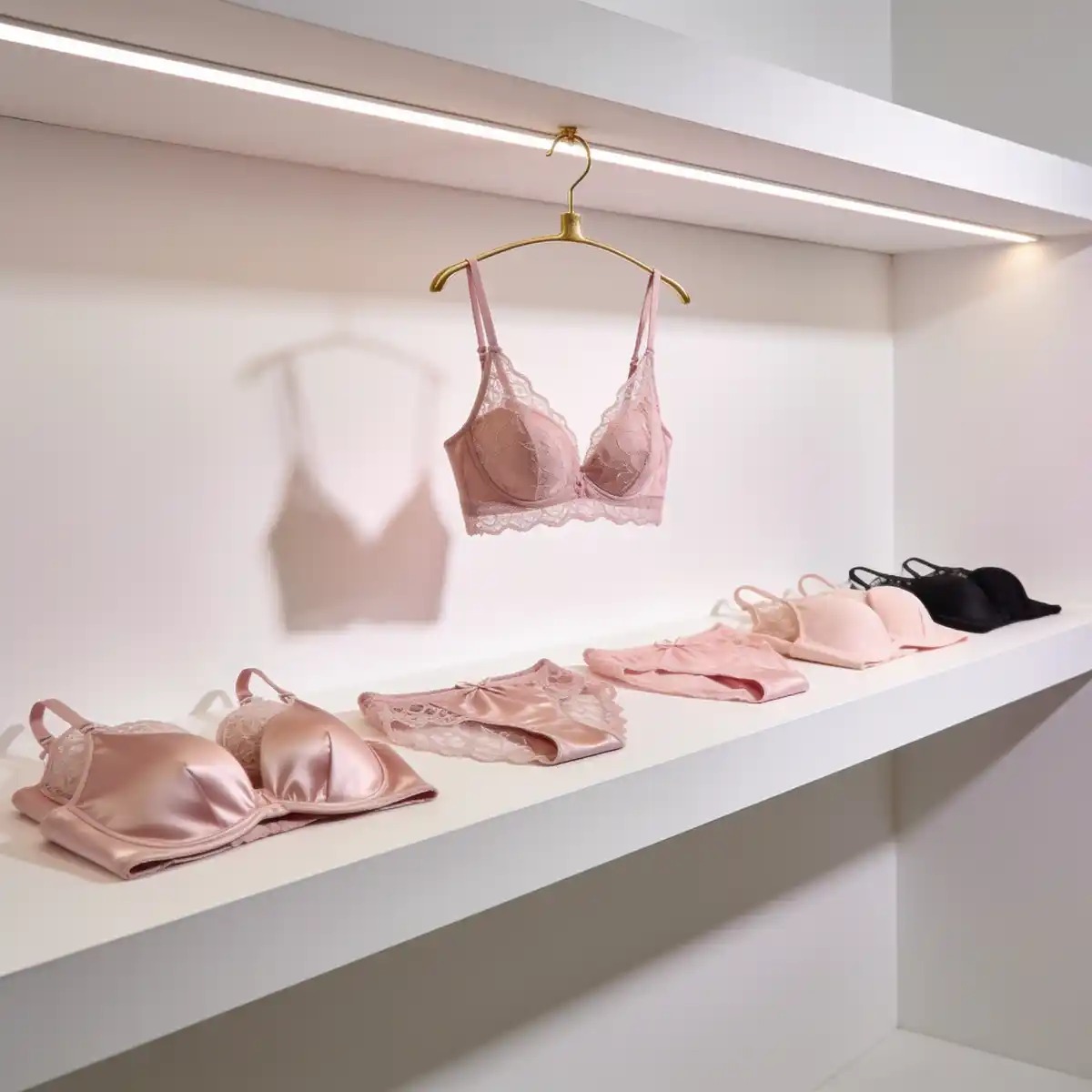
Use flat lays to show how different products in the same color story work together. This provides a clear, top-down view that helps customers understand the breadth of the collection at once.
Styled room sets can help set the mood and provide context for the products. Seeing an item in a beautifully designed space makes it more attractive and helps the customer imagine ownership.
Grouped fabric textures are another powerful way to highlight the quality and color of the products. Close-up shots show the detail, reinforcing the brand's commitment to quality and thoughtful design choices daily.
Consistency in lighting and editing is vital across all product photography. When every image shares the same tonal qualities, the entire collection feels like a unified piece of art, boosting brand perception.
- 01
- 02
- 03
- 04
Cross-Category Recommendations
Smart recommendation engines can automatically suggest items from the same color palette. This keeps the customer engaged within the narrative, increasing the likelihood that they will add more items to their cart.
For example, if a customer is viewing a bra in dusty rose, the system should suggest matching briefs, robes, or sleepwear in the same shade. This creates an effortless, cross-category shopping experience.
This functionality is particularly useful for encouraging multi-item purchases. It removes the need for the customer to search for coordinating pieces, making the entire process feel tailored to their specific style needs.
Retailers should also consider offering discounts for bundle purchases. This further incentivizes the customer to complete the look, driving higher revenue and ensuring that the color story is fully realized at home.
Testing different recommendation strategies will help in finding the perfect balance. The goal is to provide helpful suggestions that feel natural, not pushy, ensuring that the customer remains happy throughout the journey.
SEO and Content Strategy
Content is a powerful tool to support your merchandising efforts. Writing articles about trending colors for the season can help your brand rank for relevant search queries, bringing in new, interested visitors.
Create guides on how to choose the right boudoir palette based on personal style or skin tone. This positions your brand as an expert in the field, building trust and authority over time.
Use your blog to tell the story behind each collection. Explain why you chose these specific colors and how they reflect the brand's values, which helps in connecting with your audience on deep levels.
Incorporate internal links within your content to guide readers directly to the relevant color edit pages. This creates a seamless transition from information to purchase, maximizing the impact of your content marketing.
Finally, monitor the performance of your content regularly. See which articles drive the most traffic and conversions, and use these insights to refine your future content strategy for better results and growth.
| Content Type | Goal | Metric |
|---|---|---|
| Trend Reports | Attract Traffic | Organic Search Clicks |
| Styling Guides | Drive Conversion | Add to Cart Rate |
| Collection Stories | Build Loyalty | Time on Page |
We Also Published
From our network :
- Analyzing Hoya Corporation’s Midday Volume Shifts and Financial FundamentalsExamine Hoya Corporation’s midday trading volume contraction, technical moving averages, robust solvency ratios, and stellar quarterly earnings performance.
- Committed Mediterranean Precipitation Decline: Why Emissions Cuts Alone Cannot Restore Winter RainsNew NOAA research reveals that Mediterranean winter rains may decline irreversibly even with emissions cuts. Explore the science of committed climate change and regional impacts.
- Forbidden Matrix Patterns and Visible Lattice Points: A Geometric DictionaryExplore how multidimensional 0–1 matrices encode geometric truths, linking forbidden patterns to visible lattice points and hypergraph theory, with applications in combinatorics and computational geometry.
- Norbert’s Uncertain Path: Why Hawaii’s Storm Watch Demands Patience Over PanicTropical Storm Norbert strengthens in the Eastern Pacific with winds near 50 mph, forecast to reach Category 1 hurricane status by Friday. Long-range models disagree sharply on whether Hawaii faces any threat around September 19–23, making official guidance essential.
- How AI Agents Will Change the Way We Manage Personal FinancesExplore how AI agents are transforming personal finance through automated budgeting, bill payment, and investment management, while examining the critical security protocols and governance frameworks required for safe deployment.
- Former Soap Stars Embark on Ambitious Writing Projects and Theatrical StagesDiscover how former soap opera actors are transitioning into independent scriptwriting and high-profile theatrical stage productions.
- The Hidden Cost of AI Convenience: Why Over-Permissioned Agents Are a Security Time BombDiscover why AI agents with excessive permissions create dangerous single points of failure, and learn how implementing least privilege principles can protect your organization from exploitation.
- CISA’s Ten-Advisory Wave: Why Generic Patching Fails in OT and How to Build Product-Specific PlaybooksCISA released ten ICS advisories in one week, exposing critical infrastructure risks. Generic patching fails in OT. Learn to build product-specific remediation playbooks.
- The Final Descent: How ESA Retired the Legendary Cluster Constellation After 24 Years of Space Weather ScienceAfter 24 years mapping Earth’s magnetosphere, ESA’s Cluster mission concluded with a precisely controlled reentry over the South Pacific. This analysis explores the scientific legacy, engineering decisions, and debris mitigation principles behind one of space exploration’s most responsible retirements.
RESOURCES
- Color Stories - visual merchandising, retail design, display - Pinterestpinterest.comColor Stories Inspiration Assignment: Find and pin a picture of an example of visual merchandising that uses color as the main point of impact.
- 5 Popular Visual Merchandising Color Storiesqscreativeperspectivecom.wordpress.comApr 5, 2021 ... In visual merchandising a color story is the color pallet in your presentation. Most color stories consist of three different…
- Visual Merchandiser HELP : r/Oldnavy - Redditreddit.comMar 19, 2026 ... Don't be afraid to move a product from one shop to another as long as it fits the shop concept…
- Color Story Studio – Empowering Owners to make Retail Destinationscolorstory.studioColor Story Studio can get you there. Consulting. 90 minute store assessments, focused on merchandising, display and DIY ideas for immediate improvement.
- The retail color story crafting spaces that connect and convert - Fairefaire.comMay 8, 2025 ... Color is perhaps the most powerful tool in your visual merchandising toolkit. By thoughtfully applying color theory principles to your ...
- Creating a color story in merch collections - Anthem Brandinganthembranding.comJul 16, 2020 ... Creating a color story in merch collections. Home · Branding · Merchandise design ... A color story is a collection…
- Stories 10th Anniversary Collection - Avicii Official Merchandiseshop.avicii.comJoin in to celebrate a decade of Stories with a new, colorful collection of merchandise honoring its enduring legacy. ... Stories 10th Long Sleeve…
- Building Ace Of Space.in and leading a Visual Merchandising studio ...linkedin.comSep 19, 2025 ... The layout, color story, and styling all work together to: ✨ Catch attention ✨ Tell your brand story ✨ Inspire…
- POP Colors Have Arrived: Meet the IND280SL AVENUE Hoodieindependenttradingco.comMar 24, 2026 ... From saturated brights and a brighter side to heather, gives you flexibility to merchandise bold statements or balanced color stories.…
- University Life Brand Guidelines for Promotional Merchandiseuniversitylife.upenn.eduIf the department has a secondary color story, the department can represent these colors in the actual merchandise. raglin shirt with logo. pen with…
- 01
- 02
- 03
- 04
- 05
- 06
- 07
- 08
0 Comments