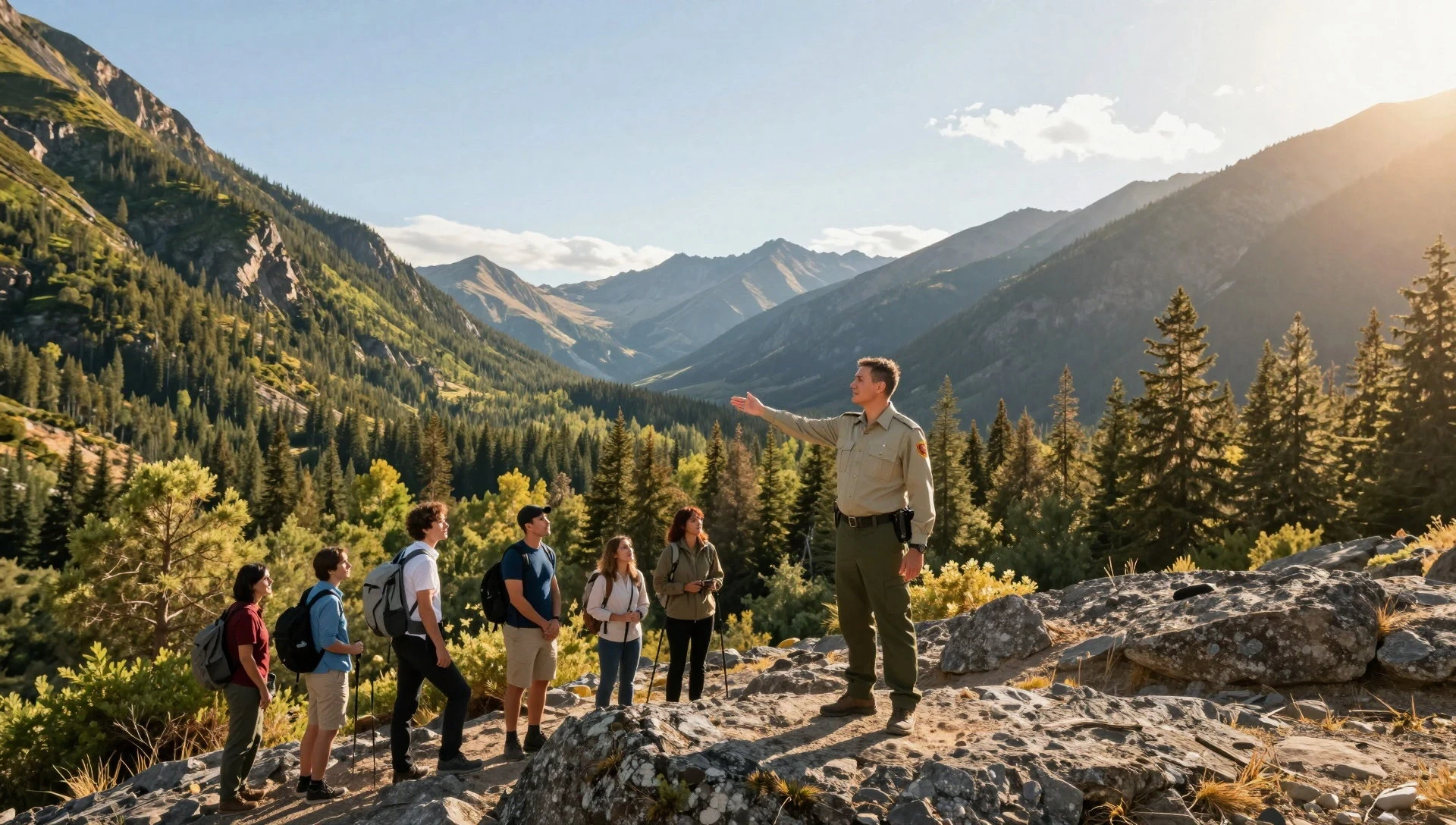
Ranger-led programs represent one of the most underrated investments a traveler can make when planning a national park visit, particularly for those setting foot in a park for the first time. Rather than simply walking a trail with a map and hoping for the best, joining a guided walk, an evening talk, or a visitor center presentation places an expert interpreter beside you who can translate a landscape of rock, forest, and wildlife into a coherent story. These sessions are typically free or low-cost, run by trained park staff and volunteers, and are designed to convert a pleasant stroll into a genuinely educational encounter with the natural and cultural history of a place.
What many visitors fail to appreciate is how much logistical groundwork sits behind a successful ranger program. Schedules shift with seasons, staffing, and weather; popular walks fill quickly during peak months; and some programs require advance reservations through recreation.gov or a park-specific booking system. Understanding how these sessions are structured, where to find accurate schedules, and how to prepare for them transforms a hit-or-miss experience into a reliably rewarding one. This guide examines the mechanics of ranger-guided tours and national park programs, from the different formats on offer to the practical habits that help visitors extract maximum value from each session.
Beyond logistics, there is a deeper case for building an itinerary around these programs. Rangers function as storytellers, safety advisers, and interpreters of ecology and geology all at once, and their sessions often reveal viewpoints, wildlife corridors, and historical details that guidebooks overlook. For families, solo travelers, and first-time visitors alike, a well-chosen ranger talk can anchor an entire day and provide context that makes every subsequent hike more meaningful. The sections that follow break down formats, scheduling, booking, etiquette, and itinerary design so that a ranger-led program becomes the backbone of a smarter park visit.
On This Page
TL;DR Ranger-led programs — guided walks, talks, campfire presentations, and visitor center sessions — are among the highest-value experiences in any national park, especially for first-time visitors. They are usually free or inexpensive, led by trained interpreters, and require modest planning: check official park schedules and recreation.gov listings, reserve popular walks early, arrive prepared for weather and terrain, and ask questions to get the most from the session. Building an itinerary around one or two ranger programs each day adds context, safety guidance, and storytelling that self-guided touring rarely provides.
The Distinct Formats of Ranger-Led Programming
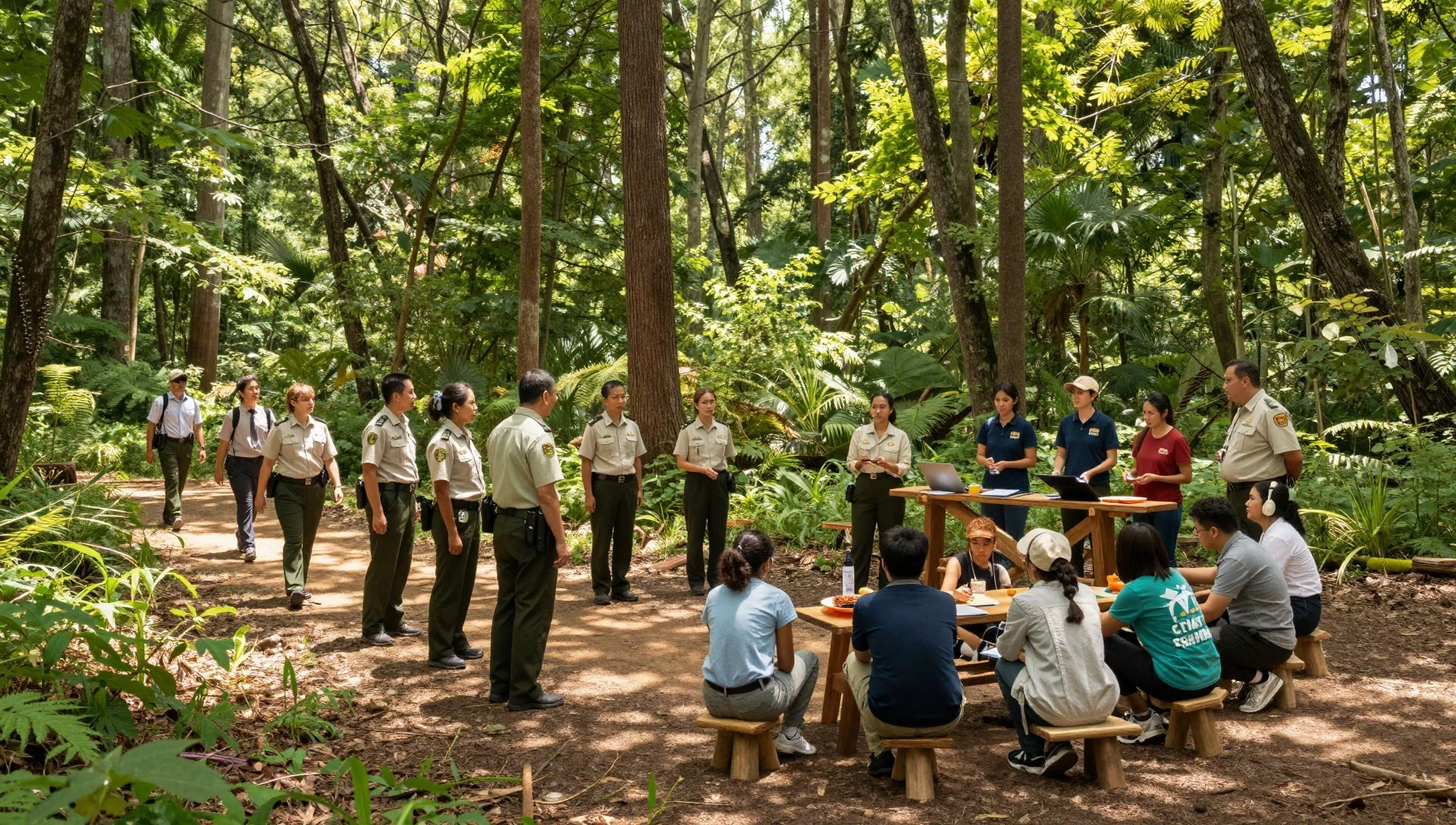
Ranger-led programming is not a single product but a family of formats, each suited to different interests, fitness levels, and time budgets. Guided walks range from gentle thirty-minute strolls around a visitor center to half-day backcountry hikes with elevation gain. Evening campfire talks and amphitheater presentations tend to be accessible, family-friendly, and focused on storytelling or astronomy. Visitor center programs often include short films, touch tables, and drop-in Q&A sessions with staff. Understanding this variety helps travelers select sessions that match their group's energy and curiosity rather than defaulting to whatever appears first on a bulletin board.
Walks, Talks, and Hands-On Sessions
Guided walks are the classic ranger format, typically capped at fifteen to thirty participants and lasting between one and three hours. A ranger sets a pace suited to the group, pauses at interpretive stops, and weaves together geology, ecology, and human history. Talks, by contrast, are stationary and lecture-style, often held in the evening at campground amphitheaters, and they suit visitors who want depth without physical exertion. Hands-on sessions — Junior Ranger activities, wildlife tracking demonstrations, or cultural craft programs — engage children and adults through participation, and they frequently run as drop-in offerings at visitor centers throughout the day.
Specialty and Seasonal Programs
Many parks layer specialty programs on top of the standard schedule, including full-moon hikes, birding walks at dawn, stargazing sessions in certified dark-sky parks, and ranger-led tours of historic structures or archaeological sites. These offerings are often seasonal and capacity-limited, which makes them both more memorable and harder to secure. Seasonal programs may also include snowshoe walks in winter parks or wildflower walks in spring, each timed to a narrow window of natural phenomena. Checking a park's official calendar well before arrival is the only reliable way to catch these limited-run experiences.
Why First-Time Visitors Benefit Most
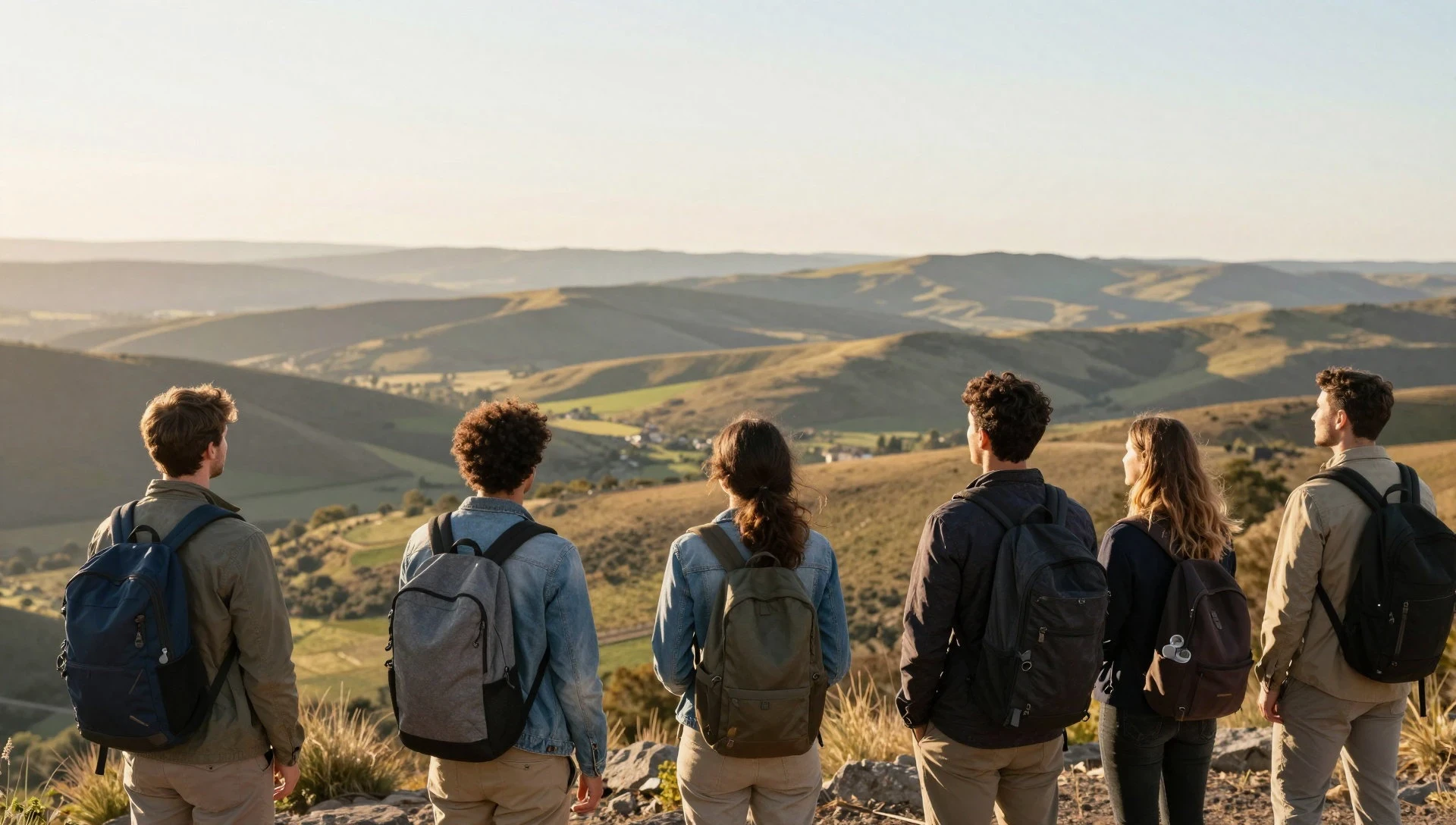
For anyone unfamiliar with a park's geography, a ranger-led session compresses hours of orientation into a single hour. Rangers point out trail junctions, hazard zones, wildlife etiquette, and the best times to visit popular viewpoints, effectively handing visitors a mental map of the park. This orientation value is difficult to overstate: first-timers who join a morning walk often report that the rest of their visit feels calmer and better organized. The ranger becomes a filter, separating the genuinely worthwhile from the merely famous and steering visitors away from overcrowded or unsafe choices.
Interpretation That Guidebooks Cannot Replicate
Interpretation is a trained discipline, and rangers are taught to connect facts to meaning. A guidebook might note that a canyon wall is composed of sandstone; a ranger explains how ancient rivers deposited that sand, why the layers tilt, and what the fossils within them reveal about a vanished ecosystem. This narrative layering turns observation into understanding, and it is especially powerful for children, who respond to stories and demonstrations far more readily than to signage. The result is retention: visitors remember what they learned because they experienced it in place, with a human voice guiding their attention.
Safety, Wildlife, and Local Knowledge
Ranger programs also function as informal safety briefings. Staff communicate current hazards — washed-out trails, bear activity, lightning risk, or closures — that may not yet appear on printed maps or third-party apps. They explain wildlife viewing distances, leave-no-trace principles, and the specific regulations that apply to the area being visited. This local knowledge is updated daily and reflects conditions on the ground, making rangers a more reliable source than any static guide. For families with children or travelers venturing onto unfamiliar terrain, that guidance alone can justify the time invested in a session.
Finding Schedules and Booking Spots

Locating accurate program schedules is the first practical hurdle, and the most reliable sources are official park websites and the National Park Service app, which publish daily and weekly calendars during peak season. Many parks also maintain printed schedules at entrance stations and visitor centers, though these can lag behind real-time changes. Third-party blogs and travel forums are useful for inspiration but should never be trusted for times or availability, since programs are cancelled, rescheduled, and seasonally suspended with little notice. Cross-checking the official calendar the evening before a visit is a sensible habit.
Reservation Systems and Timed Entry
An increasing number of parks require reservations for popular ranger programs, particularly specialty tours, cave walks, and historic structure visits. These are typically managed through recreation.gov, where spots open on a rolling basis and can vanish within minutes during holiday weekends. Some parks also operate timed-entry systems for the park itself, which interact with program schedules in ways visitors must plan around. Booking early, setting calendar reminders for release dates, and keeping a backup program in mind are practical defenses against disappointment, especially for travelers whose trips are fixed and non-refundable.
Drop-In Versus Reserved Sessions
Not every program requires a reservation, and understanding the difference saves unnecessary stress. Drop-in sessions — visitor center talks, short nature walks, and Junior Ranger activities — welcome walk-ups until capacity is reached, making them ideal for flexible itineraries. Reserved sessions guarantee a place but demand commitment and punctuality. A balanced itinerary typically mixes both: reserve one anchor program in advance, then fill remaining time with drop-in offerings discovered on arrival. This hybrid approach protects against cancellations while preserving spontaneity, and it suits both meticulous planners and travelers who prefer to decide each morning what the day will hold.
We Also Published
Preparing for the Session Itself
Preparation separates a forgettable program from a memorable one. Rangers expect participants to arrive on time, dressed for the weather, and carrying water, sun protection, and appropriate footwear. A guided walk that climbs a ridge demands different preparation than a shaded creek stroll, and program descriptions usually state difficulty, distance, and elevation. Reading those details carefully and packing accordingly prevents the common scenario of underprepared visitors turning back early or, worse, holding up the group. A small daypack with layers, snacks, and a refillable bottle covers most contingencies comfortably.
Etiquette, Questions, and Engagement
Ranger programs thrive on interaction, and thoughtful questions enrich the experience for everyone present. Asking about the ranger's favorite feature, the park's conservation challenges, or the best nearby trail for the afternoon often yields recommendations no guidebook contains. Basic etiquette matters too: silencing phones, keeping voices low at interpretive stops, supervising children near hazards, and respecting wildlife distances. Participants who engage respectfully tend to receive more from the session, because rangers respond to curiosity with additional stories and detail. The program is a conversation, not a performance, and the group's energy shapes its quality.
Accessibility and Family Considerations
Accessibility varies widely across programs, and families or travelers with mobility needs should inquire directly rather than assume. Many visitor center talks and paved-loop walks accommodate wheelchairs and strollers, while backcountry hikes do not. Rangers can often suggest alternative routes or adapted activities when asked in advance. For families, Junior Ranger programs provide structured engagement that keeps children focused, and rangers are typically skilled at pitching content to mixed-age groups. Communicating needs and interests at the start of a session helps the ranger tailor the experience, and it signals the kind of participation that makes guided programs work well.
Designing an Itinerary Around Ranger Programs
Ranger programs work best as anchors rather than afterthoughts. A sensible approach is to select one morning program and one evening program per day, then fill the hours between with independent exploration. Morning walks set the tone and provide orientation; evening talks offer reflection and context after a day outdoors. This rhythm prevents the common mistake of over-scheduling, where visitors rush between sessions and miss the unhurried observation that parks reward. Leaving buffer time also accommodates the inevitable: a program running long, a wildlife sighting that stops traffic, or a sudden change in weather.
Balancing Guided and Self-Guided Time
Guided programs are powerful, but they should not consume the entire visit. Parks reward solitude and slow observation, and the most memorable moments often occur away from any group. A balanced itinerary might devote mornings to ranger-led walks and afternoons to independent trails, with evenings reserved for campfire talks or stargazing. This mix captures the educational value of interpretation while preserving the freedom that draws people to national parks in the first place. Travelers who treat ranger programs as complements to self-guided exploration, rather than substitutes for it, tend to leave with both knowledge and a sense of personal discovery.
Multi-Day and Seasonal Planning
For multi-day visits, mapping programs across the full stay reveals patterns worth exploiting. Some sessions repeat daily, while others run only on weekends or during specific seasons, and knowing which is which prevents wasted mornings. Seasonal shifts matter enormously: winter programs may center on snowshoe walks and wildlife tracking, while summer schedules emphasize wildflower walks and evening astronomy. Booking accommodations near a visitor center reduces travel time to early programs, and checking the calendar for special events — anniversaries, festivals, or ranger-led commemorations — can add unexpected highlights to an otherwise ordinary trip.
- 01
- 02
- 03
- 04
Common Pitfalls and How to Avoid Them
Most disappointments around ranger programs stem from avoidable planning errors. Arriving without checking the schedule, assuming a program runs daily when it operates only on weekends, or failing to reserve a popular tour are the usual culprits. Others include underestimating walking distances, forgetting that programs are cancelled in severe weather, and treating a ranger talk as background entertainment rather than an opportunity to learn. Each of these pitfalls has a simple remedy: verify schedules, reserve early, read program descriptions, and arrive prepared. The effort required is modest, and the payoff is a consistently better park experience.
Weather, Cancellations, and Contingencies
Weather governs ranger programming more than any other factor. Lightning, high winds, flooding, and extreme heat routinely force cancellations, and parks rarely offer refunds for weather-related changes because programs are typically free. Smart travelers build flexibility into their plans, identify indoor alternatives such as visitor center exhibits or films, and check the forecast each morning. When a program is cancelled, rangers often suggest substitutes or reschedule options, so asking at the desk is worthwhile. Treating cancellation as an inconvenience rather than a crisis keeps the day productive and preserves goodwill toward the park staff managing difficult conditions.
Getting Maximum Value From Each Session
Extracting full value from a ranger program is largely a matter of attention and curiosity. Arriving early allows time to read exhibits and chat with staff before the group gathers. Sitting near the front at talks, asking follow-up questions, and taking brief notes all deepen retention. After the session, revisiting a viewpoint or trail mentioned by the ranger reinforces learning and often reveals details missed the first time. Sharing observations with companions, or recording a few reflections in a journal, cements the experience. These small habits transform a pleasant hour into knowledge that persists long after the trip ends.
The Enduring Value of a Ranger-Led Visit
Ranger-led programs endure because they solve a fundamental problem of modern travel: abundance of information paired with scarcity of understanding. A visitor can carry a dozen apps and still miss the meaning of a landscape, but an hour with a skilled interpreter reframes everything that follows. These programs also sustain a civic relationship between parks and the public, reminding visitors that these places are protected on their behalf and that stewardship is a shared responsibility. Choosing to join a walk or talk is, in a small way, choosing to participate in that compact rather than merely consume the scenery.
For planners, the practical takeaway is straightforward. Treat ranger programs as fixed points around which the rest of the itinerary orbits, verify schedules through official channels, reserve what can be reserved, and arrive prepared and curious. The investment of a little forethought yields disproportionate returns: better orientation, richer interpretation, safer decisions, and stories that outlast the trip. Whether the goal is a first family visit or a repeat pilgrimage to a beloved park, a ranger-led session remains one of the surest ways to convert a good trip into an unforgettable one.
From our network :
- Live Online English Classes for Kids: Do They Actually Reduce Anxiety?A ten-week study reveals that synchronous online English classes can significantly reduce child language anxiety while improving listening and reading skills. Discover what makes these programs effective and how parents can select the right one.
- University Language Proficiency Exams: Why Institutional Tests Demand Different Preparation Than IELTS and TOEFLDiscover why university-specific language proficiency examinations differ fundamentally from IELTS and TOEFL, and learn strategic preparation approaches for institutional assessment success.
- Forbidden Matrix Patterns and Visible Lattice Points: A Geometric DictionaryExplore how multidimensional 0–1 matrices encode geometric truths, linking forbidden patterns to visible lattice points and hypergraph theory, with applications in combinatorics and computational geometry.
- The Hidden Cost of AI Convenience: Why Over-Permissioned Agents Are a Security Time BombDiscover why AI agents with excessive permissions create dangerous single points of failure, and learn how implementing least privilege principles can protect your organization from exploitation.
- CISA’s Ten-Advisory Wave: Why Generic Patching Fails in OT and How to Build Product-Specific PlaybooksCISA released ten ICS advisories in one week, exposing critical infrastructure risks. Generic patching fails in OT. Learn to build product-specific remediation playbooks.
- Committed Mediterranean Precipitation Decline: Why Emissions Cuts Alone Cannot Restore Winter RainsNew NOAA research reveals that Mediterranean winter rains may decline irreversibly even with emissions cuts. Explore the science of committed climate change and regional impacts.
- The Final Descent: How ESA Retired the Legendary Cluster Constellation After 24 Years of Space Weather ScienceAfter 24 years mapping Earth’s magnetosphere, ESA’s Cluster mission concluded with a precisely controlled reentry over the South Pacific. This analysis explores the scientific legacy, engineering decisions, and debris mitigation principles behind one of space exploration’s most responsible retirements.
- Mobile Learning and VR in English: What Global Evidence Reveals About Effective Language TechnologyA systematic review across 14 countries reveals which language-learning technologies genuinely work. Mobile learning, AI, and VR show measurable benefits when pedagogically integrated. This evidence-based guide helps educators and learners select technology that delivers real return on investment.
- How AI Agents Will Change the Way We Manage Personal FinancesExplore how AI agents are transforming personal finance through automated budgeting, bill payment, and investment management, while examining the critical security protocols and governance frameworks required for safe deployment.
RESOURCES
- Ranger-Guided Tours - Carlsbad Caverns - National Park Servicenps.govMay 13, 2026 ... Carlsbad Caverns National Park offers ranger-guided cave tours into areas other than exploring on your own along the Big Room…
- Ranger-Guided Fiery Furnace Loop Tour - Recreation.govrecreation.govSame-day tour ticket pickup is available at Arches Visitor Center information desk only between 8:00 am and 8:30 am. Plan for 30-45 minutes of…
- Guided Tours - Ellis Island Part of Statue of Liberty National ...nps.govJun 5, 2024 ... FREE Ranger-Guided Tours: Both National Park Service Rangers and dedicated Volunteers-in-Park lead walking tours throughout the museum.
- Ranger Walks • Jekyll Island, Georgia • Vacation, Conservation, and ...jekyllisland.comTake a guided tour through Jekyll's maritime forest and learn about coastal ecology from a Park Ranger.
- Carlsbad Caverns National Park Tours, Carlsbad ... - Recreation.govrecreation.govPlease pick up tickets at least 30-45 minutes prior to your scheduled time for Ranger guided tours. Late arrival may result in forfeiting your…
- Ranger-led programs | U.S. Fish & Wildlife Servicefws.govRanger-led programs. At Pelican Island National Wildlife Refuge. Our ... Join our dedicated volunteers for a guided tour that includes both the ...
- Ranger Guided Tours of Dayton's National Parkhome.nps.govNov 24, 2020 ... The park offers different types of ranger guided tours every year at many of the sites. Most tours are free…
- Ranger Programs - Visit Grand Canyon National Parkvisitgrandcanyon.com... guided hikes and tours given by knowledgeable park rangers. Ranger programs are free, and cover subjects like the Grand Canyon's geology, fossils and…
- Junior Ranger Guided Hike at Picacho Peak - Arizona State Parksazstateparks.comDo you and your kids love being outside? Are you all fascinated with nature? Then come out to Picacho Peak State Park for a…
- Ranger Programs in the Everglades National Parkfloridanationalparksassociation.orgGo beyond your park visit! Ranger led programs are a great option to enrich your experience at national parks. These are special programs created…
- Ranger Talks & Nature Programs - Texas Parks and Wildlifetpwd.texas.govButterfly and Dragonfly Tours. Estero Llano Grande State Park. Join us on a ranger-led tour for all ages and experience levels through the park…
- Beach to Battery - A Ranger Guided Hikeparksconservancy.orgApr 6, 2025 ... Beach to Battery - A Ranger Guided Hike. A Ranger Guided Hike/Tour from Rodeo Beach to Battery Townsley. May 4,…
- 01
- 02
- 03
- 04
- 05
- 06
- 07
- 08
0 Comments