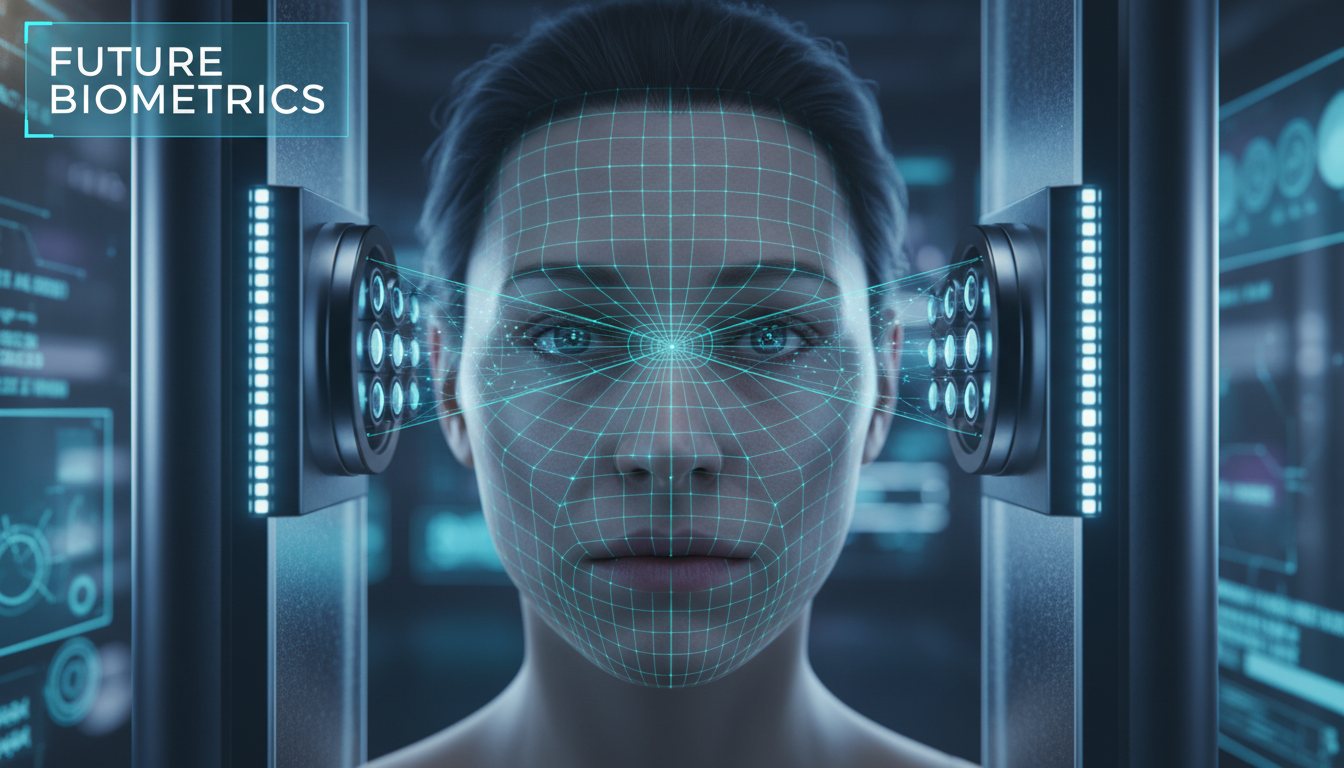
The dawn of 2026 has brought a definitive end to the era of anonymous, unverified social media. In a coordinated move, major platforms including Meta, X, and TikTok have launched ‘Humanity Passports’—a mandatory onboarding process designed to purge the millions of autonomous AI influencers and bot swarms that dominated feeds throughout 2025. This development follows a series of high-profile ‘identity heists’ where AI-generated clones successfully defrauded users by mimicking their close friends in video chats.
For the general public, this means the ‘Blue Check’ has been replaced by a ‘Verified Human’ badge, which is now the only way to appear in the primary ‘Discovery’ feeds. Users who opt out of Biometric Verification are being relegated to ‘Legacy Feeds,’ which are openly acknowledged as being saturated with synthetic content. This ‘Humanity-First’ algorithm is a desperate attempt to restore trust in digital interactions after the trust-collapse of the mid-2020s.
The Shift from Privacy to Provenance
For years, the internet operated on the principle of pseudonymity, allowing users to interact without revealing their physical identities. However, the rapid advancement of generative AI has rendered this model obsolete. By late 2025, the ‘Dead Internet Theory’—the idea that most online activity is generated by bots—became an undeniable reality for major tech corporations. The implementation of Biometric Verification is no longer just a security measure; it is a survival strategy for social networks whose value depends on real human engagement.
Combating the AI Clone Epidemic
The primary catalyst for this mandate was the rise of ‘Identity Heists.’ In these scenarios, AI agents scrape a user’s public data to create a perfect digital twin, capable of real-time voice and video interaction. These clones were used to infiltrate private groups, steal financial data, and manipulate public opinion at an unprecedented scale. By requiring Biometric Verification, platforms can ensure that every active account is tethered to a living, breathing individual, effectively raising the cost of bot-net operations to prohibitive levels.
The Two-Tiered Digital Society
The ‘Humanity Passport’ has effectively divided the internet into two distinct experiences. The ‘Verified’ tier offers a curated environment where users can be reasonably certain they are interacting with humans. This tier is prioritized by advertisers and prioritized in search results. Conversely, the ‘Legacy’ tier serves as a Wild West of synthetic media, where AI-generated influencers compete for the attention of other bots and unverified users.
Monetizing the Human Element
Investigative data suggests that this shift is not just about security, but also a new monetization strategy. Platforms are leveraging these biometric databases to offer ‘Deepfake Protection’ insurance as a premium subscription feature. By tying Biometric Verification to account security, companies are creating a new revenue stream centered around identity preservation. While privacy advocates are sounding the alarm over the centralization of facial and iris data, the trend shows that the public is largely trading privacy for the certainty of human connection.
Ethical Implications and the Future of Identity
The mandatory nature of these passports raises significant ethical questions. What happens to individuals in regions with limited access to high-end biometric hardware? How will platforms protect these massive databases of sensitive biological data from state-sponsored hackers? As Biometric Verification becomes the standard, the definition of a ‘digital citizen’ is being rewritten. We are moving toward a future where our biological signatures are the only currency that matters in the digital economy.
- 01
- 02
- 03
- 04
- 05
- 06
- 07
- 08
0 Comments