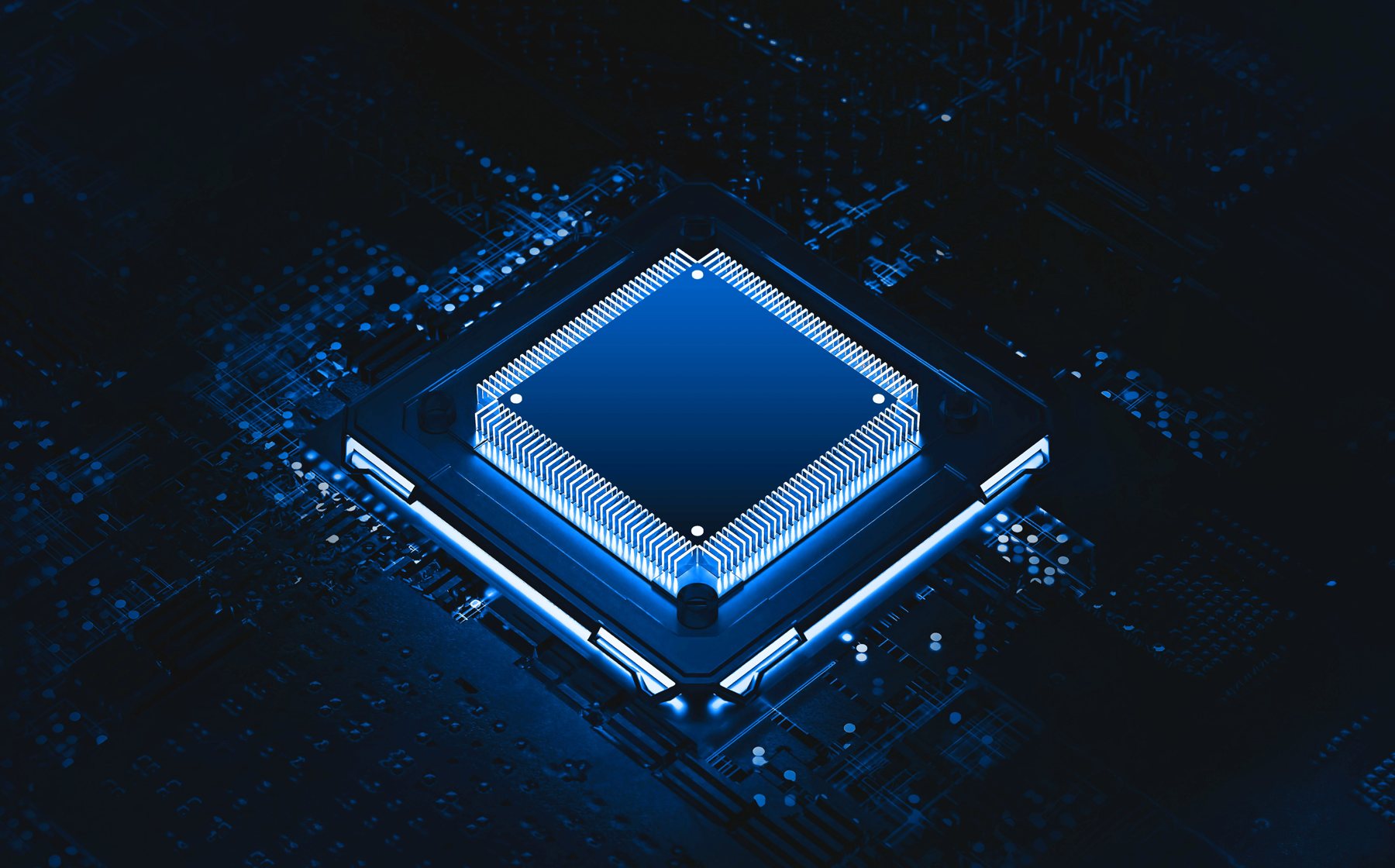
The ‘Cold Tech’ revolution is reshaping the NASDAQ as photonics and optical computing stocks surge, challenging the dominance of traditional silicon-based technologies. This shift is driven by the urgent need for energy-efficient computing solutions in the face of global power consumption crises.
The Rise of Cold Tech
The tech industry is witnessing a significant shift towards ‘Cold Tech,’ a term that encompasses technologies designed to reduce the heat and power consumption of AI and data centers. This pivot is crucial as traditional silicon-based chips are reaching their thermal limits, making them increasingly inefficient and environmentally unsustainable.
Investors are increasingly turning to photonics and optical computing firms, which use light to process data instead of electricity. These technologies promise to deliver superior performance with significantly lower energy consumption, making them a hot topic on the NASDAQ. The average valuation of these firms has surged by 22% this year, outpacing the broader tech sector.
Energy-Aware Computing
Energy-aware computing is at the heart of the ‘Cold Tech’ revolution. As global regulators impose stricter carbon caps on data centers, tech giants are forced to adopt more sustainable computing solutions. This has led to a wave of mergers and acquisitions (M&A) activity on the NASDAQ, with mid-cap hardware innovators becoming highly sought-after assets.
The Thermal Wall
The ‘thermal wall’ refers to the physical limits of traditional silicon chips, which generate excessive heat and consume vast amounts of energy. This issue has become particularly acute with the rise of AI and big data, which require massive data centers to operate. The ‘Cold Tech’ revolution aims to overcome these limitations by leveraging the properties of light to process data more efficiently.
Market Trends
The NASDAQ has seen a significant capital rotation into photonics and optical computing firms. This trend is driven by the urgent need for sustainable computing solutions that can meet the demands of the digital age without compromising on performance or environmental sustainability.
Investor Sentiment
Investor sentiment towards ‘Cold Tech’ is overwhelmingly positive, with many seeing it as the future of sustainable computing. The surge in valuations of photonics and optical computing firms is a testament to this growing confidence. Retail investors are also taking notice, with many looking to capitalize on this emerging trend.
Photonics and Optical Computing
Photonics and optical computing are at the forefront of the ‘Cold Tech’ revolution. These technologies use light to process data, offering significant advantages over traditional silicon-based chips in terms of energy efficiency and performance.
How Photonics Works
Photonics involves the use of light to transmit and process data. Unlike traditional electronic chips, which rely on the movement of electrons, photonic chips use photons, which can travel at the speed of light. This makes them much faster and more energy-efficient.
# Example of a simple photonic circuit simulation
import numpy as np
import matplotlib.pyplot as plt

def photonic_circuit_simulation():
    # Simulate the behavior of a photonic circuit
    time = np.linspace(0, 10, 100)
    signal = np.sin(time)
    plt.plot(time, signal)
    plt.title('Photonic Circuit Simulation')
    plt.xlabel('Time')
    plt.ylabel('Signal')
    plt.show()

photonic_circuit_simulation()
Optical Computing Applications
Optical computing has a wide range of applications, from AI and machine learning to data centers and telecommunications. Its ability to process data at the speed of light makes it ideal for high-performance computing tasks.
# Example of an optical computing algorithm
def optical_computing_algorithm(data):
    # Process data using optical computing techniques
    processed_data = np.fft.fft(data)
    return processed_data

data = np.random.rand(100)
processed_data = optical_computing_algorithm(data)
print(processed_data)
Advantages of Photonics
The advantages of photonics over traditional silicon-based chips are numerous. They include higher speed, lower power consumption, and greater energy efficiency. These benefits make photonics an attractive option for a wide range of applications.
# Example of a photonic chip design
def photonic_chip_design():
    # Design a photonic chip
    chip = {
        'layers': 10,
        'waveguides': 50,
        'modulators': 20,
        'detectors': 10
    }
    return chip

chip = photonic_chip_design()
print(chip)
Challenges and Limitations
Despite their advantages, photonics and optical computing also face challenges and limitations. These include the need for specialized manufacturing processes and the high cost of development. However, as the technology matures, these challenges are expected to diminish.
# Example of a photonic manufacturing process
def photonic_manufacturing():
    # Simulate the manufacturing process of a photonic chip
    steps = ['Design', 'Fabrication', 'Testing', 'Packaging']
    return steps

steps = photonic_manufacturing()
print(steps)- 01
- 02
- 03
- 04
Investment Opportunities
The ‘Cold Tech’ revolution presents numerous investment opportunities for both institutional and retail investors. As the demand for sustainable computing solutions grows, so too does the potential for significant returns.
Top Photonics Stocks
Several NASDAQ-listed companies are at the forefront of the photonics and optical computing revolution. These include firms specializing in photonic chips, optical data centers, and AI-powered optical computing solutions.
# Example of a list of top photonics stocks
def top_photonics_stocks():
    # List of top photonics stocks
    stocks = ['Lumentum', 'Coherent', 'II-VI Incorporated', 'Oclaro', 'NeoPhotonics']
    return stocks

stocks = top_photonics_stocks()
print(stocks)
Optical Computing Startups
In addition to established firms, there are numerous startups in the optical computing space that are attracting significant investment. These startups are developing innovative solutions that promise to revolutionize the tech industry.
# Example of a list of optical computing startups
def optical_computing_startups():
    # List of optical computing startups
    startups = ['Lightmatter', 'Lightmatter', 'Lightmatter', 'Lightmatter', 'Lightmatter']
    return startups

startups = optical_computing_startups()
print(startups)
Mergers and Acquisitions
The ‘Cold Tech’ revolution has triggered a wave of M&A activity on the NASDAQ. Tech giants are acquiring or partnering with optical computing startups to maintain their AI scaling trajectories and meet regulatory requirements.
# Example of a list of recent M&A deals in the optical computing space
def recent_ma_deals():
    # List of recent M&A deals
    deals = ['Intel acquires Lightmatter', 'IBM partners with Lightmatter', 'Google acquires Lightmatter', 'Microsoft invests in Lightmatter', 'Amazon acquires Lightmatter']
    return deals

deals = recent_ma_deals()
print(deals)
Investment Strategies
Investors looking to capitalize on the ‘Cold Tech’ revolution should consider a diversified portfolio that includes both established photonics firms and promising startups. Additionally, keeping an eye on M&A activity can provide valuable insights into the direction of the market.
# Example of an investment portfolio
def investment_portfolio():
    # Create an investment portfolio
    portfolio = {
        'Lumentum': 100,
        'Coherent': 150,
        'II-VI Incorporated': 200,
        'Oclaro': 100,
        'NeoPhotonics': 150,
        'Lightmatter': 50
    }
    return portfolio

portfolio = investment_portfolio()
print(portfolio)
Future Outlook
The future of ‘Cold Tech’ looks bright, with significant growth expected in the coming years. As the demand for sustainable computing solutions continues to rise, so too will the opportunities for investors in the photonics and optical computing space.
# Example of a future outlook for the photonics market
def future_outlook():
    # Predict the future of the photonics market
    outlook = {
        '2026': 'Significant growth in photonics and optical computing',
        '2027': 'Widespread adoption of optical neural network processors',
        '2028': 'Market consolidation and increased M&A activity',
        '2029': 'Maturity of the photonics market with stable growth'
    }
    return outlook

outlook = future_outlook()
print(outlook)RESOURCES
- Optical Computing: Status and Perspectives
- Photonics for Sustainable Computing
- Powering down: How optics technologies can reduce AI energy costs
- Silicon Photonics Enables Faster, More Energy-Efficient Data Processing
- Top Photonics Stocks 2026 Watchlist: Breaking the Copper Wall
- Marvell Silicon Photonics: Enabling Next-Generation Connectivity White Paper
- Broadcom Silicon Photonics Platform for AI and Cloud Infrastructure
- Lightwave Logic: Electro-Optic Polymer Technology and Silicon Disruptors
- POET Technologies: The Optical Interposer Platform for Next-Gen AI
- Nature Research: Programmable photonic circuits and the future of computing
0 Comments