
On This Page
The Human Sustainability Summit 2026: A Turning Point for Corporate India
The Human Sustainability Summit 2026 has officially changed the conversation about work in India. It was a gathering of visionary leaders who finally realized that people are not just machines for generating corporate profit.
Meeting at the India Habitat Centre, these experts focused on a future where employees thrive rather than just survive. This shift represents a massive leap forward for the entire Indian corporate ecosystem in this decade.
We are seeing a move away from the "productivity at all costs" mindset that dominated the last few years. Instead, the focus is now on long-term human viability and psychological health across all sectors.
This summit wasn't just about talk; it was about creating a roadmap for a healthier nation. Policymakers and HR giants sat together to redefine what success looks like in a modern, high-pressure knowledge economy.
If you are a professional in India, this news should give you immense hope for your career. The foundations are being laid for a workplace that respects your humanity and supports your overall mental growth.
The Shift from Productivity to Sustainability
The core message of the summit was simple: humans are the most valuable asset. Leaders argued that treating people as renewable resources leads to burnout and high turnover, which ultimately hurts the bottom line.
By shifting toward human sustainability, companies are investing in the long-term health of their teams. This means looking beyond daily output and considering the emotional and physical energy levels of every single employee involved.
Organizations are now being encouraged to measure their success by how well their people are doing. This holistic approach ensures that business growth does not come at the expense of individual well-being or happiness.
We are moving into an era where "sustainability" includes the human element alongside environmental goals. This transition is essential for India to maintain its competitive edge in the global market throughout the coming years.
The summit provided clear evidence that sustainable work practices lead to higher innovation and better results. It is a win-win situation for both the employers and the employees who drive the nation's economic engine.
Addressing the Burnout Crisis in Urban Hubs
Burnout has become a silent epidemic in India's major cities like New Delhi, Mumbai, and Bengaluru. The summit directly addressed this by identifying the systemic causes of chronic stress in the modern urban workplace.
Experts highlighted that the constant pressure to be "always on" is destroying professional creativity and health. The discussion focused on practical ways to disconnect and reclaim personal time without fear of any professional reprisal.
New Delhi was specifically mentioned as a hub where environmental stress adds to workplace pressure. Leaders proposed city-specific wellness interventions to help urban professionals manage these unique challenges more effectively and with greater care.
The goal is to create "burnout-proof" environments where rest is valued as much as hard work. This requires a cultural shift that starts from the top and filters down to every level of management.
By tackling burnout head-on, Indian corporations are protecting their future talent and ensuring a more stable workforce. This focus on recovery is the key to maintaining high performance in a very volatile world.
Integrating ESG with Human Centricity
Environmental, Social, and Governance (ESG) targets are now expanding to include human sustainability metrics. The summit emphasized that social responsibility must start with how a company treats its own internal workforce every single day.
Investors are increasingly looking at mental health support and workplace culture as key indicators of risk. A company that neglects its people is now seen as a risky investment in the 2026 financial landscape.
This integration ensures that wellness is not just a secondary "perk" but a core business strategy. It aligns corporate values with the actual needs of the people who make the business function and grow.
By making human centricity a part of ESG, companies are held accountable for their culture. This transparency is driving a race to the top, where the best employers attract the most talented young professionals.
The summit showcased how this alignment leads to better governance and more ethical business practices overall. It is a fundamental change in how we define the purpose and the impact of a modern corporation.
The Role of Leadership in Cultural Change
Leadership was identified as the most critical factor in redefining workplace wellness across the country. Managers are no longer just taskmasters; they must become empathetic coaches who prioritize the safety of their team members.
The summit called for "trauma-informed leadership" that understands the personal challenges employees face outside of work. This level of empathy builds deep trust and loyalty, which are the foundations of any truly great organization.
Leaders who model healthy boundaries and prioritize their own wellness set a powerful example for others. When the CEO takes a digital detox, it gives everyone else permission to do the same without guilt.
Training programs are now being redesigned to focus on emotional intelligence and psychological safety skills. These "soft skills" are proving to be the hardest and most valuable assets in the modern corporate world.
The shift in leadership style is perhaps the most visible outcome of the 2026 Human Sustainability Summit. It marks the end of the command-and-control era and the beginning of a more collaborative future.
Prioritizing Psychological Safety Over Conventional Productivity
Psychological safety was the buzzword of the summit, and for a very good reason. It is the belief that one can speak up without being punished or humiliated for making a mistake or questioning.
In a psychologically safe workplace, innovation flourishes because people are not afraid to take risks. This environment is essential for solving the complex problems that Indian businesses face in the global market today.
The summit provided a roadmap for building these safe spaces within traditional Indian corporate hierarchies. It requires a move away from blame culture toward a culture of collective learning and constant individual improvement.
When employees feel safe, they bring their full selves to work, leading to higher engagement levels. This is the secret sauce for high-performing teams that can navigate any crisis with grace and resilience.
Redefining productivity to include safety means acknowledging that a healthy mind is a productive mind. It is a shift that values the quality of thought over the quantity of hours spent working.
Creating Environments for Vulnerability
The summit encouraged leaders to create environments where vulnerability is seen as a strength rather than a weakness. Sharing challenges and asking for help should be normalized across all levels of the corporate ladder.
When leaders admit they don't have all the answers, it creates space for others to contribute. This openness fosters a sense of belonging and community that is often missing in high-pressure work environments today.
Vulnerability allows for more honest communication and faster problem-solving within teams. It removes the masks we often wear at work, allowing for more authentic and meaningful professional relationships to develop and thrive.
Workplaces that support vulnerability are better equipped to handle mental health crises before they escalate. It allows for early intervention and a more supportive response to the inevitable stresses of modern professional life.
This cultural shift is a major step toward a more human-centered approach to business in India. It recognizes that we are all human beings with complex lives, not just workers with specific job titles.
Measuring Success Through Resilience Scores
One of the most innovative ideas from the summit was the introduction of "resilience scores" for teams. Instead of just tracking sales, companies are now looking at how well their teams recover from major setbacks.
A high resilience score indicates a healthy culture where people support each other during difficult times. It is a leading indicator of long-term success and stability in a rapidly changing global economic environment.
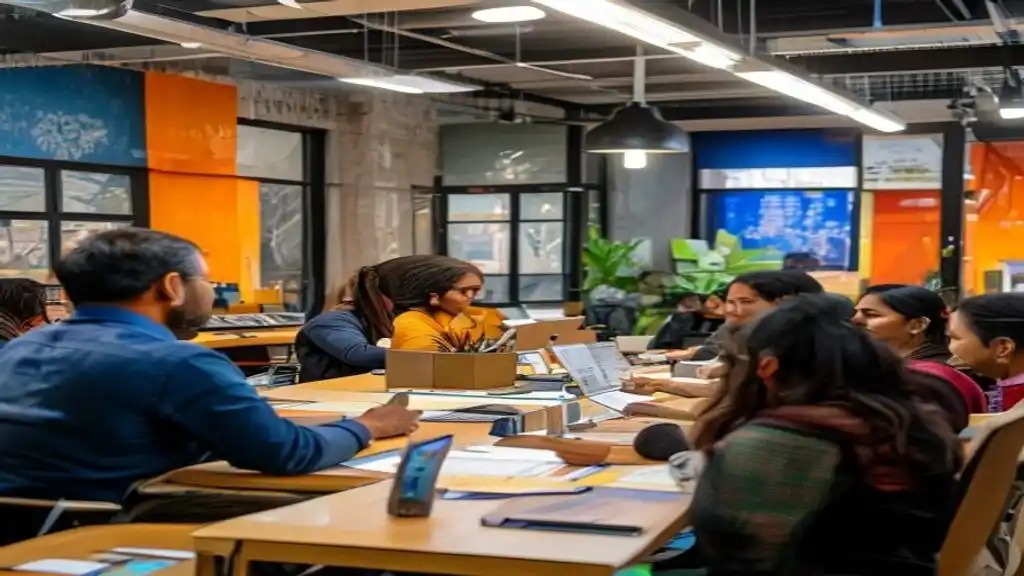
A professional workshop setting in a modern New Delhi venue, featuring diverse Indian employees engaged in a mindfulness exercise with soft, warm lighting and digital wellness dashboards in the background.
These scores are calculated using data on employee engagement, stress levels, and turnover rates. They provide a more accurate picture of organizational health than traditional financial metrics alone could ever hope to offer.
By focusing on resilience, companies are building the capacity to thrive in the face of uncertainty. It is a proactive approach to management that prioritizes the long-term viability of the entire corporate human system.
We Also Published
The summit emphasized that resilience is a skill that can be developed through training and support. It is not something people are born with, but something that a healthy workplace culture can actively nurture.
Trauma-Informed Workplace Architectures
The concept of trauma-informed workplaces was a major highlight for many attendees at the summit. This approach recognizes that many employees carry past experiences that can affect their professional performance and overall health.
By designing policies that are sensitive to these issues, companies can create a more inclusive environment. This includes flexible work arrangements and access to specialized mental health resources for all employees who need them.
Workplace architecture is also changing to include spaces for quiet reflection and mental decompression. These physical changes reflect a deeper commitment to the mental well-being of every person in the building or office.
Trauma-informed care in the workplace reduces the stigma surrounding mental health issues in India. It encourages people to seek help early and provides them with the support they need to stay productive.
This approach is a testament to the growing maturity of the Indian corporate sector. It shows a willingness to engage with the complex realities of human life in a supportive and professional way.
- 01
- 02
- 03
- 04
Financial Wellness as a Mental Health Pillar
The summit correctly identified that financial stress is a major contributor to poor mental health among professionals. Financial wellness programs are now being integrated into broader corporate health initiatives across the entire Indian nation.
These programs go beyond just offering a salary; they provide education on investing, debt management, and retirement planning. Helping employees feel secure about their future is a key part of human sustainability today.
When people aren't worried about their finances, they can focus more effectively on their work. It is a simple connection that has been overlooked for too long in traditional human resource management practices.
Companies are also exploring innovative ways to support employees during financial emergencies. This safety net builds a sense of security and loyalty that is invaluable in a competitive and fast-paced talent market.
Financial wellness is now recognized as a fundamental pillar of a healthy life and career. It is an essential component of any comprehensive wellness strategy in the modern Indian corporate world of 2026.
Actionable Strategies for Sustainable Organizational Growth
The final day of the summit focused on actionable strategies that individuals and organizations can implement immediately. The goal was to move from high-level theory to practical, daily habits that make a real difference.
Sustainable growth requires a commitment to consistent, small changes rather than occasional, large-scale events. It is about the daily choices we make that either support or undermine our long-term health and professional success.
The summit provided a toolkit for leaders to begin transforming their cultures one step at a time. This includes everything from meeting-free days to mandatory wellness breaks for all staff members during the day.
For the individual, the summit emphasized the importance of self-advocacy and setting healthy boundaries. We must all take responsibility for our own sustainability while demanding a supportive environment from our employers and leaders.
These strategies are the building blocks of a new way of working that is both productive and healthy. They represent a more balanced and sustainable approach to professional life in the 21st century.
Implementing Micro-Rest and Boundary Validation
Micro-rest periods are short, frequent breaks throughout the day that help prevent cognitive fatigue. The summit highlighted how these small moments of disconnect can significantly improve focus and creativity over the long term.
Boundary validation is the practice of respecting an employee's right to disconnect after work hours. In 2026, this is becoming a legal and cultural standard in many forward-thinking Indian organizations and government bodies.
When boundaries are validated, employees feel more respected and are less likely to experience burnout. It allows them to recharge and return to work with more energy and a much fresher perspective each day.
These practices are easy to implement but require a strong commitment from management to be effective. They must be modeled by leaders and supported by the overall organizational culture to truly take root.
By prioritizing rest, companies are actually increasing their long-term productivity and innovation. It is a counterintuitive but powerful truth that was central to many discussions at the Human Sustainability Summit this year.
Integrating Traditional Wisdom with Modern Science
India has a rich heritage of wellness practices like yoga and mindfulness that are now being validated by modern science. The summit explored how to integrate these traditions into the modern corporate workplace effectively.
Combining ancient wisdom with cutting-edge organizational psychology creates a uniquely Indian model of wellness. This approach is being exported to the rest of the world as a gold standard for human sustainability and health.
Mindfulness programs in the workplace have been shown to reduce stress and improve decision-making. They provide employees with practical tools to manage the pressures of a high-stakes professional environment with greater ease.
The summit showcased how these practices can be scaled using technology without losing their personal and spiritual essence. It is a beautiful synthesis of the old and the new for the benefit of all.
By embracing its own traditions, India is leading the way in the global wellness economy. This integration is a source of pride and a powerful tool for building a healthier and more resilient workforce.
Ethical AI as a Wellness Co-Pilot
In 2026, AI is being used to support wellness rather than just drive productivity at all costs. Ethical AI tools can monitor stress levels and suggest breaks or mindfulness exercises in real-time for employees.
These "wellness co-pilots" help individuals manage their energy and avoid burnout before it even starts. They provide personalized insights that allow for a more tailored approach to health and professional performance for everyone.
The summit emphasized that these tools must be used ethically, with full transparency and respect for employee privacy. The goal is to empower people, not to monitor or control them in a negative way.
AI can also help scale access to mental health support, providing immediate assistance to those who need it. This technology is a vital part of the infrastructure for human sustainability in a digital age.
When used correctly, AI can be a powerful ally in the fight against workplace stress and burnout. It is an exciting development that is already making a real difference in many Indian companies today.
Future-Proofing Careers via Holistic Health
The summit concluded with the idea that holistic health is the best way to future-proof one's career. In a world of rapid change, the ability to maintain your health and resilience is your greatest asset.
Professionals who prioritize their well-being are better able to adapt to new challenges and learn new skills. They have the energy and the clarity of mind to thrive in a competitive global market.
Companies that support holistic health are building a workforce that is ready for whatever the future may bring. This is the ultimate goal of human sustainability: to create a world where people and businesses thrive.
The Human Sustainability Summit 2026 has set a new course for corporate India, one that values the human spirit. It is a journey that we are all part of, and the future looks bright.
Consider the following formula for the "Wellbeing Quotient" discussed during the technical sessions:
Where ##WQ## is the Wellbeing Quotient, ##M## is Mental Health, ##P## is Physical Health, and ##B## is the Burnout index.
RESOURCES
- India AI Impact Summit: UNESCO champions ethical and human ...unesco.orgFeb 23, 2026 ... At the India AI Impact Summit 2026 in New Delhi, UNESCO champions a human rights–based vision for AI that puts…
- US Delegation Heads to India AI Summit Intent on 'Domination'techpolicy.pressFeb 16, 2026 ... The 2026 India AIImpact Summit has adopted the theme “Shaping AI for Humanity, Inclusive Growth, and Sustainability,” reflecting a growing ...
- India AI Summit: the missing human rights dimensionsihrb.orgIndia AI Summit: the missing human rights dimensions. 23 February 2026 | 6 minute read. MEAphotogallery / FLICKR.
- Amazon Sustainability: Homesustainability.aboutamazon.comTwo people wearing protective gear smile while holding up a honeycomb. Human rights. March 31, 2026 United States. How ...
- India AI Impact Summit 2026impact.indiaai.gov.inPeopleAI must serve humanity in all its diversity, preserving dignity and ensuring inclusivity. PlanetAI innovation must align with environmental stewardship ...
- 2nd Space Debris and Sustainability Conference - IAAiaaspace.orgWelcome to the 2nd Space Sustainability Conference May 4–6, 2026 | Hong Kong Convention and Exhibition Centre ... India · Details. 24th IAA Humans…
- THE 17 GOALS | Sustainable Developmentsdgs.un.org... sustainable development to improve human lives and protect the environment. ... Sustainable Development Summit in September 2015. 2015 was a landmark year ...
- SLU Summit for Waterslu.edu2026 SLU Summit for Water. Water in One Health: The Environmental, Animal, and Human Health Nexus. Join the Saint Louis University WATER Institute, ...
- Agenda and Recordings: Munich Security Conference 2026securityconference.orgFeb 13, 2026 ... 6:30 a.m. - 7:15 a.m.. Townhall. Sustainability, Human Security. Illicit Affairs: Confronting Criminal Networks Across Borders. Add to ...
- TheCSRUniverse Welcomes Preksha Eye ... - Instagraminstagram.comApr 18, 2026 ... AT THE CSR & SUSTAINABILITY CONNECT SUMMIT (CSCS) DELHI JULY 17 DATE 22nd May, 2026 VENUE Constitution Club of India,…
- Events - PSCIpscinitiative.orgCPHI Milan 2026 ... The PSCI is delighted to be an Official Sustainability Partner for CPHI Milan, the biggest international pharma industry event. We'll…
- Villars Summit 2026villarsinstitute.orgSwaminathan, a pioneering agricultural scientist and leader of India's Green Revolution. ... human health and environmental sustainability. Evening. 20:00 - 22:00 ...
- World Sustainable Development Summit - WSDS 2026wsds.teriin.orgThe 2026 edition of WSDS will mark the Silver Jubilee of the Summit. This 25th edition of the milestone event will be held from…
- 2026 Global Human Capital Trends | Deloitte Insightsdeloitte.comMar 4, 2026 ... Deloitte's 2026 Global Human Capital Trends survey shows why competitive advantage depends on choices that enable speed, adaptability, ...
- Big challenges demand bold leadership. Greg Steele ... - Instagraminstagram.comMay 14, 2026 ... ... human and environmental health, and the policies shaping our future. ... May 28, May28,2026 2026 Vision to Action: COTE…
- 01
- 02
- 03
- 04
- 05
- 06
- 07
- 08
0 Comments