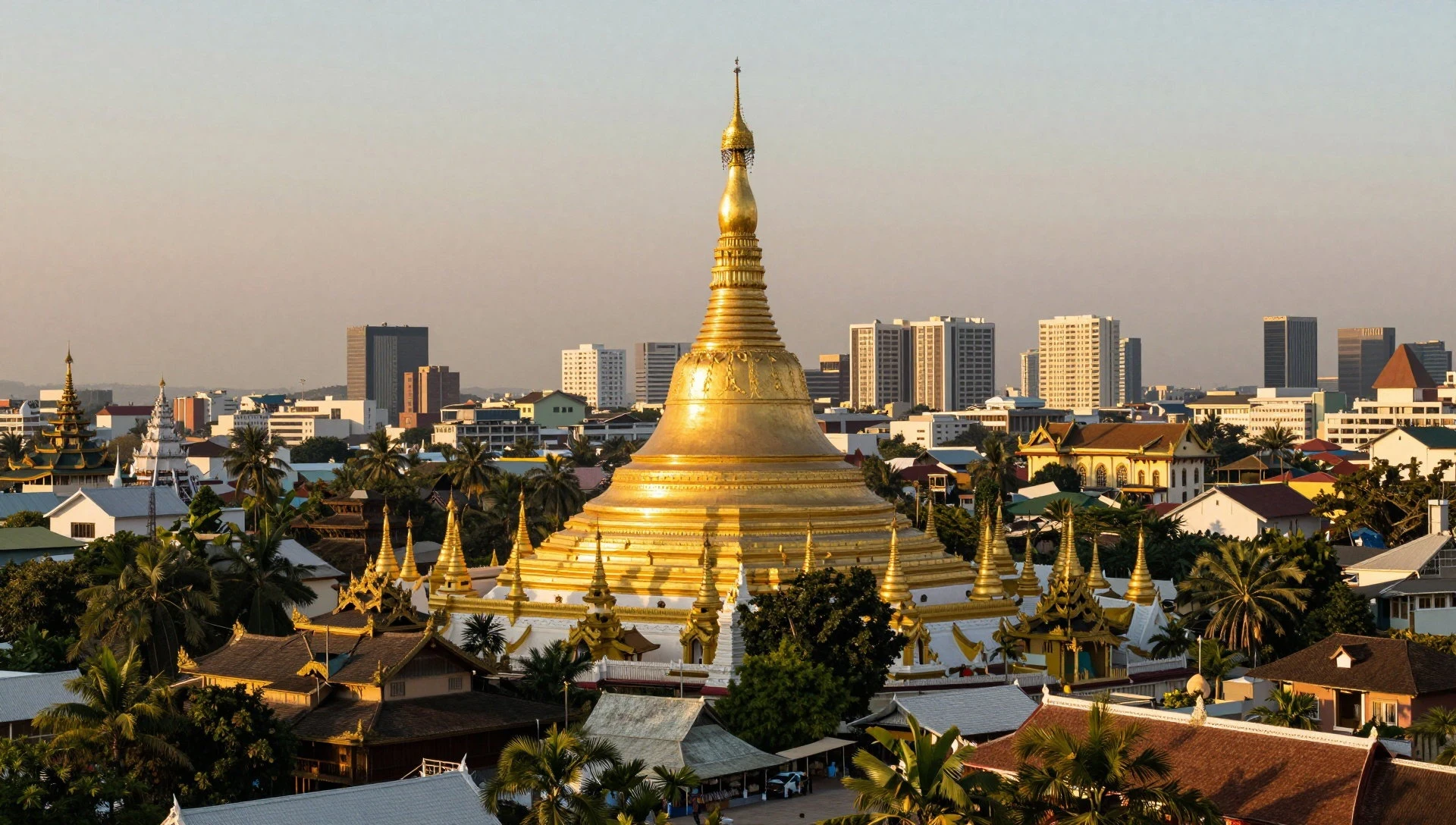
Few place names carry as much quiet political weight as the two words used for Myanmar's largest city. Rangoon and Yangon refer to the same sprawling delta metropolis on the Yangon River, yet the choice between them has never been merely a matter of spelling. The older form, Rangoon, arrived in English through colonial contact and served as the official name for well over a century, appearing on British Admiralty charts, in Kipling's verse, and in the dispatches of foreign correspondents who covered the country's turbulent twentieth century. The newer form, Yangon, reflects the Burmese-language pronunciation and was imposed by the military government in 1989 as part of a broader renaming of the nation itself.
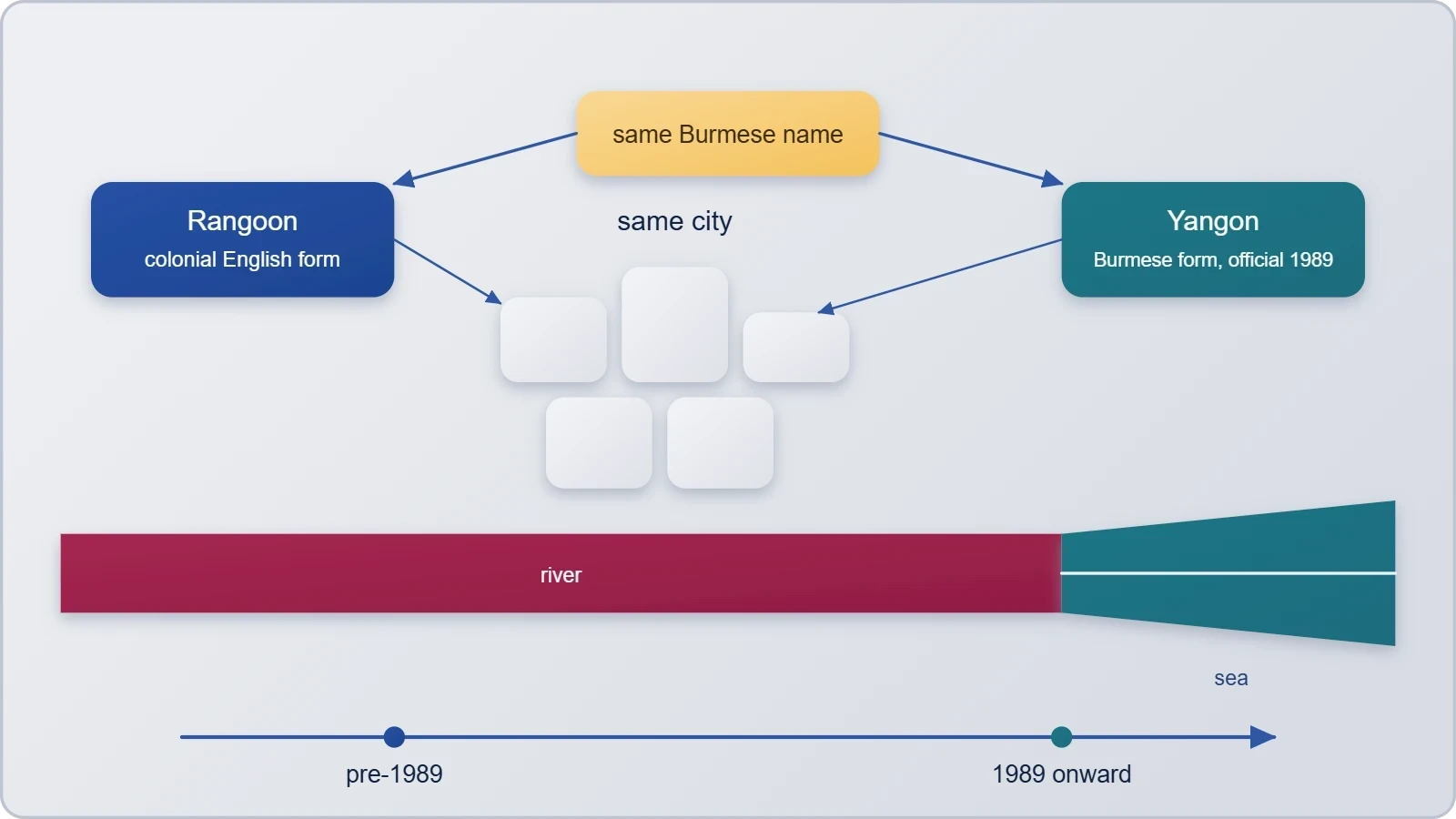
That single administrative decision in 1989 transformed a linguistic preference into a geopolitical statement. When the ruling junta replaced Burma with Myanmar and Rangoon with Yangon, it argued that the old English forms were colonial artifacts that misrepresented local speech. Critics, including opposition figures and several Western governments, countered that the change was made without public consent and carried no democratic legitimacy. The result is a naming landscape that remains genuinely divided: the United Nations and most international bodies use Myanmar and Yangon, while the United States and the United Kingdom still officially favor Burma and Rangoon in diplomatic contexts, even as their media increasingly adopt the newer forms.
Understanding why both names persist requires more than a timeline of decrees. It demands attention to Burmese phonology, the politics of postcolonial identity, the mechanics of cartographic standardization, and the everyday pragmatism of people who simply say what feels natural. This analysis traces the etymology of each form, examines the 1989 renaming in its historical context, and explains how institutions, publishers, and ordinary speakers navigate a naming dispute that has outlasted the regime that started it.
On This Page
TL;DR Rangoon and Yangon are two names for the same city, Myanmar's largest. Rangoon is the English colonial-era form; Yangon is the Burmese-language form adopted as official in 1989 alongside the national change from Burma to Myanmar. The shift was linguistically defensible but politically contested, made by a military junta without consultation. Today the United Nations and most global bodies use Yangon, while some Western governments retain Rangoon in official usage. Both names remain correct in different registers, and the choice often signals political sympathy as much as linguistic accuracy.
The Linguistic Roots Behind Two Names for One City
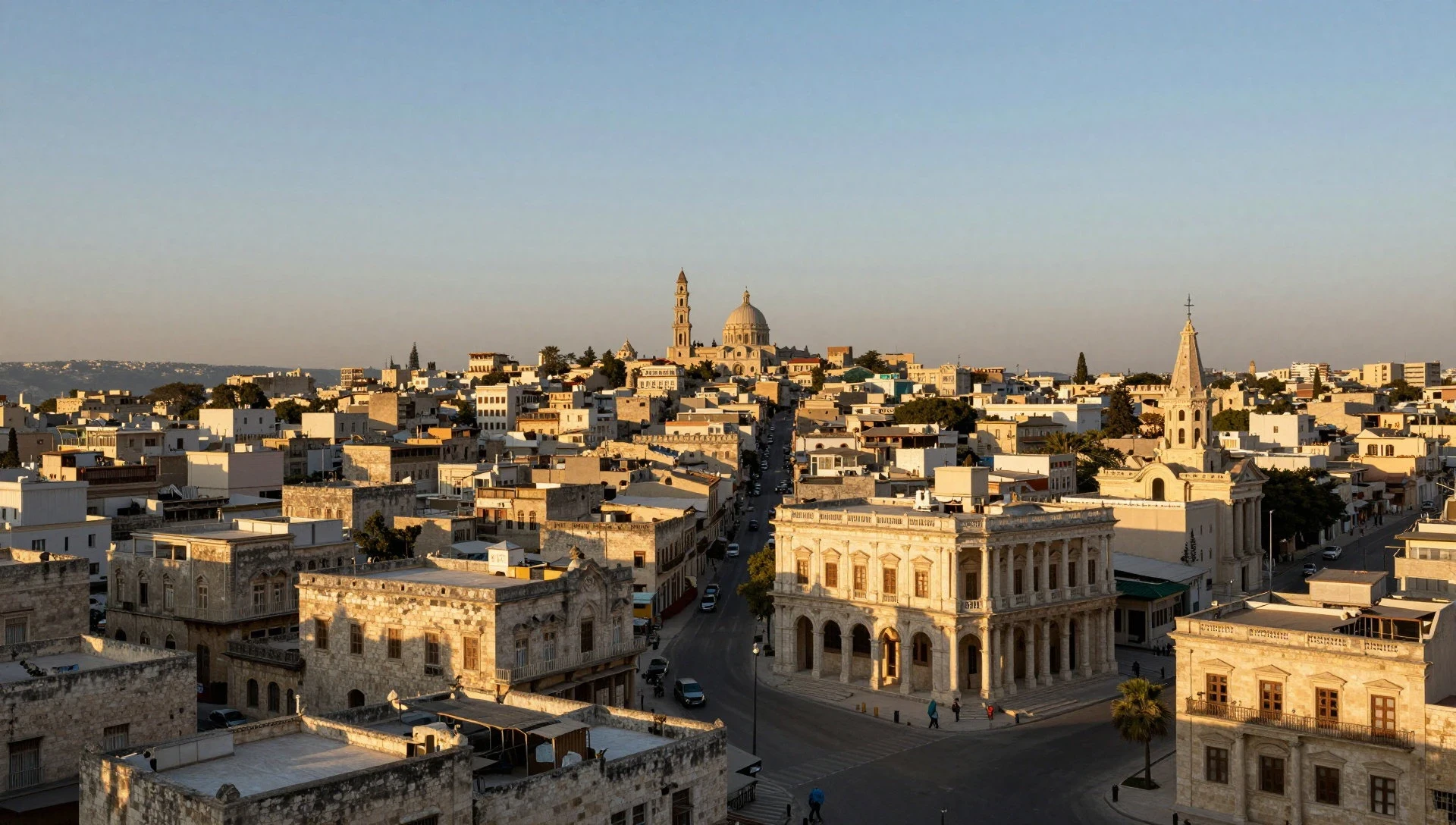
The apparent mystery of Rangoon versus Yangon dissolves quickly once the mechanics of transliteration are understood. Both words attempt to render the same Burmese phrase, which is commonly analyzed as meaning "end of strife" or "complete victory," composed of elements referring to conflict and its cessation. The difference lies not in the underlying name but in how foreign ears and pens captured its sounds. British officials in the nineteenth century heard the initial consonant and the nasalized vowels through the filter of English phonology, producing Rangoon, a spelling that then hardened into imperial convention.
Burmese is a tonal language with distinctions that English orthography handles poorly, and the colonial rendering flattened several of them. The 1989 change was designed to bring the written form closer to actual pronunciation, replacing the r with a y and adjusting the vowels to reflect how residents say the name. This was not an isolated correction but part of a systematic revision affecting hundreds of place names across the country, from river towns to mountain peaks, each recalibrated toward what officials described as authentic Burmese sound values.
How Colonial Transliteration Shaped the Older Form
Nineteenth-century British administrators relied on a transliteration system developed largely by military officers and missionaries, none of whom were trained linguists in the modern sense. Their spellings were pragmatic, designed for maps and gazetteers rather than phonetic precision, and they varied considerably between early surveys. Rangoon emerged as the dominant form partly through repetition in official documents and partly because it was easy for English speakers to pronounce, which mattered enormously for a port city integrated into global shipping and commerce.
The name traveled widely through English-language literature and journalism, acquiring associations that had little to do with Burma itself. Rudyard Kipling's famous poem about a girl he met there cemented a romanticized image in the Western imagination, and the city's appearance in wartime reporting during the Burma Campaign of the 1940s reinforced the older spelling for an entire generation. By the time independence arrived in 1948, Rangoon was so deeply embedded in English usage that no immediate change was contemplated, and the country's first postcolonial governments continued to use it in international correspondence.
The 1989 Adaptation and Its Phonetic Logic
The 1989 revision rested on a genuine linguistic argument. Burmese scholars had long noted that the colonial spellings obscured the relationship between written Burmese and spoken Burmese, and the new forms aimed to close that gap. Yangon, in this reading, is simply more faithful to what residents actually say, and the same logic produced changes elsewhere, including the national name itself. The adaptation was presented as a matter of national dignity and cultural accuracy rather than political provocation, though the timing and the authority behind it ensured that it would be read politically regardless.
Linguists generally regard the phonetic reasoning as sound, even when they question the political process. The new spellings do capture distinctions the old ones missed, and they align the Roman alphabet more closely with Burmese phonology. What complicates the picture is that transliteration is never a purely technical exercise; every system embeds choices about which sounds matter and which can be sacrificed, and those choices reflect the priorities of whoever is doing the transcribing. The 1989 forms reflect Burmese priorities, which is precisely why they were controversial abroad.
The 1989 Renaming and the Politics of National Identity
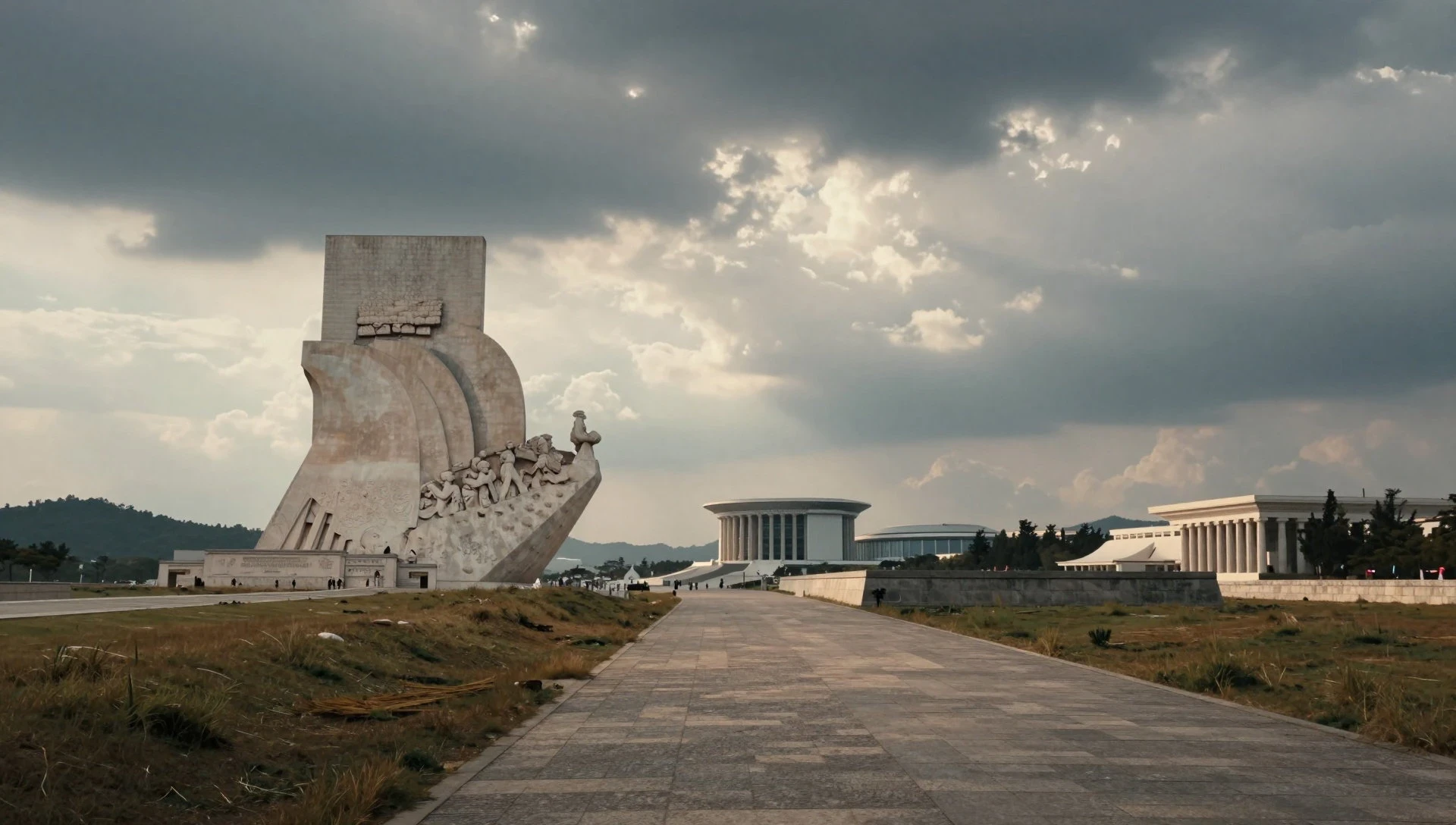
On 18 June 1989, the State Law and Order Restoration Council issued an order changing the English names of the country and numerous internal divisions. Burma became Myanmar, Rangoon became Yangon, and the Irrawaddy River became the Ayeyarwady. The timing was significant: the junta had seized power the previous year after crushing nationwide protests, and the renaming came amid a broader campaign to assert sovereignty and distance the state from its colonial past. Officials framed the change as the correction of a historical wrong, restoring names that reflected Burmese heritage rather than British convenience.
The political context made the change impossible to separate from the regime that enacted it. Opposition leader Aung San Suu Kyi and her National League for Democracy pointedly continued to use the older forms, and Western governments followed suit as a mark of solidarity. The United States has never formally adopted Myanmar in official diplomatic usage, and the United Kingdom maintains a similar position, though both have softened in practice. The naming question thus became a proxy for a larger argument about whether a military government could legitimately redefine national identity.
Why the Junta Chose to Rename the Country and Its Cities
The junta's motivations were layered. On one level, the renaming was a genuine assertion of cultural sovereignty, rejecting names imposed by colonial administrators who had never asked local people what they called their own homeland. On another, it was a domestic political maneuver, signaling to the Burmese public that the new regime would defend national dignity in ways its predecessors had not. And on a third level, it was an international statement, declaring that Myanmar would define itself on its own terms rather than accept the vocabulary of former colonial powers.
There was also a practical dimension rooted in the regime's broader program of "Myanmafication," which sought to standardize language, place names, and administrative terminology throughout the country. The renaming of Rangoon was one piece of a much larger project affecting ethnic minority regions as well, sometimes overriding local names with Burmese equivalents. This aspect of the policy drew criticism from minority groups who saw it as cultural imposition rather than decolonization, complicating the simple narrative of restoring authentic names.
The International Response and Diplomatic Divisions
International reactions split along predictable lines. The United Nations adopted Myanmar and Yangon almost immediately, following the principle that member states may determine their own official names. Most news organizations eventually followed, with the BBC and major wire services shifting to the new forms during the 1990s. France, Japan, and most Asian nations use the newer names without controversy, treating the question as a straightforward matter of diplomatic courtesy rather than political endorsement.
The holdouts were concentrated among English-speaking Western nations with strong domestic constituencies sympathetic to the democracy movement. The United States and Britain argued that recognizing the junta's renaming would lend legitimacy to an unelected regime, and they maintained the older forms in official documents for decades. This position has softened considerably since the political reforms that began in 2011, and many government publications now use Myanmar while still occasionally employing Rangoon in historical or cultural contexts.
We Also Published
How Maps, Books, and Media Navigate the Divide
Cartographers face the naming question with unusual directness, because a map must print something. Most international mapmakers now use Yangon, following the United Nations and the International Organization for Standardization, whose country codes and gazetteers reflect the post-1989 forms. Yet many atlases include a parenthetical note, printing "Yangon (Rangoon)" to serve readers who know the city by its older name. This dual-labeling practice is a quiet acknowledgment that neither form has achieved universal acceptance and that maps serve multiple audiences with different expectations.
Publishing houses have developed their own conventions, often shaped by the political sensibilities of their primary markets. British and American publishers frequently use Yangon in new editions while retaining Rangoon in reprints of older works, creating a body of literature in which both names coexist. Style guides at major newspapers have largely standardized on Yangon, but obituaries, historical features, and archival references often preserve the older form, particularly when quoting sources from before 1989.
Style Guide Conventions and Editorial Choices
Newsroom style guides reveal how institutions resolve the tension between accuracy and audience familiarity. The Associated Press switched to Yangon in the 1990s, and most major outlets followed, reasoning that using the official name of a place is standard journalistic practice regardless of the government in power. The New York Times and the Guardian use Yangon, while some conservative publications in the United States retained Rangoon longer as a gesture of political alignment with the democracy movement.
These choices are rarely absolute. Even outlets that prefer Yangon will use Rangoon when referring to historical events, such as the Rangoon University student strikes of the 1930s or the wartime Rangoon bombings, because those events occurred under the older name. This temporal distinction, using each name for the era in which it was current, is one of the most elegant solutions to the dilemma, though it requires writers and editors to know the history well enough to apply it consistently.
The Role of Search Engines and Digital Platforms
Digital platforms have introduced a new layer of complexity. Search engines treat Rangoon and Yangon as related but distinct queries, and Wikipedia maintains separate articles with cross-references, ensuring that users searching either term arrive at the same information. Google Maps displays Yangon as the primary label while accepting Rangoon as a search term, a pragmatic compromise that reflects how people actually search rather than any official position on the naming dispute.
Social media and user-generated content have further muddied the waters, since individuals use whichever name they learned first or feel most comfortable with. Travel platforms often list both to maximize discoverability, and hotel listings sometimes include "formerly Rangoon" in their descriptions. This digital coexistence mirrors the broader reality: the two names are not competing for exclusive legitimacy but functioning as parallel labels, each with its own connotations and contexts of use.
- 01
- 02
- 03
- 04
Everyday Usage and the Question of Political Signaling
For most residents of the city, the naming question is less fraught than it appears from abroad. Burmese speakers call the city Yangon in daily conversation, and the older English form rarely enters their speech except when speaking to foreigners or referencing historical periods. The political charge that attaches to Rangoon in Western discourse is largely absent in local usage, where the name is simply the name and the choice between forms is not a daily referendum on the legitimacy of the government.
Among the Burmese diaspora, however, the choice can carry real weight. Some exile communities deliberately use Rangoon as a marker of opposition to the military regime, treating the older name as a small act of resistance. Others find this performative and prefer Yangon as the accurate contemporary form. The debate within diaspora circles mirrors broader arguments about how to engage with a country whose government has been both repressive and, at times, reformist, and the naming question becomes a way of talking about those larger disagreements.
Local Speech Versus Official Terminology
In Myanmar itself, the distinction between the two names maps onto a distinction between Burmese and English language use. Official documents, government signage, and formal correspondence use the Burmese script form, which corresponds to Yangon when romanized. English-language materials produced inside the country almost universally use Yangon, and the older form appears mainly in historical references or in the names of institutions that have retained it, such as certain colonial-era schools and businesses.
Foreign residents and long-term visitors often develop their own conventions, sometimes using Rangoon out of habit or affection for the city's cosmopolitan past, sometimes adopting Yangon to signal respect for local usage. Neither choice is likely to cause offense in casual conversation, though the context matters: using Rangoon in a formal setting can seem dated or politically pointed, while using Yangon in a discussion of the colonial era can seem anachronistic.
Diaspora Perspectives and the Politics of Naming
The diaspora politics of naming are particularly intricate because they involve people who left at different times and for different reasons. Those who fled the 1988 crackdown and the subsequent repression often retain a strong attachment to Rangoon as the name of the city they lost, and using it can be a way of honoring that loss. Younger diaspora members, born abroad, often use Yangon simply because it is what they learned, and they may be puzzled by the intensity of their elders' preferences.
This generational divide suggests that the naming question may gradually resolve itself through the simple passage of time. As the pre-1989 generation ages and as Myanmar's international engagement deepens, Yangon is likely to become the default form in most contexts, with Rangoon surviving mainly in historical writing and in the names of institutions that predate the change. Yet the persistence of the older form for over three decades suggests that it will not disappear entirely, and its continued use will remain a small but meaningful signal of how the user relates to the country's contested recent history.
Why Both Names Endure and What the Future Holds
The persistence of both names more than three decades after the 1989 change reflects a broader truth about place names: they are not merely labels but carriers of memory, identity, and political allegiance. Rangoon survives because it is embedded in a vast body of literature, historical documentation, and personal recollection that cannot simply be updated by decree. Yangon prevails in official and international contexts because it is the name the country's authorities chose and because most of the world has accepted that choice as a matter of practical diplomacy.
This coexistence is not unusual in global terms. Cities from Mumbai to Kyiv have undergone similar renamings, and in each case the older form persists in some registers while the newer form dominates in others. What distinguishes the Rangoon-Yangon case is the unusually direct link between the naming choice and a political judgment about the regime that enacted it, which has kept the question alive long after most postcolonial renamings have faded into uncontested usage.
Lessons From Other Contested Place Names
The pattern repeats across the postcolonial world. Bombay became Mumbai in 1995, and while the new name is now standard in India and most international contexts, Bombay persists in the names of institutions, in older literature, and among some diaspora communities. Calcutta became Kolkata, Madras became Chennai, and in each case the transition was gradual, contested, and incomplete. The Rangoon-Yangon case follows this template closely, with the added complication that the renaming was carried out by a military regime rather than a democratic government.
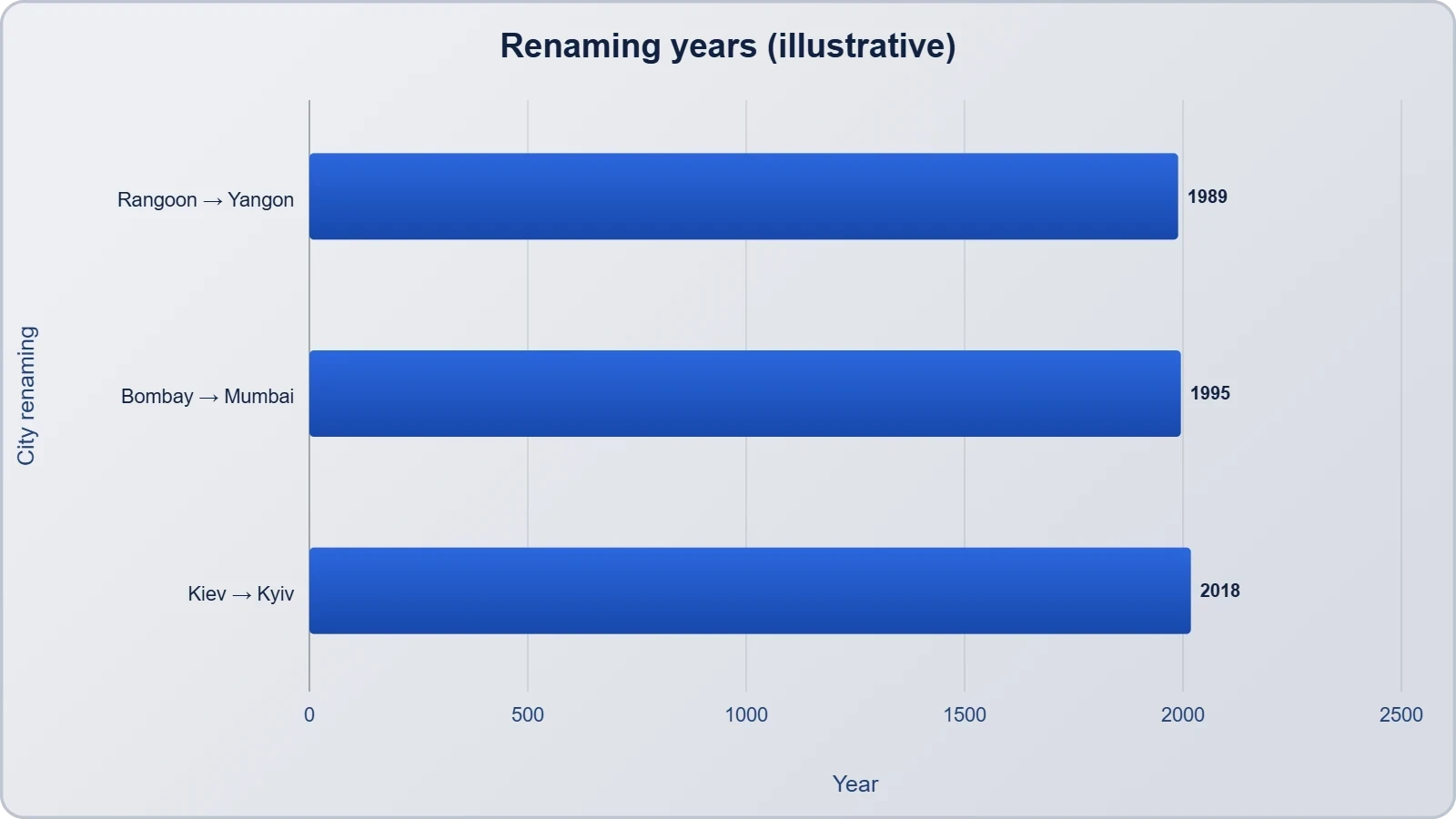
Elsewhere, the dynamic is reversed. Kyiv rather than Kiev has become the preferred international form in recent years, driven not by the Ukrainian government's decree alone but by a broader Western willingness to adopt the Ukrainian transliteration as a mark of solidarity. This suggests that place-name adoption is ultimately a social process, not a legal one, and that official decrees matter less than the accumulated choices of writers, editors, and speakers over time.
Practical Guidance for Writers and Travelers
For anyone writing about the city today, the safest approach is to use Yangon as the default while acknowledging Rangoon in historical contexts or when quoting older sources. This practice aligns with international norms, respects the official name, and avoids the appearance of political posturing. When in doubt, a parenthetical note on first mention, such as "Yangon, formerly known as Rangoon," serves both accuracy and reader comprehension without taking a side in a dispute that is not the writer's to resolve.
Travelers will find that locals use Yangon and that the older name is understood but rarely volunteered. Using Rangoon is unlikely to cause offense, but it may mark the speaker as out of date or as carrying assumptions about the country's politics. The most respectful approach is to follow local usage, which means Yangon in almost all contemporary contexts, while remaining aware of the history that makes the choice meaningful.
Conclusion: A Name Is Never Just a Name
The Rangoon-Yangon question resists a simple answer because it is not really a question about spelling. It is a question about who has the authority to name a place, what that authority rests on, and how the rest of the world chooses to respond. The 1989 change was linguistically defensible and politically compromised, enacted by a regime with no democratic mandate but grounded in a genuine argument about cultural authenticity. Both names are therefore correct in their own registers, and the choice between them carries meanings that extend far beyond the city itself.
What remains is a practical coexistence that is likely to continue for the foreseeable future. Yangon will dominate official and international usage, Rangoon will persist in historical writing and in the vocabulary of those who remember the city before the change, and the two will continue to appear side by side on maps, in books, and in conversations about Myanmar. Understanding why requires no resolution of the underlying political dispute, only an appreciation of how language, history, and power intertwine in the names we give to places.
From our network :
- CISA’s Ten-Advisory Wave: Why Generic Patching Fails in OT and How to Build Product-Specific PlaybooksCISA released ten ICS advisories in one week, exposing critical infrastructure risks. Generic patching fails in OT. Learn to build product-specific remediation playbooks.
- The Hidden Cost of AI Convenience: Why Over-Permissioned Agents Are a Security Time BombDiscover why AI agents with excessive permissions create dangerous single points of failure, and learn how implementing least privilege principles can protect your organization from exploitation.
- The Final Descent: How ESA Retired the Legendary Cluster Constellation After 24 Years of Space Weather ScienceAfter 24 years mapping Earth’s magnetosphere, ESA’s Cluster mission concluded with a precisely controlled reentry over the South Pacific. This analysis explores the scientific legacy, engineering decisions, and debris mitigation principles behind one of space exploration’s most responsible retirements.
- Live Online English Classes for Kids: Do They Actually Reduce Anxiety?A ten-week study reveals that synchronous online English classes can significantly reduce child language anxiety while improving listening and reading skills. Discover what makes these programs effective and how parents can select the right one.
- Committed Mediterranean Precipitation Decline: Why Emissions Cuts Alone Cannot Restore Winter RainsNew NOAA research reveals that Mediterranean winter rains may decline irreversibly even with emissions cuts. Explore the science of committed climate change and regional impacts.
- Forbidden Matrix Patterns and Visible Lattice Points: A Geometric DictionaryExplore how multidimensional 0–1 matrices encode geometric truths, linking forbidden patterns to visible lattice points and hypergraph theory, with applications in combinatorics and computational geometry.
- How AI Agents Will Change the Way We Manage Personal FinancesExplore how AI agents are transforming personal finance through automated budgeting, bill payment, and investment management, while examining the critical security protocols and governance frameworks required for safe deployment.
- Mobile Learning and VR in English: What Global Evidence Reveals About Effective Language TechnologyA systematic review across 14 countries reveals which language-learning technologies genuinely work. Mobile learning, AI, and VR show measurable benefits when pedagogically integrated. This evidence-based guide helps educators and learners select technology that delivers real return on investment.
- University Language Proficiency Exams: Why Institutional Tests Demand Different Preparation Than IELTS and TOEFLDiscover why university-specific language proficiency examinations differ fundamentally from IELTS and TOEFL, and learn strategic preparation approaches for institutional assessment success.
RESOURCES
- Mingalaba Myanmar! ...Or is it Burma? - William & Mary Law Schoollaw.wm.edu... name from Burma to Myanmar in 1989. It also disposed of a number of city names including Rangoon (now Yangon) and Pagan (now…
- Yangon - Wikipediaen.wikipedia.orgYangon, also romanized in English as Rangoon, is the capital city of the Yangon Region and the largest city of Myanmar. Yangon was the…
- Crab Rangoon puff pastry with sweet and sour sauce - Facebookfacebook.comDec 5, 2025 ... Rangoon is the former name of the city, Yangon. Which is in Myanmar ... Burma/Myanmar, the former capitol city of…
- First Look: Rangoon Burmese Kitchen - HONOLULU Magazinehonolulumagazine.comSep 11, 2018 ... (No wonder, since Myanmar—formerly known as Burma—is ... Rangoon is the former name of Yangon, Myanmar's largest city and former…
- Peter Sleeps On A Shelf In Rangoon, Burmapetersbigadventure.comAug 28, 2015 ... ... Myanmar. Included in this change was the decision to change the name of Rangoon (Burma's largest city) to Yangon.…
- Rangoon and Singapore: Connections, Comparisons, and the ...globalurbanhistory.comFeb 24, 2016 ... ... Burma studies. In this light, studying Myanmar's largest city, Yangon (also known as Rangoon), has become not only possible,…
- Yangon | Map, Myanmar, History, Pronunciation & Facts - Britannicabritannica.com... city's name, be used by other countries. ... After the British annexation of all of Burma in 1886, Rangoon became the capital city…
- TIL: Crab Rangoons aren't related to Chinese cuisine, and ... - Redditreddit.comOct 28, 2023 ... Yup. Rangoon is a city in Myanmar (formerly Burma.) Usually spelled Yangon these days.
- Myanmar - Tales and Traveltalesandtravel.comApr 28, 2014 ... ... Myanmar. The ... name used since the mid 19th century, to Myanmar in 1989. Rangoon became Yangon, and several…
- Our Asian Spring - The Atlantictheatlantic.comMar 19, 2021 ... She was born just outside the former capital of Burma (now known as Myanmar) ... Rangoon (now known as Yangon).…
- Burma or Myanmar: One Country With Two Names? - VOAvoanews.comFeb 4, 2021 ... ... Rangoon, the nation's major city, to Yangon at the same time. The military government believes that the term Burma…
- Moung Edwin - Law Library - The University of Iowalibrary.law.uiowa.eduIn 1989, the ruling government changed Burma's name to Myanmar. The ... For instance, Bassein is now spelled Pathein and Rangoon changed to Yangon.
- Why does Turkey want other countries to start spelling its name ...news.fiu.eduFeb 16, 2023 ... They changed the capital city from Rangoon to Yangon. In a surprise to the world, Burma became Myanmar. In the…
- "Myanmar" vs "Burma" - What's the Difference? How To Call This ...triptipedia.comApr 11, 2020 ... Similarly, the biggest city, Rangoon, was renamed Yangon, but both names are still used in English today. English vs Burmese.…
- This Food in History #12 Crab Rangoon - Uncultured Palateunculturedpalate.comJan 18, 2024 ... The name comes from Rangoon, now Yangon, which is the largest city in Myanmar, formerly Burma. I am finding slight…
- 01
- 02
- 03
- 04
- 05
- 06
- 07
- 08
0 Comments