
On This Page
Understanding the Evolution of Aftercare
The Shift Toward Emotional Awareness
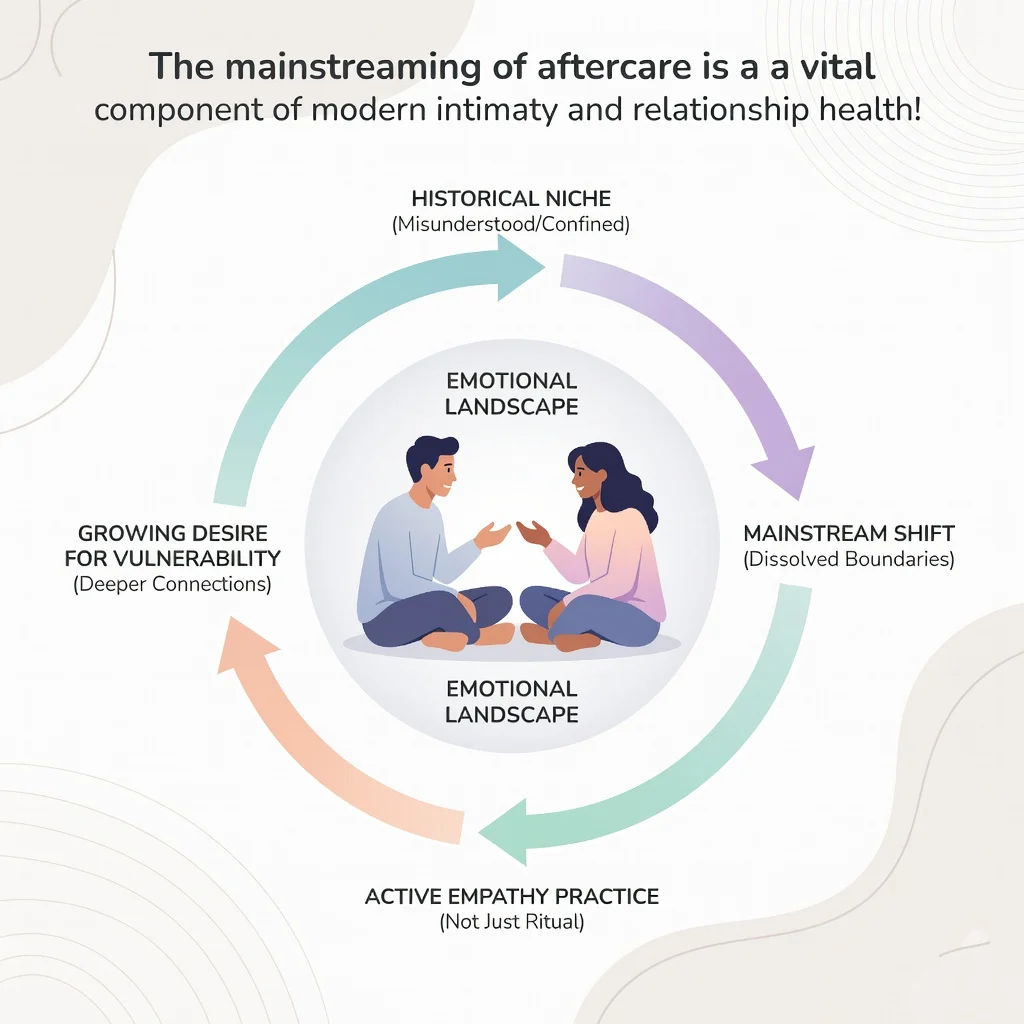
Modern society increasingly prioritizes emotional intelligence within interpersonal dynamics, leading to a significant shift in how intimacy is perceived. People now recognize that the period following sexual activity remains vital for overall relationship health.
Historically, discussions surrounding post-intimacy care were confined to niche communities, often misunderstood or ignored by the general public. Today, those boundaries have dissolved as individuals seek deeper, more meaningful connections with their romantic partners.

This mainstreaming process highlights a growing desire for vulnerability and authentic support. By acknowledging the emotional needs of a partner, individuals cultivate a sense of security that extends far beyond the physical act itself.
Educational platforms now emphasize that aftercare is not merely a ritual but a practice of active empathy. This perspective helps demystify the concept, making it accessible to anyone interested in improving their romantic bond.
As these conversations become more common, the stigma once associated with vocalizing needs after intimacy continues to fade. This progress allows couples to navigate their unique emotional landscapes with greater confidence and mutual respect.
Defining Aftercare for Modern Couples

At its core, aftercare encompasses any intentional action taken after intimacy to ensure both partners feel grounded, safe, and appreciated. It serves as a bridge between high-energy physical experiences and normal daily functioning.
For many, this might involve simple gestures like holding hands, sharing a glass of water, or engaging in quiet conversation. These actions signal that the emotional connection remains intact regardless of the physical intensity.
Others may require different forms of support, such as physical space or reassurance, depending on their individual temperament. Understanding these variations is essential for developing a personalized approach that benefits both people involved today.
The beauty of aftercare lies in its flexibility, as it adapts to the specific needs of the relationship. By establishing these routines, couples create a reliable framework for processing emotions and maintaining consistent closeness.
Ultimately, defining aftercare is an ongoing process of discovery. It requires patience and a willingness to listen, ensuring that the post-intimacy environment remains a sanctuary for both partners to express their true feelings.
The Role of Communication in Safety
Effective communication serves as the bedrock of successful aftercare practices within any relationship. Without open dialogue, partners often struggle to understand what the other person needs during those vulnerable moments of physical transition.
Initiating these conversations requires courage but yields significant rewards in terms of trust. When individuals express their preferences clearly, they empower their partners to provide the exact level of support that is required.
Scripts and gentle check-ins act as useful tools for those who might feel awkward starting such discussions. These frameworks lower the barrier to entry, making it easier to discuss needs without feeling exposed.
Active listening remains just as important as speaking when it comes to refining aftercare habits. By paying attention to non-verbal cues and subtle shifts in mood, partners can adjust their behavior to better match.
Prioritizing this transparency transforms the post-intimacy experience from a guessing game into a shared act of care. It builds a foundation where both parties feel safe to explore their vulnerabilities without any judgment.
Normalizing Needs Across Relationship Types
Aftercare is not restricted to specific types of relationships or sexual experiences, as its benefits are universal. Whether a couple is new or long-term, the need for emotional grounding remains a constant reality.
By normalizing these practices, we move away from the idea that intimacy must always be effortless or purely instinctive. Instead, we embrace the reality that human connection often requires intentional effort and practice.
This normalization helps reduce the pressure on individuals to perform or feel a certain way after sex. It validates the diverse range of emotional responses that follow intimacy, promoting a healthier social standard.
When aftercare becomes a mainstream topic, it invites people from all walks of life to participate in the conversation. This inclusivity ensures that everyone has access to the tools necessary for healthy bonding.
As society continues to evolve, the integration of aftercare into mainstream life represents a positive step toward better mental health. It encourages a more compassionate approach to intimacy that prioritizes the whole person.
Psychological and Relational Benefits
Reducing Anxiety and Emotional Fatigue
Intimacy often triggers a complex mix of biological and emotional responses that can leave individuals feeling vulnerable. Aftercare provides the necessary stabilization to help regulate these feelings and prevent lingering anxiety or fatigue.
When partners provide gentle support, they help ground the nervous system, allowing for a smoother transition back to a baseline state. This physical and emotional regulation is crucial for maintaining long-term relationship stability.
By addressing potential emotional fatigue early, couples can avoid the buildup of unspoken tensions. This proactive approach ensures that the intimacy remains a source of rejuvenation rather than a cause for future stress.
The act of being present for a partner during these moments reinforces the message that they are valued. This simple reassurance is often enough to alleviate any lingering doubts or insecurities that arise.
Consistent aftercare serves as a form of emotional maintenance that keeps the relationship healthy. It allows partners to feel secure in their bond, fostering a sense of peace that permeates their daily interactions.
Building Trust Through Shared Vulnerability
Vulnerability is a prerequisite for deep trust, and the period following intimacy provides a unique window for this growth. Sharing this time intentionally creates an environment where both partners feel safe and seen.
When one partner offers support and the other accepts it, a cycle of mutual reliance begins to form. This cycle strengthens the emotional tether, making the relationship more resilient in the face of challenges.
Trust is not built through grand gestures alone but through the accumulation of small, consistent acts of care. Aftercare provides a perfect setting for these small acts to occur on a regular basis.
Because these moments are often quiet and intimate, they allow for a deeper level of honesty than more public interactions. This depth of connection is essential for fostering a long-lasting and healthy partnership.
By prioritizing this time, couples demonstrate that they care about the entirety of the experience, not just the physical peak. This holistic view of intimacy is the hallmark of a truly secure connection.
| Strategy Type | Primary Benefit | Implementation |
|---|---|---|
| Verbal Reassurance | Emotional Security | Expressing gratitude |
| Physical Proximity | Nervous System Regulation | Cuddling or holding |
| Space Provision | Personal Autonomy | Respecting silence |
Enhancing Communication Beyond the Bedroom
The habits formed during aftercare often spill over into other areas of the relationship, improving overall communication. When couples learn to navigate their post-intimacy needs, they become better at discussing other sensitive topics.
This improvement stems from the practice of identifying and articulating personal needs in a safe environment. As partners get better at this, they can apply the same skills to conflict resolution and planning.
The language of care developed during aftercare creates a shared vocabulary that both partners understand. This shorthand makes it easier to communicate complex feelings without the need for lengthy or difficult explanations.
Furthermore, the increased empathy fostered through these routines encourages a more supportive tone in daily life. Couples who prioritize aftercare tend to be more attuned to each other’s emotional states throughout the day.
Ultimately, the skills learned through aftercare contribute to a more robust partnership. By mastering the art of the check-in, couples build a communication style that is both effective and deeply compassionate toward one another.
The Impact of Consistency on Satisfaction
Consistency is the key to reaping the long-term benefits of aftercare. When these practices become a standard part of the relationship, they provide a sense of predictability and comfort that is highly valued.
Regular aftercare habits signal that the relationship is a priority. This awareness increases overall satisfaction, as both partners feel that their emotional well-being is a central focus of the shared romantic experience.
Over time, these routines become second nature, requiring less effort to initiate while providing the same level of comfort. This ease of use encourages couples to continue the practice even during busy periods.
When both partners know what to expect, the pressure to figure things out in the moment disappears. This removes a significant source of potential friction, allowing for a more relaxed and enjoyable experience.
In the long run, the cumulative effect of consistent aftercare is a stronger, more harmonious connection. It creates a stable foundation that allows the relationship to grow and evolve in a healthy direction.
Practical Application and Future Trends
- 01
- 02
- 03
- 04
Integrating Aftercare into Daily Routines
Integrating aftercare does not have to be a complicated or time-consuming endeavor. Small, intentional habits can be seamlessly woven into a couple's existing routine without requiring significant changes to their daily lives or schedules.
For example, taking five minutes to talk about the experience or simply holding hands while relaxing can make a massive difference. These small moments of connection serve as powerful anchors for the relationship.
Couples should also feel encouraged to experiment with different forms of aftercare to see what works best for them. Flexibility is important, as individual needs may change based on the context of the day.
It is helpful to view aftercare as a form of self-care that is shared with another person. By reframing it in this way, individuals can approach it with a sense of personal investment.
As these practices become more integrated, they lose their status as an extra chore and become a natural part of intimacy. This shift makes it easier for couples to sustain these healthy habits.
Resources for Couples and Educators
As the conversation around aftercare grows, more resources are becoming available to help couples navigate this territory. Books, podcasts, and therapy-led platforms offer valuable insights for those looking to improve their emotional connection.
Educational content now plays a vital role in normalizing these practices for a wider audience. By providing clear definitions and examples, these resources help individuals overcome any initial hesitation they might feel today.
Therapists and relationship coaches are increasingly incorporating aftercare discussions into their work with clients. This professional endorsement adds credibility to the practice, making it more accessible to those who may be skeptical initially.
Online communities also provide a space for people to share their experiences and learn from one another. These peer-to-peer networks are essential for spreading awareness and fostering a culture of mutual support.
Ultimately, the goal is to make these resources widely available to ensure everyone can benefit. Continued education and open dialogue are the best ways to keep this positive trend moving forward for everyone.
| Resource Type | Target Audience | Primary Utility |
|---|---|---|
| Resource Type | Target Audience | Primary Utility |
| Relationship Blogs | General Public | Practical tips |
| Therapy Sessions | Specific Couples | Personalized guidance |
| Social Media | Young Adults | Quick awareness |
| Relationship Blogs | General Public | Practical tips |
| Therapy Sessions | Specific Couples | Personalized guidance |
| Social Media | Young Adults | Quick awareness |
Developing Personalized Scripts for Connection
Creating personalized scripts for checking in can significantly lower the anxiety associated with post-intimacy communication. These scripts provide a template that individuals can adapt to their specific relationship style and comfort levels.
A simple check-in might involve asking, "How are you feeling right now?" or "Is there anything you need at the moment?" These questions are open-ended and invite the partner to share their true needs.
It is important to emphasize that these scripts are meant to be flexible. They should serve as a starting point rather than a rigid set of rules that must be followed perfectly every time.
By practicing these conversations in low-pressure settings, couples can become more comfortable with the process. This practice makes it much easier to initiate these discussions during more vulnerable or intense moments later on.
The key is to focus on the intent behind the words rather than the exact phrasing. When the desire to care for one another is clear, the specific words chosen matter far less overall.
We Also Published
Anticipating the Future of Intimacy Trends
The mainstreaming of aftercare is likely just the beginning of a broader movement toward more emotionally aware intimacy. As society continues to value mental health, these practices will likely become standard relationship advice.
Future trends may see more brands and products designed specifically to support post-intimacy care. This could include everything from comfort-focused home goods to digital tools that facilitate communication between partners after sexual activity.
We can also expect to see more integration of these concepts in sex education curricula. By teaching these skills early, we can help future generations build healthier and more fulfilling relationships from the start.
The cultural shift toward transparency and emotional safety is a powerful force that will continue to shape our intimate lives. Embracing this change allows us to cultivate deeper connections with those we love.
As we look ahead, the emphasis on aftercare promises a future where intimacy is defined by mutual care and respect. This evolution is a significant and positive development for all types of human relationships.
RESOURCES
- What kind of sexual aftercare is important to you? - Redditreddit.comDec 20, 2022 ... 92 votes, 117 comments. My Dom won't play unless we have time for aftercare. Cuddles and touch are super important.
- Sexual Aftercare: Why It's Important and How to Practice Itverywellmind.comMar 31, 2026 ... Sexual aftercare is the practice of caring for your partner(s) after sex. It can involve anything from showering together to…
- Ladies, how attractive is a guy providing aftercare after the first time ...reddit.comMay 11, 2023 ... Did it make you feel closer to them/make future intimate moments easier to initiate? Any other miscellaneous thoughts/insights. Or experiences ...
- Aftercare for New Relationships: Building Trust and Communication ...feeld.coAug 7, 2025 ... Aftercare is the practice of tending to each other's emotional and physical needs after intimacy, often in small, instinctive ways.…
- A Guide to Aftercare 101, For All Kinds of Sex - JKP Blogblog.jkp.comNov 27, 2025 ... Aftercare is the practice of tending to your emotional, psychological, and physiological state once sex concludes. From a sexological lens,…
- Taking Time to Care: Empowered by Aftercare | Scarleteenscarleteen.comFeb 14, 2022 ... Ways to practice aftercare · Cover your partner with a nice blanket, or making sure the temperature is comfortable for…
- Sexual aftercare: Tips and importance - Medical News Todaymedicalnewstoday.comMay 19, 2022 ... This can involve cuddling, talking, or massage. Sexual aftercare can be important for individuals of any gender. Sex is an…
- Aftercare – An Important (though often overlooked) Stepkimatwood.comSex is intimate and often makes us feel vulnerable. Aftercare is a way of showing kindness and caring to your partner. Physical intimacy is…
- What is #Aftercare and Why is it Critical to Sexual Intimacy and ...deborahcopaken.substack.comNov 28, 2021 ... Aftercare, with its release of the love hormone, oxytocin, promotes emotional intimacy after the physical act. But aftercare is not…
- 10 Good Examples of Sexual Aftercare and Its Benefits - Marriage.commarriage.comJan 11, 2024 ... This act of intimacy and care consists of many actions to promote a sense of connection, security, and mutual well-being.…
- 01
- 02
- 03
- 04
- 05
- 06
- 07
- 08
0 Comments