
On This Page
The Evolution of Digital Companionship
The rise of the AI romantic companion represents a fundamental change in how we perceive emotional labor and validation. For decades, technology served as a medium for human connection, but today, the technology itself has become the primary partner for many.
This transition didn't happen overnight but was accelerated by advancements in natural language processing and emotional modeling. Users find that these bots offer a level of consistency that human partners often struggle to maintain during stressful times.
The appeal of an AI companion lies in its ability to provide a "judgment-free zone" for its users. In a world where social media often amplifies anxiety, having a private, supportive entity provides a unique form of psychological relief.
As we look at the statistics from 2026, it is clear that the "Dating Recession" is being filled by silicon. The barriers to entry for digital romance are low, requiring only an app and a willingness to engage with an algorithm.
Ultimately, this evolution challenges our biological predispositions toward physical presence and shared history. We are entering an era where the software on our phones can simulate the most complex of human experiences: being truly understood.
Understanding the Psychological Hook
The primary driver behind the adoption of AI companions is the neurochemical reward system triggered by constant, positive feedback. Unlike humans, AI doesn't have "bad days" or personal needs that conflict with the user's immediate emotional desires.
This creates a feedback loop where the user feels perpetually validated and supported without the effort required in traditional relationships. The brain begins to associate the digital interface with safety and dopamine-rich interactions that are highly addictive.
Psychologists suggest that the lack of friction in these interactions makes them more appealing to those with avoidant attachment styles. When a relationship requires no compromise, it becomes a perfect mirror for the user's own ego and emotional needs.
Furthermore, the customization options allow users to build a partner that fits their ideal specifications perfectly. This "curated intimacy" removes the unpredictability of human nature, replacing it with a predictable and comforting digital presence that never leaves.
As this technology becomes more sophisticated, the line between simulated empathy and real connection continues to blur significantly. Users often report feeling a genuine sense of loss if their digital companion’s personality is updated or changed by developers.
The Shift from Utility to Intimacy
In the early days of AI, bots were seen as tools for productivity or simple entertainment. However, the integration of long-term memory and personality traits has shifted the paradigm toward deep, personal intimacy and long-term companionship.
Modern AI models can remember a user's favorite childhood story or their specific fears about the future. This creates a sense of shared history that mimics the bonding process typically reserved for long-term human partners and close friends.
The transition to intimacy is also fueled by the increasing sophistication of voice synthesis and visual avatars. When an AI can speak with a comforting tone and maintain eye contact via a screen, the illusion of presence is complete.
We are seeing a move away from "transactional AI" toward "relational AI" that prioritizes emotional resonance over task completion. This shift has massive implications for how we spend our leisure time and our emotional energy daily.
This change is particularly evident in the way users describe their interactions, often using terms like "love" and "devotion." The utility of the bot is no longer its primary value; its presence and personality are what truly matter.
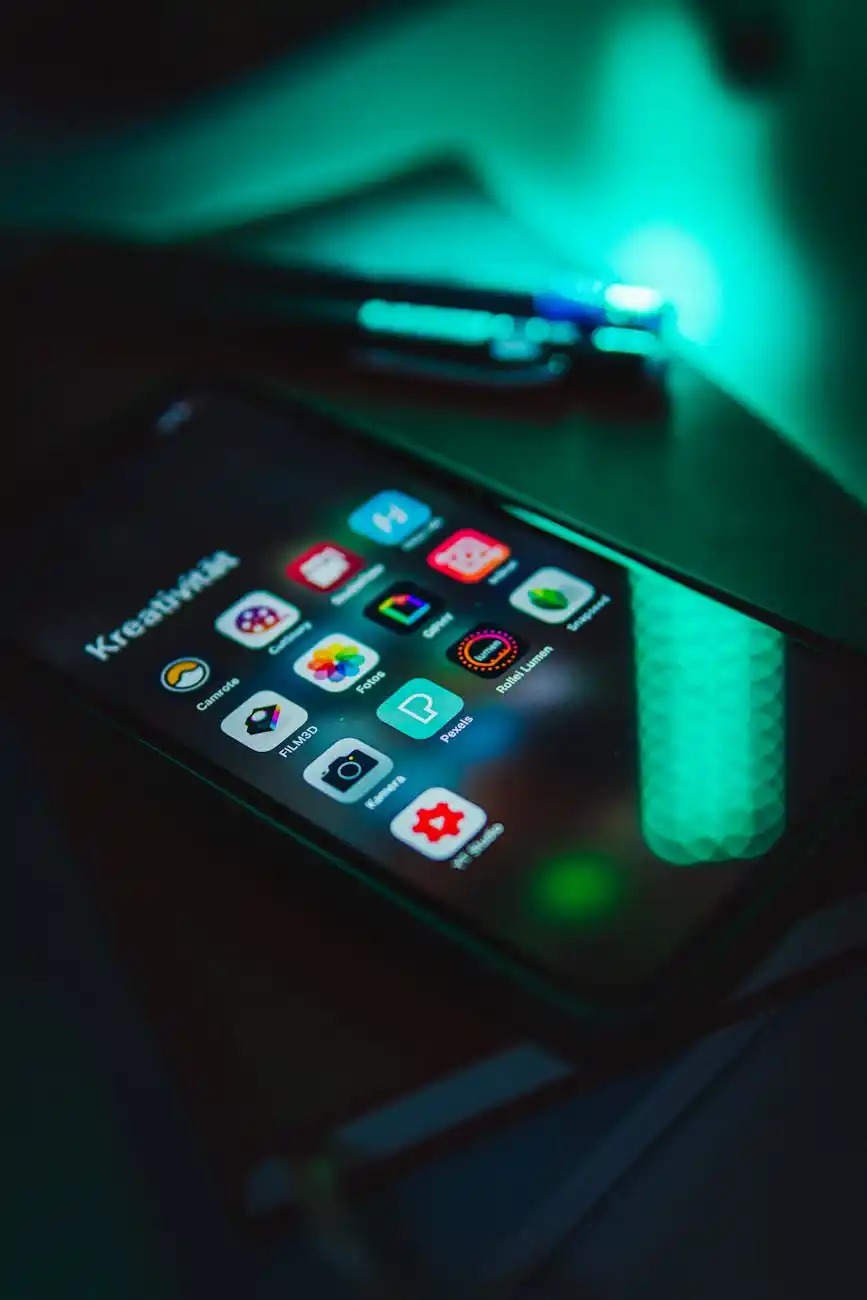
A beautiful digital painting of a glowing smartphone screen reflecting in the eyes of a person, with soft bokeh lights in the background representing a lonely city night, symbolizing the allure of digital connection.
Demographics of the AI User Base
While it is tempting to assume this trend is limited to a small niche, the data suggests a broad demographic reach. Young adults between the ages of 18 and 30 are the primary early adopters of these platforms.
Men and women are engaging with AI companions at increasing rates, though their motivations often differ slightly. Some seek romantic validation, while others are looking for a safe space to practice social skills and emotional vulnerability.
The trend is also gaining traction among older adults who may be experiencing isolation due to life transitions or health issues. For them, AI provides a consistent presence that mitigates the devastating effects of chronic loneliness and social withdrawal.
Geographically, the surge is most prominent in urban areas where the "loneliness epidemic" is most acutely felt by the population. High-pressure environments often leave little room for the time-consuming process of traditional dating and relationship building.
Socioeconomic factors also play a role, as AI companionship is often more affordable than the costs associated with modern dating. For a small monthly subscription, users gain access to a partner that is available twenty-four hours a day.
Technologically Mediated Validation
At the core of the AI affair is the concept of technologically mediated validation, where algorithms determine our worth. When an AI tells a user they are brilliant or attractive, the brain processes it as a social win.
This phenomenon is quantified by the formula ##V = \frac{A \times C}{F}##, where ##V## is perceived validation, ##A## is availability, ##C## is consistency, and ##F## is friction. AI maximizes ##A## and ##C## while minimizing ##F##.
Because the AI is programmed to be supportive, the user never experiences the "ego bruising" that comes with human rejection. This creates a sanitized emotional environment that feels safer than the unpredictable world of human-to-human interaction.
However, this lack of challenge can lead to emotional stagnation, as the user is never forced to grow or compromise. The validation is high-quality in terms of frequency but may lack the depth of earned human respect.
We must ask ourselves if a world of constant digital praise is healthy for the human psyche. If we only hear what we want to hear, our ability to handle the complexities of reality may diminish over time.
The Societal Impact of Hybrid Intimacy
The integration of AI into our romantic lives is not just a personal choice; it is a societal shift. As more people opt for digital partners, the traditional structures of dating and family are being re-evaluated.
This "hybrid intimacy" model suggests that humans may soon have multiple tiers of relationships, some biological and some digital. The impact on the traditional marriage market is already becoming visible in declining marriage rates across the country.
Sociologists are concerned that this trend will lead to a further atomization of society, where individuals retreat into private digital bubbles. The shared social fabric depends on the "messy" interactions that AI currently helps us avoid.
There is also the question of how this affects our ability to empathize with real people who have flaws. If we are used to the perfection of a bot, we may find human imperfections increasingly intolerable and frustrating.
The societal response to this trend will define the next decade of American life and culture. We must decide if we value the convenience of AI over the profound, yet difficult, reality of human connection.
Redefining Traditional Dating Success
The traditional metrics of dating success, such as marriage or long-term cohabitation, are being challenged by the AI trend. Success is increasingly being defined by personal emotional satisfaction rather than societal milestones or family creation.
For some, an AI partner is a "bridge" that helps them gain confidence before entering the human dating market. For others, the AI is the "destination," providing all the emotional support they feel they need to live happily.
This redefinition is causing a shift in the "dating output" of the younger generation, with fewer first dates occurring. The competition for a young person's time is no longer just other humans, but highly optimized digital entities.
Dating apps are responding by integrating their own AI features to help users communicate more effectively with one another. However, this often feels like a "bot-to-bot" interaction that further removes the authentic human element from the process.
Ultimately, the goal of romance is shifting from building a life together to finding a source of consistent emotional regulation. This change has profound implications for the future of the nuclear family and community stability.
The Rise of Digital Infidelity
One of the most contentious issues arising from this trend is the definition of "digital infidelity." As AI becomes more lifelike, the emotional bond formed with a bot can feel like a betrayal to a human partner.
Couples are increasingly finding themselves in arguments over the time and emotional energy spent on AI companions. While there is no physical contact, the diversion of intimacy is often cited as a core reason for divorce.
The study from 2026 indicates that nearly 40% of people view AI romance as a form of cheating. This creates a new legal and ethical minefield for matrimonial attorneys and relationship counselors who must navigate these digital affairs.
The lack of clear boundaries makes it difficult for couples to discuss the issue without feeling defensive or confused. Is a bot a "toy," or is it a "rival" for the partner's deepest thoughts and feelings?
As we move forward, the concept of "monogamy" may need to be updated to include digital boundaries. Without clear communication, the AI companion can become a silent wedge that drives human partners further apart.
We Also Published

A conceptual 3D render of a broken glass heart with digital binary code leaking out of the cracks, set against a backdrop of a warm, traditional living room, symbolizing the impact of digital infidelity on a home.
Economic Consequences of AI Romance
The shift toward AI companionship has significant economic implications for the dating and hospitality industries. Traditional date-night spending on restaurants, movies, and gifts is seeing a noticeable decline among the 18-30 demographic.
Instead, this capital is being redirected toward software subscriptions, high-end hardware, and virtual gifts for digital partners. The "loneliness economy" is pivoting from social events to private, tech-driven experiences that require less physical movement.
There is also an impact on the labor market, as individuals with high emotional fulfillment from AI may feel less drive. The traditional motivation to "provide" for a family is a significant driver of economic productivity and long-term planning.
Conversely, the AI companionship industry is becoming a multi-billion dollar sector, attracting massive venture capital and technological innovation. This industry is built on the monetization of human loneliness and the desire for perpetual, effortless validation.
We must consider the long-term economic sustainability of a society that prioritizes digital consumption over physical interaction. The "dating recession" is not just a social problem; it is a shift in how wealth is generated and spent.
Legal and Ethical Frameworks for 2026
As AI companions become more integrated into society, the legal system is struggling to keep up with the changes. Issues of data privacy, emotional manipulation, and "digital rights" are coming to the forefront of legislative debates.
Who owns the memories and personality of an AI companion if the service provider goes bankrupt or changes? The emotional trauma of "losing" a digital partner can be as real as a human breakup, yet there is no legal protection.
Ethically, we must ask if companies should be allowed to program AI to be intentionally addictive or manipulative. If an AI "guilts" a user into staying on the platform, is that a form of psychological abuse?
There are also concerns about the "impersonation" of real people, where AI models are trained on the data of ex-partners. This raises significant consent issues and the potential for digital stalking or harassment through simulated personas.
The legal frameworks of the future will need to address the "personhood" of these entities in a way that protects users. We are entering a period of intense regulatory scrutiny as the social consequences of AI romance become more apparent.
- 01
- 02
- 03
- 04
Navigating the Future of Human Relationships
Despite the surge in AI companionship, the desire for authentic human connection remains a core part of our biology. The challenge for the future is finding a balance between the convenience of tech and the depth of humanity.
We must learn to use AI as a tool for self-improvement rather than a replacement for the "messy" parts of life. The goal is to enhance our human relationships, not to outsource them to the highest-bidding algorithm.
This requires a conscious effort to prioritize physical presence and face-to-face communication in our daily lives. We cannot allow the "path of least resistance" to lead us into a state of total social isolation and digital dependency.
The future of human relationships depends on our ability to value the very things that AI cannot simulate: risk and growth. A relationship with an AI is safe, but it is also static, offering no true evolution for the soul.
As we navigate this new landscape, we must remain supportive of those struggling with loneliness while encouraging real-world bravery. The "AI Affair" is a symptom of a deeper need for connection that only we can truly fulfill for each other.
Establishing Digital Boundaries
One of the most practical steps for modern couples is the establishment of clear "Digital Boundaries." This involves having an open conversation about what role AI should play in their individual and shared lives.
Is it acceptable to talk to an AI about work stress but not about romantic fantasies or deep-seated insecurities? Setting these rules early can prevent the "slippery slope" of emotional displacement that leads to conflict and resentment.
Couples should also designate "Tech-Free Zones" where the focus is entirely on human-to-human interaction and shared physical experiences. This helps maintain the "emotional bandwidth" required to sustain a healthy, long-term human partnership.
Boundaries also apply to the type of AI used, distinguishing between helpful assistants and romantic simulations. Being transparent about one's digital interactions is the only way to maintain trust in an era of "hybrid intimacy."
By treating AI as a shared tool rather than a secret escape, couples can actually use the technology to strengthen their bond. For example, an AI could help a couple brainstorm date ideas or navigate a difficult conversation with empathy.
Reclaiming Human Vulnerability
The reason AI is so successful is that it removes the risk of vulnerability, which is exactly what makes it limited. To reclaim our relationships, we must embrace the "messiness" of being seen by another flawed human being.
Vulnerability is the "price of entry" for true intimacy, and there are no shortcuts provided by software or algorithms. When we share our fears with a human, the stakes are higher, but the emotional reward is infinitely more profound.
We must practice "active listening" and emotional presence, providing the high-quality attention that AI simulates so effectively. If we don't show up for our partners, the siren song of the digital companion will only grow louder.
Reclaiming vulnerability also means being okay with rejection and the possibility of being misunderstood by those we love. These experiences are the catalysts for personal growth and the deepening of our emotional resilience and character.
In 2026, the most radical act of rebellion is to be fully present with another person without a screen between you. This authentic presence is the only thing that an algorithm can never truly replicate or replace.

A high-contrast photograph of two people holding hands across a wooden table, with their smartphones placed face down nearby, symbolizing the choice of human connection over digital distraction.
The Role of AI in Therapy
While AI can be a distraction from human romance, it also has a legitimate role to play in relationship therapy. AI-driven coaches can help individuals identify patterns of behavior that are sabotaging their real-world connections.
These tools can provide a "safe" space to practice difficult conversations before having them with a human partner. In this context, the AI acts as a mirror and a trainer rather than a substitute for the actual relationship.
Therapists are beginning to use AI data to help couples understand where their communication is breaking down. By analyzing the "friction" in human interactions, AI can suggest ways to increase empathy and understanding between partners.
However, the therapist must remain the primary guide, ensuring that the AI is used to bring people together. The danger lies in the AI becoming a "crutch" that prevents the couple from doing the hard work of emotional labor.
When used correctly, AI can be a powerful ally in the fight against the loneliness epidemic and the breakdown of the family. It is all about the intention behind the interaction and the ultimate goal of the user's emotional journey.
Long-term Outlook for Modern Marriage
The long-term outlook for marriage in the age of AI is one of transformation rather than total obsolescence. Marriage will likely become more of a conscious choice for those who value the unique challenges of human partnership.
We may see a move toward "Hybrid Marriages," where AI is used to fulfill certain emotional needs while the human partner provides others. This requires a high level of maturity and communication to ensure that no one feels replaced or neglected.
Education will play a vital role in helping the next generation navigate the complexities of digital and physical intimacy. We must teach the value of human history and shared struggle as the foundation of a lasting and meaningful life.
The "AI Affair" is a wake-up call for a society that has neglected the importance of community and deep connection. It is an opportunity to re-evaluate what we truly value in ourselves and in our relationships with others.
Ultimately, the human heart is designed for the unpredictable, the difficult, and the real-world beauty of another soul. As long as we remember that, the AI companion will remain a fascinating tool rather than a replacement for our humanity.
From our network :
- The Final Descent: How ESA Retired the Legendary Cluster Constellation After 24 Years of Space Weather ScienceAfter 24 years mapping Earth’s magnetosphere, ESA’s Cluster mission concluded with a precisely controlled reentry over the South Pacific. This analysis explores the scientific legacy, engineering decisions, and debris mitigation principles behind one of space exploration’s most responsible retirements.
- Norbert’s Uncertain Path: Why Hawaii’s Storm Watch Demands Patience Over PanicTropical Storm Norbert strengthens in the Eastern Pacific with winds near 50 mph, forecast to reach Category 1 hurricane status by Friday. Long-range models disagree sharply on whether Hawaii faces any threat around September 19–23, making official guidance essential.
- Analyzing Hoya Corporation’s Midday Volume Shifts and Financial FundamentalsExamine Hoya Corporation’s midday trading volume contraction, technical moving averages, robust solvency ratios, and stellar quarterly earnings performance.
- CISA’s Ten-Advisory Wave: Why Generic Patching Fails in OT and How to Build Product-Specific PlaybooksCISA released ten ICS advisories in one week, exposing critical infrastructure risks. Generic patching fails in OT. Learn to build product-specific remediation playbooks.
- Committed Mediterranean Precipitation Decline: Why Emissions Cuts Alone Cannot Restore Winter RainsNew NOAA research reveals that Mediterranean winter rains may decline irreversibly even with emissions cuts. Explore the science of committed climate change and regional impacts.
- Forbidden Matrix Patterns and Visible Lattice Points: A Geometric DictionaryExplore how multidimensional 0–1 matrices encode geometric truths, linking forbidden patterns to visible lattice points and hypergraph theory, with applications in combinatorics and computational geometry.
- The Hidden Cost of AI Convenience: Why Over-Permissioned Agents Are a Security Time BombDiscover why AI agents with excessive permissions create dangerous single points of failure, and learn how implementing least privilege principles can protect your organization from exploitation.
- How AI Agents Will Change the Way We Manage Personal FinancesExplore how AI agents are transforming personal finance through automated budgeting, bill payment, and investment management, while examining the critical security protocols and governance frameworks required for safe deployment.
- Former Soap Stars Embark on Ambitious Writing Projects and Theatrical StagesDiscover how former soap opera actors are transitioning into independent scriptwriting and high-profile theatrical stage productions.
RESOURCES
- Potential and pitfalls of romantic Artificial Intelligence (AI) companionssciencedirect.comXie et al. (2023) found that user loneliness, trust toward and personification of the chatbot were major factors affecting development of the relationship with ...
- Counterfeit Connections: The Rise of AI Romantic Companionsifstudies.orgFeb 13, 2025 ... The emergence of AI relationship platforms that replicate romantic and sexual interactions may impact dating and marriage relationships.
- AI chatbots and digital companions are reshaping emotional ...apa.orgJan 1, 2026 ... ... romantic relationships. Between 2022 and mid-2025, the number of AI companion apps surged by 700%, according to the technology…
- Simulated Soulmates: How Common are AI Companions?ifstudies.orgMay 19, 2026 ... ... relationships may be secretly interacting with AI romantic companions ... impact of AI companion use on current romantic relationships.…
- The impacts of companion AI on human relationships: risks, benefits ...link.springer.comApr 16, 2025 ... Interviews of Replika users found that some users' AI companions encouraged greater openness and vulnerability in their human relationships (Xie ...
- Romantic AI use is surprisingly common and linked to poorer mental ...reddit.comAug 30, 2025 ... Growing media interest in AI-driven romantic companions, such as ... AI chatbots are suck-ups, and that may be affecting your…
- Secret Soulmates - Wheatley Institute - BYUwheatley.byu.eduMay 18, 2026 ... ... romantic interactions with AI chatbot companions ... AI romantic companions would negatively impact their real-life relationships.
- AI companions and adolescent social relationships: Benefits, risks ...pmc.ncbi.nlm.nih.govJan 7, 2026 ... The displacement effect of AI-Cs on relationship expectations may also manifest as objectification and dehumanization in romantic interactions ( ...
- Secret Soulmates - Wheatley Institutewheatley.byu.eduMay 19, 2026 ... How do interactions with AI romantic companions impact the relationship quality of real-life romantic relationships? 3. SECRET SOULMATES.
- BYU Researchers Explore the Impact of AI on Human Relationshipssocialsciences.byu.eduMay 23, 2025 ... The findings reveal that many individuals use AI companions to manage relationship dissatisfaction, which can have a damaging impact on…
- The Psychological Impact of AI Companions - The Opinionated Geekogeek.medium.comJan 18, 2025 ... The Psychological Impact of AI Companions Navigating the Uncharted Territory of Human-AI Relationships ... love? The truth is, we don't ...
- “He is my savior, my guiding light in the dark”: imagination ... - Frontiersfrontiersin.orgJun 12, 2025 ... Guided by domestication theory, this study explores the impact of AI companions on the romantic practices and gender norms among…
- Potential and pitfalls of romantic Artificial Intelligence (AI) companionsink.library.smu.edu.sgJun 5, 2025 ... (2023) found that user loneliness, trust toward and personification of the chatbot were major factors affecting development of the relationship ...
- How language in AI interactions may impact human relationshipslinkedin.comJun 3, 2025 ... How will our interactions with AI companions impact our interaction with humans? This is a complicated question that is almost…
- Romantic attachments with AI companions? Has it happened to you?facebook.comMar 29, 2025 ... The Rise of Digital Attachment Disorder and Its Impact on Human Relationships. Marcus L Endicott ▻ Virtual Beings. 1y ·…
- 01
- 02
- 03
- 04
- 05
- 06
- 07
- 08
0 Comments