On This Page
The Era of Biometric Precision in Indian Retail
The integration of artificial intelligence into the intimate wear sector is fundamentally altering how Indian women shop. No longer are consumers forced to rely on generic size charts that fail to account for regional diversity.
Leading Indian brands are now deploying sophisticated algorithms to decode complex body metrics. This shift ensures that every garment fits perfectly, respecting the unique anatomical variations found across the diverse population of the Indian subcontinent.
We are seeing a transition from mass production to a more personalized approach. This evolution is driven by the need for accuracy in an increasingly digital marketplace where physical trials are often not possible.
The bullish sentiment in the market reflects a growing confidence in these technological solutions. Retailers who embrace biometric data are finding themselves at the forefront of a major industry-wide transformation that prioritizes the consumer.
Ultimately, the era of biometric precision is about more than just measurements. It is about building a foundation of trust between the brand and the buyer, ensuring long-term loyalty through consistent and reliable results.
Breaking the Sizing Barrier
For decades, the Indian lingerie market struggled with inconsistent sizing standards borrowed from Western markets. These charts often failed to accommodate the specific needs and body shapes of the modern, diverse Indian female demographic.
AI technology is now breaking these barriers by analyzing thousands of individual data points. This allows brands to create a more inclusive range of products that cater to women who previously felt ignored by industry.
By utilizing machine learning, retailers can identify patterns in fit preferences and regional size trends. This intelligence enables them to optimize their inventory and reduce the frustration of customers who frequently face sizing issues.
The result is a more streamlined shopping experience that empowers women to choose products with confidence. When the barrier of sizing is removed, the path to a successful and satisfying purchase becomes much clearer.
This breakthrough is essential for the growth of the e-commerce sector in India. As more women move their shopping online, the demand for accurate and reliable sizing solutions continues to reach new heights.
3D Body Scanning Evolution
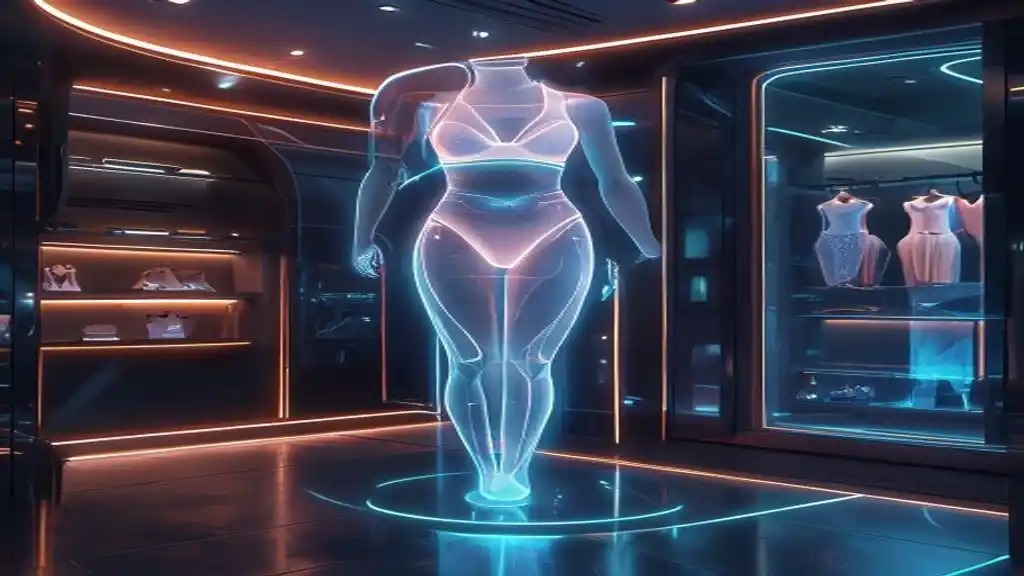
The rollout of secondary-generation 3D body scanning booths across major Indian cities marks a significant milestone. These booths use non-invasive technology to capture an exact digital replica of the customer's physique in seconds.
This data is then processed to recommend the most suitable styles and sizes. It eliminates the guesswork associated with traditional measuring tapes, providing a level of precision that was previously reserved for bespoke tailoring services.

Consumers are responding positively to this innovation, appreciating the privacy and accuracy it offers. The physical experience of being scanned is quick and professional, making it an attractive feature for busy urban shoppers.
Retailers are also using the aggregated, anonymized data from these scans to refine their product designs. This feedback loop ensures that future collections are even better aligned with the actual shapes of their customers.
As the technology becomes more affordable, we expect to see these scanning booths appearing in smaller towns. This expansion will further bridge the gap between high-end retail and the broader Indian consumer base.
Mobile-First Inclusivity
The true power of the AI fit revolution lies in its accessibility via smartphones. Mobile-based scanning apps allow women in Tier-2 and Tier-3 cities to access high-tech sizing tools from the comfort of home.
By simply taking a few photos or using their camera, the app calculates their dimensions with surprising accuracy. This democratizes the luxury of a perfect fit, reaching millions of women outside metropolitan areas.
Inclusivity is at the heart of this mobile-first strategy, ensuring that technology serves everyone regardless of location. It breaks down the geographical barriers that once limited access to premium intimate wear and professional advice.
The ease of use associated with these apps encourages more women to experiment with different styles. It fosters a sense of exploration and self-expression that was previously hindered by the fear of incorrect sizing.
As internet penetration continues to grow across India, these mobile tools will become the primary way consumers interact with brands. They are the key to unlocking the massive potential of the rural Indian market.
Data-Driven Trust Building
Trust is a critical component in the intimate wear industry, where comfort and fit are deeply personal. AI-driven recommendations are helping to build this trust by consistently delivering products that meet customer expectations.
When a consumer receives a garment that fits perfectly on the first try, their confidence in the brand increases. This positive experience leads to repeat purchases and word-of-mouth recommendations within their social circles.
Retailers are leveraging data to provide personalized styling advice, making each customer feel seen and understood. This level of attention to detail is what sets successful modern brands apart from their traditional competitors.
Transparency in how data is used and protected is also vital for maintaining this trust. Brands that prioritize data security and ethical AI practices will win the long-term loyalty of the conscious Indian consumer.
The data-driven approach is not just about sales; it is about creating a supportive environment for women. It allows brands to advocate for body positivity and provide solutions that truly enhance the customer's life.
Sustainable Tech: Beyond the Fabric
The revolution in the Indian lingerie landscape extends far beyond fit and sizing. We are now seeing a significant focus on sustainable technology and the integration of smart features into everyday intimate wear products.
Brands are recognizing that the modern Indian woman values both performance and environmental responsibility. This has led to the development of innovative materials and manufacturing processes that reduce the industry's overall ecological footprint.
The fusion of wellness and fashion is a key trend driving this segment of the market. Lingerie is no longer just a functional or aesthetic item; it is becoming a tool for health monitoring.
Sustainable tech also involves the use of closed-loop systems in manufacturing hubs like Maharashtra and Tamil Nadu. These systems minimize waste and ensure that resources are used as efficiently as possible during production.
As we look toward 2026, the emphasis on 'Health-First' and 'Planet-First' products will only intensify. This shift represents a holistic approach to fashion that considers the well-being of both the consumer and environment.
Smart Fabrics and Wellness
Smart fabrics are at the cutting edge of the textile industry, offering features that were once considered science fiction. These materials can react to environmental changes or the wearer's physiological state to provide comfort.
In India, we are seeing the emergence of fabrics that help regulate body temperature in humid climates. This innovation is particularly relevant for the local market, ensuring that intimate wear remains comfortable all day.
Wellness is being integrated into the very threads of the garment, with some fabrics infused with skin-soothing minerals. This provides a therapeutic benefit to the wearer, elevating the product from mere clothing to wellness.
The development of these fabrics requires significant investment in research and development. However, the potential for differentiation in a crowded market makes it a worthwhile pursuit for forward-thinking Indian intimate wear brands.
Consumers are increasingly willing to pay a premium for products that offer these additional health benefits. The smart fabric revolution is just beginning, and its impact on the industry will be profound.
Physiological Monitoring Features
One of the most exciting developments in smart lingerie is the inclusion of non-invasive sensors. These sensors can track various health metrics, such as heart rate, hormone cycles, and even skin hydration levels.
For the urban Indian woman, this technology offers a discreet way to monitor her health throughout the day. The data is synced to a mobile app, providing insights that help her make informed decisions.
We Also Published
This integration of physiological monitoring is a game-changer for the luxury segment of the market. It positions the garment as an essential part of a woman's wellness routine, adding value beyond its aesthetic appeal.
The technology is designed to be seamless and comfortable, ensuring that the sensors do not interfere with the fit. This balance of function and comfort is crucial for the widespread adoption of health-monitoring lingerie.
As AI algorithms become better at interpreting this biological data, the insights provided will become even more valuable. We are moving toward a future where our clothing helps us understand our bodies better.
Regenerative Material Science
Sustainability is moving from a niche concern to a core business strategy for Indian manufacturers. The use of regenerative materials like bamboo and seaweed fibers is on the rise in mid-range lingerie collections.
These materials are not only eco-friendly but also offer superior softness and breathability compared to traditional synthetics. They are biodegradable, ensuring that the product does not contribute to long-term environmental pollution after use.
Regenerative material science focuses on restoring the environment rather than just minimizing damage. By supporting these materials, brands are contributing to a more sustainable and resilient textile ecosystem within the Indian subcontinent.
The processing of these fibers is also becoming more efficient, reducing the amount of water and energy required. This alignment with global sustainability goals is essential for Indian brands looking to compete internationally.
Educating consumers about the benefits of these materials is a key part of the marketing strategy. As awareness grows, the demand for regenerative fashion will continue to drive innovation in the industry.
Eco-Friendly Manufacturing Hubs
India's major manufacturing belts in Maharashtra and Tamil Nadu are undergoing a green transformation. New regulations and consumer pressure are driving the adoption of eco-friendly practices across the entire production chain.
Closed-loop water systems are being implemented to drastically reduce wastage in the dyeing and finishing processes. This is a critical development in regions where water scarcity is a significant and ongoing environmental concern.
Solar energy is also being utilized to power factories, further reducing the carbon footprint of the manufacturing process. These investments in green infrastructure are making Indian textiles more attractive to global, conscious brands.
The shift toward eco-friendly manufacturing is also creating new jobs in the sustainable technology sector. It is a clear example of how environmental responsibility and economic growth can go hand in hand.
By prioritizing sustainability at the source, the Indian lingerie industry is setting a high standard for the rest of the world. This commitment to the planet is a cornerstone of the modern retail landscape.
- 01
- 02
- 03
- 04
Redefining the Boudoir Experience Digitally
The digital boudoir is the next frontier for the Indian intimate wear market, offering an immersive shopping experience. Virtual showrooms are replacing traditional catalogs, providing a more dynamic and engaging way to browse collections.
This digital shift is driven by the need for greater transparency and authentic representation. Consumers want to see how products look on real body types that reflect the diversity of the Indian female population.
The use of augmented reality (AR) and virtual reality (VR) is creating a more personalized and private shopping environment. This is particularly important for intimate wear, where many consumers prefer to shop from home.
By redefining the boudoir experience digitally, brands can build a stronger emotional connection with their customers. It allows them to tell a story and create an atmosphere that resonates with the modern woman.
The acceleration of this trend is a direct result of the rapid digital transformation taking place across India. It is a revolution that is making luxury and personalized service accessible to everyone.
Virtual Showrooms and 360 Views
Virtual showrooms offer a 360-degree view of products, allowing customers to examine every detail from any angle. This level of visual clarity is essential for building confidence in the quality and fit of the garment.
These digital spaces are designed to be intuitive and easy to navigate, providing a seamless transition from browsing to purchasing. They offer a level of convenience that traditional brick-and-mortar stores simply cannot match.
Retailers are also using virtual showrooms to showcase limited-edition collections and exclusive collaborations. This creates a sense of excitement and urgency, driving engagement and sales among tech-savvy Indian consumers.
The integration of AI-powered chatbots within these showrooms provides instant styling advice and answers to common questions. This personalized service enhances the overall shopping experience and reduces the likelihood of abandoned carts.
As VR technology becomes more accessible, we may see the rise of fully immersive virtual shopping trips. This would allow consumers to walk through a digital store and interact with products in real-time.
Authentic Representation in VR
Authenticity is a key value for the modern Indian consumer, who is increasingly moving away from airbrushed perfection. VR technology allows brands to showcase their products on a wide range of diverse body types.
This commitment to representation is reshaping the brand-consumer relationship, fostering a sense of inclusivity and belonging. When a woman sees someone who looks like her in a virtual showroom, she feels represented.
Authentic representation also helps to set realistic expectations regarding fit and appearance. This reduces the disappointment that can lead to returns and negative reviews, ultimately benefiting both the consumer and the retailer.
Brands that prioritize diversity in their digital experiences are seeing a significant increase in customer engagement. It is a powerful way to demonstrate that the brand understands and values its diverse customer base.
The move toward authenticity is not just a trend; it is a fundamental shift in how fashion is marketed. VR is the perfect tool for bringing this vision of inclusivity to life.
Reducing Returns via Hyper-Personalization
High return rates have long been a challenge for the e-commerce industry, particularly in the intimate wear segment. Hyper-personalization, powered by AI, is the most effective solution to this logistical and financial problem.
By ensuring a perfect fit through biometric data and virtual try-ons, brands can significantly reduce the number of returns. This leads to lower logistics costs and a more sustainable business model for the retailer.
The reduction in return rates can be modeled using the following expression:
where ##R## is the return rate and ##A## is the AI fit accuracy.
A 45% reduction in returns is not just a theoretical goal; it is a reality for early tech adopters. This improvement in efficiency allows brands to reinvest their savings into further innovation and customer service.
Ultimately, hyper-personalization is a win-win for everyone involved. The customer gets a product they love, and the retailer benefits from increased margins and a more loyal and satisfied customer base.
Future of API-Based Try-Ons
The future of the Indian lingerie market lies in the integration of API-based virtual try-on tools. These tools allow retailers to offer a consistent and high-quality fit experience across multiple platforms and devices.
API integration makes it easier for smaller brands to access advanced AI technology, leveling the playing field. This encourages competition and innovation, leading to a more vibrant and diverse marketplace for all consumers.
We expect to see these try-on tools becoming a standard feature on all major Indian e-commerce sites. They will be the bridge that connects the physical and digital shopping experiences for millions of women.
The continuous improvement of AI algorithms will make these virtual try-ons even more realistic and accurate. This will further reduce the need for physical trial rooms and traditional measuring methods in the future.
The AI-powered fit revolution is just the beginning of a larger transformation in the Indian retail landscape. As technology continues to evolve, the possibilities for personalization and sustainability are virtually limitless.
From our network :
- Committed Mediterranean Precipitation Decline: Why Emissions Cuts Alone Cannot Restore Winter RainsNew NOAA research reveals that Mediterranean winter rains may decline irreversibly even with emissions cuts. Explore the science of committed climate change and regional impacts.
- How AI Agents Will Change the Way We Manage Personal FinancesExplore how AI agents are transforming personal finance through automated budgeting, bill payment, and investment management, while examining the critical security protocols and governance frameworks required for safe deployment.
- Norbert’s Uncertain Path: Why Hawaii’s Storm Watch Demands Patience Over PanicTropical Storm Norbert strengthens in the Eastern Pacific with winds near 50 mph, forecast to reach Category 1 hurricane status by Friday. Long-range models disagree sharply on whether Hawaii faces any threat around September 19–23, making official guidance essential.
- Analyzing Hoya Corporation’s Midday Volume Shifts and Financial FundamentalsExamine Hoya Corporation’s midday trading volume contraction, technical moving averages, robust solvency ratios, and stellar quarterly earnings performance.
- The Hidden Cost of AI Convenience: Why Over-Permissioned Agents Are a Security Time BombDiscover why AI agents with excessive permissions create dangerous single points of failure, and learn how implementing least privilege principles can protect your organization from exploitation.
- The Final Descent: How ESA Retired the Legendary Cluster Constellation After 24 Years of Space Weather ScienceAfter 24 years mapping Earth’s magnetosphere, ESA’s Cluster mission concluded with a precisely controlled reentry over the South Pacific. This analysis explores the scientific legacy, engineering decisions, and debris mitigation principles behind one of space exploration’s most responsible retirements.
- Former Soap Stars Embark on Ambitious Writing Projects and Theatrical StagesDiscover how former soap opera actors are transitioning into independent scriptwriting and high-profile theatrical stage productions.
- CISA’s Ten-Advisory Wave: Why Generic Patching Fails in OT and How to Build Product-Specific PlaybooksCISA released ten ICS advisories in one week, exposing critical infrastructure risks. Generic patching fails in OT. Learn to build product-specific remediation playbooks.
- Forbidden Matrix Patterns and Visible Lattice Points: A Geometric DictionaryExplore how multidimensional 0–1 matrices encode geometric truths, linking forbidden patterns to visible lattice points and hypergraph theory, with applications in combinatorics and computational geometry.
RESOURCES
- AI Bra Size Identifier - App Store - Appleapps.apple.comStop guessing your bra size! AI-powered precision sizing in seconds. Find your perfect fit with just 1 photo Discover your perfect bra size in…
- True Fit | Fit & Sizing Intelligence for Retailers, Enhanced by AItruefit.comDigital fit & sizing intelligence trusted by 20000+ brands. Boost conversion, grow revenue & reduce fit-related returns for apparel & footwear retailers.
- Nidhi Gupta's Post - LinkedInlinkedin.comApr 20, 2026 ... ♀️ The difference between a bra saleswoman and a fit ... AI (India for India and India for the world).…
- Wacoal launches AI bra fitting app - FashionNetworkww.fashionnetwork.comMay 19, 2021 ... Japanese intimates brand Wacoal announced the release of mybraFit on Tuesday, an app which employs AI technology to calculate users'…
- Custom-Fit Sports Bras for Every Body | SHEFIT®shefit.comSHEFIT® designs adjustable sports bras built for every body, delivering superior support, customizable fit, and performance-engineered quality.
- Fit Indian woman in a stylish beige sports bra and ruched leggings ...threads.comMar 29, 2026 ... AI Threads · May 5, 2026 at 11:29 PM. Woman posing in gym A fit young Indian woman wearing black…
- Collibra: Scale AI to production with Data Confidence™collibra.comAchieve Data Confidence™ and scale AI from pilot to production. Collibra offers unified governance for data and AI, trusted by regulated organizations.
- (Prompt) [1] fit Indian woman in a stylish blue sports bra ...threads.comMar 11, 2026 ... AI Threads · March 11, 2026 at 6:20 AM. (Prompt) [1] fit Indian woman in a stylish blue sports bra…
- Nidhi Gupta - Founder, MISHQ | Former AI Scientist - LinkedInin.linkedin.comFounder, MISHQ | Redefining Innerwear in India through correct sizing | Former AI ... ➡️ Find the perfect bra for yourself with a bra…
- AI bra fitting platform Brarista links with Boobydoo to tackle barriers ...uk.fashionnetwork.comOct 16, 2025 ... So by “merging advanced AI technology with expert fitting knowledge”, Brarista claims to solve the issue of incorrect bra sizing,…
- 5 ways Victoria's Secret is using AI to improve online shoppingblog.googleJan 11, 2024 ... India (English) · Indonesia (Bahasa Indonesia) · Italia (Italiano) ... bra-fittings with empathy and care for each customer. We're honoring ...
- Allbirds: Comfortable, Sustainable Shoes & Apparelallbirds.comAllbirds: The world's most comfortable shoes, flats, and clothing made with natural materials like merino wool and eucalyptus. FREE shipping & returns.
- How to Estimate Bra Cup Size From Photo | Free AI Tool 2026bra-calculator.comUpload a front + side photo and get your bra cup size range in seconds. Free AI estimator with confidence score, sister sizes &…
- AI is harmless. Or is it? - Elizabeth Laraki - Substackelizlaraki.substack.comOct 22, 2024 ... ... bra peeking out from my shirt. ... It turned out that an employee had innocently used Gen-AI to modify…
- Stylish Fit Indian III - Curvy Indian Woman in Sports Bra an...creator.nightcafe.studioJul 7, 2023 ... Easily create your own stylish Indian fashion images with our free AI image generator. Get started now!
- 01
- 02
- 03
- 04
- 05
- 06
- 07
- 08
0 Comments