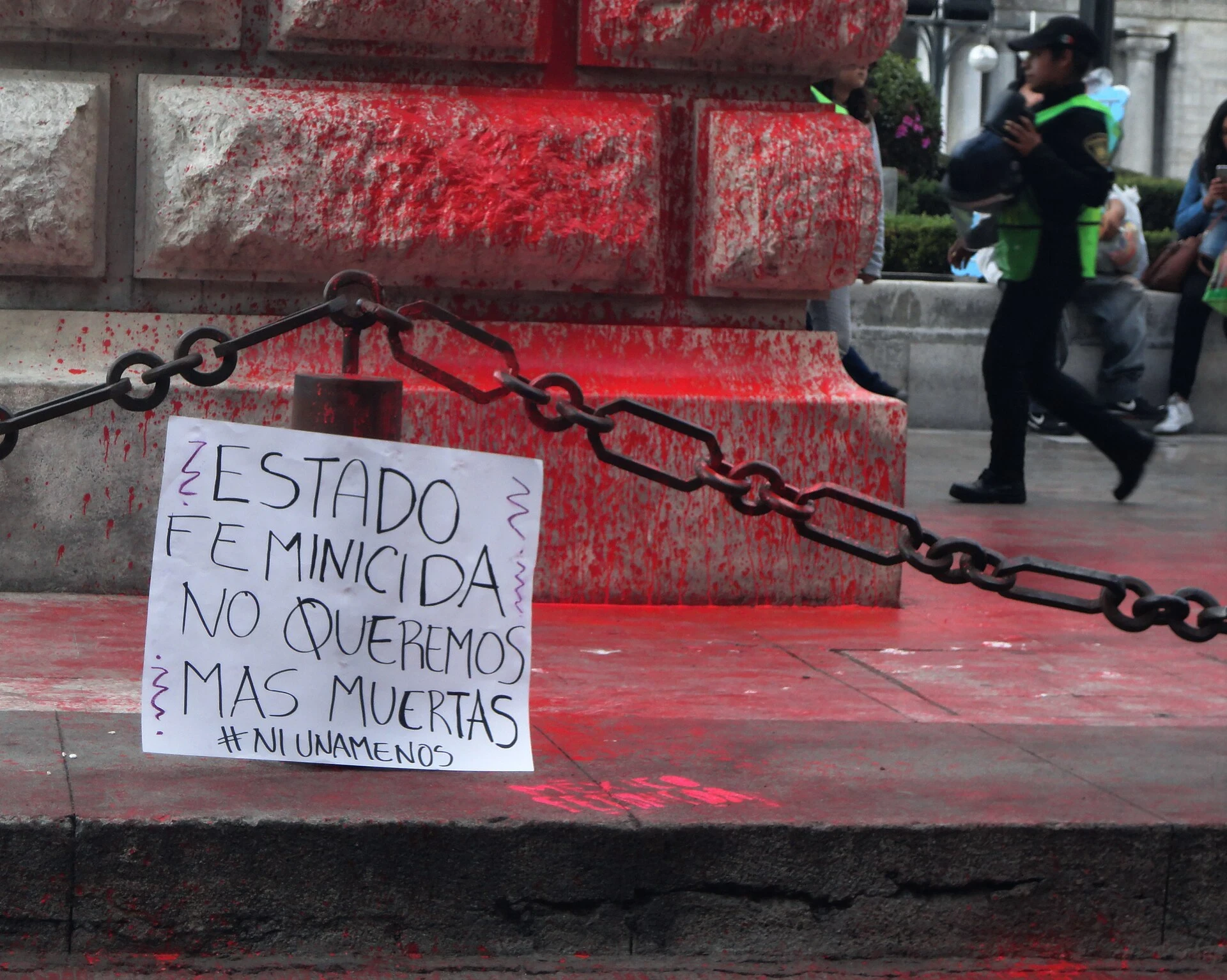
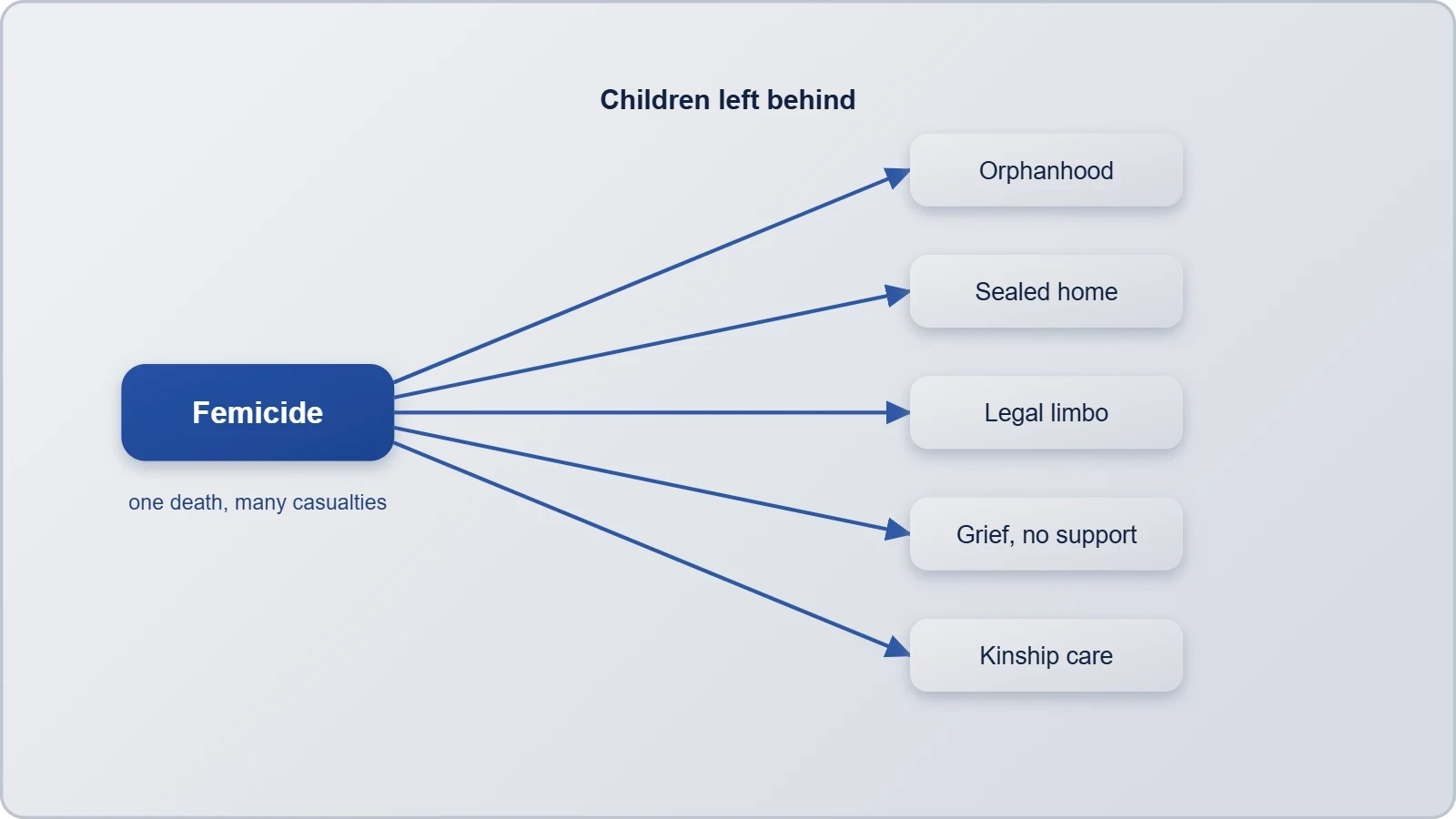
Behind every statistic on femicide lies a second, quieter casualty list that rarely enters public discourse. In France, the killing of a woman by her current or former partner does not end with a single death; it radiates outward, most devastatingly into the lives of the children she leaves behind. These young people are increasingly described by advocates as the invisible victims of gender-based violence, a phrase that captures both their profound loss and their systematic neglect by the institutions meant to protect them. When a father becomes his mother's killer, a child loses not one parent but two in a single, shattering act, and the state's response has historically offered little to fill that void.
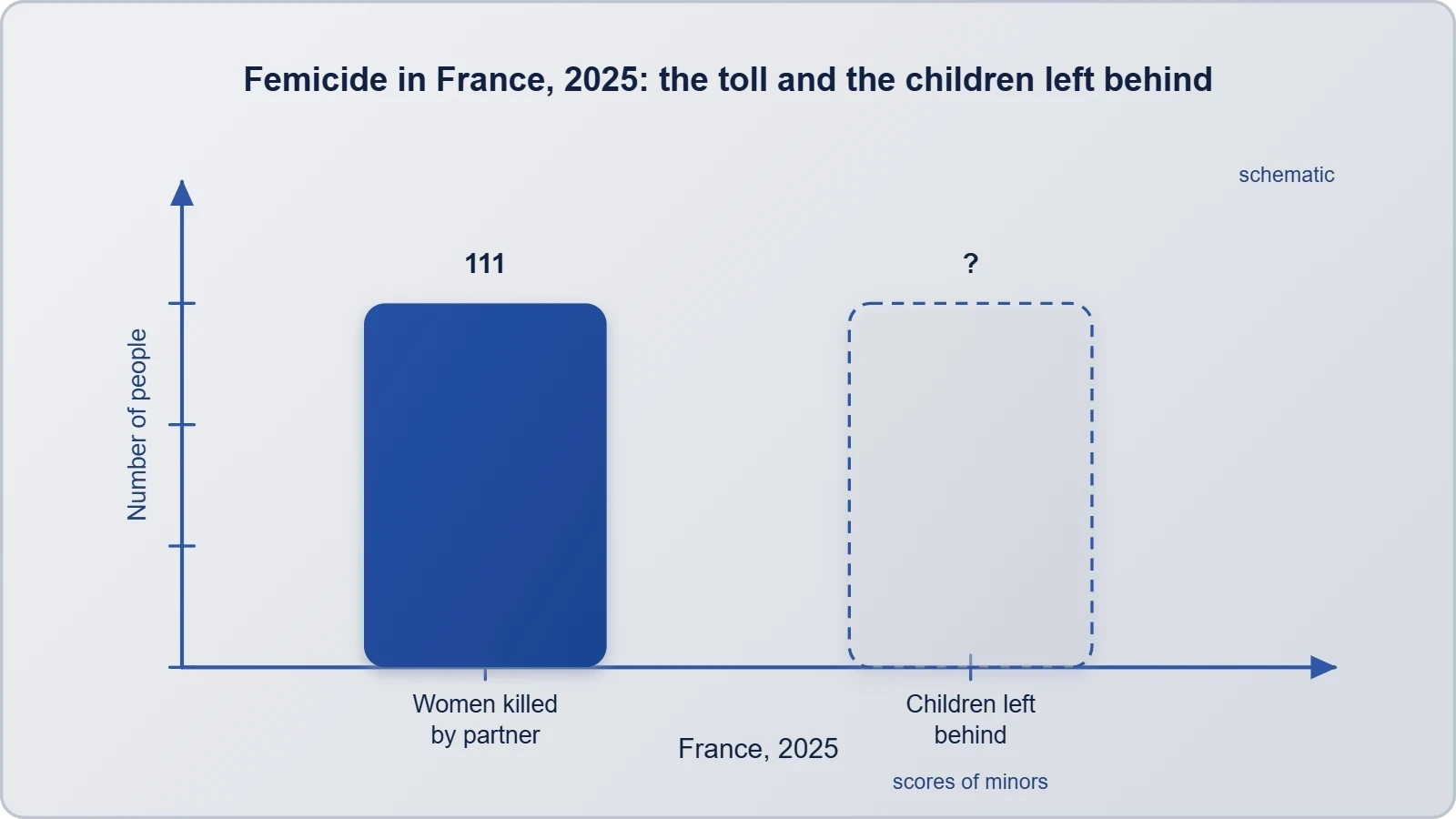
The scale of this hidden crisis is anchored in grim annual accounting. French authorities recorded 111 women killed by their partners or ex-partners in 2025, a figure that translates into scores of children abruptly orphaned, displaced, or thrust into guardianship arrangements they never anticipated. Their stories seldom make headlines, yet they carry a distinctive weight: grief compounded by legal proceedings, financial precarity, media intrusion, and the agonizing task of reconciling love for a father with condemnation of his crime. Understanding their experience requires moving past the headline number and examining the institutional gaps, the emotional terrain, and the fragile support networks that determine whether these children recover or remain permanently adrift.
This analysis draws on the testimony of survivors and the advocacy of organizations working at the front line of this crisis, including the National Union of Families Affected by Femicide. It examines how children navigate the aftermath of parental homicide, why existing support structures fall short, and what a more humane response might look like. The aim is not merely to document suffering but to identify the practical, psychological, and legal interventions that could transform invisible victims into recognized ones.
On This Page
TL;DR Femicide in France leaves behind a largely overlooked population of children who lose both parents in a single act of violence. With 111 women killed by partners in 2025, scores of minors face abrupt orphanhood, legal limbo, and emotional isolation. Survivors like Eva-Louise and Cloé describe organizing funerals, navigating custody battles, and grieving without professional support. Advocacy groups such as the UNFF are pushing for recognition, psychological care, and court protections, arguing that children of femicide victims are the invisible casualties of a violence that society has yet to fully confront.
The Anatomy of a Hidden Bereavement

Parental homicide produces a form of grief that resists conventional frameworks. The child does not simply lose a mother to illness or accident; the mother is taken in an act of intimate violence, and the perpetrator is the other parent. This dual loss creates a psychological paradox that clinicians and advocates describe as uniquely corrosive. Mourning is interrupted by legal proceedings, the family home may be sealed as a crime scene for years, and the child's own identity becomes entangled with a public narrative of tragedy. Unlike other bereavements, there is often no funeral to attend, no community ritual of consolation, and no clear social script for how to respond.
The French context sharpens these difficulties. Judicial investigations into femicide can stretch across multiple years, during which evidence is preserved and property sequestered. Children may be barred from their homes, separated from siblings, and placed in temporary care arrangements that prioritize procedural caution over emotional continuity. The result is a prolonged state of suspension in which grief cannot begin because the facts of loss remain officially unresolved. Advocates argue that this legal timeline, however necessary for justice, systematically ignores the developmental needs of minors who require stability and closure far sooner than courts can provide it.
The Dual Loss That Defines Femicide Orphans
When a father kills a mother, the child's relational world collapses along two axes simultaneously. The mother is dead, and the father is either imprisoned, deceased by suicide, or fugitive. In practical terms, the child becomes an orphan while technically having a living parent. This ambiguity confounds legal categories, social services, and even the child's own self-understanding. Many children report feeling that they cannot claim the label of orphan because their father still exists, yet they cannot access him without confronting the violence he inflicted. The resulting isolation is profound, as peers and even extended family members often struggle to acknowledge a loss that carries such stigma.
Eva-Louise's account illustrates this dynamic with painful clarity. At twenty, she found herself organizing her mother's funeral, securing legal representation, and fielding media inquiries, all while her younger siblings were processed through child protection services. She describes sleeplessness and tears but no space for actual mourning, because the administrative and emotional labor of survival consumed every available hour. The absence of offered psychological support meant that trauma was simply absorbed rather than treated, a pattern that advocates say is disturbingly common among children of femicide victims across France.
Conflicting Loyalties and the Emotional Maze
One of the most delicate challenges facing these children is the reconciliation of love and condemnation. A child may continue to love the father who raised them while utterly rejecting the act that destroyed their family. Society often demands a binary response, expecting children to either defend or denounce the perpetrator, but the psychological reality is far more nuanced. Sandrine Bouchait, who founded the UNFF after her own sister was killed, emphasizes that children must be allowed to hold contradictory feelings without shame. The organization has produced materials designed to help young people name emotions such as sadness, anxiety, and even fleeting happiness, reassuring them that such feelings are legitimate.
This emotional education is not a luxury but a protective necessity. Children who are denied permission to grieve in complex ways often internalize guilt, believing that any affection for their father betrays their mother's memory. Over time, this guilt can harden into depression, self-harm, or estrangement from surviving relatives. By normalizing the full spectrum of emotional response, advocates hope to interrupt that trajectory early. The message is simple yet radical in its implications: a child can honor a murdered mother and still mourn a imprisoned father, and no one should be forced to choose between those loyalties.
Institutional Gaps and the Failure of Support

The French state's response to femicide orphans has been characterized by advocates as fragmented, reactive, and chronically under-resourced. Child protection services are designed to address abuse and neglect, not the specific trauma of parental homicide. Judicial systems prioritize evidence preservation and prosecution over the emotional needs of surviving children. Psychological services exist but are rarely proactively offered, leaving families to navigate complex referral pathways during the most destabilizing period of their lives. The result is a patchwork in which support depends less on need than on the initiative and resources of individual relatives or advocates.
Sandrine Bouchait's experience is emblematic. After her sister Ghylaine was killed in 2017, she adopted her niece Cloé, who had witnessed the attack at age seven. Bouchait describes receiving no institutional support whatsoever, neither psychological care for the traumatized child nor practical guidance for the adoption process. She navigated the procedures alone, drawing on personal determination rather than state provision. This absence of structured assistance forces families into improvisation, and those without the resources, education, or social capital to advocate effectively are left to cope with consequences that can last for decades.
The Long Shadow of the Sealed Home
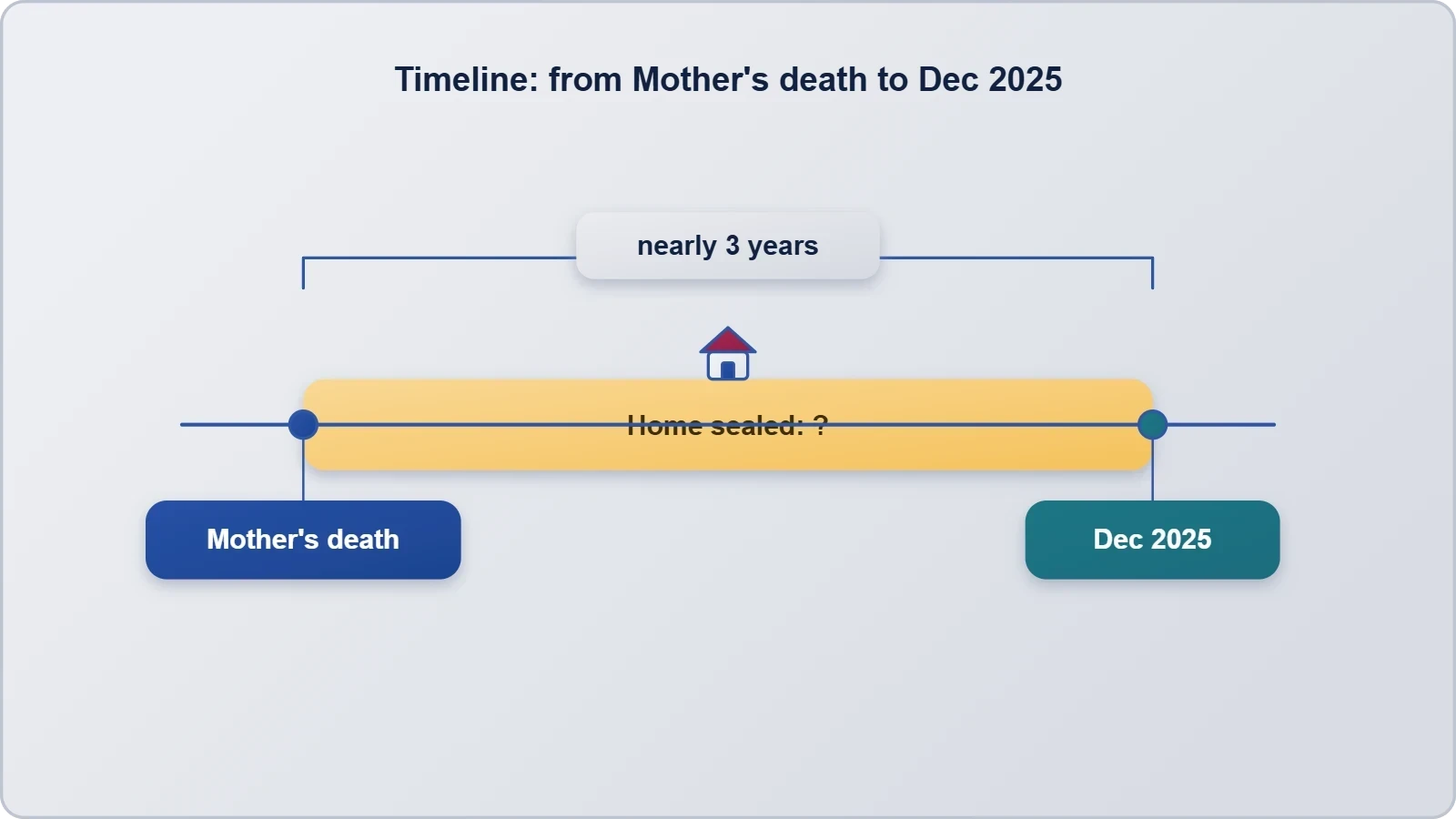
For nearly three years, Eva-Louise's family home remained sealed as part of the criminal investigation into her mother's death. When she was finally permitted to re-enter in December 2025, she retrieved photographs and documents bearing her mother's handwriting, small fragments of a life interrupted. The prolonged sequestration of the home is a standard feature of French criminal procedure, intended to preserve evidence, but its impact on children is rarely considered. The home is not merely property; it is the physical container of memory, identity, and continuity. Denying access to it during the formative period of grief can sever a child's connection to the parent they have lost.
Advocates argue that procedural rules should be adapted to allow supervised access for bereaved children, enabling them to retrieve personal effects and to say goodbye to the spaces that shaped their lives. Such accommodations would not compromise investigations but would acknowledge that justice and healing are not mutually exclusive. The current system, by contrast, treats the child's emotional needs as external to the legal process, a blind spot that compounds the original violence with bureaucratic indifference.
When Relatives Become the Safety Net
In the absence of state support, extended family members frequently step into roles they never anticipated. Grandparents, aunts, and older siblings become guardians, therapists, legal representatives, and financial managers overnight. Eva-Louise's older brother assumed guardianship of their younger siblings, while she took on the funeral arrangements and legal coordination. Such arrangements are common but precarious, relying on the goodwill and capacity of individuals who are themselves grieving. Kinship care offers continuity and love, but it also concentrates stress within already traumatized families and often proceeds without the training or resources that formal foster care would provide.
The UNFF has sought to address this gap by offering guidance to relatives navigating the legal and emotional complexities of femicide. Its leaflet for children, designed to help them identify and accept their feelings, represents a modest but meaningful intervention. Yet advocacy organizations cannot substitute for systemic provision. Without dedicated public funding for kinship carers, psychological services, and legal aid, the safety net remains woven from personal sacrifice rather than institutional design, leaving many children dependent on the resilience of relatives who are themselves at breaking point.
The Psychological Terrain of Surviving Children
The mental health consequences of parental homicide are severe and well-documented in clinical literature. Children exposed to the violent death of a parent face elevated risks of post-traumatic stress disorder, depression, anxiety, and complex grief that resists standard therapeutic protocols. When the perpetrator is the other parent, additional layers of betrayal, confusion, and identity disruption complicate recovery. Many children experience intrusive imagery, sleep disturbances, and difficulty trusting adults. Without timely intervention, these symptoms can persist into adulthood, affecting relationships, employment, and overall quality of life.
Yet access to appropriate care remains haphazard. France's mental health system, like many in Europe, struggles with waiting lists and uneven geographic coverage. Specialized trauma services for children are scarce, and general practitioners often lack the training to recognize femicide-related bereavement. Families who do seek help may encounter professionals unfamiliar with the specific dynamics of parental homicide, leading to misdiagnosis or inadequate treatment. The gap between clinical need and available provision is not merely administrative; it represents a failure to recognize that these children require a distinct therapeutic approach attuned to the circumstances of their loss.
Trauma, Memory, and the Unfinished Funeral
Cloé was seven years old when she watched her mother's partner douse Ghylaine in petrol and set her alight. The image is not a distant memory but a sensory imprint that has shaped her development. Children who witness such violence carry what clinicians call "unfinished" trauma, experiences that cannot be processed through ordinary narrative because they overwhelm the capacity to make meaning. The absence of a proper funeral, a community ritual of mourning, or even a coherent explanation of events can leave the child suspended in a state of unresolved horror. Therapeutic work must therefore address not only the memory itself but the social and familial silence that surrounds it.
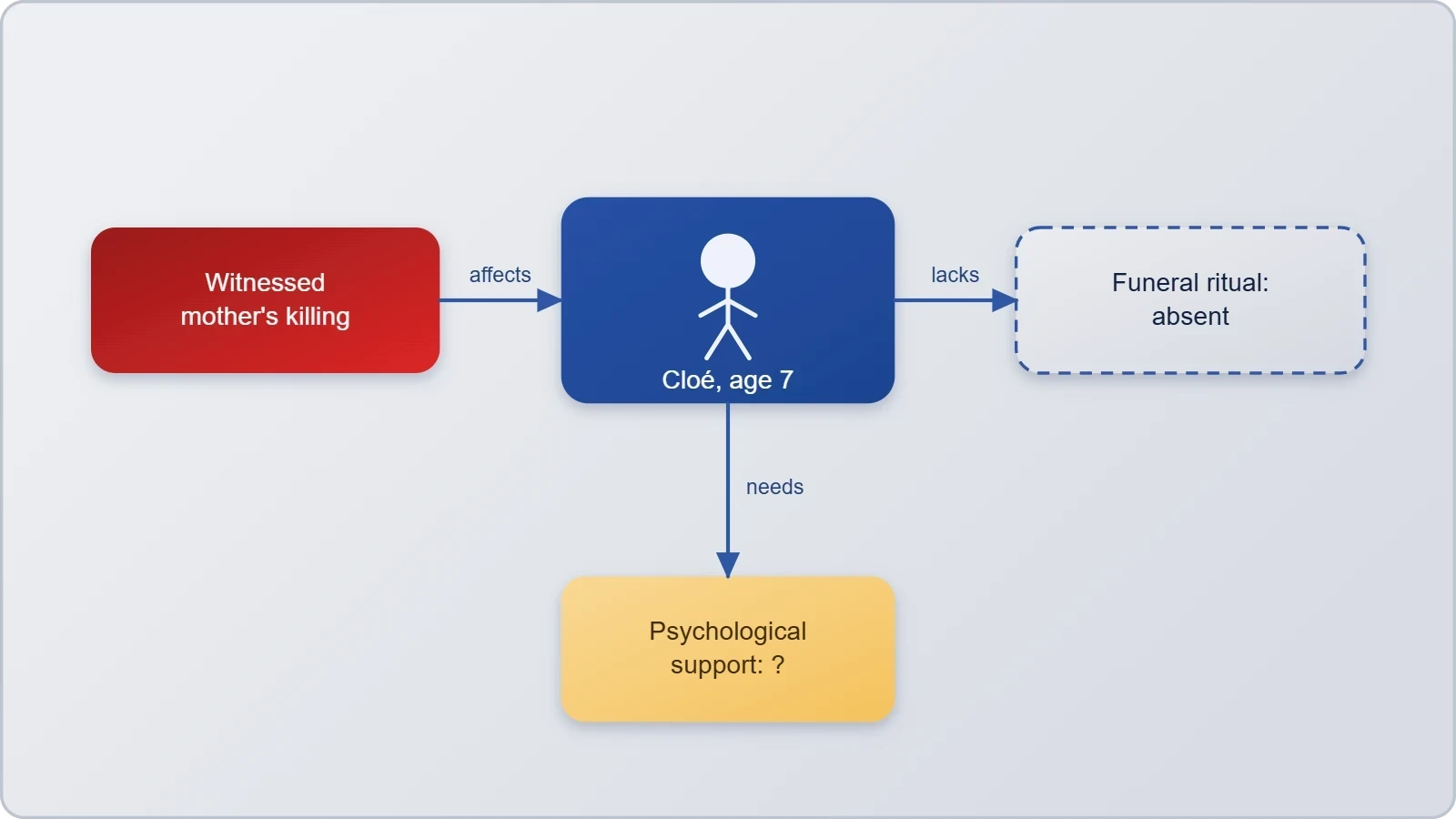
Sandrine Bouchait's decision to adopt Cloé and to seek psychological support reflects an intuitive understanding of this need, but it was a path she walked without institutional assistance. She describes the adoption process as a solitary ordeal, navigating legal requirements while simultaneously managing a traumatized child's daily needs. The combination of administrative burden and emotional labor is a recurring theme in the accounts of femicide relatives, who often find themselves acting as case managers, therapists, and advocates for children whose suffering is officially acknowledged only as a footnote to the criminal case against their father.
Conflicting Loyalties and the Therapeutic Response
The UNFF's leaflet on emotions represents a small but significant intervention in this landscape. By naming feelings such as sadness, anxiety, and even happiness as legitimate, it offers children permission to experience their grief without guilt. The inclusion of happiness is particularly notable, as it challenges the assumption that a child's emotional life must be uniformly dark after tragedy. Bouchait's insight that a child can love a father while condemning his crime is central to the therapeutic approach she advocates. It reframes the child's ambivalence not as pathology but as a healthy response to an impossible situation.
This perspective aligns with contemporary trauma-informed practice, which emphasizes validation over correction and recognizes that recovery is rarely linear. Children may oscillate between rage, longing, indifference, and affection, sometimes within a single day. Caregivers and professionals who understand this rhythm can provide the stable, non-judgmental presence that allows healing to proceed. Those who insist on a single narrative of grief, whether of uncomplicated mourning or of permanent victimhood, risk foreclosing the child's capacity to integrate loss into a life that continues.
- 01
- 02
- 03
- 04
We Also Published
Advocacy, Recognition, and the Path Forward
The National Union of Families Affected by Femicide, founded in 2019 by Sandrine Bouchait and Isabelle Seva-Boismoreau, represents a crucial institutional response to the invisibility of these children. The organization supports relatives during court proceedings, produces educational materials, and campaigns for policy change. Its very existence signals a shift in public consciousness, a recognition that femicide is not only a crime against women but a crime against families. Yet advocacy organizations operate on limited budgets and depend heavily on the energy of survivors, a model that is neither sustainable nor sufficient for the scale of the problem.
Policy reform remains the essential lever for change. Advocates call for mandatory psychological support for children of femicide victims, automatic victim compensation, child-sensitive court procedures, and dedicated training for judges, police, and social workers. Some of these measures exist in fragmentary form, but their implementation is inconsistent and their reach limited. The challenge is not a lack of knowledge about what works but a lack of political will to fund and enforce it. Until that changes, the burden of recovery will continue to fall on the shoulders of grieving relatives and the children they struggle to protect.
Building a Child-Centred Justice System
A justice system that takes children seriously would look different from the current French model. It would provide a dedicated advocate for every child affected by parental homicide, ensuring that their interests are represented in legal proceedings and that they receive clear, age-appropriate explanations of what is happening. It would allow supervised access to the family home during investigations, enabling children to retrieve belongings and to maintain a connection to their lost parent. It would prioritize timely resolution of custody and guardianship arrangements, recognizing that delay compounds trauma. And it would mandate psychological support as a standard component of victim services, not an optional extra.
Such reforms are not utopian. Elements exist in other jurisdictions and could be adapted to the French context. The obstacle is not feasibility but priority. Femicide orphans occupy a blind spot in policy because they are neither the direct victims of the crime nor its perpetrators, and because their suffering is often private, unfolding behind closed doors and within the silence of extended families. Recognizing them requires a deliberate act of political imagination, a willingness to see the child behind the statistic and to allocate resources accordingly.
The Role of Community and Extended Family
While systemic reform is essential, community and extended family remain the first line of support for most children. Kinship carers, neighbors, teachers, and friends can provide the continuity and belonging that formal services often fail to deliver. Schools, in particular, have a crucial role to play, offering stability, routine, and trusted adults who can notice when a child is struggling. Yet teachers and school counselors are rarely trained to recognize the signs of femicide-related trauma, and their capacity to respond is constrained by workload and limited resources.
Building community capacity therefore requires investment in training and awareness. Simple measures, such as protocols for supporting bereaved children and clear referral pathways to specialist services, could make a significant difference. The UNFF's leaflet is a model of low-cost, high-impact intervention, translating complex psychological insight into accessible guidance. Scaling such initiatives, and embedding them within schools, health services, and community organizations, would create a more resilient safety net for children who might otherwise fall through the cracks.
Comparative Perspectives and International Lessons
France is not alone in confronting the challenge of femicide orphans, and international comparisons offer valuable insights. Spain, which introduced comprehensive gender-violence legislation in 2004, provides a model of integrated support that includes psychological care, legal aid, and financial assistance for children of victims. The Spanish system recognizes children as direct victims of gender violence, entitling them to services that in France remain discretionary. While no system is perfect, Spain's approach demonstrates that political commitment can translate into meaningful protection for the most vulnerable survivors.
Other countries have experimented with specialized courts, child advocates, and dedicated compensation funds. In the United Kingdom, the Domestic Homicide Review process examines systemic failures after each death, generating recommendations that can inform policy. Australia has piloted trauma-informed programs for children bereaved by family violence. These initiatives vary in scope and effectiveness, but they share a common premise: that children affected by parental homicide are not passive bystanders but active victims whose needs must be explicitly addressed. France has much to learn from these experiments, and much to contribute through its own advocacy movement.
Spain's Integrated Model as a Reference
Spain's Organic Law on Comprehensive Protection Measures against Gender Violence established a framework in which children are recognized as victims in their own right. This recognition unlocks access to psychological support, legal representation, and financial compensation without requiring families to navigate separate bureaucratic processes. The model is not without critics, who note persistent implementation gaps and regional disparities, but it represents a significant advance over systems that treat children as ancillary to the primary victim. For French advocates, Spain offers a concrete example of how legislative clarity can drive resource allocation and institutional change.
Adapting such a model to France would require overcoming legal and administrative fragmentation. Responsibility for children of femicide victims is currently spread across child protection, criminal justice, and social security systems, each with its own procedures and priorities. A unified framework would need to designate a lead agency, establish clear entitlements, and ensure that funding follows the child rather than the institution. These are complex but not insurmountable challenges, and the Spanish experience suggests that the political will to address them can be built through sustained advocacy and public awareness.
Learning from Domestic Homicide Reviews
The British model of Domestic Homicide Reviews offers a different kind of lesson. These reviews, conducted after every domestic homicide, bring together agencies to examine what happened and what could have been done differently. They are not designed to assign blame but to identify systemic weaknesses and improve future responses. For children, the reviews can reveal missed opportunities for intervention, whether by schools, social services, or police. The publication of review findings also contributes to public understanding, countering the invisibility that surrounds femicide and its consequences.
France has no equivalent mechanism, though advocates have called for its introduction. A French version of the domestic homicide review could serve multiple purposes: honoring the memory of victims, holding institutions accountable, and generating evidence to inform policy. It would also provide a formal space for the voices of surviving children and relatives, whose perspectives are too often excluded from official inquiries. The challenge is to design a process that is rigorous, transparent, and genuinely oriented toward learning rather than blame-avoidance.
Toward Visibility and Justice for the Invisible Victims
The children left behind by femicide in France occupy a paradoxical position: their suffering is a direct consequence of a crime that society officially condemns, yet their needs remain largely invisible in policy and public discourse. Changing this requires a shift in how femicide is understood, from an isolated act of violence against a woman to a family catastrophe with enduring consequences for children. It also requires concrete measures: mandatory psychological support, dedicated legal advocates, child-sensitive court procedures, and automatic compensation. These are not radical demands but basic components of a humane response to preventable tragedy.
The advocacy of organizations like the UNFF demonstrates that change is possible, but it also reveals how much remains to be done. Survivors like Eva-Louise and Cloé have spoken publicly about their experiences, transforming private grief into a call for reform. Their courage deserves more than sympathy; it deserves action. The 111 women killed in France in 2025 leave behind children whose lives have been permanently altered. How society responds to them will determine whether they remain invisible victims or become recognized survivors, supported in rebuilding lives that violence sought to destroy.
From our network :
- The Final Descent: How ESA Retired the Legendary Cluster Constellation After 24 Years of Space Weather ScienceAfter 24 years mapping Earth’s magnetosphere, ESA’s Cluster mission concluded with a precisely controlled reentry over the South Pacific. This analysis explores the scientific legacy, engineering decisions, and debris mitigation principles behind one of space exploration’s most responsible retirements.
- Forbidden Matrix Patterns and Visible Lattice Points: A Geometric DictionaryExplore how multidimensional 0–1 matrices encode geometric truths, linking forbidden patterns to visible lattice points and hypergraph theory, with applications in combinatorics and computational geometry.
- CISA’s Ten-Advisory Wave: Why Generic Patching Fails in OT and How to Build Product-Specific PlaybooksCISA released ten ICS advisories in one week, exposing critical infrastructure risks. Generic patching fails in OT. Learn to build product-specific remediation playbooks.
- University Language Proficiency Exams: Why Institutional Tests Demand Different Preparation Than IELTS and TOEFLDiscover why university-specific language proficiency examinations differ fundamentally from IELTS and TOEFL, and learn strategic preparation approaches for institutional assessment success.
- Committed Mediterranean Precipitation Decline: Why Emissions Cuts Alone Cannot Restore Winter RainsNew NOAA research reveals that Mediterranean winter rains may decline irreversibly even with emissions cuts. Explore the science of committed climate change and regional impacts.
- How AI Agents Will Change the Way We Manage Personal FinancesExplore how AI agents are transforming personal finance through automated budgeting, bill payment, and investment management, while examining the critical security protocols and governance frameworks required for safe deployment.
- The Hidden Cost of AI Convenience: Why Over-Permissioned Agents Are a Security Time BombDiscover why AI agents with excessive permissions create dangerous single points of failure, and learn how implementing least privilege principles can protect your organization from exploitation.
- Mobile Learning and VR in English: What Global Evidence Reveals About Effective Language TechnologyA systematic review across 14 countries reveals which language-learning technologies genuinely work. Mobile learning, AI, and VR show measurable benefits when pedagogically integrated. This evidence-based guide helps educators and learners select technology that delivers real return on investment.
- Live Online English Classes for Kids: Do They Actually Reduce Anxiety?A ten-week study reveals that synchronous online English classes can significantly reduce child language anxiety while improving listening and reading skills. Discover what makes these programs effective and how parents can select the right one.
RESOURCES
- Femicide: shedding light on the 'invisible' victimseige.europa.euof the European Union and stands in the way of achieving full gender equality. Ending all forms of gender-based violence and supporting the victims…
- Danny Yatom, former Director of the Mossad Security Servicefrance24.comFeb 4, 2011 ... France's femicide orphans: The invisible victims of violence against women · Live: Two Libyan soldiers killed in Ukrainian attack on…
- improving legal responses for 'invisible' victims of femicideeige.europa.euFeb 7, 2023 ... Family members of murdered women – children, parents and other close family members – are hidden in plain sight. However,…
- Hundreds protest in Turkey against attempt to close anti-femicide ...france24.comJun 1, 2022 ... We Will Stop Femicide has organised large rallies in support ... France's femicide orphans: The invisible victims of violence against…
- In the Shadow of Femicide: The Unseen Trauma of Families ... - CSVRcsvr.org.zaDec 15, 2025 ... 2. Provision of quality social welfare services to child victims of femicide – To children who have lost one or…
- Mexico: Boom in organised crime making femicide invisible, local ...news.un.orgDec 5, 2024 ... UNIC Mexico/Eloísa Farrera The mural "Sowing memory, reaping justice" represents the community and the victims of femicide in the State…
- Marieke Liem: 'Hidden warning signs preceding femicide deserve ...universiteitleiden.nlOct 2, 2025 ... In two-thirds of households where a woman is killed, children are present. They are the silent victims. 'It has a…
- France's femicide orphans: The invisible victims of… - inklinkl.com2 days ago ... How can they seek help? In this episode of France in Focus, we meet Cloé and Eva-Louise, whose world collapsed…
- Violence against women in France: strengthening protection for ...coe.intSep 16, 2025 ... A femicide protocol has also been adopted to improve ... support is available for women victims of violence and their…
- From victim to survivor A second chance at life - UNODCunodc.orgUNVTF has supported various NGO actions assisting children, mainly female victims of sexual exploitation, forced marriage, forced labour, and domestic labour.
- 01
- 02
- 03
- 04
- 05
- 06
- 07
- 08
0 Comments