When Ukrainian President Volodymyr Zelenskiy confirmed on 24 November 2026 that Ukrainian forces had struck a Russian vessel in the Gulf of Finland, the announcement carried consequences far beyond the hull of a single ship. The Gulf of Finland is not a distant theatre of war; it is the narrow eastern arm of the Baltic Sea onto which St Petersburg, Russia's second city and principal Baltic naval hub, opens directly. A strike in those waters signals a deliberate expansion of Ukraine's maritime reach into one of the most heavily monitored and legally sensitive waterways in Europe, and it immediately drew a measured but pointed response from Norway, a NATO member sharing a northern border with Russia.
The Reuters report was terse, and that terseness is itself informative. No ship name, no weapon system, no casualty figures, and no precise coordinates were disclosed. Norway's reaction was framed as an appeal for caution and a reference to dialogue with Kyiv regarding stability in the near abroad, rather than a condemnation or a pledge of escalation. In strategic communication, the gap between what is confirmed and what is withheld often reveals more than the confirmation itself, because it shows which facts each capital believes it can afford to place in public circulation without foreclosing options it still wishes to keep open.
What follows examines the incident through the lenses that matter to analysts, policymakers, and investors: the geography and legal architecture of the Gulf, the meaning of Norway's calibrated caution, the trajectory of Ukraine's asymmetric maritime campaign, and the second-order effects on Baltic shipping, insurance, and energy logistics. The aim is not to speculate beyond the record but to map the strategic logic that a single confirmed sentence sets in motion across Northern Europe's security and commercial systems.
On This Page
TL;DR Ukraine's confirmed strike on a Russian ship in the Gulf of Finland marks a geographic widening of its maritime campaign into the Baltic approaches to St Petersburg, a waterway governed by dense international law and constant NATO surveillance. Norway's response — urging caution while acknowledging dialogue with Kyiv — reflects the careful balancing act of a frontline Arctic state that supports Ukraine but fears destabilisation of its immediate neighbourhood. The incident elevates maritime risk premiums across the Baltic, sharpens questions about the legal status of strikes in third-state waters, and tests the cohesion of allied messaging at a moment when ambiguity is being used as a deliberate instrument of statecraft.
The Strategic Geography of the Gulf of Finland
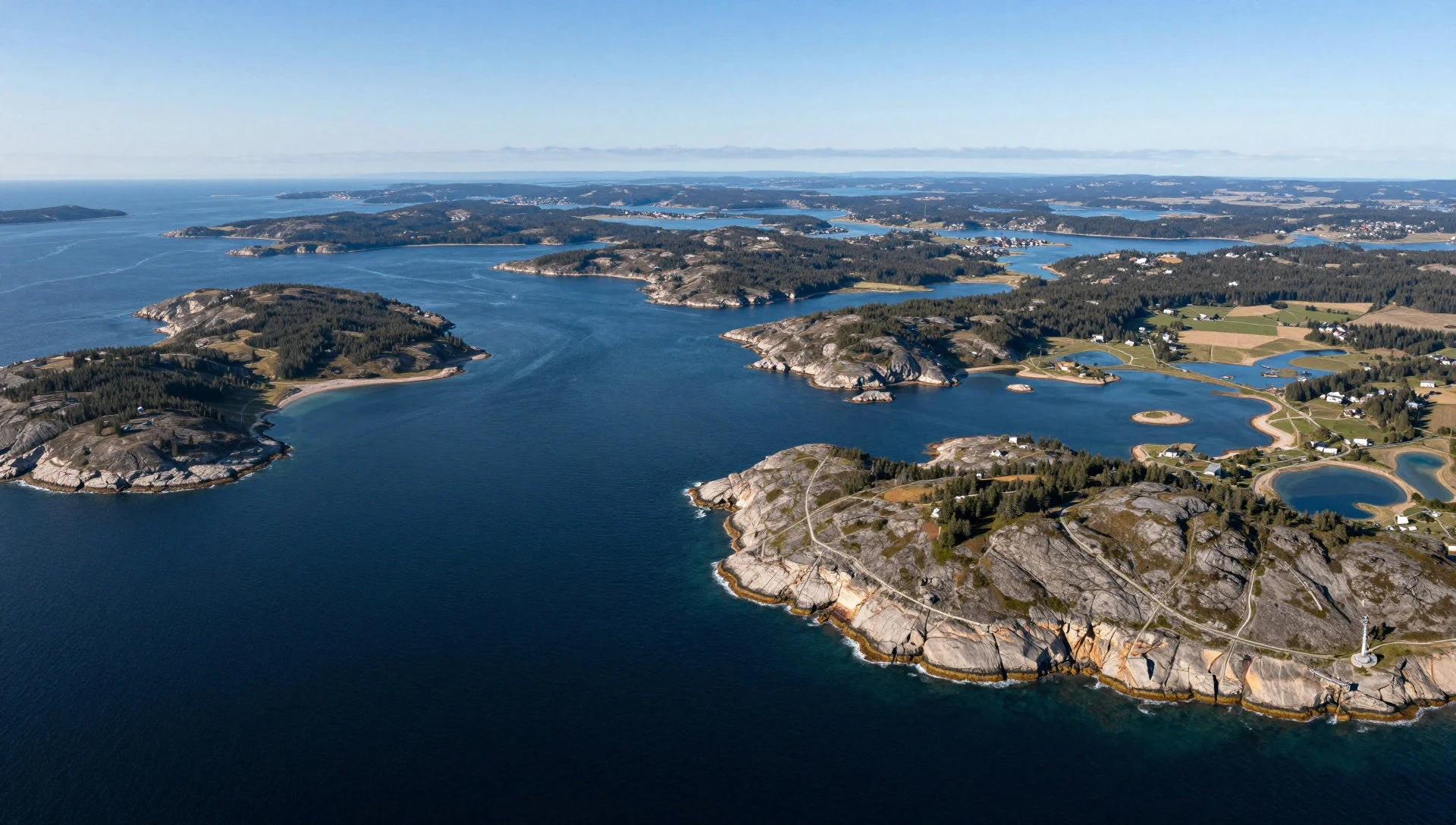
The Gulf of Finland stretches roughly 400 kilometres from the open Baltic to the Neva estuary, and its eastern extremity is dominated by St Petersburg and the adjacent naval installations at Kronstadt. For Russia, this is the maritime throat through which a substantial share of its Baltic Fleet logistics, commercial petroleum exports, and imported dual-use technology must pass. For NATO, the gulf is a confined space where the coastlines of Finland, Estonia, and Russia converge within radar and missile range of one another, making every movement observable and every incident politically charged.
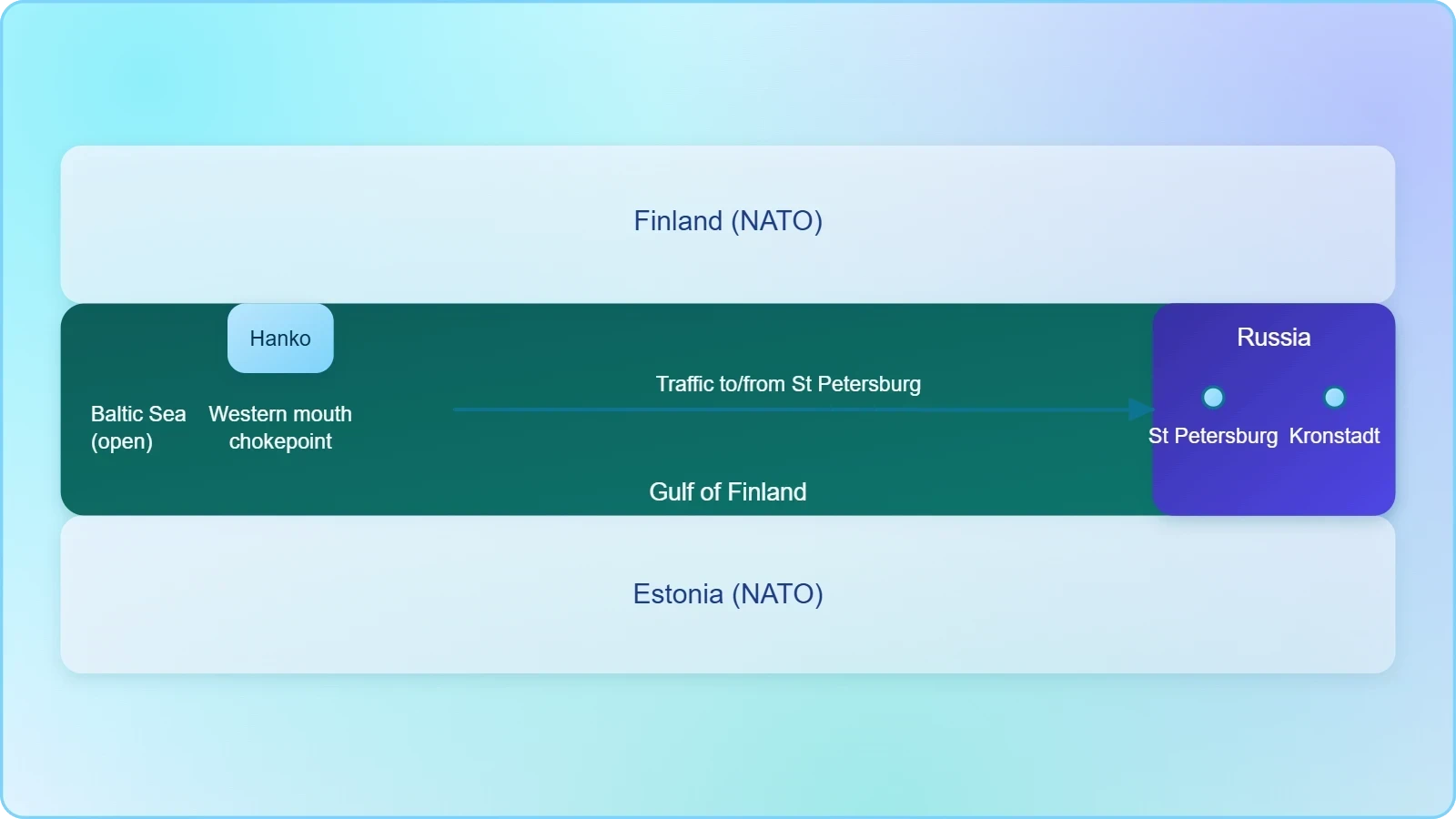
Because Finland and Estonia both joined NATO, the gulf is now effectively enclosed by alliance territory on its northern and southern shores, with Russia holding only the eastern head and a small stretch of coastline. That configuration transforms the waterway from a peripheral concern into a strategic chokepoint. A Ukrainian strike inside it demonstrates that Kyiv can project force into a basin that Moscow has historically treated as an internal approach, and it does so without requiring a blue-water navy, relying instead on unmanned surface vessels, drones, and long-range strike systems.
Chokepoints and the Baltic Approaches
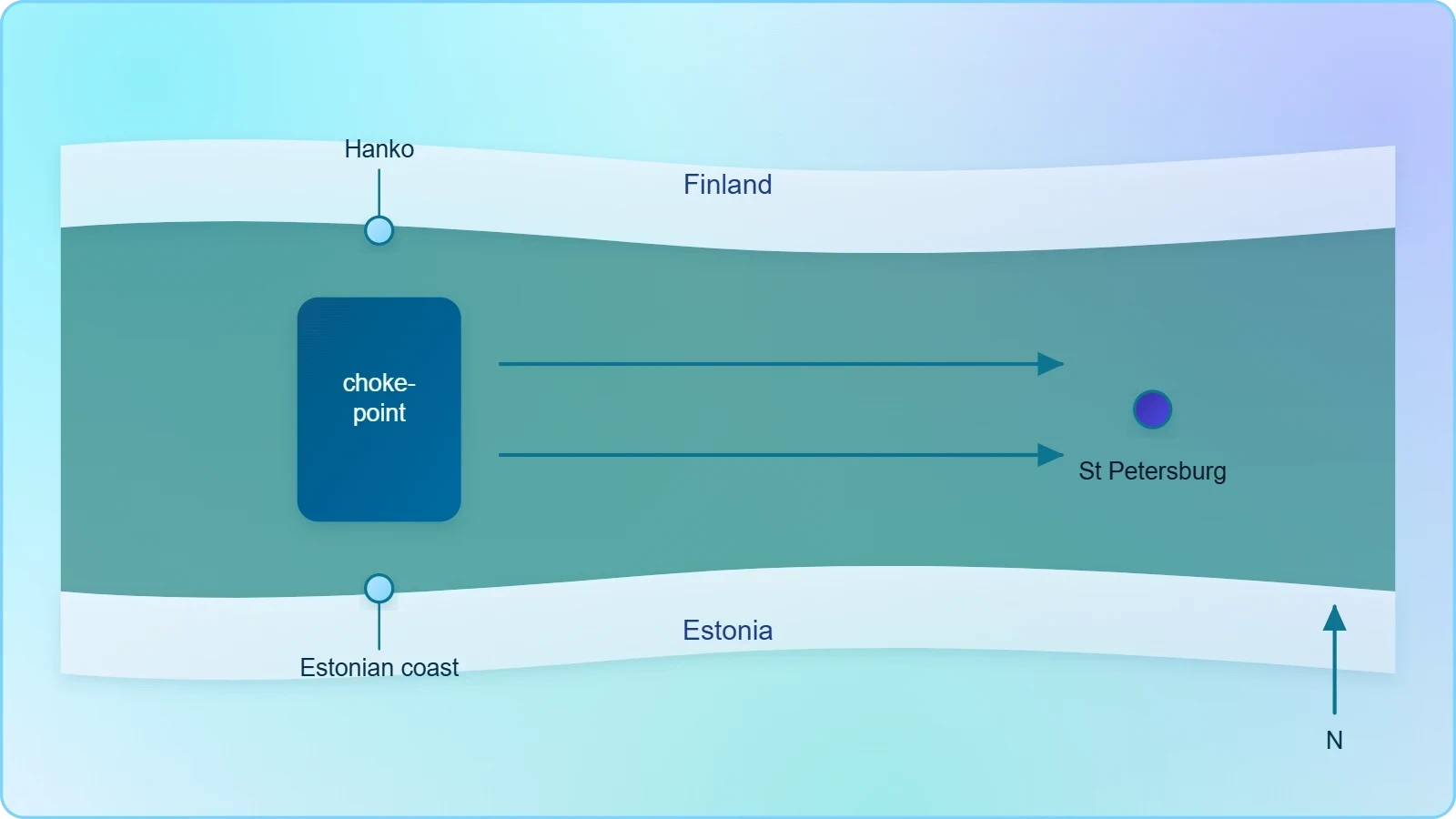
The gulf's western mouth is guarded by the narrow passage between Hanko in Finland and the Estonian coast, a corridor that funnels all traffic into and out of the eastern Baltic. Control or contestation of that passage determines whether St Petersburg functions as an open commercial port or a constrained naval base. Ukraine's demonstrated ability to reach into this space implies that Russian planners must now allocate defensive resources to a waterway they previously regarded as secure rear area, diverting assets from other fronts and complicating the protection of energy and export infrastructure.
For commercial operators, the practical consequence is a recalibration of route risk. Baltic shipping lanes carry significant volumes of refined petroleum, containerised goods, and bulk commodities, and any credible threat to vessels in the gulf raises insurance premiums and encourages rerouting or convoy practices. Even where no formal closure occurs, the perception of danger can impose costs comparable to physical disruption, because underwriters price uncertainty rather than confirmed loss, and charterers respond to underwriter signals with alacrity.
Why the Location Matters More Than the Target
Analysts have long observed that in asymmetric maritime conflict, the significance of a strike often resides in its coordinates rather than its tonnage. A damaged vessel can be repaired or replaced; the precedent of reachability cannot be undone. By confirming an action in the Gulf of Finland, Kyiv communicates that no Russian maritime space is categorically out of bounds, a message aimed as much at allied capitals weighing continued support as at Moscow's military planners.
That message is calibrated, however. The absence of detail about the ship, the weapon, and the outcome preserves ambiguity, allowing Ukraine to claim capability without forcing allies to confront the full legal and escalatory implications of a specific act. Ambiguity in this context is not weakness but a deliberate instrument, one that maximises deterrent signalling while minimising the diplomatic cost borne by partners who must publicly characterise the event.
Norway's Calibrated Caution and the Arctic Frontline
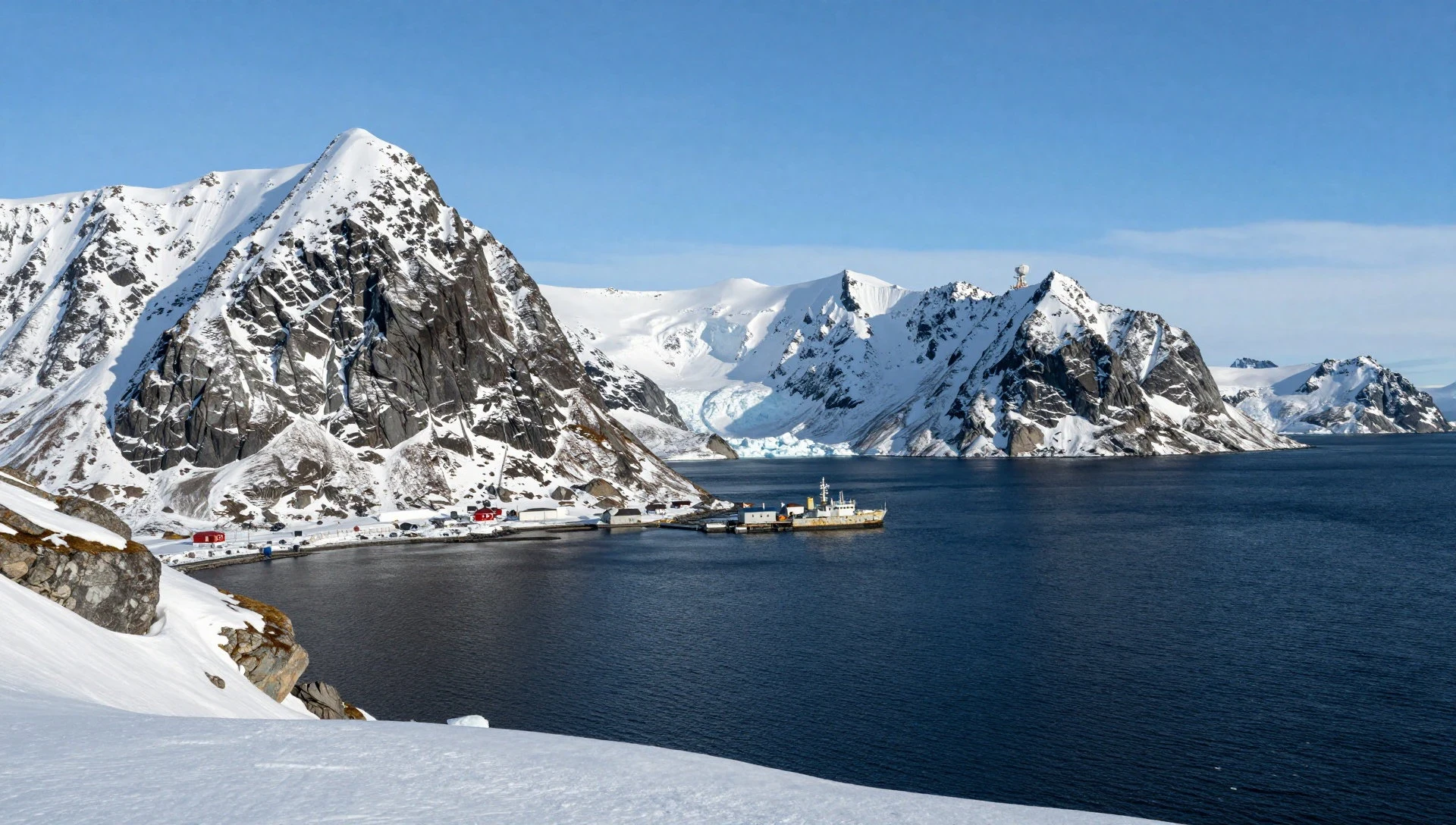
Norway's response deserves close reading because Oslo occupies a distinctive position in European security. It shares a 198-kilometre land border with Russia in the Arctic, hosts NATO's northern flank infrastructure, and has become one of Ukraine's most consequential supporters in terms of per-capita military and humanitarian assistance. Yet Norway also depends on stable maritime conditions in the High North and the Baltic for its offshore energy exports, fisheries, and shipping interests, giving it strong incentives to prevent the conflict from migrating into waters it regards as vital.
The phrase attributed to Norwegian officials — urging caution while acknowledging dialogue with Ukraine about stability in the near abroad — encodes this dual imperative. It affirms solidarity without endorsing the specific action, and it signals to Moscow that Oslo is a channel for de-escalation even as it remains a supplier of weapons to Kyiv. This is the grammar of small-state statecraft: maintain influence by remaining useful to both the alliance and the adversary's calculus, and avoid becoming the venue where escalation is triggered.
The Grammar of Allied Restraint
Allied restraint is rarely spontaneous; it is choreographed. When a partner state urges caution after an ally's operation, the statement typically serves three audiences simultaneously. To domestic voters, it demonstrates prudence. To Moscow, it signals the existence of a communication channel and a preference for limits. To Kyiv, it conveys continued support while gently indicating that certain actions impose political costs on friends. Reading such statements as either endorsement or rebuke misses their function as multi-audience instruments.
Norway's emphasis on dialogue with Ukraine regarding stability in the near abroad is particularly telling. The phrase situates the conversation within a framework of shared interest rather than disagreement, implying that Oslo and Kyiv are coordinating expectations rather than exchanging recriminations. This framing preserves the relationship while quietly registering concern, and it leaves room for Norway to adjust its posture if subsequent incidents occur closer to its own maritime and energy interests in the north.
Arctic Linkages and the Northern Flank
The Gulf of Finland incident cannot be isolated from the broader Arctic picture. Russia's Northern Fleet operates from the Kola Peninsula, and Norway monitors its movements closely. Any indication that maritime conflict is spreading westward along Russia's littoral raises questions in Oslo about whether similar tactics could eventually appear in the Barents Sea or along the Norwegian Sea approaches. The caution urged by Norway is therefore partly anticipatory, an attempt to establish norms of restraint before precedents accumulate in waters closer to home.
This linkage also shapes NATO's northern strategy. The alliance has invested in Baltic and Arctic surveillance, and incidents in the gulf provide justification for further integration of Finnish, Estonian, and Norwegian sensor networks. Paradoxically, a Ukrainian strike that Oslo publicly greets with caution may accelerate the very military integration that Moscow would prefer to prevent, illustrating how tactical actions can produce strategic outcomes contrary to the intentions of those who object to them.
Ukraine's Asymmetric Maritime Campaign
Ukraine's maritime strategy since 2022 has been a study in asymmetry. Lacking a conventional fleet capable of challenging Russia's Black Sea squadrons, Kyiv has relied on unmanned surface vessels, aerial drones, and long-range missiles to impose costs on Russian naval assets and to reopen grain corridors. The campaign's logic is economic and psychological as much as military: every damaged vessel raises Russian insurance and repair costs, forces dispersal of assets, and undermines the narrative of invulnerability that Moscow cultivates.
Extending this approach into the Baltic represents a qualitative shift. The Black Sea campaign operated in waters adjacent to Ukraine's own coast and within reach of its launch sites. The Gulf of Finland is far from Ukrainian territory, which implies either the use of long-range systems, the employment of unconventional methods, or the exploitation of vulnerabilities in Russian maritime security that Kyiv has learned to identify. Each possibility carries distinct implications for how Russia must now allocate defensive resources across a vastly expanded maritime perimeter.
Unmanned Systems and the Cost Curve
The economics of unmanned warfare favour the attacker in ways that traditional naval doctrine struggles to accommodate. A relatively inexpensive surface or aerial drone can threaten a vessel worth hundreds of millions, and the defender must expend interceptors and patrol hours to protect every potential target. This inversion of the cost curve means that even unsuccessful attacks impose persistent expenses, and successful ones deliver disproportionate psychological and financial returns relative to the resources committed.
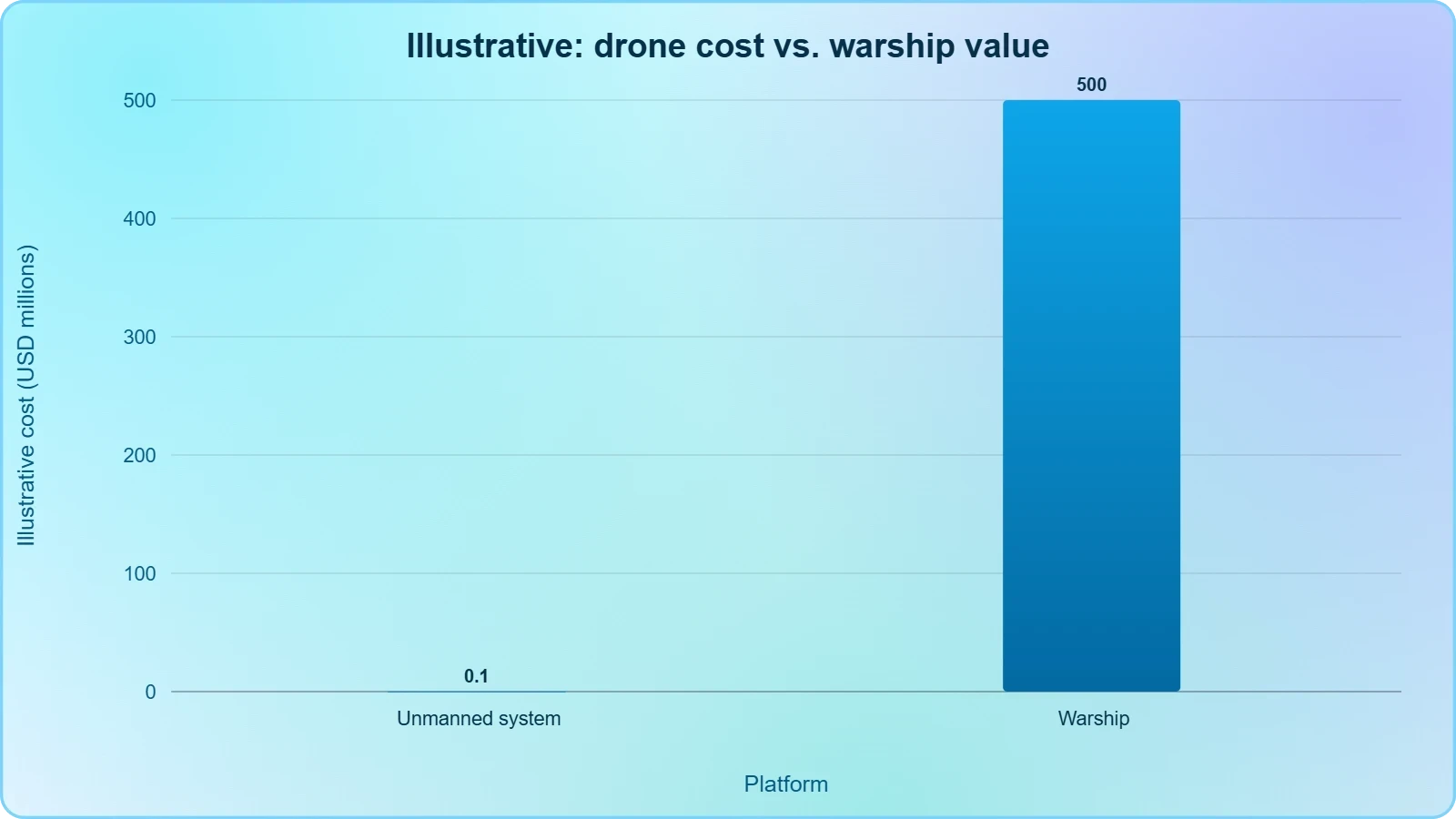
For Russia, the implication is a defensive perimeter that grows faster than its capacity to guard it. Protecting St Petersburg, Kronstadt, and the commercial terminals of the eastern gulf requires layered air defence, patrol craft, and surveillance assets that are already stretched across the Black Sea and other theatres. Ukraine's ability to force this dispersion is itself a strategic achievement, independent of the material damage inflicted in any single engagement.
Legal Boundaries and the Law of the Sea
The legal characterisation of a strike in the Gulf of Finland depends on facts that remain undisclosed. If the vessel was in Russian territorial waters, the action raises questions about the scope of self-defence under the UN Charter. If it was in the territorial sea or exclusive economic zone of Finland or Estonia, the consent and posture of those states become central. If it was on the high seas, the law of naval warfare and neutrality doctrines apply with different consequences for all parties involved.
This legal indeterminacy is not incidental; it is part of the strategic environment. By declining to specify location and method, the parties preserve room for interpretation and avoid forcing allies into formal legal positions they would rather not adopt. International law in wartime often functions less as a constraint than as a vocabulary through which escalation is managed, and the deliberate maintenance of ambiguity allows each capital to describe the event in terms most favourable to its own domestic and diplomatic needs.
- 01
- 02
- 03
- 04
Baltic Trade, Insurance, and Energy Exposure
The Baltic Sea region accounts for a substantial share of Europe's maritime commerce, and the Gulf of Finland is the conduit for a significant portion of Russia's seaborne petroleum exports through ports such as Primorsk and Ust-Luga. Even before this incident, sanctions and shadow-fleet practices had distorted these flows, raising compliance costs and complicating insurance. A confirmed strike inside the gulf adds a security dimension to an already opaque commercial environment, and markets respond to such additions by widening risk premia across the board.
Insurance markets are the transmission mechanism through which distant military events reach ordinary consumers. War-risk premiums for Baltic voyages adjust quickly, and hull and cargo underwriters reassess aggregate exposure when a new geographic area enters the threat picture. Higher premiums translate into higher freight rates, which in turn feed into the cost of imported goods, heating fuel, and industrial inputs. The chain is indirect but reliable, and it operates long before any physical disruption to shipping occurs.
Shadow Fleets and Compliance Risk
Russia's use of ageing tankers operating outside mainstream insurance and classification has already complicated Baltic oversight, and incidents involving these vessels have raised environmental and safety concerns among littoral states. A security incident in the gulf intensifies scrutiny of such traffic, potentially prompting port states to demand additional documentation or to refuse entry. Compliance departments in trading houses and banks must therefore reassess counterparty exposure, and the resulting friction adds cost even where no formal prohibition applies.
The broader lesson for commodity markets is that geopolitical events in confined waterways have outsized effects because they compress the space in which alternatives can be found. Unlike the open ocean, where rerouting is costly but feasible, the Baltic offers few substitutes for the eastern gulf's terminals. Buyers and sellers must therefore absorb risk rather than avoid it, and that absorption is reflected in the prices paid by downstream consumers across the continent.
Energy Infrastructure and the Northern Dimension
Norway's caution also reflects its role as a major energy supplier to Europe. Offshore installations in the North Sea and Norwegian Sea are distant from the gulf, but the principle of maritime infrastructure vulnerability is shared. If unmanned systems can reach vessels in the eastern Baltic, the question of whether similar capabilities could threaten subsea pipelines, cables, and platforms becomes salient for insurers and operators alike. Oslo's interest in establishing limits is thus grounded in concrete asset protection, not abstract diplomacy.
European energy planners have already diversified away from Russian pipeline gas, but the maritime transport of liquefied natural gas and the integrity of subsea power interconnectors remain critical. Any precedent that normalises attacks on maritime infrastructure in Northern Europe would raise the cost of the entire system, and that prospect gives Norway and its neighbours a strong incentive to advocate restraint publicly while quietly strengthening surveillance and protection measures.
We Also Published
Escalation Dynamics and the Ambiguity Dividend
Escalation in maritime conflict rarely follows a linear path. It advances through signals, counter-signals, and the accumulation of precedents that gradually redefine what is considered normal. A confirmed strike in a new theatre expands the set of acceptable actions, and each expansion makes the next step marginally easier for all parties. The ambiguity surrounding this incident serves as a brake on that process, because without agreed facts there can be no agreed red line, and without red lines escalation becomes a matter of interpretation rather than obligation.
This ambiguity dividend is valuable to Ukraine, which gains deterrent effect without triggering formal allied obligations, and to Norway, which avoids being forced into a public position it would find uncomfortable. It is less valuable to Russia, which must respond to a humiliation without a clear target for retaliation, and to international institutions, which cannot adjudicate what has not been specified. The result is a kind of strategic equilibrium maintained by uncertainty rather than agreement.
Red Lines and the Problem of Verification
Deterrence depends on the credibility of red lines, and credibility depends on verification. When an incident occurs without agreed facts, the parties cannot determine whether a threshold has been crossed, and the deterrent value of any declared limit erodes. This is why states often invest heavily in attributing and publicising incidents that harm them, and why ambiguity can be a double-edged instrument: it protects the actor from immediate consequences but weakens the clarity that stable deterrence requires over time.
For the Baltic states and Finland, the practical response is likely to be enhanced monitoring and information sharing rather than dramatic military posturing. Surveillance data becomes the currency of verification, and the ability to establish facts quickly is itself a form of deterrence. The incident may therefore accelerate investment in maritime domain awareness across the region, a development that strengthens NATO's northern posture without requiring a formal political decision that any single member would find difficult to defend domestically.
Signals, Misperception, and Crisis Management
Crisis management in confined waters is complicated by the short distances and compressed decision timelines. A vessel, a drone, or a patrol craft can cross a threshold in minutes, leaving little room for consultation. The risk of inadvertent escalation is therefore highest precisely where the strategic stakes are greatest, and the absence of agreed incident protocols between Russia and NATO in the Baltic makes every encounter a test of restraint under pressure.
Norway's call for caution can be read in this light as an investment in crisis management. By publicly emphasising dialogue and stability, Oslo signals that channels remain open and that restraint is valued, even as it continues to support Ukraine. Such signalling does not resolve the underlying conflict, but it can reduce the probability that a single ambiguous event triggers a cascade of responses that no capital intended and none can easily reverse.
What the Record Supports and What It Does Not
Analytical discipline requires distinguishing between what the record establishes and what inference supplies. The record establishes that Zelenskiy confirmed a strike on a Russian ship in the Gulf of Finland, that Reuters reported the confirmation, and that Norway responded by urging caution and referencing dialogue with Ukraine about stability in the near abroad. It does not establish the vessel's identity, the weapon used, the location within the gulf, the damage sustained, or the precise content of Norway's diplomatic communication.
Everything beyond those facts is interpretation, and interpretation should be labelled as such. The strategic significance of the location, the logic of Norway's posture, the trajectory of Ukraine's maritime campaign, and the commercial consequences are all reasoned inferences drawn from established patterns rather than reported facts. Maintaining that distinction is not pedantry; it is the difference between analysis that informs decisions and speculation that misleads them, particularly in markets where premature certainty is expensive.
Reading Sparse Reporting Responsibly
Sparse reporting is a common condition in conflict analysis, and the appropriate response is neither to inflate the significance of every detail nor to dismiss events as unverifiable. Instead, analysts should map the range of plausible interpretations, identify which facts would discriminate between them, and monitor for those facts. This approach produces conclusions that are provisional by design, capable of revision as information arrives, and resistant to the temptation to fill silence with narrative convenience.
For readers and decision-makers, the practical implication is to treat the incident as a signal of intent and capability rather than as a settled account of events. The confirmation matters because it was made deliberately and publicly; the details matter less than the fact of the announcement and the responses it elicited. That distinction allows observers to draw strategic conclusions without overcommitting to factual claims that may later require revision.
Implications for Policy and Preparedness
For European governments, the incident reinforces the case for integrated maritime surveillance, resilient logistics planning, and clear crisis communication protocols. For insurers and shipping operators, it argues for scenario planning that includes security incidents in the Baltic as a standing category rather than an exceptional event. For investors, it suggests that geopolitical risk in Northern European maritime corridors should be priced as a persistent factor rather than a transient shock, with attention to energy logistics and freight exposure.
None of these implications depends on resolving the unknowns. They follow from the demonstrated willingness of a belligerent to act in a sensitive waterway and from the calibrated responses of allied states. Preparedness is justified by capability and intent, not by certainty about any single engagement, and the most prudent course is to strengthen resilience while preserving the diplomatic channels that keep ambiguity from hardening into confrontation.
The confirmed strike in the Gulf of Finland is, in the end, less a story about a ship than a story about reach, restraint, and the management of uncertainty. It shows that the geography of this conflict is not fixed, that allies communicate through carefully worded caution as much as through declarations of support, and that markets and institutions must operate in an environment where the most important facts are often the ones left unsaid. The strategic lesson is to read signals with discipline, prepare for a wider maritime contest, and value the channels that keep competition below the threshold of uncontrolled escalation.
From our network :
- CISA’s Ten-Advisory Wave: Why Generic Patching Fails in OT and How to Build Product-Specific PlaybooksCISA released ten ICS advisories in one week, exposing critical infrastructure risks. Generic patching fails in OT. Learn to build product-specific remediation playbooks.
- Forbidden Matrix Patterns and Visible Lattice Points: A Geometric DictionaryExplore how multidimensional 0–1 matrices encode geometric truths, linking forbidden patterns to visible lattice points and hypergraph theory, with applications in combinatorics and computational geometry.
- The Hidden Cost of AI Convenience: Why Over-Permissioned Agents Are a Security Time BombDiscover why AI agents with excessive permissions create dangerous single points of failure, and learn how implementing least privilege principles can protect your organization from exploitation.
- Live Online English Classes for Kids: Do They Actually Reduce Anxiety?A ten-week study reveals that synchronous online English classes can significantly reduce child language anxiety while improving listening and reading skills. Discover what makes these programs effective and how parents can select the right one.
- How AI Agents Will Change the Way We Manage Personal FinancesExplore how AI agents are transforming personal finance through automated budgeting, bill payment, and investment management, while examining the critical security protocols and governance frameworks required for safe deployment.
- Mobile Learning and VR in English: What Global Evidence Reveals About Effective Language TechnologyA systematic review across 14 countries reveals which language-learning technologies genuinely work. Mobile learning, AI, and VR show measurable benefits when pedagogically integrated. This evidence-based guide helps educators and learners select technology that delivers real return on investment.
- University Language Proficiency Exams: Why Institutional Tests Demand Different Preparation Than IELTS and TOEFLDiscover why university-specific language proficiency examinations differ fundamentally from IELTS and TOEFL, and learn strategic preparation approaches for institutional assessment success.
- Committed Mediterranean Precipitation Decline: Why Emissions Cuts Alone Cannot Restore Winter RainsNew NOAA research reveals that Mediterranean winter rains may decline irreversibly even with emissions cuts. Explore the science of committed climate change and regional impacts.
- The Final Descent: How ESA Retired the Legendary Cluster Constellation After 24 Years of Space Weather ScienceAfter 24 years mapping Earth’s magnetosphere, ESA’s Cluster mission concluded with a precisely controlled reentry over the South Pacific. This analysis explores the scientific legacy, engineering decisions, and debris mitigation principles behind one of space exploration’s most responsible retirements.
RESOURCES
- Zelenskiy confirms Ukraine hit Russian ship in Gulf of Finland, ally ...reuters.com1 day ago ... Ukrainian President Volodymyr Zelenskiy confirmed his country was responsible for Saturday's drone strike on a Russian cargo ship in the ...
- Zelensky confirms Ukraine hit Russian ship in Gulf of Finland, ally ...facebook.com2 days ago ... Zelensky confirms Ukraine hit Russian ship in Gulf of Finland, ally Norway urges caution. ... STRIKE ON RUSSIAN WARSHIP IN…
- Zelenskiy Confirms Ukraine Hit Russian Ship in Gulf of Finland, Ally ...usnews.com2 days ago ... KYIV/OSLO, Nov 24 (Reuters) - Ukrainian President Volodymyr Zelenskiy confirmed his country was responsible for Saturday's drone strike on a ...
- Post - Xx.com2 days ago ... ZelenskyyUa confirms his country was responsible for Saturday's drone strike on a Russian cargo ship in the Gulf of Finland,…
- Ukraine confirms hit on Russian ship in Gulf of Finland as escalation ...abc.net.au2 days ago ... ... Russian cargo ship in the Gulf of Finland, prompting Kyiv's strong ally Norway to urge caution. Finnish, Estonian and…
- News - Bay Towingbaytowing.comUkrainian President Volodymyr Zelenskiy confirmed his country was responsible for Saturday's drone strike on a Russian cargo ship in the Gulf of Finland, while ...
- Zelenskiy confirms Ukraine hit Russian ship in Gulf of Finland, ally ...reddit.com2 days ago ... Zelenskiy confirms Ukraine hit Russian ship in Gulf of Finland, ally Norway urges caution ... Russian strikes kill 16 in…
- Zelenskiy confirms Ukraine hit Russian ship in Gulf of Finland, ally ...brecorder.com2 days ago ... Sandvik did not say whether he had discussed the Gulf of Finland attack with Khmara at their meeting. NATO member…
- Zelenskiy confirms Ukraine hit Russian ship in Gulf of Finland, ally ...reddit.com2 days ago ... Zelenskiy confirms Ukraine hit Russian ship in Gulf of Finland, ally Norway urges caution ... Russian strikes aim to cut…
- Zelensky confirms Ukraine hit the Russian ship Sparta II in the Gulf ...mlq.ai2 days ago ... Zelensky confirms Ukraine hit the Russian ship Sparta II in the Gulf of Finland as Norway urges caution · What…
- Fake warnings of nuclear attack posted on hacked Russian and ...sg.news.yahoo.comNov 2, 2026 ... Emergency warning apps in Russia and Ukraine were hacked overnight Sunday into Monday, according to authorities in both countries.
- Reuters World News Summary | International - Devdiscoursedevdiscourse.com1 day ago ... Zelenskiy confirms Ukraine hit Russian ship in Gulf of Finland, ally Norway urges caution ... Kyiv has said it would…
- Putin's next move? Five Russian attack scenarios Europe must ...atlanticcouncil.orgFeb 12, 2026 ... Whether emboldened by victory in Ukraine or motivated by a loss to pursue success elsewhere, Russian president Vladimir Putin is…
- Zelensky confirms Ukraine struck a Russian ship in the Gulf of Finlanddukagjini.com2 days ago ... Ukrainian President Volodymyr Zelensky has confirmed that Ukraine was behind Saturday's drone attack on a Russian cargo ship in the…
- Zelenskiy Confirms Gulf of Finland Ship Strike - Technology Orgtechnology.org19 hours ago ... Zelenskiy confirms Ukraine's drone strike on the Russian cargo ship Sparta II in the Gulf of Finland as Norway urges…
- 01
- 02
- 03
- 04
- 05
- 06
- 07
- 08
0 Comments