Antimicrobial resistance has quietly become one of the most consequential public health crises of the modern era, and the documentary "The Drugs Don't Work" brings that crisis into sharp, human focus. The film, produced in the Middle East and Qatar region and distributed through Al Jazeera's featured documentaries strand, examines how the overuse of antibiotics is eroding the effectiveness of medicine's most reliable tools. Its central warning is stark: without decisive intervention, drug-resistant infections could claim as many as eight million lives annually by 2050, a figure that reframes AMR from a clinical inconvenience into a civilizational threat.
What distinguishes the documentary is its refusal to treat antibiotic resistance as an abstract laboratory problem. Instead, it travels to where the consequences are most severe, following health workers and families in sub-Saharan Africa as they battle infections with scarce resources and fragile supply chains. The film also traces the history of penicillin, the world's most successful antibiotic, to explain why these drugs were invented and how their misuse has squandered a medical miracle. Alongside that historical arc, it investigates why pharmaceutical giants such as GlaxoSmithKline struggle to develop new treatments, and how British universities, hospitals, and the UK technology company DeepMind are contributing research to the fight.
The narrative ultimately returns to Africa, where local innovation combined with tools from developed countries is saving lives and feeding into a global effort against AMR. That framing matters because it positions low-resource regions not merely as victims but as laboratories of practical ingenuity. The documentary's implicit argument is that resistance is a shared problem requiring shared solutions, and that coordinated action could still save millions of lives. Understanding the film's core message requires examining the science, the economics, the geography of impact, and the technological and human responses it documents.
On This Page
- The Scale and Science of Antimicrobial Resistance
- The Human Geography of Resistance
- The Broken Economics of Antibiotic Development
- Technology, AI, and the Research Frontier
- Stewardship, Policy, and Global Coordination
- What the Documentary Gets Right and What It Leaves Out
- Why This Story Matters Beyond the Screen
TL;DR "The Drugs Don't Work" is a documentary examining antimicrobial resistance as a global health emergency projected to cause eight million deaths annually by 2050. It traces penicillin's history, explains why pharmaceutical companies struggle to develop new antibiotics, and highlights research partnerships involving British universities and DeepMind. The film's emotional and epidemiological center is sub-Saharan Africa, where infant mortality from resistant infections is most acute, and where local innovation combined with developed-world tools is already saving lives. Its core message is that AMR is a shared, solvable crisis demanding coordinated global action.
The Scale and Science of Antimicrobial Resistance
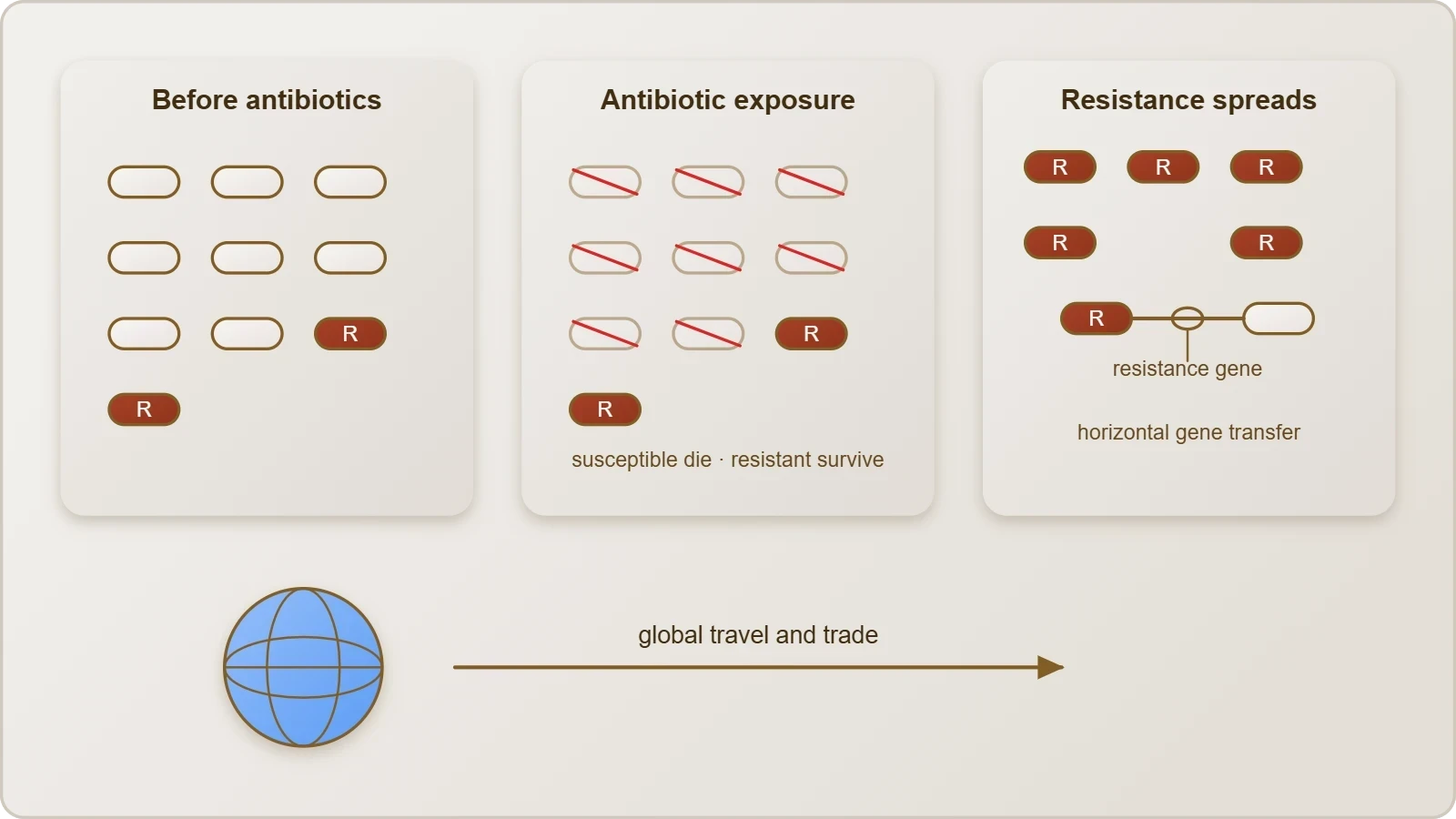
Antimicrobial resistance occurs when microorganisms, including bacteria, viruses, fungi, and parasites, evolve mechanisms that neutralize the drugs designed to kill them. In the case of bacteria, resistance emerges through natural selection: when antibiotics are used, susceptible organisms die while those carrying resistance genes survive and multiply. The documentary's headline projection of eight million annual deaths by 2050 aligns with widely cited modeling from the Review on Antimicrobial Resistance, which estimated ten million deaths per year by mid-century in a worst-case scenario. Even conservative estimates place AMR among the leading causes of death worldwide, comparable to major killers such as malaria and HIV combined.
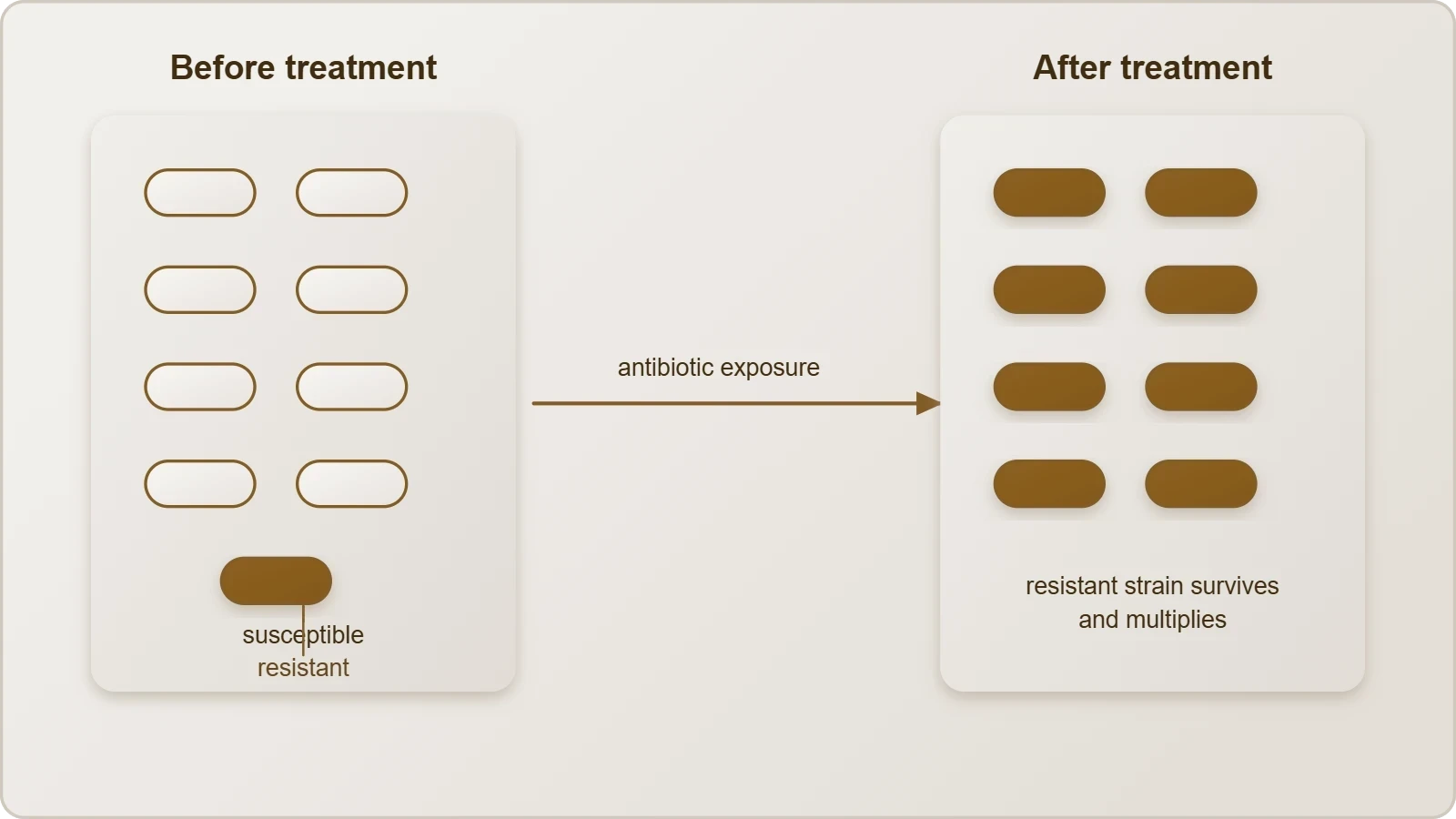
The science is deceptively simple and brutally consequential. Every unnecessary prescription, every incomplete course of treatment, and every use of antibiotics in livestock accelerates the evolutionary pressure that produces resistant strains. The film's title captures the paradox at the heart of the crisis: drugs that once reliably cured pneumonia, sepsis, and postoperative infections are losing their power, and the pipeline of replacements has nearly run dry. Understanding this dynamic is essential to appreciating why the documentary treats AMR not as a distant forecast but as an unfolding emergency already visible in hospitals and clinics across the developing world.
How Resistance Develops and Spreads
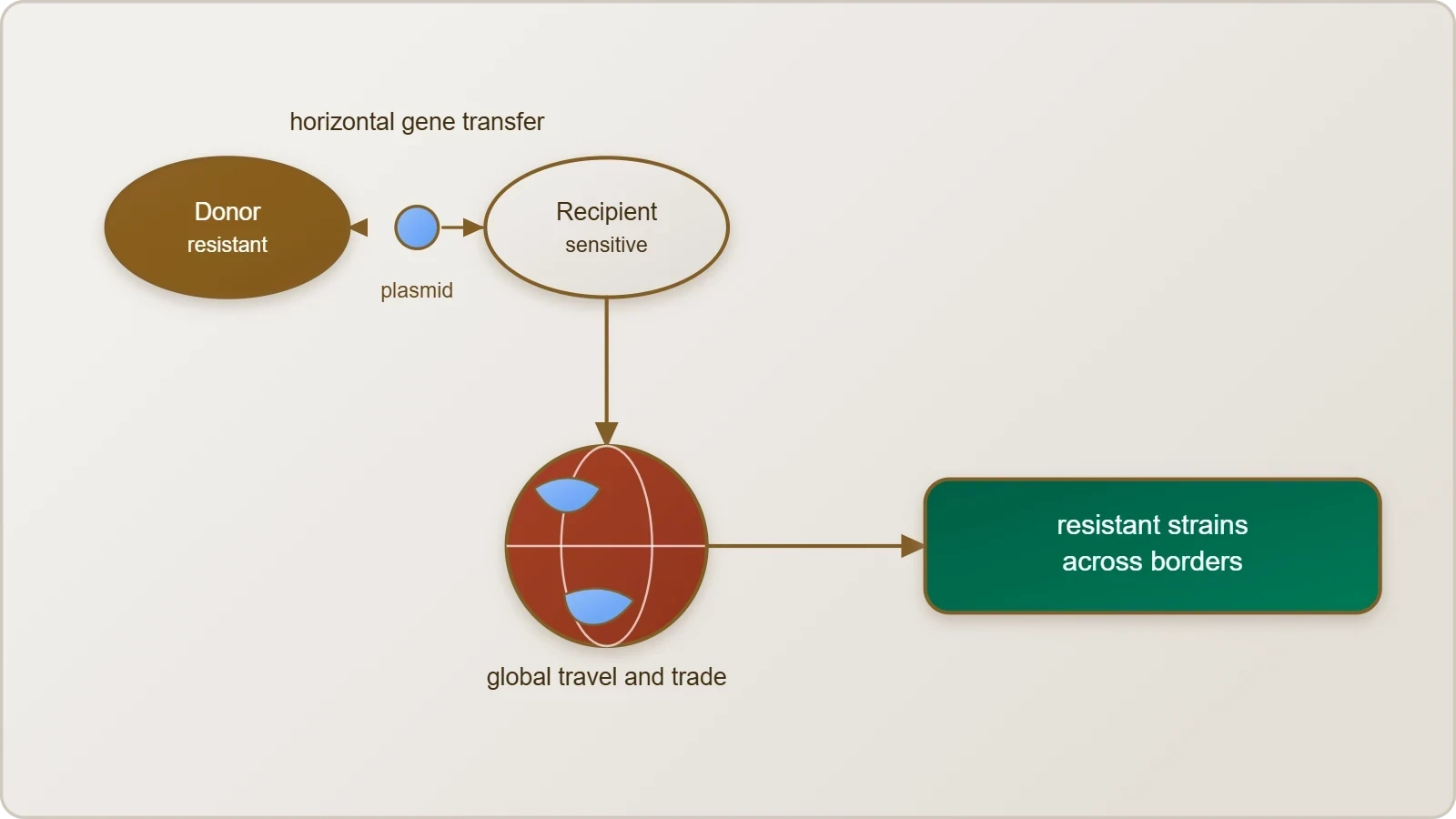
Resistance is not confined to individual patients or even individual countries. Bacteria exchange resistance genes through horizontal gene transfer, meaning a resistant organism in one setting can pass its defenses to unrelated species. Global travel and trade then carry these strains across borders within hours. The documentary's geographic sweep, from Africa to Europe to the United States, reflects this reality: AMR is a networked problem that respects no national boundary. Hospitals become amplification hubs, and agricultural antibiotic use creates reservoirs that feed human infection pathways.
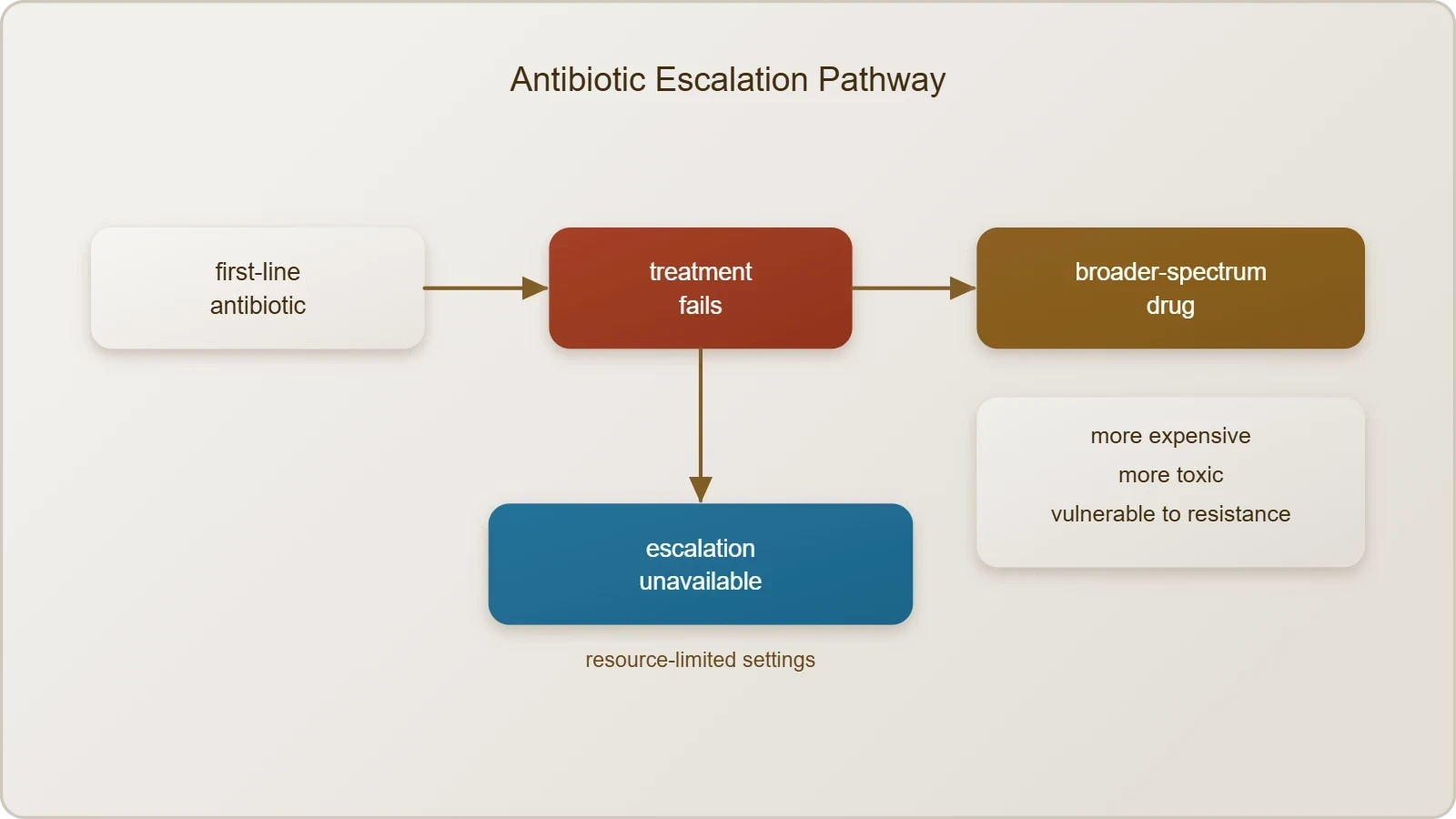
The epidemiological math is unforgiving. When a first-line antibiotic fails, clinicians escalate to broader-spectrum drugs, which are often more expensive, more toxic, and themselves vulnerable to resistance. In resource-limited settings, escalation may simply be unavailable, leaving patients and physicians with no viable options. The film's focus on infant mortality in sub-Saharan Africa illustrates this cascade at its most tragic, where common neonatal infections become lethal because the drugs that should cure them no longer work.
The Historical Arc of Penicillin
Penicillin's story is central to the documentary because it explains both the promise and the peril of antibiotics. Alexander Fleming's 1928 discovery, and the subsequent wartime scaling of production, transformed medicine by making previously fatal infections treatable. The film examines why penicillin was invented and how it became the world's most successful antibiotic, a drug that saved countless lives and underpinned modern surgery, chemotherapy, and organ transplantation. That history is a reminder of what is at stake when resistance erodes such gains.
Yet the same history reveals a structural flaw. From the moment antibiotics entered widespread use, resistance began to appear, and Fleming himself warned of the dangers of misuse in his 1945 Nobel lecture. The documentary uses this arc to argue that the current crisis is not a sudden failure but the predictable outcome of decades of complacency. The lesson is that antibiotics are a shared commons, and like any commons, they require stewardship rather than unrestricted consumption.
The Human Geography of Resistance
The documentary's decision to anchor its reporting in sub-Saharan Africa is both journalistically and epidemiologically sound. It is in low-resource settings that the consequences of resistance are most immediately lethal, particularly for newborns and young children whose immune systems are still developing. Neonatal sepsis, a leading cause of infant death, depends on reliable antibiotics; when those drugs fail, outcomes deteriorate rapidly. The film follows health workers and families navigating these constraints, giving a human face to statistics that can otherwise feel abstract and remote.
This geographic focus also exposes a global inequity. High-income countries contribute disproportionately to antibiotic overuse and agricultural misuse, yet low-income countries bear the heaviest mortality burden. The documentary implicitly indicts this asymmetry, showing how the benefits and costs of antibiotic consumption are distributed unevenly across the planet. Understanding this geography is essential to any serious response, because interventions that work in well-resourced hospitals may be irrelevant in clinics lacking reliable electricity, clean water, or trained staff.
Infant Mortality and Resource Constraints
In many sub-Saharan African health facilities, clinicians must make treatment decisions without the diagnostic tools that guide prescribing in wealthier settings. Blood cultures may take days or be unavailable entirely, forcing empirical antibiotic choices that are often broad and sometimes inappropriate. The documentary captures this reality through the eyes of health workers who must act on incomplete information, knowing that a wrong guess can be fatal. These constraints create a vicious cycle: without diagnostics, overuse persists, and resistance deepens.
Families bear the emotional and financial weight of this system. Out-of-pocket costs for second-line antibiotics can push households into poverty, and the loss of a child to an infection that should have been treatable is a recurring tragedy. The film's attention to these personal stories is not sentimental decoration; it is an argument that AMR policy must be designed around the lived realities of the people most affected. Effective stewardship, in other words, cannot be separated from equitable access.
Local Innovation as a Counterweight
The documentary's return to Africa in its closing act is deliberate and hopeful. It documents local innovators developing practical tools and approaches that stretch scarce resources further, from improved infection control to novel diagnostic strategies adapted to low-resource settings. These efforts are complemented by tools and expertise from developed countries, creating a partnership model rather than a charity model. The film suggests that this combination of local knowledge and external support is where real progress is being made.
This framing challenges the assumption that innovation flows only from wealthy research institutions to poor recipients. Instead, it presents a more reciprocal picture in which African health systems generate solutions that could inform global practice. The documentary's optimism is measured, however: local innovation can save lives at the margins, but it cannot substitute for systemic investment in new drugs, diagnostics, and public health infrastructure. The film's message is that bottom-up ingenuity and top-down policy must reinforce each other.
We Also Published
The Broken Economics of Antibiotic Development
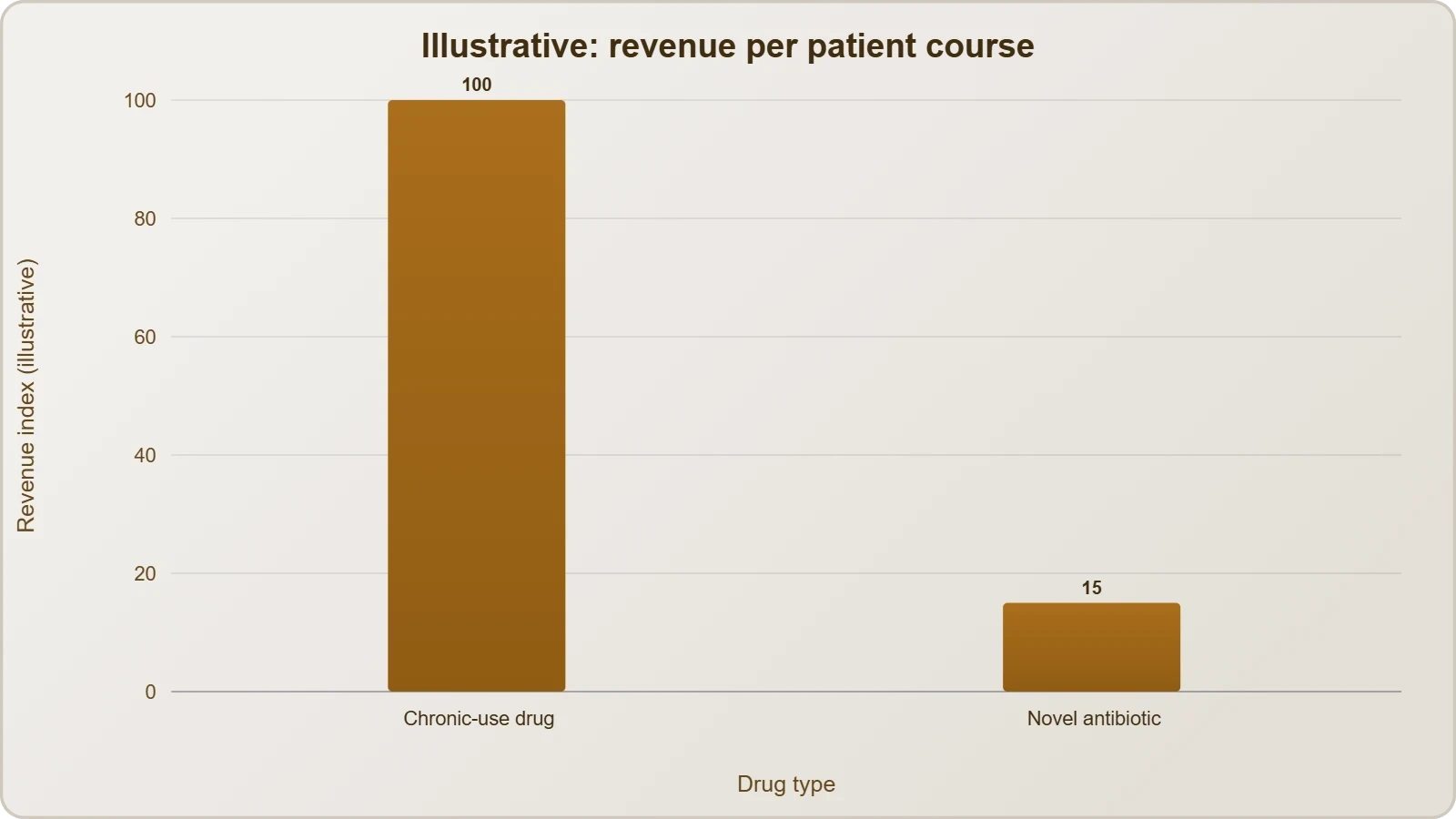
One of the documentary's most important contributions is its examination of why pharmaceutical companies such as GlaxoSmithKline find it difficult to develop new treatments for AMR. The problem is fundamentally economic. Antibiotics are typically prescribed for short courses and must be priced modestly to remain accessible, which limits the revenue a new drug can generate. Meanwhile, the scientific difficulty of discovering genuinely novel antibiotics has increased, and any successful new drug would likely be reserved for last-resort use, further suppressing sales volume.
This creates a paradox: the drugs society most urgently needs are the ones the market is least motivated to produce. Companies face steep research and development costs, high failure rates, and uncertain returns, while shareholders reward predictable revenue streams. The documentary uses this dilemma to explain why the antibiotic pipeline has thinned dramatically in recent decades, leaving clinicians with fewer options precisely when resistance is accelerating. The economics of antibiotics, in short, are misaligned with the public health imperative.
Why the Market Fails Antibiotics
Standard pharmaceutical incentives reward high-volume, chronic-use drugs that generate sustained revenue. Antibiotics fit none of these criteria. A truly novel antibiotic would ideally be used sparingly to preserve its effectiveness, meaning its commercial success is inversely related to its clinical value. This "stewardship paradox" is at the heart of the market failure the documentary describes. Without new incentive structures, such as subscription models or push-and-pull funding mechanisms, companies will continue to exit the field.
The film also notes the scientific dimension: discovering new classes of antibiotics is genuinely hard. Most easily accessible chemical scaffolds have already been exploited, and resistance can emerge quickly even against novel compounds. This combination of economic and scientific barriers explains why major firms have scaled back or abandoned antibiotic research, leaving a gap that smaller biotechs and public-private partnerships are struggling to fill. The documentary treats this as a policy failure rather than an inevitability.
Public-Private Research Partnerships
The documentary highlights research at British universities and hospitals supported by the UK technology company DeepMind, illustrating a different model of progress. Academic and public institutions can pursue research that market incentives discourage, and partnerships with technology firms can accelerate discovery through computational methods. DeepMind's involvement signals the growing role of artificial intelligence in drug discovery, from protein structure prediction to the identification of potential new antibiotic compounds.
These partnerships are not a complete solution, but they demonstrate that the pipeline problem is addressable with the right institutional arrangements. The film's inclusion of academics and advocates who have dedicated their careers to AMR underscores the human capital invested in the fight. It also suggests that the boundary between public health and private innovation is porous, and that progress depends on collaboration across sectors rather than on any single actor.
Technology, AI, and the Research Frontier
The documentary's engagement with DeepMind places AMR within the broader story of computational biology. Artificial intelligence is increasingly used to screen vast chemical libraries for compounds with antibacterial potential, predict resistance mutations, and model how drugs interact with microbial targets. These methods compress timelines that would otherwise take years of laboratory work. The film presents this research as a source of genuine hope, while implicitly acknowledging that technology alone cannot resolve a problem rooted in economics and behavior.
British universities and hospitals serve as the institutional backbone of this research ecosystem. Academic labs can pursue high-risk, high-reward science that industry avoids, and hospital partnerships provide access to clinical samples and real-world data. The documentary's attention to these collaborations reflects a broader shift in biomedical research toward networked, interdisciplinary models. The fight against AMR, the film suggests, will be won or lost in these collaborative spaces as much as in policy chambers.
Artificial Intelligence in Drug Discovery
AI's contribution to antibiotic discovery is real but often overstated. Machine learning models can identify promising molecules from enormous datasets, and DeepMind's protein structure prediction work has implications for understanding bacterial targets. However, identifying a candidate compound is only the first step in a long, expensive path through preclinical testing and clinical trials. The documentary treats AI as an accelerant rather than a panacea, which is a more honest assessment than the breathless coverage the field sometimes receives.
The deeper value of computational approaches may lie in surveillance and diagnostics. AI systems can analyze genomic data to track resistance patterns in real time, helping public health officials respond faster to emerging threats. They can also support clinical decision-making by flagging when an antibiotic is unlikely to work. These applications are less glamorous than drug discovery but potentially more immediately impactful, particularly in resource-limited settings where expert microbiologists are scarce.
From Laboratory to Bedside
Translating research into practice remains the hardest part of the AMR challenge. A promising compound must survive years of testing, regulatory review, and manufacturing scale-up before it reaches patients. The documentary's focus on academics and advocates who have dedicated their careers to this problem highlights the persistence required. It also exposes the gap between scientific promise and clinical reality, a gap that widens when funding is uncertain and commercial incentives are weak.
Bedside implementation depends on infrastructure as much as innovation. A new diagnostic is useless if clinics lack the power or personnel to run it, and a new antibiotic is wasted if stewardship programs cannot ensure appropriate use. The film's return to Africa makes this point vividly: tools from developed countries only save lives when they are adapted to local conditions and supported by local health systems. Technology, in other words, must travel with the capacity to use it.
- 01
- 02
- 03
- 04
Stewardship, Policy, and Global Coordination
Addressing AMR requires action on multiple fronts simultaneously: reducing unnecessary antibiotic use in human medicine and agriculture, investing in new drugs and diagnostics, strengthening surveillance, and improving access in low-resource settings. The documentary's global scope mirrors this multi-pronged approach. No single intervention can reverse the trend, and policies that succeed in one domain can be undermined by failures in another. Coordination, therefore, is not a bureaucratic nicety but a scientific necessity.
International bodies including the World Health Organization have identified AMR as a top-ten global health threat, and many countries have developed national action plans. Yet implementation varies widely, and funding remains inadequate relative to the scale of the problem. The film's implicit policy argument is that voluntary guidance is insufficient without binding commitments, dedicated financing, and accountability mechanisms. The gap between rhetoric and resources is, in many respects, the central obstacle.
Antibiotic Stewardship in Practice
Stewardship programs aim to ensure that antibiotics are prescribed only when necessary and that the right drug is used at the right dose for the right duration. In hospitals, this often involves multidisciplinary teams reviewing prescriptions and providing feedback to clinicians. In outpatient settings, it means educating patients and physicians about the difference between viral and bacterial infections. These interventions are effective but require sustained investment in personnel and data systems.
Agriculture represents an equally important frontier. A substantial share of global antibiotic consumption occurs in livestock, often for growth promotion rather than disease treatment. Restricting agricultural use has proven politically difficult but scientifically necessary, as resistant bacteria from farms can reach humans through food, water, and direct contact. The documentary's focus on human health does not obscure this dimension; rather, it reinforces that stewardship must extend across the entire ecosystem in which antibiotics are used.
Financing the Fight Against AMR
Closing the funding gap requires innovative mechanisms. Push incentives subsidize early-stage research, while pull incentives reward successful development through prizes, advance market commitments, or subscription payments. Several countries have piloted subscription models that pay for access to antibiotics rather than volume, decoupling revenue from sales. These experiments are promising but small in scale relative to the need, and global coordination is required to prevent free-riding.
Financing must also extend to low- and middle-income countries, where the burden is heaviest and resources are thinnest. Without support for surveillance, laboratory capacity, and infection prevention, resistance will continue to spread and undermine gains elsewhere. The documentary's emphasis on local innovation suggests that funding should strengthen existing capabilities rather than impose external models. Effective financing, in short, is as much about governance and equity as it is about money.
What the Documentary Gets Right and What It Leaves Out
"The Drugs Don't Work" succeeds most clearly in humanizing a crisis that is often reduced to modeling exercises and mortality tables. By following health workers and families in sub-Saharan Africa, it makes the consequences of resistance tangible and morally urgent. Its historical treatment of penicillin provides essential context, and its examination of pharmaceutical economics explains why the pipeline has stalled. The film's integration of research from British universities and DeepMind shows that solutions are being pursued, even if they remain insufficient.
Like any documentary, it has limits. The complexity of AMR resists tidy narrative resolution, and the film's hopeful closing may understate the scale of the challenge. It also cannot fully capture the agricultural dimension or the political economy of global health financing. These omissions do not undermine its core argument, but they suggest that viewers should treat the documentary as an entry point rather than a complete account. The crisis demands sustained attention beyond a single film.
Strengths of the Journalistic Approach
The documentary's greatest strength is its refusal to separate science from human experience. By showing how resistance manifests in clinics and households, it avoids the abstraction that often dulls public engagement with global health issues. The film's use of personal stories is disciplined rather than sentimental, grounding epidemiological claims in observable reality. This approach is particularly valuable because AMR is a slow-moving crisis that rarely produces dramatic headlines, making narrative storytelling essential to sustained public attention.
Its geographic framing also deserves credit. Centering the story in Africa rather than in European or American hospitals corrects a common bias in global health reporting, which often treats low-income countries as passive recipients of expertise. The documentary instead presents African health workers and innovators as active agents in the response, a framing that is both more accurate and more respectful. This perspective enriches the global conversation about how to address resistance equitably.
Gaps and Unanswered Questions
The film's treatment of pharmaceutical economics, while insightful, could go further in examining the role of generic manufacturers and the access challenges in low-income markets. It also touches only briefly on the environmental dimensions of antibiotic pollution, which contribute to resistance in waterways and soil. These gaps reflect the constraints of the documentary format rather than any failure of rigor, but they point to areas where viewers may wish to seek additional information.
Perhaps the most significant unanswered question is political: how can global coordination be achieved when national interests and commercial incentives diverge so sharply? The documentary gestures toward international cooperation but does not fully explore the governance mechanisms that would be required. This is a question that policymakers, not filmmakers, must answer, and the film's contribution is to make the need for such answers impossible to ignore.
Why This Story Matters Beyond the Screen
The documentary arrives at a moment when AMR is transitioning from a specialist concern to a mainstream policy priority. The COVID-19 pandemic demonstrated how quickly infectious threats can disrupt societies, and it also accelerated awareness of the fragility of pharmaceutical supply chains and the importance of public health infrastructure. AMR represents a slower but potentially more enduring crisis, one that could erode the foundations of modern medicine if left unaddressed. The film's timing is therefore not incidental but strategic.
For general audiences, the documentary offers an accessible entry point into a complex subject. For policymakers, it provides a reminder that the problem is not hypothetical and that solutions exist but require political will. For health workers in affected regions, it offers recognition of their efforts and a platform for their voices. The film's value lies in connecting these audiences, translating scientific evidence into a narrative that can motivate action across sectors and borders.
The Global Stakes of Inaction
If resistance continues to accelerate, the consequences will extend far beyond infectious disease. Routine surgeries, cancer chemotherapy, and organ transplantation all depend on reliable antibiotics to prevent infection. Without them, modern medicine would retreat toward the pre-antibiotic era, with profound implications for life expectancy and quality of life. The documentary's projection of eight million annual deaths captures only part of the cost, which also includes economic losses, health system strain, and diminished trust in medical institutions.
The stakes are particularly high for vulnerable populations. Infants, the elderly, and immunocompromised patients bear the greatest risk, and low-income countries face the steepest barriers to protection. Inaction would therefore deepen existing inequalities, concentrating suffering where resources are already scarce. The film's focus on sub-Saharan Africa is a reminder that AMR is not a future problem for wealthy nations but a present emergency for the world's most vulnerable communities.
A Call for Coordinated Action
The documentary's closing message is one of qualified hope: coordinated action could save millions of lives. That optimism is grounded in evidence, from successful stewardship programs to promising research partnerships. But it depends on sustained investment, political commitment, and international cooperation. The film does not pretend that solutions are easy, but it insists that they are possible. That combination of realism and resolve is perhaps its most valuable contribution to the public conversation.
For readers, the practical takeaway is to treat AMR as a civic issue rather than a distant scientific curiosity. Responsible antibiotic use, support for public health funding, and attention to global equity are all part of the response. The documentary's title is a warning, but its substance is an invitation to act before the warning becomes a permanent reality. The drugs may not work forever, but collective effort can ensure they work for longer.
From our network :
- Live Online English Classes for Kids: Do They Actually Reduce Anxiety?A ten-week study reveals that synchronous online English classes can significantly reduce child language anxiety while improving listening and reading skills. Discover what makes these programs effective and how parents can select the right one.
- Mobile Learning and VR in English: What Global Evidence Reveals About Effective Language TechnologyA systematic review across 14 countries reveals which language-learning technologies genuinely work. Mobile learning, AI, and VR show measurable benefits when pedagogically integrated. This evidence-based guide helps educators and learners select technology that delivers real return on investment.
- Forbidden Matrix Patterns and Visible Lattice Points: A Geometric DictionaryExplore how multidimensional 0–1 matrices encode geometric truths, linking forbidden patterns to visible lattice points and hypergraph theory, with applications in combinatorics and computational geometry.
- How AI Agents Will Change the Way We Manage Personal FinancesExplore how AI agents are transforming personal finance through automated budgeting, bill payment, and investment management, while examining the critical security protocols and governance frameworks required for safe deployment.
- CISA’s Ten-Advisory Wave: Why Generic Patching Fails in OT and How to Build Product-Specific PlaybooksCISA released ten ICS advisories in one week, exposing critical infrastructure risks. Generic patching fails in OT. Learn to build product-specific remediation playbooks.
- University Language Proficiency Exams: Why Institutional Tests Demand Different Preparation Than IELTS and TOEFLDiscover why university-specific language proficiency examinations differ fundamentally from IELTS and TOEFL, and learn strategic preparation approaches for institutional assessment success.
- The Hidden Cost of AI Convenience: Why Over-Permissioned Agents Are a Security Time BombDiscover why AI agents with excessive permissions create dangerous single points of failure, and learn how implementing least privilege principles can protect your organization from exploitation.
- Committed Mediterranean Precipitation Decline: Why Emissions Cuts Alone Cannot Restore Winter RainsNew NOAA research reveals that Mediterranean winter rains may decline irreversibly even with emissions cuts. Explore the science of committed climate change and regional impacts.
- The Final Descent: How ESA Retired the Legendary Cluster Constellation After 24 Years of Space Weather ScienceAfter 24 years mapping Earth’s magnetosphere, ESA’s Cluster mission concluded with a precisely controlled reentry over the South Pacific. This analysis explores the scientific legacy, engineering decisions, and debris mitigation principles behind one of space exploration’s most responsible retirements.
RESOURCES
- When medicines don't work: eliminating neglected tropical diseases ...theconversation.comOct 8, 2024 ... Resistance to antimicrobial drugs is a major global health challenge, so dealing with neglected tropical diseases is vital.
- If the drugs don't work | Opinion - Chemistry Worldchemistryworld.comSep 4, 2023 ... Yet the rise of resistant bacterial strains caused by overusing and misusing antibiotics mean that a post-antibiotic era is now…
- Antibiotics that fight deadly infections in babies are losing their powernpr.orgNov 7, 2023 ... Williams says that in this setting antimicrobial resistant infections can spread "very quickly." And when the drugs don't work, there's…
- Dr. Brad Spellberg: Antibiotic Resistance Is "Everyone's Fault" - PBSpbs.orgOct 22, 2013 ... When I say “promising,” the drugs have characteristics that made me and the people that I was working with believe…
- DARE's 'just say no' drug education didn't work. Here's what couldnpr.orgNov 9, 2023 ... For years, programs like D.A.R.E. told students to "just say no" to drugs. But research shows that approach alone didn't…
- Drug Abuse Resistance Education - Wikipediaen.wikipedia.org: "California's drug education programs, D.A.R.E. being the largest of them, simply don't work. More than 40 percent of the students told researchers they…
- Dr. Arjun Srinivasan: We've Reached "The End of Antibiotics, Period"pbs.orgOct 22, 2013 ... How does resistance work, and why is it a problem? Bacteria, like ... resistance to methicillin, to these drugs that…
- Exploring the potential for children to act on antimicrobial resistance ...pmc.ncbi.nlm.nih.govExamples in the UK include an educational theatre play 'The drugs don't work' based on educational resources for 15–18 years old students to engage…
- A Life Cut Short When Antibiotics Stopped Working - One Health Trustonehealthtrust.orgSep 24, 2024 ... ... antimicrobial drugs. This phenomenon is known as antimicrobial resistance or AMR. Drug-resistant infections just from bacteria play a role ...
- The Superbug spill: When medicine goes rogue - DW.comdw.comMay 29, 2026 ... Scanning electron micrograph of methicillin-resistant Staphylococcus aureus bacteria (yellow, round objects). Many antibiotics don't work on ...
- Fighting antimicrobial resistance with art - Cardiff Universitycardiff.ac.ukThe ART LAB event and exhibition was held at Chapter Arts Centre as part of the Cardiff Festival of Science 2022. When the drugs…
- #AntimicrobialResistance is one of the biggest global health ...facebook.com4 days ago ... It explains that this condition occurs when medicine stops working for common infections, leading to serious illnesses that can be…
- Drug-resistant bacteria are killing more and more humans. We need ...vox.comJun 6, 2024 ... When people take antibiotics they don't need, the drugs kill many ... Like so many other scientists working on antibiotic…
- Antimicrobial Resistance Threats Reports - CDCcdc.govOct 26, 2026 ... Each AR Threats Report uses the best available data at the time of publication to estimate the impact of drug…
- “We're talking about 39 million deaths by 2050.” As antibiotic ...instagram.com2 days ago ... documentary, The Drugs Don't Work, on Al Jazeera YouTube channel ... Antimicrobial Resistance happens when drugs like antibiotics no longer…
- 01
- 02
- 03
- 04
- 05
- 06
- 07
- 08
0 Comments