
On This Page
The Transformative Power of the National Digital Framework
The introduction of the National Digital Framework represents a monumental shift in India's approach to public health. By prioritizing sexual literacy, the government acknowledges that informed citizens make better choices regarding their overall physical well-being.
This initiative aims to dismantle the long-standing barriers of silence and shame surrounding reproductive health topics. Through digital platforms, millions of Indians can now access verified information that was previously considered taboo or completely inaccessible.
The framework creates a structured pathway for educational content to reach diverse demographics across the entire nation. It leverages the existing Digital India infrastructure to ensure that health literacy becomes a fundamental right for everyone.
Medical professionals and educators are praising this move as a necessary step toward a modern society. By standardizing the quality of information, the Ministry of Health is effectively curbing the spread of dangerous myths.
Ultimately, this policy transition fosters a culture of openness and scientific temper among the youth. It encourages individuals to seek professional help early, preventing long-term health complications that often arise from a lack of knowledge.
Bridging the Information Gap for All
The framework is designed to provide comprehensive resources that cater to various age groups and backgrounds. By offering age-appropriate content, the government ensures that every individual receives the right information at the right time.
Digital accessibility is at the heart of this mission, ensuring that even remote areas have connectivity. This bridge allows rural populations to bypass local prejudices and access high-quality medical guidance from certified national experts.
Teachers and community leaders are being integrated into this digital ecosystem to facilitate better understanding. Their involvement ensures that the digital tools are used effectively and that the information is culturally sensitive yet accurate.
We are seeing a significant reduction in the reliance on unverified internet forums for sensitive health advice. The framework provides a reliable alternative that prioritizes clinical accuracy over sensationalism or profit-driven marketing tactics.
This strategic move is expected to improve the nation's overall health metrics significantly over the next decade. By educating the public, the government is building a resilient foundation for future generations to thrive healthily.
Integrating Science with Digital Health Apps
The Ministry of Health is collaborating with tech developers to embed literacy modules within popular health applications. This integration ensures that wellness education is just a click away for millions of active smartphone users.
Developers must follow strict scientific guidelines to ensure that all content is evidence-based and medically sound. This rigorous vetting process protects consumers from misleading claims and ensures a high standard of digital health education.
Interactive features, such as quizzes and progress trackers, make the learning process engaging and highly effective. These tools help users retain vital information about reproductive health, consent, and personal safety in a modern world.
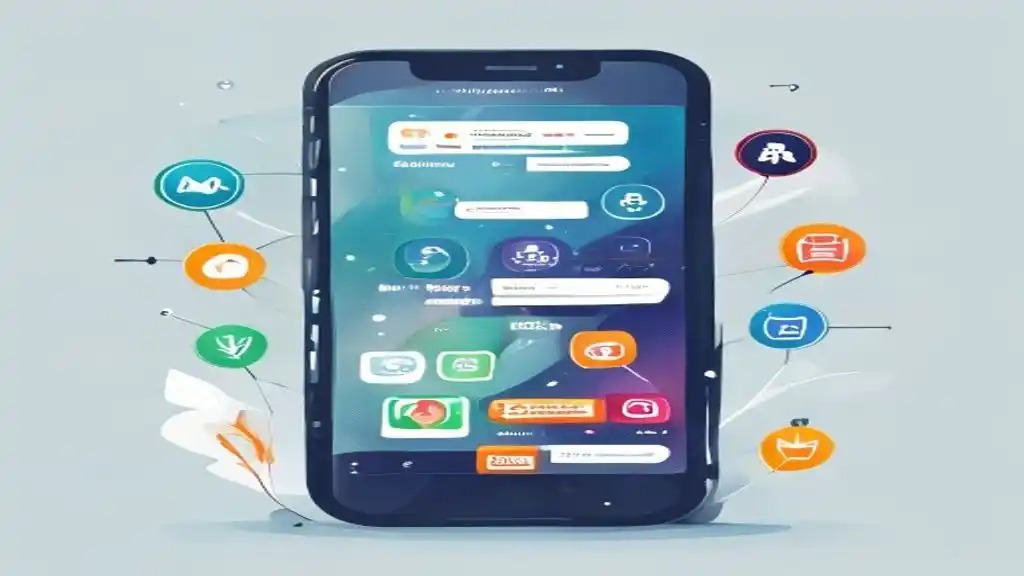
A professional infographic style illustration showing a smartphone screen displaying a health app with icons for reproductive health, a shield for privacy, and a graduation cap for literacy, set against a clean background.
The framework also encourages the use of multimedia content, including videos and infographics, to explain complex topics. This visual approach caters to different learning styles and ensures that the message is understood by everyone.
By merging technology with medical science, India is setting a global benchmark for digital health literacy. This synergy is key to addressing the unique challenges of a large and diverse population like ours.
Redefining Public Perceptions of Intimacy
One of the most profound impacts of this framework is the normalization of conversations around physical intimacy. By treating sexual health as a standard medical topic, the government is reducing the associated social stigma.
This shift encourages couples to seek counseling and medical advice without feeling judged by their peers. It fosters a healthier environment where personal well-being is prioritized over outdated societal norms and restrictive cultural expectations.
Public awareness campaigns are being launched to support the digital framework and reach broader audiences. these campaigns emphasize that sexual health is an integral part of overall happiness and long-term relationship stability for adults.
As perceptions change, we expect to see a more empathetic and informed society emerging across the country. This evolution is crucial for the mental and emotional health of individuals navigating the complexities of relationships.
The framework serves as a catalyst for social change, promoting respect and understanding in every household. It empowers people to take charge of their lives with confidence and a sense of personal responsibility.
Strengthening the Foundation of Reproductive Rights
The digital framework plays a vital role in educating citizens about their reproductive rights and choices. By providing clear information on family planning and maternal health, it empowers women to make informed life decisions.
Access to reliable information is a cornerstone of personal autonomy and gender equality in any modern nation. This initiative ensures that women in both urban and rural areas have the tools to protect themselves.
The government is also focusing on educating men about their roles and responsibilities in reproductive health matters. This inclusive approach is essential for creating a balanced and supportive environment for families to grow healthily.
Legal experts highlight that a well-informed citizenry is better equipped to protect their rights under the law. The framework includes modules on legal protections, ensuring that individuals know where to seek help when needed.
By strengthening this foundation, India is moving toward a future where every citizen enjoys health and dignity. This long-term vision is central to the nation's commitment to sustainable development and universal social welfare.
Privacy, Security, and Rural Empowerment
The National Digital Framework places a heavy emphasis on protecting the personal data of every single user. Recognizing the sensitivity of health information, the government has implemented some of the world's strictest data privacy laws.
Encryption technologies ensure that consultations and search histories remain private and inaccessible to any unauthorized third parties. This security is vital for building trust among users who may otherwise hesitate to seek digital assistance.
Data localization policies ensure that all health information stays within national borders, protected by Indian legal standards. This approach prevents the misuse of sensitive personal data by international entities or unregulated commercial marketing firms.
User consent is the primary requirement for any data sharing between different health service providers and platforms. This empowers individuals to control their own information and decide who can access their private medical records online.
By establishing these robust security measures, the government is creating a safe digital space for health exploration. This trust is the foundation upon which the success of the entire literacy framework will be built.
Data Protection in Sensitive Health Domains
The framework introduces specialized protocols for handling data related to sexual and reproductive health consultations specifically. These protocols go beyond standard health data protections to ensure a higher level of anonymity for all users.
Health service providers must undergo regular audits to ensure compliance with the new national privacy standards. These audits help maintain a high level of integrity and accountability within the digital health service provider ecosystem.
Individuals have the right to delete their data at any time, ensuring total control over their digital footprint. This feature is particularly important for those who wish to keep their health journeys completely private.
The use of anonymous identifiers allows researchers to study public health trends without compromising any individual's personal identity. This balance between privacy and research is essential for improving national health strategies and future policies.
In the event of a data breach, the framework mandates immediate notification and swift remedial action. This transparency ensures that users are always informed and that service providers are held responsible for their security.
Telehealth Innovations for Rural India
Telehealth is a game-changer for rural communities where access to specialized medical care is often very limited. The framework incentivizes the creation of low-bandwidth platforms that work effectively in areas with poor internet connectivity.
Rural citizens can now consult with top specialists from the comfort and privacy of their own homes. This eliminates the need for long-distance travel and reduces the costs associated with seeking professional medical help.
We Also Published
Local health workers are being trained to assist villagers in navigating these new digital telehealth platforms effectively. Their presence acts as a bridge, combining human trust with the efficiency of modern digital health technology.
Mobile clinics equipped with satellite internet are also being deployed to reach the most remote parts of India. These clinics provide a physical touchpoint for the digital framework, ensuring that no one is left behind.
The success of these innovations is measured by the increasing number of rural consultations recorded each month. This data proves that the digital divide is narrowing and that health literacy is reaching every corner.
Multilingual Support for Inclusive Literacy
India's linguistic diversity is a significant challenge that the new digital framework addresses with innovative language solutions. All educational content is being translated into major regional languages to ensure maximum reach and local impact.
Voice-activated tools and audio-visual resources are available for those who may have limited literacy in their native languages. This inclusivity ensures that the benefits of the framework are accessible to all sections of society.
Cultural nuances are carefully considered during the translation process to ensure that the message remains respectful and clear. This sensitivity is key to gaining the trust of diverse communities with varying social and traditional values.
The framework also supports sign language and other accessible formats for individuals with different types of disabilities. This commitment to universal access reflects the government's goal of leaving no citizen behind in this journey.
By speaking to people in their own languages, the framework creates a more personal and effective learning experience. This connection is vital for changing deep-seated behaviors and fostering a culture of proactive health management.
Leveraging AI for Anonymous Consultations
Artificial Intelligence is being used to provide instant, anonymous answers to common health questions through secure digital chatbots. these AI tools offer a judgment-free environment for users to explore their concerns without any social fear.
The AI is trained on verified medical data to ensure that the advice given is accurate and safe. This technology allows for the rapid scaling of literacy efforts, reaching millions of users simultaneously and efficiently.
When complex issues arise, the AI can seamlessly connect users with human professionals for more detailed medical consultations. This hybrid approach ensures that users get the help they need while maintaining their initial sense of privacy.
Machine learning algorithms help identify emerging health trends and information gaps within different regions of the country. This data allows the government to tailor its literacy campaigns to address the specific needs of each population.
The use of AI reduces the burden on the traditional healthcare system by handling routine inquiries and education. This efficiency allows medical professionals to focus their time and energy on more critical and complex cases.
- 01
- 02
- 03
- 04
Economic Impact and Future Outlook
The National Digital Framework is expected to spark a massive surge in the wellness and health-tech sectors. By legitimizing sexual health education, the government is opening up new opportunities for innovation and sustainable business growth.
Investors are increasingly looking at the Indian wellness market as a high-potential area for long-term financial returns. This influx of capital will drive the development of better products and more advanced digital health solutions.
Startups are already creating niche platforms that align with the new government standards to gain market credibility. This competition will lead to better services for consumers and a more vibrant, diverse digital health ecosystem.
The framework also creates new job opportunities for educators, content creators, and technology experts across the country. This economic boost is a welcome byproduct of a policy aimed at improving the nation's public health.
As the sector grows, we can expect to see more collaborations between the government and private industry players. These partnerships will be essential for maintaining the momentum of the digital health literacy movement in India.
Boosting the Wellness E-commerce Sector
The e-commerce market for wellness products is poised for significant growth as consumer confidence continues to increase. With verified information available, buyers can make informed choices about the products they purchase for their personal health.
Brands that prioritize transparency and education will likely see higher customer loyalty and better long-term brand recognition. The framework encourages ethical marketing practices that focus on the genuine well-being of the consumer and society.
Secure payment gateways and discreet delivery options are becoming the standard for the wellness e-commerce industry in India. these features address the privacy concerns of buyers and make the shopping experience more comfortable and safe.
The government is also working on regulations to ensure the quality and safety of wellness products sold online. This regulatory oversight protects consumers from counterfeit goods and ensures that all products meet the required national standards.
The growth of this sector will contribute significantly to the national economy and the overall health of the population. It represents a shift toward a more mature and health-conscious consumer market in the digital age.
Certification Standards for Ed-Tech Platforms
The framework introduces a new certification process for ed-tech platforms that provide health and wellness educational content. This "Gold Standard" ensures that the information provided is accurate, ethical, and aligned with national health goals.
Certified platforms will have access to government health data and resources, giving them a competitive edge in the market. This incentive encourages companies to invest in high-quality content and follow the best industry practices.
Regular reviews and updates of the certification standards will ensure that they remain relevant in a fast-changing world. This dynamic approach allows the framework to adapt to new medical discoveries and evolving technological trends easily.
Consumers can look for the official certification mark to verify the credibility of the digital platforms they use. This transparency builds trust and helps users navigate the vast amount of information available on the internet.
By setting high standards, India is ensuring that its citizens receive only the best and most reliable health education. This focus on quality is what will make the digital literacy framework a true success.
Moving Toward Proactive Wellness Management
The focus of public health is shifting from treating illnesses to proactively managing wellness and preventing future health problems. The digital framework encourages citizens to take an active role in monitoring their own health regularly.
Regular digital check-ups and literacy assessments help individuals stay informed about their health status and any potential risks. This proactive approach leads to earlier detection of issues and more effective treatments for many common conditions.
The formula above represents the Wellness Adoption Rate, which the government aims to increase through this digital framework. By tracking this metric, policymakers can measure the success of their literacy efforts over several coming years.
Lifestyle enhancement is becoming a core part of the conversation around health and wellness in modern Indian society. This shift reflects a more holistic understanding of what it means to lead a healthy and fulfilling life.
The framework provides the tools and knowledge needed for everyone to achieve their personal health goals with confidence. This empowerment is the ultimate objective of India's new digital approach to sexual health and wellness.
India's Leadership in Global Digital Health
By implementing this comprehensive framework, India is positioning itself as a global leader in digital health innovation and literacy. Other nations are looking at India's model as a potential blueprint for their own public health initiatives.
The combination of large-scale digital infrastructure and targeted health education is a powerful tool for social change. India's success in this area demonstrates the potential of technology to solve complex public health challenges effectively.
International collaborations are being formed to share the lessons learned and the best practices from the Indian experience. These partnerships will help improve health literacy and wellness outcomes on a global scale for everyone involved.
The government's commitment to privacy and science-based education is a key factor in the framework's international recognition. It shows that a nation can embrace digital progress while still protecting the rights of its individual citizens.
As we look to the future, India's digital health revolution will continue to evolve and inspire many other countries. This journey is just the beginning of a healthier, more informed, and more connected world for all.
From our network :
- The Final Descent: How ESA Retired the Legendary Cluster Constellation After 24 Years of Space Weather ScienceAfter 24 years mapping Earth’s magnetosphere, ESA’s Cluster mission concluded with a precisely controlled reentry over the South Pacific. This analysis explores the scientific legacy, engineering decisions, and debris mitigation principles behind one of space exploration’s most responsible retirements.
- Former Soap Stars Embark on Ambitious Writing Projects and Theatrical StagesDiscover how former soap opera actors are transitioning into independent scriptwriting and high-profile theatrical stage productions.
- Committed Mediterranean Precipitation Decline: Why Emissions Cuts Alone Cannot Restore Winter RainsNew NOAA research reveals that Mediterranean winter rains may decline irreversibly even with emissions cuts. Explore the science of committed climate change and regional impacts.
- Norbert’s Uncertain Path: Why Hawaii’s Storm Watch Demands Patience Over PanicTropical Storm Norbert strengthens in the Eastern Pacific with winds near 50 mph, forecast to reach Category 1 hurricane status by Friday. Long-range models disagree sharply on whether Hawaii faces any threat around September 19–23, making official guidance essential.
- CISA’s Ten-Advisory Wave: Why Generic Patching Fails in OT and How to Build Product-Specific PlaybooksCISA released ten ICS advisories in one week, exposing critical infrastructure risks. Generic patching fails in OT. Learn to build product-specific remediation playbooks.
- Forbidden Matrix Patterns and Visible Lattice Points: A Geometric DictionaryExplore how multidimensional 0–1 matrices encode geometric truths, linking forbidden patterns to visible lattice points and hypergraph theory, with applications in combinatorics and computational geometry.
- How AI Agents Will Change the Way We Manage Personal FinancesExplore how AI agents are transforming personal finance through automated budgeting, bill payment, and investment management, while examining the critical security protocols and governance frameworks required for safe deployment.
- Analyzing Hoya Corporation’s Midday Volume Shifts and Financial FundamentalsExamine Hoya Corporation’s midday trading volume contraction, technical moving averages, robust solvency ratios, and stellar quarterly earnings performance.
- The Hidden Cost of AI Convenience: Why Over-Permissioned Agents Are a Security Time BombDiscover why AI agents with excessive permissions create dangerous single points of failure, and learn how implementing least privilege principles can protect your organization from exploitation.
RESOURCES
- Comprehensive Sexuality Education in The Indian Context - PMCpmc.ncbi.nlm.nih.govWe have an RMNCH+A program (Reproductive, Maternal, Newborn, Child, and Adolescent Health) managed by the National Health Mission, which provides out-of-school ...
- Effectiveness of family-centred sexual health education and HPV ...pubmed.ncbi.nlm.nih.govEffectiveness of family-centred sexual health education and HPV self-sampling in promoting cervical cancer screening among hard-to-reach indian women in rural ...
- Beyond Controversies: Sexuality Education for Adolescents in Indiapmc.ncbi.nlm.nih.govSexuality education for adolescents is one of the most controversial topics in the field of child health. In the past decade, policymakers in India…
- Effectiveness of a reproductive sexual health education package ...pubmed.ncbi.nlm.nih.govEffectiveness of a reproductive sexual health education package among school going adolescents. Indian J Pediatr. 2012 Jan:79 Suppl 1:S64-8. doi: 10.1007 ...
- Sexual health and safety of adolescents with intellectual disabilityjournals.sagepub.comOct 27, 2022 ... Sexual health education among adolescents with intellectual ... sexual minorities in India. Open Journal of Social Sciences 3(08): 128 ...
- Addressing Challenges of Physiological Changes among Adolescentsjstor.orgReproductive and Sexual Health Education: Addressing. Challenges of ... The Government of. India has implemented many programmes focussing on their education, ...
- Adolescent health - World Health Organization (WHO)who.int... Health and Nutrition (MNCAHN). Spotlight. Young people participate in a sexuality education session, India. Six actions to improve adolescent health. Related ...
- a cluster randomized trial | Reproductive Health | Springer Nature Linklink.springer.comJul 19, 2023 ... The current study assessed the effectiveness of SRH education among adolescent girls in urban areas of Odisha, India. Methods. The…
- Effectiveness of family-centred sexual health education and HPV ...link.springer.comApr 11, 2023 ... Our study “Prevention of Cervical Cancer in India through Self-Sampling” (PCCIS) aimed to increase the uptake of cervical cancer screening…
- Adding It Up: Investing in the Sexual and Reproductive Health of ...guttmacher.orgMar 31, 2021 ... 12. Basavaraj S and Chakraverty I, Comprehensive sexuality education: the way forward, Country Advocacy Brief: India, New Delhi: YP Foundation ...
- Survey study on self-perceived knowledge and gaps in sexual ...bmjpublichealth.bmj.comIntroduction Access to comprehensive sexual health education (SHE) is limited in India's urban slum communities, where socio-structural barriers restrict ...
- 01
- 02
- 03
- 04
- 05
- 06
- 07
- 08
0 Comments