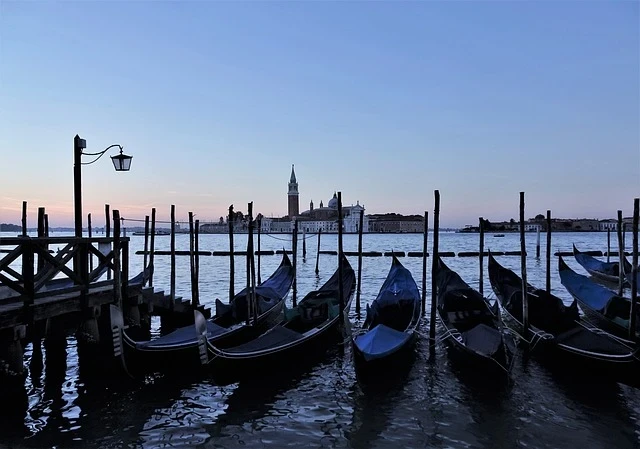
Europe's summer travel landscape has transformed dramatically over the past decade, with record-breaking heat waves now rewriting the rules of traditional vacation planning. The romantic vision of basking in Mediterranean sunshine has given way to a more pragmatic reality where temperatures routinely exceed 40°C in cities like Rome, Athens, and Seville.
This shift demands a fundamental reconsideration of how travelers approach their European adventures during the peak season.
Climate scientists have documented a troubling trend: European summers are becoming progressively hotter, with 2023 and 2024 marking some of the warmest periods ever recorded on the continent.
On This Page
The implications for tourism are profound, affecting everything from daily itineraries to accommodation choices and even the viability of certain destinations during July and August.
Travelers who once flocked to southern Europe for guaranteed sunshine now find themselves navigating extreme heat warnings and seeking creative solutions to stay comfortable.
The modern European traveler must become a strategic planner, armed with knowledge about microclimates, indoor attractions, and the optimal times for outdoor exploration. This comprehensive guide offers an adaptable framework for managing heat extremes while still experiencing the cultural richness and natural beauty that make Europe an enduring travel destination.
From architectural innovations to scheduling wisdom, these strategies will transform how you approach summer travel in a warming world.
TL;DR Europe's escalating summer temperatures demand a complete overhaul of traditional travel strategies. This guide provides a comprehensive framework covering destination selection, timing optimization, accommodation choices, and daily scheduling to help travelers navigate increasingly extreme heat. Key strategies include embracing northern alternatives, utilizing early morning and evening hours for outdoor activities, prioritizing air-conditioned cultural venues, and adapting to the continent's evolving climate reality.
Understanding Europe's New Climate Reality
The Mediterranean basin has become a climate change hotspot, warming approximately 20% faster than the global average. This accelerated warming transforms once-pleasant summer destinations into zones of extreme heat that challenge even the most heat-tolerant travelers. Southern European countries now regularly experience temperatures that were once considered exceptional anomalies.
Tourism boards and local governments are scrambling to adapt their infrastructure and messaging to address this new reality. Cities like Barcelona and Rome have implemented heat action plans, including expanded shade structures and public cooling centers. These adaptations signal a permanent shift in how European destinations must operate during summer months.
The economic implications extend beyond traveler comfort, affecting local businesses, agricultural practices, and energy consumption patterns. Understanding these broader impacts helps travelers make informed decisions that align with both their comfort needs and responsible tourism principles.
Climate Data and Temperature Trends
European heat waves have increased in frequency, intensity, and duration over the past two decades. The Copernicus Climate Change Service reports that Europe experienced its hottest summer on record in 2022, with temperatures exceeding historical averages by significant margins. These patterns show no signs of reversing in the coming years.
Southern European destinations face the most severe impacts, with countries like Spain, Italy, and Greece experiencing prolonged periods above 40°C. Even traditionally moderate regions like France and Germany now experience heat waves that were previously unimaginable. The geographic scope of extreme heat continues to expand northward each year.
Nighttime temperatures provide little relief, as urban heat island effects keep cities warmer than surrounding rural areas. This phenomenon makes sleeping difficult without air conditioning and increases the health risks associated with prolonged heat exposure. Travelers must account for these conditions when selecting accommodations.
Climate models project continued warming through 2050, suggesting that current heat challenges represent only the beginning of a larger trend. Forward-thinking travelers should plan for progressively hotter summers and develop flexible strategies that can adapt to changing conditions.
Health Risks and Heat Safety Protocols
Heat exhaustion and heatstroke pose genuine threats to travelers unaccustomed to extreme temperatures. Symptoms including dizziness, nausea, and confusion can escalate rapidly, particularly among older adults and those with underlying health conditions. Recognizing these warning signs early is essential for preventing serious medical emergencies.
Hydration strategies must go beyond simply drinking water, incorporating electrolyte replacement and avoiding dehydrating beverages like alcohol and excessive caffeine. Travelers should establish hydration routines that begin before departure and continue throughout their journey. Carrying reusable water bottles and knowing where to refill them becomes a daily priority.
Sun protection requires a multi-layered approach combining high-SPF sunscreen, protective clothing, wide-brimmed hats, and quality sunglasses. The Mediterranean sun's intensity demands more rigorous protection than many travelers initially assume. Reapplying sunscreen every two hours, especially after swimming or sweating, is non-negotiable.
Understanding personal heat tolerance and respecting physical limits prevents dangerous situations. Travelers should build rest periods into their schedules and avoid pushing through fatigue or discomfort. Listening to your body's signals and adjusting plans accordingly represents the most important safety protocol of all.
Strategic Destination Selection for Heat Resilience
Choosing the right destination fundamentally determines your ability to enjoy a European summer vacation. Northern European countries including Denmark, Sweden, and Norway offer significantly milder summer temperatures while still providing rich cultural experiences. These alternatives deserve serious consideration from heat-sensitive travelers.
Mountain destinations provide another excellent option, with alpine regions in Switzerland, Austria, and northern Italy offering cooler temperatures at higher elevations. These areas combine natural beauty with outdoor activities that remain comfortable even during peak summer weeks. The Swiss Alps and Dolomites present particularly attractive alternatives to sweltering coastal cities.
Coastal destinations with consistent sea breezes can offer relief, though humidity levels may offset temperature advantages. The Atlantic coasts of Portugal and northern Spain maintain more moderate conditions than Mediterranean shores. Researching microclimates within regions reveals significant temperature variations that savvy travelers can exploit.
Northern Escapes and Alpine Alternatives
Scandinavian capitals like Copenhagen, Stockholm, and Oslo provide sophisticated urban experiences with average summer highs around 20-22°C. These cities combine world-class museums, innovative cuisine, and beautiful waterfront settings without the oppressive heat of southern Europe. The midnight sun phenomenon extends daylight hours for maximum exploration time.
Iceland has emerged as a premier summer destination, offering dramatic landscapes and geothermal wonders with temperatures rarely exceeding 15°C. The island's unique geology creates natural hot springs that provide warmth without the discomfort of summer heat. Reykjavik serves as an excellent base for exploring this otherworldly destination.
Alpine regions throughout Switzerland, Austria, and France provide mountain villages with comfortable daytime temperatures and cool evenings. Hiking trails, crystal-clear lakes, and charming towns offer diverse activities that remain enjoyable throughout summer. The Jungfrau region and Tyrolean valleys exemplify the best of alpine summer travel.
Eastern European destinations like Poland, Czech Republic, and Baltic states offer cultural richness with more moderate temperatures than their southern counterparts. Cities such as Krakow, Prague, and Tallinn provide architectural wonders and vibrant local cultures without extreme heat challenges. These destinations remain relatively undiscovered by mass tourism.
Urban Heat Island Considerations
Major European cities amplify heat through urban heat island effects, with temperatures often 5-8°C higher than surrounding rural areas. Dense building materials, limited green space, and vehicle emissions all contribute to this phenomenon. Travelers should factor these conditions into their city break planning.
Some cities have implemented innovative cooling strategies, including green roofs, urban forests, and water features that create cooler microclimates. Paris has pioneered urban cooling initiatives, while Vienna maintains extensive green spaces throughout the city. Researching these features helps travelers select neighborhoods with better heat management.
Accommodation location significantly impacts comfort during heat waves, with properties near parks or water bodies offering natural cooling benefits. Ground-floor rooms and those with northern exposure remain cooler than upper floors facing south or west. These architectural considerations become crucial during extreme heat events.
City planning increasingly incorporates climate adaptation measures, creating more resilient urban environments. Travelers supporting destinations with strong sustainability initiatives contribute to positive change while enjoying improved comfort. This alignment of personal comfort with environmental responsibility represents the future of European travel.
Optimizing Travel Timing and Scheduling
The timing of your European journey dramatically affects your experience of summer heat. Shoulder seasons of May-June and September-October offer significantly more comfortable conditions while maintaining good weather and manageable crowds. These periods provide the ideal balance between pleasant temperatures and operational tourism infrastructure.
Within the summer season itself, strategic scheduling minimizes heat exposure while maximizing enjoyment. Early morning hours between 7-11 AM provide optimal conditions for outdoor activities and sightseeing. The golden hours of early evening offer another window for comfortable exploration before sunset.
Midday hours between 12-4 PM present the greatest heat challenges, requiring indoor activities or rest periods. Planning your daily rhythm around these temperature patterns transforms your ability to enjoy European destinations. This siesta-style approach aligns with local customs in many Mediterranean countries.
Shoulder Season Advantages
May and June offer pleasant temperatures across most of Europe, with southern destinations still manageable before peak heat arrives. Mediterranean beaches become enjoyable without the intense sun of July and August. Spring wildflowers and lush landscapes add visual appeal to these transitional months.
September and October provide similar advantages, with summer crowds dissipating and temperatures moderating from August peaks. The Mediterranean Sea retains warmth from summer months, making swimming still enjoyable. Harvest season brings culinary festivals and wine tours that showcase regional traditions.
Shoulder season travel also offers practical advantages including lower prices and greater accommodation availability. Popular attractions become more accessible with reduced queues and less crowded conditions. This combination of comfort, value, and experience quality makes shoulder seasons the optimal choice for many travelers.
Businesses in tourist-dependent regions increasingly extend their operating seasons to accommodate shoulder season visitors. This trend creates more vibrant local experiences beyond traditional summer months. Travelers supporting this extension contribute to more sustainable tourism economies.
Daily Scheduling Strategies
Structuring your day around temperature patterns allows maximum enjoyment with minimum discomfort. Early morning excursions to outdoor attractions like the Colosseum or Acropolis provide optimal conditions before heat intensifies. These iconic sites become far more enjoyable with fewer crowds and cooler temperatures.
Midday hours should focus on indoor activities including museums, galleries, and historic churches that offer natural coolness. Many European cities have world-class museums that provide cultural enrichment while offering air-conditioned respite. Planning these visits during peak heat hours creates an efficient and comfortable itinerary.
Late afternoon and evening hours allow for outdoor dining, walking tours, and open-air performances that become magical as temperatures moderate. European cities come alive in the evening, with locals and travelers alike enjoying the cooler conditions. This pattern aligns with Mediterranean cultural rhythms and enhances authentic experiences.
Flexibility remains essential, as heat waves can disrupt even the best-planned schedules. Building buffer time into itineraries allows adjustments when temperatures exceed forecasts. Travelers who maintain adaptable plans navigate unexpected heat events with greater ease and less stress.
Accommodation and Infrastructure Strategies
Selecting appropriate accommodation becomes a critical heat management strategy during European summers. Air conditioning has transformed from luxury to necessity in many destinations, particularly for travelers unaccustomed to extreme heat. Verifying cooling systems before booking prevents uncomfortable surprises upon arrival.
Property characteristics significantly influence indoor temperatures, with factors like building orientation, insulation, and window treatments playing crucial roles. Traditional stone buildings often maintain cooler interiors than modern glass structures. Researching these architectural features helps travelers select more comfortable accommodations.
Location within cities affects both temperature and access to cooling resources. Properties near parks, water features, or coastal areas benefit from natural cooling effects. Proximity to metro systems and indoor attractions provides convenient escape routes during peak heat hours.
Choosing Heat-Ready Accommodations
Modern hotels with central air conditioning provide reliable cooling, though quality varies significantly between properties. Reading recent reviews specifically mentioning air conditioning performance offers valuable insights. Contacting properties directly to verify cooling systems prevents misunderstandings and ensures comfort.
Apartment rentals require careful evaluation of cooling capabilities, as many European apartments lack air conditioning. Ceiling fans, portable units, and natural ventilation strategies may provide adequate cooling in moderate climates. Travelers should assess these factors based on their personal heat tolerance and destination conditions.
Some properties offer specialized heat management features including blackout curtains, thermal insulation, and smart climate control systems. These features maintain comfortable indoor temperatures while potentially reducing energy consumption. Environmentally conscious travelers may prioritize properties with sustainable cooling solutions.
Swimming pools and nearby beaches provide valuable cooling opportunities, though they don't address nighttime comfort. Consider both daytime recreation and nighttime sleeping conditions when evaluating properties. This comprehensive assessment ensures comfort throughout the entire day.
Leveraging Public Infrastructure
European cities increasingly provide public cooling infrastructure including air-conditioned museums, libraries, and shopping centers. These spaces offer free or low-cost refuge during extreme heat events. Familiarizing yourself with these resources before arrival creates a safety net for unexpected heat waves.
Public transportation systems, particularly metros, maintain cooler temperatures than street level and provide efficient movement between attractions. Major cities including Paris, London, and Madrid have extensive underground networks that double as cooling corridors. Strategic use of these systems reduces heat exposure while enabling comprehensive exploration.
Urban green spaces and water features create natural cooling zones within cities, offering pleasant environments for rest and relaxation. Parks like London's Hyde Park and Berlin's Tiergarten provide shaded retreats from urban heat. These spaces enhance both comfort and enjoyment of European cities.
Many cities have implemented heat action plans that include public awareness campaigns and emergency cooling centers. Understanding these local resources helps travelers respond effectively to extreme heat warnings. This knowledge transforms potentially dangerous situations into manageable challenges.
We Also Published
- 01
- 02
- 03
- 04
Packing and Personal Preparation
Strategic packing significantly enhances comfort and safety during European summer travel in extreme heat. Lightweight, breathable fabrics like linen, cotton, and technical materials wick moisture and allow air circulation. These clothing choices make substantial differences in perceived temperature and overall comfort.
Layering strategies provide flexibility for varying temperatures between air-conditioned interiors and outdoor heat. Light layers that can be easily removed or added accommodate transitions throughout the day. This approach ensures comfort in both museums and sun-exposed plazas.
Essential heat management items include high-SPF sunscreen, quality sunglasses, wide-brimmed hats, and reusable water bottles. Portable fans, cooling towels, and electrolyte supplements provide additional comfort options. These items prove invaluable during unexpected heat waves or extended outdoor exposure.
Clothing and Fabric Selection
Natural fibers like linen and cotton breathe better than synthetic materials, allowing heat to escape and moisture to evaporate. These fabrics keep skin cooler and drier during extended outdoor periods. Choosing light colors that reflect rather than absorb sunlight provides additional temperature benefits.
Technical fabrics designed for athletic wear offer moisture-wicking properties that keep skin dry and comfortable. These materials dry quickly after washing, enabling lighter packing loads. Many travel-specific clothing lines combine sun protection with breathability for optimal performance.
Proper footwear becomes crucial during summer heat, with breathable shoes preventing excessive sweating and discomfort. Sandals and lightweight sneakers provide ventilation while supporting extended walking. Avoiding heavy boots and non-breathable materials prevents foot problems during long exploration days.
Sun protection clothing with UPF ratings offers additional defense against harmful UV radiation. These garments provide consistent protection without requiring frequent sunscreen reapplication. Combining UPF clothing with traditional sun protection creates comprehensive defense against sun damage.
Essential Heat Management Gear
Modern cooling accessories provide effective relief during extreme heat exposure. Neck fans, cooling towels, and portable misting devices offer immediate temperature reduction. These items prove particularly valuable during outdoor sightseeing in southern European destinations.
Hydration systems including insulated water bottles and hydration packs maintain water temperature and encourage regular drinking. Many European cities have public water fountains providing free, safe drinking water. Knowing these locations reduces both cost and environmental impact of bottled water purchases.
Personal care items including electrolyte tablets, lip balm with SPF, and after-sun lotion address heat-related discomfort. These products help maintain hydration balance and soothe sun-exposed skin. Including these items in daily carry bags ensures immediate access when needed.
Technology including portable chargers and weather apps helps travelers stay informed and connected during heat events. Real-time temperature and heat warning notifications enable proactive schedule adjustments. These digital tools enhance safety and comfort throughout the journey.
Adapting Activities and Cultural Experiences
European summer travel requires reimagining traditional sightseeing approaches to accommodate extreme heat. Iconic attractions can still be experienced through strategic timing and alternative perspectives. This adaptation preserves the essence of European travel while ensuring comfort and safety.
Indoor cultural venues including museums, galleries, and historic buildings offer rich experiences while providing air-conditioned comfort. Many of Europe's greatest artistic treasures reside in climate-controlled environments. These venues become natural midday destinations during peak heat hours.
Water-based activities provide natural cooling while showcasing European landscapes from unique perspectives. Canal cruises, coastal boat tours, and lake swimming offer refreshing alternatives to land-based sightseeing. These experiences combine comfort with memorable travel moments.
Indoor Cultural Alternatives
World-class museums across Europe offer extensive collections that can occupy entire days in climate-controlled comfort. The Louvre, British Museum, and Vatican Museums provide cultural enrichment while sheltering visitors from extreme heat. Advance booking ensures entry without extended outdoor queueing.
Historic churches and cathedrals maintain naturally cool interiors through thick stone construction and limited artificial lighting. These architectural marvels offer both spiritual contemplation and physical relief from summer heat. Many feature remarkable art and history worth exploring in depth.
Underground attractions including catacombs, caves, and wine cellars maintain constant cool temperatures regardless of surface conditions. Paris catacombs, Cappadocia's underground cities, and Hungarian wine cellars offer fascinating explorations. These unique experiences combine adventure with natural climate control.
Modern cultural centers and libraries provide comfortable environments for learning about local culture and history. Many offer exhibitions, reading rooms, and cafes ideal for midday breaks. These spaces allow travelers to rest while gaining deeper understanding of their destinations.
Water-Based and Evening Activities
Coastal destinations offer swimming, snorkeling, and water sports that provide natural cooling during hot afternoons. Mediterranean beaches, Adriatic coves, and Atlantic shores provide diverse aquatic experiences. These activities combine recreation with effective heat management.
Evening cultural experiences including concerts, theater performances, and outdoor films become magical as temperatures moderate. Many European cities offer extensive evening programming during summer months. These events showcase local culture while providing comfortable outdoor experiences.
Nighttime sightseeing tours reveal European cities in a different light, with illuminated monuments and cooler temperatures. Many iconic sites offer evening access or special night tours. These experiences avoid heat while providing unique photographic opportunities.
Dining culture in Mediterranean countries naturally adapts to heat, with meals shifting to later hours. Evening dining on terraces and in courtyards provides enjoyable culinary experiences in comfortable conditions. Embracing these local rhythms enhances both comfort and cultural authenticity.
Embracing the Future of European Summer Travel
The transformation of European summers presents both challenges and opportunities for travelers willing to adapt. Those who embrace flexible strategies and alternative destinations discover rewarding experiences beyond traditional summer tourism. This evolution in travel approach reflects broader societal adaptation to climate change.
Responsible travel practices become increasingly important as destinations manage heat-related pressures on infrastructure and natural resources. Supporting sustainable tourism initiatives helps preserve European destinations for future generations. Travelers who adapt thoughtfully contribute to positive outcomes for both local communities and the environment.
The future of European summer travel lies in intelligent adaptation rather than avoidance. By understanding climate patterns, selecting appropriate destinations, and scheduling activities strategically, travelers continue enjoying Europe's wonders. This framework transforms potential discomfort into opportunities for unique and meaningful experiences.
Building Long-Term Travel Resilience
Developing personal heat resilience through gradual exposure and physical preparation enhances travel comfort. Regular exercise, proper hydration habits, and heat acclimatization strategies prepare bodies for challenging conditions. These preparations reduce health risks and increase enjoyment during summer travel.
Building knowledge about climate patterns and destination conditions enables proactive planning rather than reactive responses. Monitoring weather forecasts and heat warnings before and during travel allows timely schedule adjustments. This informed approach transforms potential disruptions into manageable situations.
Creating flexible itineraries with built-in alternatives provides resilience against unexpected heat events. Having backup indoor activities and alternative destinations ready enables seamless plan adjustments. This flexibility reduces stress and maintains travel enjoyment despite changing conditions.
Sharing experiences and strategies with other travelers builds collective knowledge about navigating European summers. Online communities and travel forums provide valuable insights from those who have faced similar challenges. This shared wisdom enhances everyone's ability to travel comfortably in a warming world.
Supporting Sustainable Tourism Development
Destinations across Europe are investing in climate adaptation infrastructure that benefits both residents and visitors. These investments include cooling centers, improved public transportation, and enhanced green spaces. Supporting these initiatives through tourism spending encourages continued development of heat-resilient infrastructure.
Travelers can contribute to sustainable tourism by choosing accommodations and activities that prioritize environmental responsibility. Properties with energy-efficient cooling systems and sustainable practices deserve preference. This consumer choice drives industry adaptation toward more climate-resilient operations.
Engaging with local communities and businesses helps distribute tourism benefits while supporting adaptation efforts. Choosing locally-owned accommodations, restaurants, and tour operators ensures tourism revenue supports destination resilience. This approach creates more authentic experiences while contributing to sustainable development.
Advocating for responsible tourism policies and practices amplifies positive impacts beyond individual travel choices. Sharing experiences and encouraging others to adopt heat-adapted travel strategies creates broader awareness. This collective action supports European destinations in navigating climate challenges while maintaining their appeal.
European summer travel in an era of climate change demands intelligence, flexibility, and preparation. The strategies outlined in this guide provide a comprehensive framework for navigating increasingly hot summers while preserving the joy of European exploration. By embracing these adaptations, travelers transform potential climate challenges into opportunities for unique experiences.
The most successful travelers will be those who view climate adaptation not as limitation but as evolution. New destinations, different schedules, and innovative approaches reveal aspects of Europe that traditional summer tourism overlooks. This perspective opens doors to richer, more meaningful travel experiences.
As Europe continues warming, travel strategies must continue evolving alongside changing conditions. Staying informed about climate trends and destination developments enables continuous refinement of travel approaches. This ongoing adaptation ensures European travel remains accessible and enjoyable for generations to come.
From our network :
- Forbidden Matrix Patterns and Visible Lattice Points: A Geometric DictionaryExplore how multidimensional 0–1 matrices encode geometric truths, linking forbidden patterns to visible lattice points and hypergraph theory, with applications in combinatorics and computational geometry.
- Committed Mediterranean Precipitation Decline: Why Emissions Cuts Alone Cannot Restore Winter RainsNew NOAA research reveals that Mediterranean winter rains may decline irreversibly even with emissions cuts. Explore the science of committed climate change and regional impacts.
- How AI Agents Will Change the Way We Manage Personal FinancesExplore how AI agents are transforming personal finance through automated budgeting, bill payment, and investment management, while examining the critical security protocols and governance frameworks required for safe deployment.
- The Hidden Cost of AI Convenience: Why Over-Permissioned Agents Are a Security Time BombDiscover why AI agents with excessive permissions create dangerous single points of failure, and learn how implementing least privilege principles can protect your organization from exploitation.
- Former Soap Stars Embark on Ambitious Writing Projects and Theatrical StagesDiscover how former soap opera actors are transitioning into independent scriptwriting and high-profile theatrical stage productions.
- CISA’s Ten-Advisory Wave: Why Generic Patching Fails in OT and How to Build Product-Specific PlaybooksCISA released ten ICS advisories in one week, exposing critical infrastructure risks. Generic patching fails in OT. Learn to build product-specific remediation playbooks.
- Norbert’s Uncertain Path: Why Hawaii’s Storm Watch Demands Patience Over PanicTropical Storm Norbert strengthens in the Eastern Pacific with winds near 50 mph, forecast to reach Category 1 hurricane status by Friday. Long-range models disagree sharply on whether Hawaii faces any threat around September 19–23, making official guidance essential.
- The Final Descent: How ESA Retired the Legendary Cluster Constellation After 24 Years of Space Weather ScienceAfter 24 years mapping Earth’s magnetosphere, ESA’s Cluster mission concluded with a precisely controlled reentry over the South Pacific. This analysis explores the scientific legacy, engineering decisions, and debris mitigation principles behind one of space exploration’s most responsible retirements.
- Analyzing Hoya Corporation’s Midday Volume Shifts and Financial FundamentalsExamine Hoya Corporation’s midday trading volume contraction, technical moving averages, robust solvency ratios, and stellar quarterly earnings performance.
RESOURCES
- Homepage | European Centre for Disease Prevention and Controlecdc.europa.euWorld Mosquito Day 2026. ECDC is calling for Europe to improve preparedness and control efforts as the risk of mosquito-borne diseases increases in the ...
- Strategies for heatwave-health preparedness should concentrate on ...facebook.comJun 25, 2026 ... As many as 61,000 people may have died in Europe during heatwaves last summer, with a repetition feared this season.…
- Extreme weather: floods, droughts and heatwaves | In-depth topicseea.europa.euJun 21, 2026 ... In southern Europe, annual precipitation and summer rainfall are ... The impacts of heat on health: surveillance and preparedness in…
- The impacts of heat on health: surveillance and preparedness in ...preventionweb.netNov 28, 2024 ... In recent years, Europe has experienced record-breaking summer ... strategies according to the European Climate and Health Observatory (2022a).
- Travelling to a country with hot climate in the summer, anyway to get ...reddit.comFeb 15, 2023 ... I'm southeast Asian but summer in Seoul was still brutal to me Dry heat is so different from humid heat.…
- This World Cup is uniquely challenging: it's not the heat, the altitude ...nytimes.comJun 7, 2026 ... ... summer and the strategies they will use to deal with them. ... It's all about planning travel, heat strategies,…
- WMO: Prepare for El Niñowmo.intJun 2, 2026 ... Impacts will hit even harder, travel even farther, and cross borders with devastating speed. ... heat that is contributing to…
- Federal Government Releases National Near-Earth Object ... - NASAnasa.govJun 20, 2018 ... The National Near-Earth Object Preparedness Strategy and Action Plan is available at: ... Europe's Scorching Summer. A series of heat…
- Ukraine's heating system resilience offers lessons for European ...atlanticcouncil.orgApr 2, 2026 ... Meanwhile, the Preparedness Union Strategy sets out thirty actions for crisis resilience across the EU. However, there is currently no ...
- EU deploys largest ever wildfire response for 2026 summercivil-protection-humanitarian-aid.ec.europa.euJun 2, 2026 ... ... preparedness and response capacities, across Europe and the South Mediterranean region. ... strategic stockpiles of essential supplies.
- 61,000 Europeans may have died in last summer's heat waves ...nbcnews.comJul 10, 2023 ... ... heat preparedness efforts are falling fatally short ... But researchers said last year's high death toll suggests these strategies…
- Preparing athletes to face the heat of a warming world - ScienceDirectsciencedirect.com... heat mitigation strategies for athletes ... Janssen, et al. Heat preparedness and exertional heat illness in Paralympic athletes: a Tokyo 2020 survey.
- Planning for a warmer world - World Health Organization (WHO)who.intJul 16, 2026 ... This summer's toll is still being counted but, already, data from just 5 countries shows nearly 10 000 excess deaths…
- In the Age of Trump, Are Americans Still Welcome in Europe?blog.ricksteves.comMar 5, 2025 ... If you're an American traveling to Europe soon, you may be wondering: As Donald Trump reshapes the USA's role in…
- Deciphering the impact of heat wave in the global surge of infectious ...sciencedirect.comIn Europe, over 70,000 additional deaths have been attributed to heat waves alone in 2022. This extreme climatic event has the implication to health…
- 01
- 02
- 03
- 04
- 05
- 06
- 07
- 08
0 Comments