On This Page
The Evolution of Matchmaking in 2026 India
As we enter May 2026, the traditional dating landscape in India has shifted significantly toward high-intent interactions. Young professionals are now prioritizing long-term compatibility over the transient excitement of casual swiping and superficial digital connections.
The urban youth in cities like Mumbai and Bengaluru are leading this charge. They demand more substance from their digital interactions, seeking partners who share their professional drive, financial goals, and fundamental life philosophies.
This shift represents a "saturation of choice" where endless options led to decision paralysis. By narrowing the field through rigorous vetting, individuals are reclaiming their time and emotional energy for more meaningful romantic pursuits.
Modern matchmaking platforms have responded by integrating professional networking features. These tools allow users to verify employment history, educational background, and even credit scores, bringing a level of corporate due diligence to the romantic sphere.
The result is a hybrid model that blends the autonomy of modern dating with the structure of traditional matchmaking. It is a calculated approach to love that resonates deeply with a generation raised on data.
The Death of Casual Swiping
The era of mindless swiping is officially coming to an end in 2026. Users have become weary of the "ghosting" culture and the lack of accountability that once defined major dating applications across India.
Instead, a new wave of "intent-first" platforms has emerged to fill the void. These services require detailed onboarding processes that discourage casual users and attract those genuinely looking for life partners and marital stability.
The psychological toll of superficial dating has pushed many toward these structured environments. There is a growing realization that emotional investment requires a foundation of shared facts and verified personal histories to be sustainable.
Market sentiment remains bullish for these niche platforms as they report higher engagement rates. Investors are pouring capital into technologies that facilitate deep vetting, recognizing that the future of romance lies in verified intentionality.
For the average user, this means fewer matches but higher quality connections. The focus has moved from the quantity of interactions to the probability of a successful, long-term union between two well-matched individuals.
Professionalizing the Search for Love
Matchmaking in 2026 has taken on the characteristics of a high-level executive search. Individuals often hire "relationship consultants" who act like headhunters, scouting potential partners based on specific, non-negotiable criteria and professional standards.
These consultants use advanced algorithms to map personality traits against lifestyle preferences. This professionalized approach removes much of the guesswork and emotional volatility associated with meeting strangers through traditional, unvetted social media channels.
Profiles now look remarkably like resumes, highlighting achievements, career trajectories, and personal growth milestones. This transparency allows both parties to enter conversations with a clear understanding of what the other person brings to the table.
The stigma once associated with "searching" for a partner has vanished entirely. In its place is a sense of pride in being proactive and strategic about one's personal life and future family structure.
This professionalization reflects the broader Indian value of excellence in all spheres of life. If one applies rigor to their career, it only makes sense to apply the same standard to their marriage.
Cultural Shifts in Urban Centers
In India’s major metropolitan hubs, the cultural conversation around marriage is changing rapidly. The dialogue has moved away from parental mandates toward individualistic vetting that still respects the importance of family and social standing.
Young Indians are increasingly comfortable discussing "deal-breakers" during the very first meeting. This directness, once considered rude, is now seen as a sign of emotional maturity and respect for the other person’s valuable time.
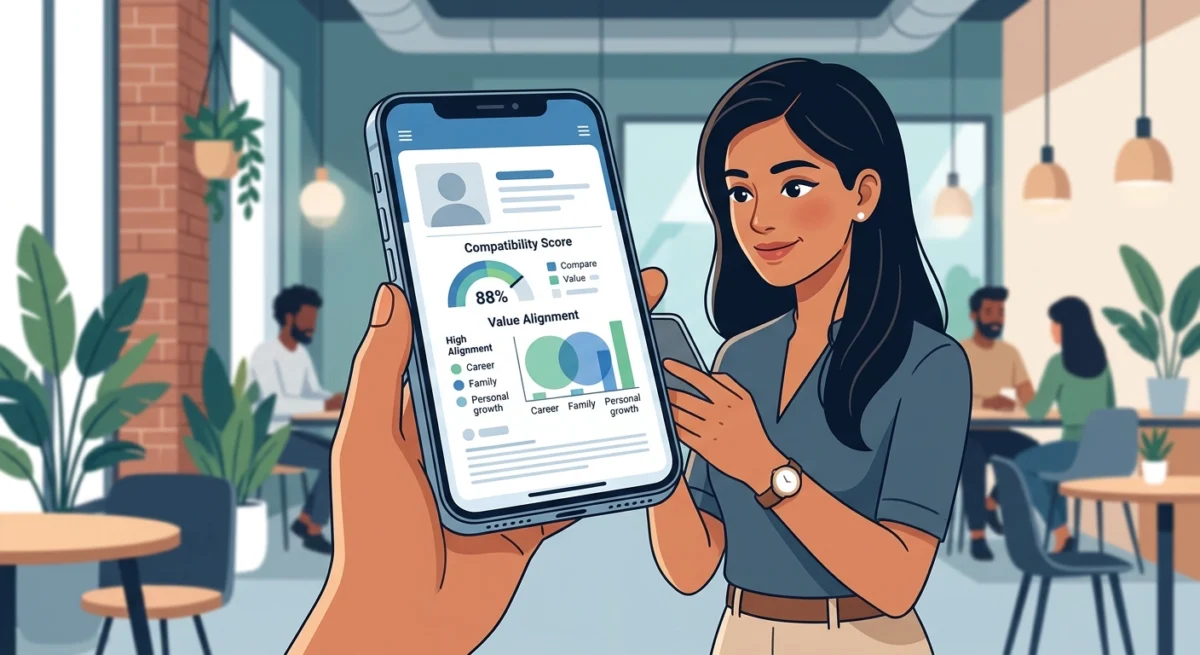
The rise of "Value Dashboards" allows couples to compare their views on everything from climate change to domestic labor. These digital tools facilitate difficult conversations that were previously avoided until much later in a relationship.
This trend is particularly strong among women who are increasingly financially independent. They are using these professionalized platforms to ensure their partners support their career ambitions and share a progressive view of gender roles.
Urban centers are effectively becoming laboratories for this new social contract. The success of these "LinkedIn-style" matches is being watched closely by smaller towns, signaling a nationwide shift in how love is found.
The Role of Intentional Vetting
Intentional vetting is the cornerstone of the 2026 matchmaking revolution in India. It involves a deep dive into a potential partner's background, including financial health, psychological stability, and long-term goals before any emotional bond is formed.
This process is supported by a variety of digital tools that offer "trust scores" based on verified data. While some find this transactional, many argue it provides the safety net needed in a rapidly changing society.
The goal is to eliminate the "hidden surprises" that often lead to marital discord. By being transparent about debt, health issues, and family expectations, couples can build a foundation based on honesty rather than assumptions.
Intentionality also means being clear about what one does not want. Profiles often list specific traits or lifestyles that are incompatible, allowing for a more efficient filtering process for all parties involved in the search.
Ultimately, this vetting process empowers individuals to make informed decisions. It transforms the act of finding a partner from a game of chance into a strategic exercise in building a shared and stable future.
The Mechanics of the LinkedIn-Style Approach
The mechanics of this new matchmaking style are built on data-driven insights and technological integration. Platforms now utilize sophisticated API connections to verify the claims made by users on their professional and personal profiles.
Users are encouraged to complete comprehensive modules that cover various aspects of their lives. These modules generate a holistic view of the individual, going far beyond the traditional "bio-data" used by previous generations in India.
The interface of these apps often mimics professional dashboards, providing clear metrics and compatibility percentages. This visual representation of data helps users quickly assess whether a potential match is worth pursuing further through direct communication.
Security and privacy remain paramount in this data-heavy environment. Advanced encryption and blockchain-based verification ensure that sensitive personal information is only shared with matches who have reached a certain level of mutual interest.
By treating the search for a partner with the same technical rigor as a business project, users feel more in control. This structured approach reduces the anxiety often associated with the unpredictability of modern romance.
Value Dashboards and Data Points
The "Value Dashboard" is perhaps the most innovative tool in the 2026 matchmaking arsenal. It allows users to rank their priorities across various categories, such as career, family, spirituality, and personal hobbies, using interactive sliders.
These dashboards provide a visual comparison between two individuals, highlighting areas of alignment and potential conflict. It is a powerful way to see the "big picture" of a relationship before any significant time is invested.
Data points included in these dashboards are increasingly granular. They can include everything from preferred vacation styles to views on elderly care, ensuring that no important topic is left unaddressed during the initial vetting phase.
For many, this data-driven approach provides a sense of relief. It removes the pressure of having to "guess" what the other person is thinking, replacing intuition with clear, documented evidence of shared values and goals.
As these tools become more common, the vocabulary of dating is also changing. Terms like "value-alignment" and "lifestyle-compatibility" are now standard parts of the romantic lexicon for the modern, tech-savvy Indian youth.
Financial Transparency as a Foundation
In 2026, financial transparency has become a non-negotiable part of the matchmaking process. Couples are increasingly open about their income, savings, investments, and debts, recognizing that financial stress is a leading cause of marital breakdown.
Platforms now offer "Financial Compatibility Scores" that analyze how well two people’s spending and saving habits align. This helps avoid future conflicts over money management and ensures both partners are on the same page financially.
The formula above illustrates the growing belief that reducing financial stressors is key to a lasting union. By addressing these issues upfront, couples can create a realistic plan for their shared financial future and lifestyle goals.
This level of transparency is a significant departure from the past, where money was often a taboo subject. Today, being "financially naked" with a potential partner is seen as a sign of trust and long-term commitment.
We Also Published
Psychological Assessments and Compatibility
Psychological assessments are now a standard feature of premium matchmaking services in India. These tests, often designed by clinical psychologists, evaluate personality traits, attachment styles, and emotional intelligence to predict how a couple might handle conflict.
The results are used to calculate a "Psychological Compatibility Index," which gives users a sense of their emotional fit. Understanding ##P(Success | Intent)##—the probability of success given high intent—is now a core part of the digital experience.
These assessments help individuals identify their own patterns and triggers. This self-awareness is considered a "green flag," signaling that a person is prepared for the emotional work required to maintain a healthy and stable long-term relationship.
Many users find that these tests provide a useful framework for discussion. Instead of vague feelings, they have specific terminology to describe their needs and expectations, leading to more productive and honest conversations with potential partners.
The integration of mental health metrics reflects a broader societal trend in India. There is an increasing emphasis on emotional well-being as a critical component of a successful marriage and a fulfilling personal life.
The Rise of Digital Pre-nups
Digital pre-nups are becoming a common feature of the 2026 matchmaking landscape. These are informal, documented agreements where couples outline their expectations for the marriage, including domestic chores, career goals, and even social media usage.
While not always legally binding, these documents serve as a "memorandum of understanding" between partners. They provide a clear reference point for the future, helping to resolve disagreements before they escalate into major marital conflicts.
The process of creating a digital pre-nup encourages deep communication. It forces couples to discuss the practical realities of daily life, ensuring that both parties have a realistic understanding of what the marriage will actually look like.
These agreements are often stored on secure, blockchain-enabled platforms to ensure their integrity. They can be updated as the relationship evolves, serving as a living document that reflects the couple's growing partnership and changing needs.
For the modern Indian couple, the digital pre-nup is a tool for empowerment. it allows them to design their own version of marriage, rather than simply following traditional templates that may not fit their contemporary lifestyles.
- 01
- 02
- 03
- 04
Societal Impact and Future Projections
The shift toward "LinkedIn-style" matchmaking is having a profound impact on Indian society. It is redefining the concept of "arranged marriage," moving it away from a family-led process toward an individual-led, data-driven experience that prioritizes personal choice.
This trend is contributing to a more transactional approach to the early stages of romance. While some worry this may diminish the "magic" of love, others argue it builds a more resilient and stable foundation for families.
As we look toward the end of the decade, we can expect these technologies to become even more integrated into daily life. Artificial intelligence will likely play a larger role in predicting compatibility and facilitating initial introductions between matches.
The success of this model in India could serve as a blueprint for other cultures facing similar "choice fatigue" in their dating markets. The combination of tradition and technology offers a compelling solution to the challenges of modern romance.
Ultimately, the goal of this evolution is to create happier, more stable unions. By using data to navigate the complexities of human relationships, the 2026 generation is paving the way for a new era of intentional love.
Redefining Marital Stability in India
Marital stability in India is being redefined by this new emphasis on intentionality and vetting. The focus has shifted from simply staying together for the sake of society to building a partnership that is genuinely fulfilling and sustainable.
By addressing potential conflicts early on, couples are entering marriages with a clearer understanding of the challenges they may face. This proactive approach is expected to lead to lower divorce rates and higher levels of relationship satisfaction.
The definition of a "good match" has also expanded. It now includes not just family background and professional status, but also emotional compatibility, shared values, and a mutual commitment to personal and professional growth over time.
This shift is creating a more resilient social fabric. Families built on a foundation of honesty and shared goals are better equipped to navigate the stresses of modern life, providing a stable environment for the next generation.
The long-term impact of this trend will likely be a more stable and satisfied middle class. As marriage becomes more about partnership and less about obligation, the overall well-being of Indian society is poised to improve significantly.
Parental Involvement in the Digital Age
Parental involvement in the matchmaking process is not disappearing; rather, it is evolving. In 2026, parents often act as "advisors" who help vet the data and provide a different perspective on potential matches found by their children.
Many platforms now include "Parental Portals" where elders can view the verified data points of a match. This allows families to feel involved and supportive without exerting the same level of control as in the past.
This collaborative approach bridges the generational gap. It allows the youth to benefit from the wisdom and experience of their parents while still maintaining their individual autonomy and final say in the decision-making process.
Parents are also becoming more tech-savvy, learning to navigate the digital tools that their children use. This shared digital experience is fostering a new kind of family bond, centered around the common goal of finding a suitable partner.
The result is a "modern-arranged" hybrid that respects both individual desire and family tradition. It is a uniquely Indian solution that balances the needs of the individual with the cultural importance of the extended family unit.
Challenges of the Transactional Model
Despite its benefits, the "LinkedIn-style" matchmaking model faces criticism for being overly transactional. Some argue that reducing a person to a set of data points and metrics ignores the essential, unquantifiable aspects of human connection and romance.
There is also a risk that this approach could exacerbate social inequalities. Those with better "resumes"—higher education, better jobs, and higher incomes—may find it much easier to match, leaving others at a disadvantage in the romantic market.
The pressure to maintain a "perfect" profile can also lead to stress and anxiety. Individuals may feel they need to constantly curate their lives to appear more attractive to potential partners, leading to a lack of authenticity in interactions.
Furthermore, the reliance on data can sometimes lead to "analysis paralysis." With so much information available, users may become overly critical of minor misalignments, potentially missing out on great partners who don't perfectly match their pre-set criteria.
Balancing the efficiency of data with the spontaneity of human emotion remains the primary challenge for platforms and users alike. Finding the right mix will be crucial for the long-term success of this modern matchmaking evolution.
Balancing Logic with Emotional Connection
The future of matchmaking in India lies in finding the perfect balance between logic and emotion. While data can help identify potential matches, the actual success of a relationship still depends on the "spark" that occurs between two people.
Platforms are now experimenting with features that encourage more organic interactions after the initial vetting is complete. These include virtual reality "dates" and guided conversation starters designed to foster emotional intimacy and deeper personal connection.
Users are also learning that data is just a starting point. They are using the information gathered during the vetting process to ask better questions and build a more meaningful understanding of their partner's inner world and personal history.
The most successful matches in 2026 are those where both parties have done the logical work upfront, allowing them to relax and enjoy the emotional journey of falling in love without the fear of hidden surprises.
As we move forward, the goal is to use technology to enhance, rather than replace, the human experience of love. By combining the best of both worlds, the Indian youth are creating a more intentional and fulfilling future for themselves.
From our network :
- The Hidden Cost of AI Convenience: Why Over-Permissioned Agents Are a Security Time BombDiscover why AI agents with excessive permissions create dangerous single points of failure, and learn how implementing least privilege principles can protect your organization from exploitation.
- The Final Descent: How ESA Retired the Legendary Cluster Constellation After 24 Years of Space Weather ScienceAfter 24 years mapping Earth’s magnetosphere, ESA’s Cluster mission concluded with a precisely controlled reentry over the South Pacific. This analysis explores the scientific legacy, engineering decisions, and debris mitigation principles behind one of space exploration’s most responsible retirements.
- Committed Mediterranean Precipitation Decline: Why Emissions Cuts Alone Cannot Restore Winter RainsNew NOAA research reveals that Mediterranean winter rains may decline irreversibly even with emissions cuts. Explore the science of committed climate change and regional impacts.
- Former Soap Stars Embark on Ambitious Writing Projects and Theatrical StagesDiscover how former soap opera actors are transitioning into independent scriptwriting and high-profile theatrical stage productions.
- Forbidden Matrix Patterns and Visible Lattice Points: A Geometric DictionaryExplore how multidimensional 0–1 matrices encode geometric truths, linking forbidden patterns to visible lattice points and hypergraph theory, with applications in combinatorics and computational geometry.
- Analyzing Hoya Corporation’s Midday Volume Shifts and Financial FundamentalsExamine Hoya Corporation’s midday trading volume contraction, technical moving averages, robust solvency ratios, and stellar quarterly earnings performance.
- How AI Agents Will Change the Way We Manage Personal FinancesExplore how AI agents are transforming personal finance through automated budgeting, bill payment, and investment management, while examining the critical security protocols and governance frameworks required for safe deployment.
- Norbert’s Uncertain Path: Why Hawaii’s Storm Watch Demands Patience Over PanicTropical Storm Norbert strengthens in the Eastern Pacific with winds near 50 mph, forecast to reach Category 1 hurricane status by Friday. Long-range models disagree sharply on whether Hawaii faces any threat around September 19–23, making official guidance essential.
- CISA’s Ten-Advisory Wave: Why Generic Patching Fails in OT and How to Build Product-Specific PlaybooksCISA released ten ICS advisories in one week, exposing critical infrastructure risks. Generic patching fails in OT. Learn to build product-specific remediation playbooks.
RESOURCES
- “Be her friend first” vs “Make your intentions known” - Which is it? : r ...reddit.comAug 1, 2019 ... It can be interpreted as be friends first, before dating. It can also be interpreted as be friends primarily, and…
- Is it okay to let a girl know your intentions of dating her ... - Quoraquora.comJun 2, 2018 ... The first conversation should be almost like an interview, but you don't give out that information or even hint at…
- I'm building a intent based dating app without swipes. Growth is ...reddit.comDec 24, 2025 ... Anonymous groups where users discuss dating, breakups, confidence, and social pressure outside 1:1 chats. Early signals (still validating).
- Dating Intentionally - Apple Podcastspodcasts.apple.com... dating with clarity, confidence, and purpose. ... MENTIONED IN THIS EPISODE Free dating FAQ guideStop looking for attraction on the first dateDating ...
- Girls Dating App in India: What Actually Worked in My 30-Day Test ...lmtsm.thapar.eduApr 30, 2026 ... Curated dating profiles and intent-first matching on Aisle in India. A practical comparison table (pick based on your real goal).…
- Dating Intentionally - Apple Podcastspodcasts.apple.comSep 14, 2022 ... ... purpose. Whether you're dating after ... MENTIONED IN THIS EPISODE Free dating FAQ guideStop looking for attraction on the…
- Dating manners across different culturestheschoolofmanners.comJun 19, 2019 ... Most Americans meet in bars, clubs, dating apps and is not necessarily with the intent to get serious asap but…
- #aisle #dating #relationships #linkedin | Tushya Pahuja | 14 commentslinkedin.comMay 20, 2026 ... India's first premium app for Serious, Intent-based relationships. No Swipe Culture. No Parent-led Profiles. Verified Users. Detailed ...
- Best Dating Apps in India (2026) — What Actually Worked in My 30 ...ctcd.eduApr 28, 2026 ... If you want serious dating that can lead to marriage, Aisle performed best for intent alignment in my test. If…
- On Purpose with Jay Shetty Podcast on Amazon Musicmusic.amazon.com8 days ago ... ... first or 500th episode ... He spent four summers training with Hare Krishnas, and then spent three years living…
- What My Green Card Love Story Taught Me About Immigrationyesmagazine.orgOct 12, 2022 ... My husband and I met on a dating app in 2019. I spent much of our early get-to-know-you months learning…
- On Purpose with Jay Shetty | Podcast on Spotifyopen.spotify.comListen to the Love Life with Matthew Hussey podcast for more modern dating tips. Visit https://podcasts.apple.com/us/podcast/love-life-with-matthew-hussey/ ...
- less decoding, more dating: india shows up on dating sundayin.tinderpressroom.comDec 23, 2025 ... ... intentions show up most clearly on Dating Sunday, the first Sunday of the year and consistently the busiest day…
- Anirban Banerjee - Co-founder and Chief Marketing Officer @ flutrrin.linkedin.com... dating app with different local languages compatibility. I showed it to my dad, and he loved my initial idea! That's how flutrr, India's…
- Coffee Dating Series- Episode-3 Dating unfiltered ft.Andrew Fung ...instagram.comMar 30, 2026 ... Yeah, who loves you for you. OCR. Dating Unfiltered ft. Andrew Fung Dating With Intentions Coffee Meets Bagel. coffeemeetsbagel's ...
- 01
- 02
- 03
- 04
- 05
- 06
- 07
- 08
0 Comments