On This Page
From Reactive Health to Proactive Prevention
The Economic Scale of Longevity
The global economy is witnessing an unprecedented transformation as the wellness sector balloons to over two trillion dollars. This surge represents more than just a financial metric; it reflects a deep-seated cultural shift in America today.
Citizens are increasingly prioritizing their health as a primary asset, leading to massive capital inflows. The sheer volume of this spending indicates that wellness is no longer an optional luxury but a core component of modern living.
Investors are taking note of this sustained momentum, pouring resources into companies that facilitate long-term health. The market sentiment remains incredibly bullish as consumers demand more sophisticated solutions for maintaining their vitality and preventing chronic diseases.
By the middle of 2026, the economic impact of the longevity movement will be felt across every industry. From retail to finance, the focus on extending healthspan is reshaping how we value products and services in the marketplace.
The current trajectory suggests that the wellness economy will continue to outpace traditional healthcare spending. This growth is driven by a collective realization that investing in prevention is far more cost-effective than treating advanced illnesses.
Shifting from Sick-Care to Well-Care
Historically, the American healthcare system has operated on a reactive model, focusing on treating symptoms after they appear. However, a significant pivot is occurring as individuals move toward a proactive "well-care" philosophy for their daily lives.
This transition is characterized by a desire to optimize biological functions before any decline occurs. People are now seeking ways to enhance their physical and mental performance through continuous monitoring and lifestyle adjustments that promote longevity.
The shift is evident in the rising popularity of preventive screenings and personalized health protocols. Consumers are willing to pay a premium for services that provide deep insights into their unique genetic and biological makeup.
We are seeing a decline in the "quick fix" mentality that dominated previous decades. Instead, a holistic approach that considers environmental factors, nutrition, and sleep quality is becoming the standard for those seeking optimal health.
This cultural evolution is fundamentally changing the relationship between individuals and their living environments. The home is no longer just a place to sleep; it is becoming a sanctuary designed to support and enhance human biology.
Data-Driven Personalization
In the modern wellness landscape, data is the most valuable currency for achieving longevity. Wearable devices and home-based diagnostic tools are providing a constant stream of information that allows for highly personalized health interventions.
Individuals are now able to track their biomarkers in real-time, making informed decisions about their daily habits. This level of granularity enables a precision in wellness that was previously reserved for professional athletes or the wealthy.
The integration of data into daily life is fostering a sense of empowerment among consumers. No longer dependent solely on annual check-ups, people are taking charge of their health through continuous feedback loops and data analysis.
Companies are responding by creating platforms that aggregate this data to provide actionable insights. These systems can suggest everything from optimal meal times to specific lighting adjustments based on an individual's current physiological state.
As we move forward, the ability to personalize one's environment based on real-time data will be a key differentiator. Homes that can adapt to the needs of their occupants will lead the next wave of real estate.
The Role of AI in Prevention
Artificial Intelligence is playing a critical role in the advancement of preventive medicine and wellness. By analyzing vast datasets, AI can identify patterns and risks that would be impossible for humans to detect on their own.
In the context of the home, AI-driven systems are managing everything from air quality to sleep cycles. These intelligent hubs ensure that the living environment is always optimized for the health and recovery of the residents.
The use of AI in diagnostics is also accelerating the early detection of potential health issues. This allows for earlier interventions, which are often less invasive and more successful in maintaining long-term health and vitality.
Furthermore, AI is facilitating the creation of hyper-personalized nutrition and exercise plans. By accounting for a myriad of factors, these algorithms provide guidance that is uniquely tailored to the individual's goals and biological needs.
The synergy between AI and the longevity movement is creating a future where health is managed autonomously. This technological integration is the backbone of the $2.1 trillion surge we are currently witnessing in the market.
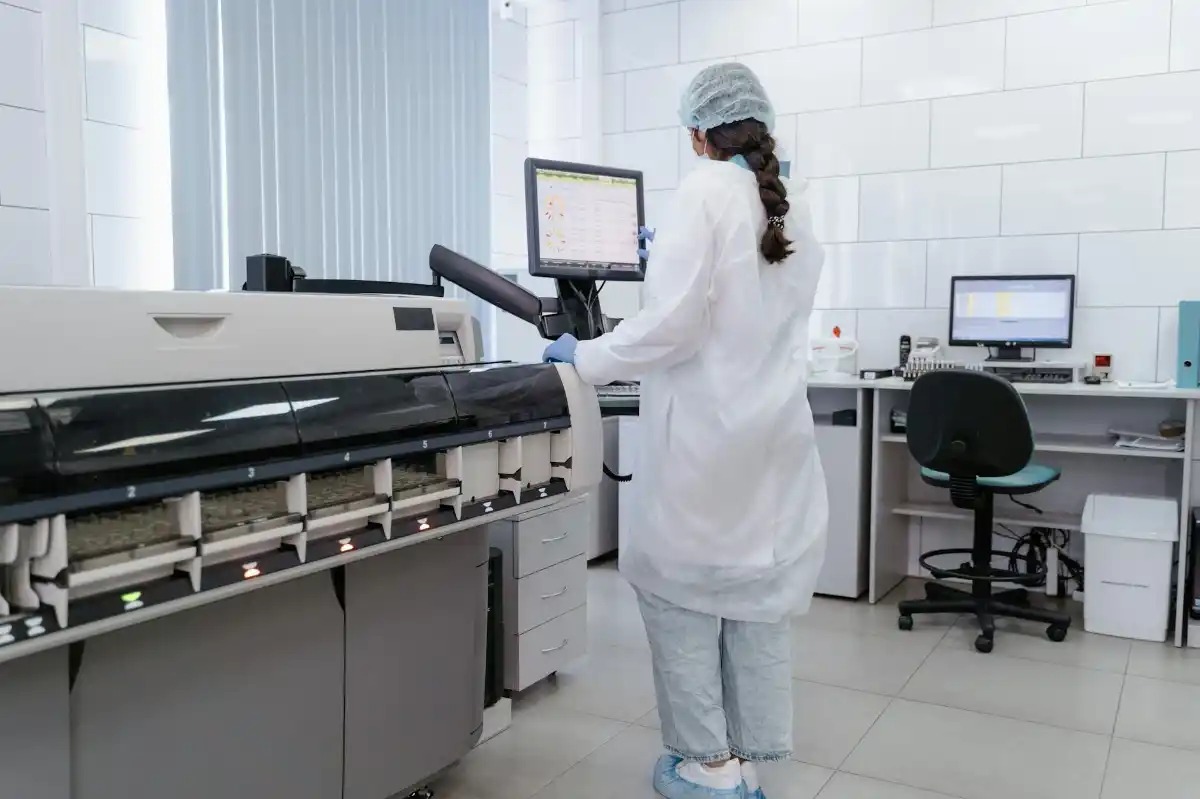
A high-tech home diagnostic lab integrated into a modern kitchen, featuring sleek digital displays showing health metrics, a minimalist design, and warm ambient lighting.
The Boom in Wellness Real Estate
Redefining the Modern Home
The concept of the home is undergoing a radical transformation as wellness becomes a central design pillar. Modern residences are being reimagined as active participants in the health and longevity of their occupants throughout their lives.
Architects and developers are now incorporating features that were once considered futuristic into standard blueprints. This includes everything from advanced air purification systems to dedicated spaces for meditation and high-tech biohacking treatments for residents.
The demand for these "wellness-certified" homes is skyrocketing, particularly in the luxury and mid-market segments. Buyers are increasingly looking for properties that offer a tangible benefit to their long-term health and overall well-being.
This trend is not limited to new constructions; existing homes are also being retrofitted with wellness technologies. Simple upgrades like water filtration and circadian lighting are becoming essential for homeowners who want to stay competitive.
Ultimately, the home is becoming the ultimate wellness tool, providing a controlled environment that minimizes stressors. This shift marks the beginning of a new era in urban planning and residential development across America.
Advanced Filtration and Circadian Systems
One of the most critical components of wellness real estate is the management of the indoor environment. Hospital-grade air filtration systems are now a standard requirement for health-conscious homeowners seeking to minimize toxin exposure.
These systems are designed to remove fine particulates, allergens, and volatile organic compounds, ensuring that the air is clean. Given that we spend most of our time indoors, air quality is a primary health factor.
Circadian lighting systems are another essential feature, mimicking the natural progression of sunlight throughout the day. This helps regulate the body's internal clock, improving sleep quality and boosting daytime energy levels for all occupants.
We Also Published
The impact of these systems on long-term health is supported by a growing body of scientific research. By aligning our indoor environments with our biological needs, we can significantly reduce the risk of various chronic conditions.
Water filtration is equally important, with advanced systems removing contaminants while retaining essential minerals. These integrated solutions ensure that every touchpoint in the home is optimized for the health and safety of the family.
The Workplace Wellness Evolution
The influence of wellness real estate is extending beyond the home and into the modern workplace. Employers are recognizing that a healthy environment is crucial for employee productivity, retention, and overall job satisfaction today.
Office buildings are being redesigned to incorporate natural light, biophilic elements, and ergonomic workstations that encourage movement. These features help reduce stress and improve cognitive function, creating a more vibrant and effective working atmosphere.
The integration of wearable technology in the workplace is also becoming more common, with EEOC guidance providing clarity. This allows for a more data-driven approach to employee wellness, focusing on stress management and physical health.
Companies are moving away from simple gym memberships toward a more comprehensive health culture that is built into the architecture. This includes "quiet rooms" for mental breaks and cafes that offer nutritionally optimized meal options.
As the lines between work and life continue to blur, the demand for wellness-centric workspaces will grow. Businesses that prioritize the health of their employees will have a significant advantage in the competitive talent market.
Market Trends and Investment Value
The financial performance of wellness real estate is outpacing traditional residential sectors, showing a remarkable compound annual growth rate. Investors are recognizing the long-term value of properties that prioritize health and sustainable living standards.
The calculation of growth in this sector highlights the significant premiums that wellness-certified homes can command. Buyers are willing to pay more for properties that offer a clear path to improved health and increased longevity.
This trend is also driving a surge in "wellness communities," where entire neighborhoods are designed around health-centric principles. These developments offer shared amenities like organic gardens, fitness centers, and integrated health clinics for all residents.
From a personal finance perspective, investing in wellness real estate is seen as a hedge against future healthcare costs. By living in an environment that promotes health, individuals can potentially save thousands in medical expenses.
The velocity of this market shift suggests that wellness features will soon become a baseline requirement for all real estate. Properties that fail to adapt to these new standards may face declining values in the future.
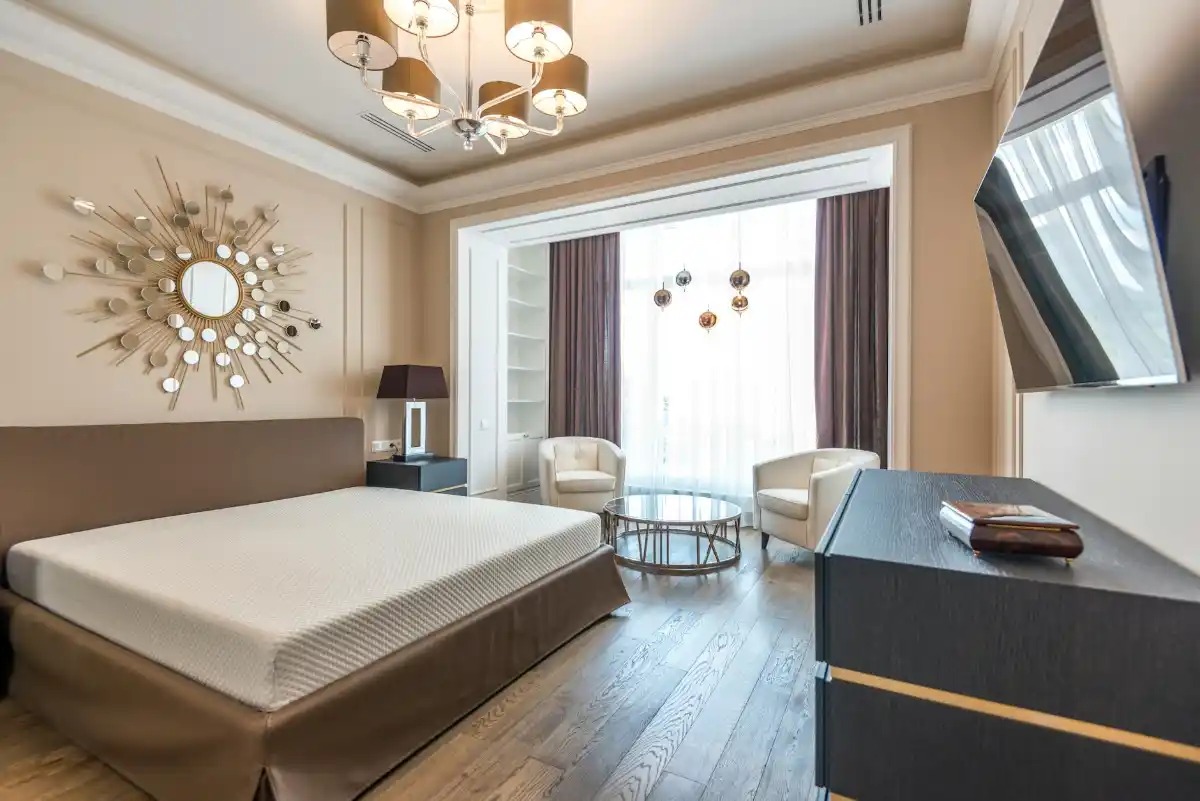
A luxury master bedroom featuring automated circadian lighting that mimics a sunrise, with large windows overlooking a peaceful garden and integrated smart panels for climate control.
- 01
- 02
- 03
- 04
Longevity as the Ultimate Status Symbol
The Cultural Shift in Success
In today's society, the definition of success is moving away from material wealth and toward physical and mental vitality. Being healthy and energetic is becoming the ultimate status symbol for high achievers in the modern world.
The "Longevity Economy" is a reflection of this shift, as people invest heavily in products that promise to extend their healthspan. This cultural change is influencing everything from fashion to social media and lifestyle choices.
We are seeing a move away from "hustle culture" and toward a more balanced approach that prioritizes recovery and performance. High-performing individuals are now bragging about their sleep scores and biomarker results rather than their work hours.
This focus on longevity is also creating a new hierarchy of consumption, where quality and health impact are prioritized. The brands that succeed in this environment are those that can demonstrate a clear benefit to the consumer.
Ultimately, the goal is to live a long, vibrant life that allows for continued contribution and enjoyment. This aspiration is driving the massive growth of the wellness sector and the demand for health-centric living spaces.
Biohacking and Integrated Lifestyles
Biohacking, once a fringe movement, has entered the mainstream as a key component of the longevity lifestyle. It involves using science and technology to "hack" the body's biology for improved performance and health outcomes.
In wellness real estate, this manifests as dedicated "longevity rooms" equipped with red light therapy, cold plunges, and hyperbaric chambers. These tools allow individuals to perform professional-grade recovery protocols from the comfort of their own homes.
The integration of these practices into daily life is becoming seamless, with smart home systems managing the schedules. This ensures that biohacking is not a chore but a natural part of the resident's daily routine.
The focus is on small, consistent interventions that yield significant long-term results for the body and mind. By optimizing the environment and the routine, individuals can achieve a level of health that was previously unattainable.
As the technology becomes more accessible, we can expect to see these biohacking features in a wider range of homes. The democratization of longevity tools is a key driver of the $2.1 trillion wellness economy.
Future Projections for 2026 and Beyond
As we look toward the end of 2026, the wellness real estate market shows no signs of slowing down its expansion. Projections suggest that the sector will continue to evolve, incorporating even more advanced technologies and design principles.
We can expect to see a greater focus on mental health, with homes designed to reduce anxiety and promote mindfulness. This will include acoustic management, calming color palettes, and spaces specifically designed for meditation and reflection.
The role of the community will also become more prominent, with wellness developments fostering social connections and a sense of belonging. These factors are increasingly recognized as critical components of a long and healthy life.
Technological advancements will continue to drive personalization, with homes becoming more intuitive and responsive to the needs of the occupants. The integration of AI and IoT will create a truly seamless wellness experience for all.
The future of real estate is undeniably tied to the future of health, with the two industries becoming increasingly intertwined. This synergy will create new opportunities for innovation, investment, and the improvement of human life.
Actionable Steps for Homeowners
For those looking to align their living environment with longevity standards, there are several actionable steps that can be taken. Starting with a focus on air and water quality is a high-impact move for any homeowner.
Installing a high-quality water filtration system and upgrading HVAC filters to HEPA standards can provide immediate health benefits. These are relatively simple changes that can significantly reduce the toxic load on the body's systems.
Homeowners should also consider the impact of lighting on their sleep-wake cycles and overall mood throughout the day. Replacing standard bulbs with smart, color-tunable LEDs can help regulate the circadian rhythm and improve sleep quality.
Looking for "WELL" certification standards can provide a roadmap for more comprehensive upgrades and improvements to the home. This framework covers everything from nourishment and movement to thermal comfort and sound management for the residents.
Even small changes, such as adding indoor plants and creating a dedicated space for physical activity, can make a difference. The goal is to create an environment that supports health as a natural and effortless outcome.

A serene outdoor wellness space with a natural swimming pool, an organic vegetable garden, and a minimalist yoga deck made of sustainable wood, surrounded by lush trees.
From our network :
- Forbidden Matrix Patterns and Visible Lattice Points: A Geometric DictionaryExplore how multidimensional 0–1 matrices encode geometric truths, linking forbidden patterns to visible lattice points and hypergraph theory, with applications in combinatorics and computational geometry.
- Norbert’s Uncertain Path: Why Hawaii’s Storm Watch Demands Patience Over PanicTropical Storm Norbert strengthens in the Eastern Pacific with winds near 50 mph, forecast to reach Category 1 hurricane status by Friday. Long-range models disagree sharply on whether Hawaii faces any threat around September 19–23, making official guidance essential.
- Analyzing Hoya Corporation’s Midday Volume Shifts and Financial FundamentalsExamine Hoya Corporation’s midday trading volume contraction, technical moving averages, robust solvency ratios, and stellar quarterly earnings performance.
- Committed Mediterranean Precipitation Decline: Why Emissions Cuts Alone Cannot Restore Winter RainsNew NOAA research reveals that Mediterranean winter rains may decline irreversibly even with emissions cuts. Explore the science of committed climate change and regional impacts.
- How AI Agents Will Change the Way We Manage Personal FinancesExplore how AI agents are transforming personal finance through automated budgeting, bill payment, and investment management, while examining the critical security protocols and governance frameworks required for safe deployment.
- The Hidden Cost of AI Convenience: Why Over-Permissioned Agents Are a Security Time BombDiscover why AI agents with excessive permissions create dangerous single points of failure, and learn how implementing least privilege principles can protect your organization from exploitation.
- The Final Descent: How ESA Retired the Legendary Cluster Constellation After 24 Years of Space Weather ScienceAfter 24 years mapping Earth’s magnetosphere, ESA’s Cluster mission concluded with a precisely controlled reentry over the South Pacific. This analysis explores the scientific legacy, engineering decisions, and debris mitigation principles behind one of space exploration’s most responsible retirements.
- Former Soap Stars Embark on Ambitious Writing Projects and Theatrical StagesDiscover how former soap opera actors are transitioning into independent scriptwriting and high-profile theatrical stage productions.
- CISA’s Ten-Advisory Wave: Why Generic Patching Fails in OT and How to Build Product-Specific PlaybooksCISA released ten ICS advisories in one week, exposing critical infrastructure risks. Generic patching fails in OT. Learn to build product-specific remediation playbooks.
RESOURCES
- 4 New Wellness Real Estate Trends For 2026: How You Can Benefitforbes.comFeb 17, 2026 ... Simpler, more cost effective changes include soothing colors, adding plants, choosing circadian bulbs or fixtures, and decluttering to reduce ...
- Wellness Real Estate Seriesglobalwellnessinstitute.orgAt the same time, many needs have yet to be addressed in the current market, and there is still a broad misconception that wellness…
- Global Wellness Summit | Joining Together. Shaping the Future.globalwellnesssummit.comThis year unveiled groundbreaking new data on the booming wellness real estate market ... The Future of Wellness 2026 Trends. Backed by more than…
- Wellness Communities and Real Estate Initiative Trends for 2026globalwellnessinstitute.orgApr 7, 2026 ... The wellness real estate sector, now valued at $548 billion globally and projected to reach over $1 trillion by 2029,…
- Global Wellness Summit Releases 10 Wellness Trends for 2026 -globalwellnesssummit.comJan 27, 2026 ... “Longevity Residences” investigates how it's moving out of clinics and resorts and into the home, with a new wellness real…
- Wellness real estate is a growth engine. Projected to ... - Instagraminstagram.comJul 14, 2025 ... The ultimate guide to luxury homes real estate: Trends, tips and what defines premium living in 2026
- 5 Home Design Trends This Real Estate Company Is Watching in ...nar.realtorWellness, nature and personal expression are restyling homes and redefining how people live. March 30, 2026. Design & Architecture, Design Trends.
- The 4 Key Luxury Housing Trends in 2026 | Dreamer Real Estatedreamerealestate.comDec 31, 2025 ... Why investors prioritize waterfront luxury homes · Key features of wellness-oriented luxury homes · Why investors are drawn to branded…
- Luxury Real Estate Trends 2026: Fashion-branded, Fireproof, and ...architecturaldigest.comJan 15, 2026 ... Real Estate Trends 2026: Fashion-branded, Fireproof, and Fifty Shades of Beige ... While 2025 battered the broader housing market with…
- Global Wellness Summit Expands 2026 Wellness Real Estate ...prnewswire.comMar 25, 2026 ... PRNewswire/ -- The Global Wellness Summit™ (GWS) today announced new speakers for its fifth annual Wellness Real Estate & Communities ...
- Is The Wellness Boom Reshaping Global Commercial Real Estate?altusgroup.comNov 20, 2024 ... Do health-centric amenities give office spaces an edge in an otherwise difficult market? The corporate world has been quick to…
- Wellness Real Estate: A Growing Trend Globally and Locallymontecito-estate.comWellness Real Estate: A Growing Trend Globally and Locally. February 9, 2026. Back to Articles. Why Santa Barbara and Montecito Buyers Are Leading the…
- 2026 Trends Report - Global Wellness Summitcontent.globalwellnesssummit.comAcross hospitality, spa, fitness, wellness real estate, tourism, and consumer products, this 250+ page report helps you spot opportunities, anticipate ...
- 01
- 02
- 03
- 04
- 05
- 06
- 07
- 08
0 Comments